Asymmetrical eyes: Causes, treatments and tips


Asymmetrical and uneven eyes
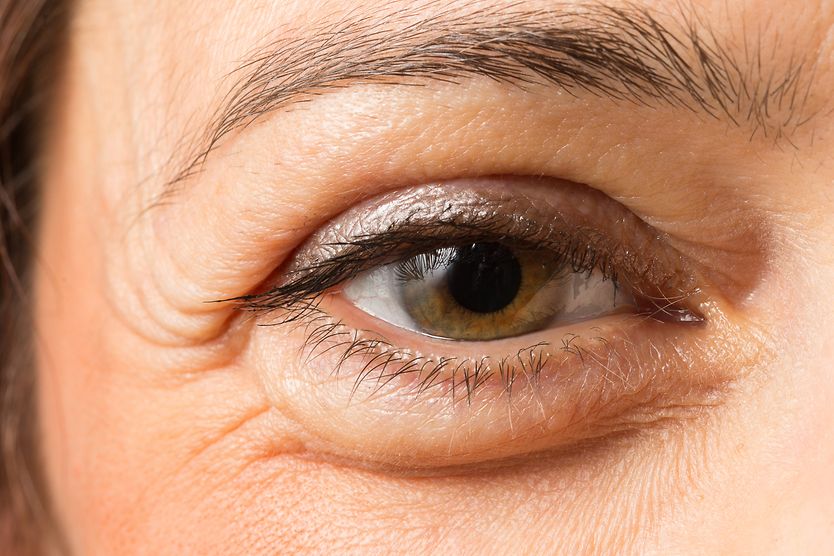
The terms “asymmetrical eyes” and “uneven eyes” typically refer to eyes that are different shapes, sizes or even colors. One eye may be bigger than the other, may sit higher or lower than the other, open wider or narrower than the other, or sit farther back in the eye socket.
A review of literature found that faces that seem too perfect — or too symmetrical — can actually make people feel uncomfortable. Thus, some degree of facial asymmetry may be preferable to perfect facial symmetry.
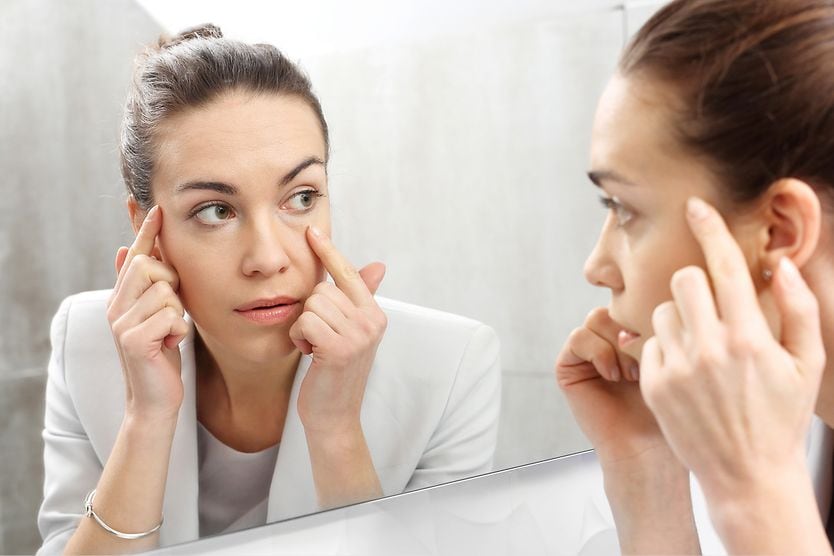
But in some cases, eyes that look different may be caused by an eye issue or health problem. If your eyes aren’t even, it’s important to have your eyes examined by a doctor to determine the cause for their asymmetric appearance and determine whether treatment is needed.
What causes eye asymmetry?
Many people with eye asymmetry were simply born with uneven facial features. For many, it isn’t a problem or anything that needs to be fixed. They may even embrace the features that make their faces unique.
But sometimes, eye asymmetry isn’t just an aesthetic issue. It can be caused by an eye or health problem that may require medical treatment. Possible causes of uneven eyes include:
Bell’s palsy – A temporary paralysis of the facial nerve, Bell’s palsy can cause one side of the face to droop. The condition can make it difficult to close the affected eye or move the eyebrow on one side of the face, causing the appearance of eye asymmetry. Bell’s palsy is not considered life threatening, and most people (about 85%) recover fully within a few months.
Stroke – Though it can present with facial paralysis symptoms similar to Bell’s palsy, a stroke is a medical emergency. If you have symptoms of a stroke, including sudden vision loss, call 911.
Blepharochalasis – Swollen eyelids (blepharochalasis) may be caused by allergies, infections or injuries. This condition can occur on the upper or lower eyelid and can happen in both eyes (bilateral) or just one eye (unilateral), causing the appearance of asymmetry.
Enophthalmos – A sunken eye (enophthalmos) may be caused by getting hit in the eye, having a car accident or sustaining other trauma to the eye. It may also be caused by cancer, HIV or problems with the sinuses. One sunken eye can result in a look of unevenness between the two eyes.
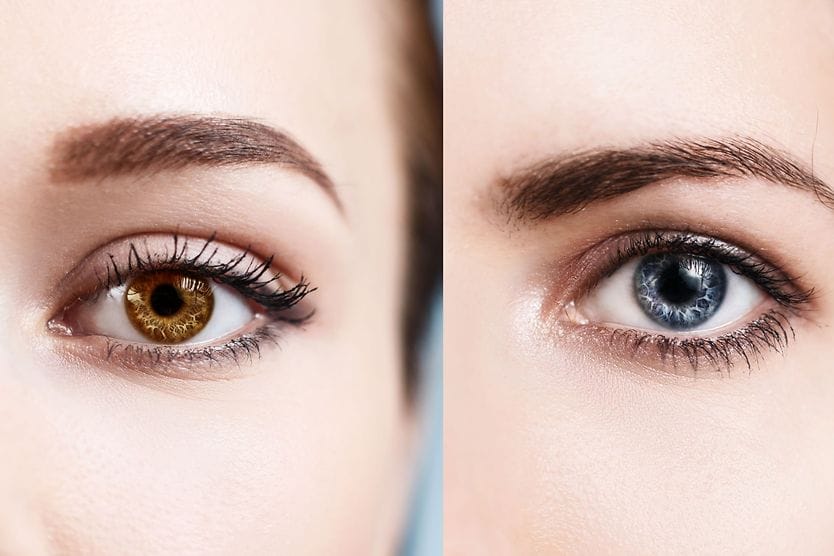
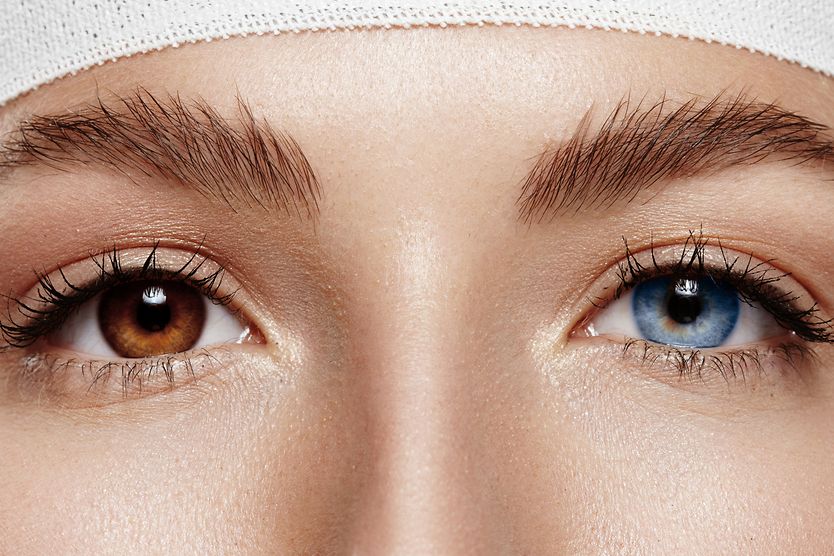
Heterochromia – In some cases, heterochromia is a hereditary condition that causes a person to be born with two different-colored eyes. It may also be caused by an underlying illness or injury. Heterochromia is a rare condition, affecting about one in every 1,600 people.
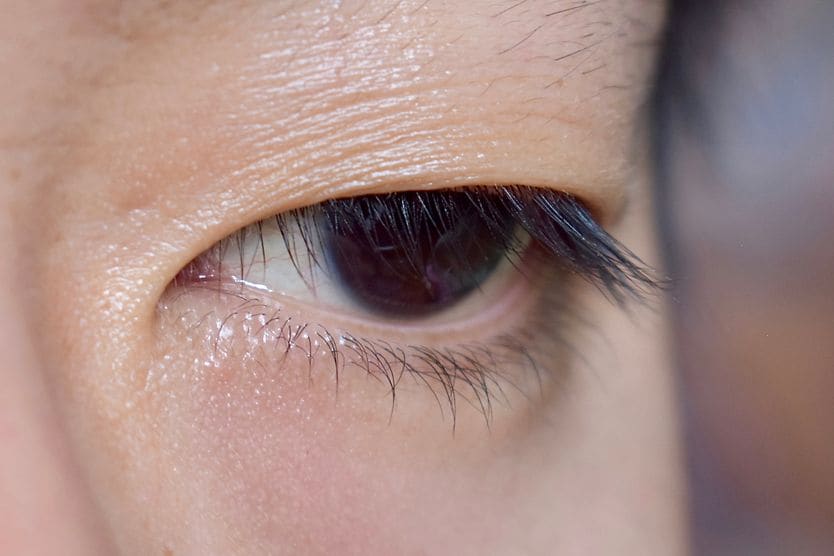
Ptosis – A condition that causes droopy eyelids, ptosis can occur in just one eye (unilateral ptosis), causing the eyes to look different from each other. It can also occur in both eyes (bilateral ptosis). Ptosis may be caused by aging, a nerve or muscle problem, or a growth on the eye.
Exophthalmos – Bulging eyes (exophthalmos) are most commonly caused by hyperthyroidism and Graves’ disease, both of which are linked to thyroid eye disease (TED). Injuries, cancers, infections and tumors can also lead to bulging eyes. If one eye appears bigger than the other, the eyes may look asymmetrical.
An eye doctor can diagnose and treat eye conditions that cause periocular asymmetry (lack of symmetry around the eyeballs). In some cases, these treatments can give the eyes a more symmetrical appearance.
How to manage asymmetrical eye appearance
If you’ve noticed a drastic difference or sudden change in your eye symmetry, schedule an appointment with your eye doctor right away. But if you’ve always had an eye that looks a little different from the other, you may be seeking tips on how to cosmetically manage the appearance of asymmetrical eyes.
Uneven eyes are unique to every person, so there’s no one-size-fits-all solution. Here are four ways to possibly address the uneven look of asymmetrical eyes.
Makeup for asymmetrical eyes
You can use makeup techniques to create the illusion of eye symmetry. Eye makeup for uneven eyes may be able to make an eye look bigger or smaller, or higher or lower.
Two makeup techniques that may help balance uneven eyes are:
Contour the eyelids – If one eyelid is more hooded than the other, apply a contour and/or foundation about two times darker than your skin tone to the hooded eyelid near the brow bone. This may create an illusion of equal depth.
Stagger eyeliner – A winged eyeliner look, drawn with an outward angle of eyeliner starting at the edge of the eye, can help make a hooded and unhooded eyelid appear more even.
One beauty trend some people claim works? Eyelid tape. The idea is to tape back drooping eyelids to change how they appear. However, there isn’t much clinical evidence to support this practice.
Botulinum toxin for asymmetrical eyes
Depending on the issue (and U.S. state), an eye doctor or surgeon may be able to use injections of botulinum toxin to manage the appearance of uneven eyes. Botulinum toxin may also be an option for asymmetrical brows that give the eyes an uneven look.
Surgery for asymmetrical eyes
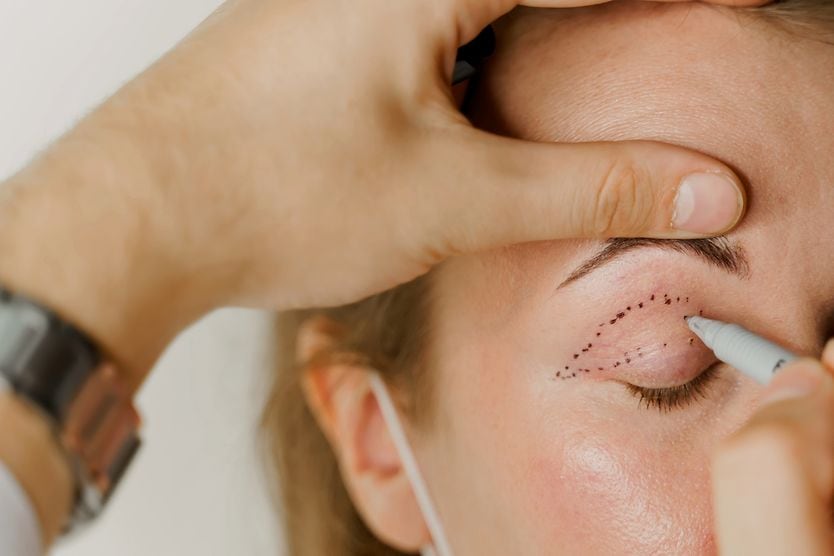
In some cases, surgery may be an appropriate option to correct or minimize eye asymmetry. The type of surgery will depend on the specific eye issue. For example: An eyelid lift (blepharoplasty) may be done on the upper or lower eyelid to correct the effects of ptosis. Surgery may also be used to treat a sunken eye.
In some instances, specific surgeries may also be recommended to treat the underlying cause of facial asymmetry. For example, one type of orbital surgery, called orbital decompression surgery, can be used when someone has exophthalmos due to Graves’ disease.
Topical eye drops
Topical eye drops for droopy eyelids – Ask your doctor about a topical eye drop that is FDA-approved for treating asymmetrical eyelid position resulting from acquired ptosis.
Eye exercises
Are you hoping a special eye exercise will correct your uneven eyes? While there are numerous exercise techniques that claim to fix asymmetrical eyes, there’s a lack of evidence that these eye exercises work.
Sometimes, you can learn facial exercises that may help with underlying causes, such as Bell’s palsy, in physical therapy. However, the purpose of these exercises is not to directly treat uneven eyes specifically.
READ MORE: Do eye exercises work for droopy eyelids?
See your eye doctor for uneven eyes
It’s important to get regular eye exams to maintain your eye health. While slightly asymmetrical eyes can be common, uneven eyes can be a sign of an underlying eye or medical condition.
If you have asymmetrical eyes, your eye doctor can perform an eye exam to help determine the cause and outline your treatment options.
READ NEXT: Eyelid surgery: What it is, how much it costs, what the risks are