Eyelid surgery: What it is, how much it costs, what the risks are
On this page
What is eyelid surgery?
Types of eyelid surgery
Is eyelid surgery safe?
How do I find an eyelid surgeon?
On this page
What is eyelid surgery?
Types of eyelid surgery
Is eyelid surgery safe?
How do I find an eyelid surgeon?
If you’re considering blepharoplasty (the medical term for eyelid surgery), upper/lower eyelid surgery, droopy eyelid surgery or double eyelid surgery (sometimes called Asian eyelid surgery), here is what you need to know:
What is eyelid surgery?
Eyelid surgery is a type of oculoplastic surgery that encompasses a handful of procedures designed to improve the general appearance of the eye area, including a reduction of puffiness or drooping related to aging and/or heredity.
All eyelid surgeries are performed on the lids or surrounding tissues, not the eyes themselves.
Eyelid surgery is typically performed by a cosmetic plastic surgeon or by an oculoplastic surgeon. An oculoplastic surgeon is an ophthalmologist who specializes in plastic and reconstructive surgery of eyelids, eyebrows and other parts of the face.
Who are ideal candidates for eyelid surgery?
Ideal candidates for eyelid surgery are healthy, non-smoking individuals (recovery from surgery is often slower if you smoke) with no serious eye conditions or medical conditions that might impair healing.
Is eyelid surgery common?
Eyelid surgery ranked in the top five cosmetic surgical procedures in 2024, according to data from the American Society of Plastic Surgeons. More than 120,000 eyelid surgeries were performed that year.
Is eyelid surgery covered by insurance?
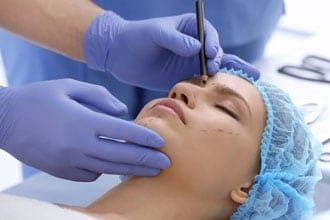
Health insurance may cover all or some of the surgery costs in cases of medical necessity, but you must generally first undergo visual field testing by an eye care professional and meet strict established criteria.
If you have a flexible spending account (FSA) or health savings account (HSA), you may be able to use these funds you've had deducted from your paycheck to help pay for eyelid surgery.
Types of eyelid surgery
Blepharoplasty
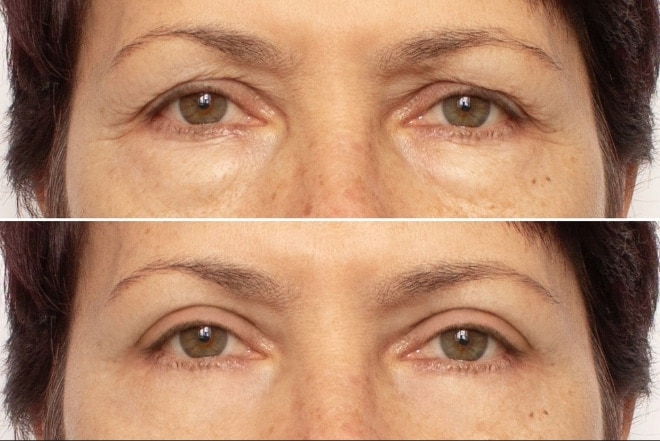
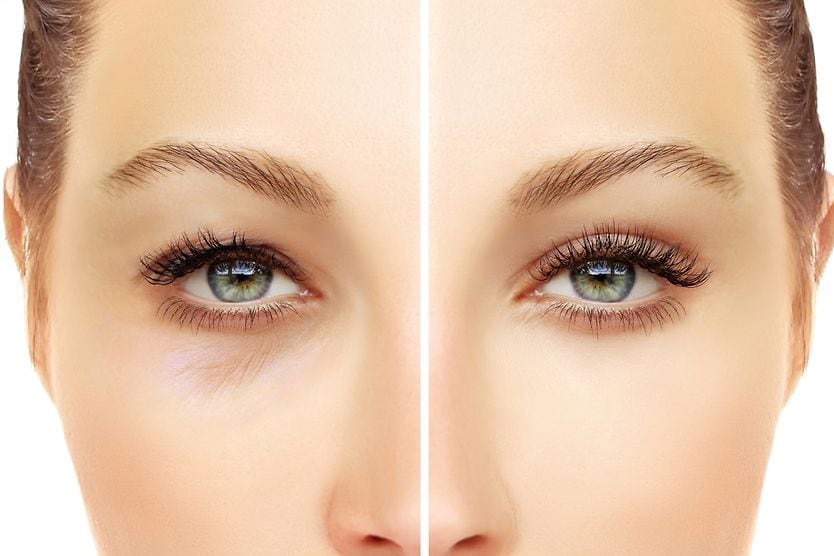
Disclaimer: Images are for illustrative purposes only of an actual patient; individual results vary and are not guaranteed.
Blepharoplasty, the most frequently performed type of cosmetic eye surgery, can be performed on the upper lids, lower lids or both.
Blepharoplasty (often called an eye lift) can treat cosmetic conditions including fatty deposits that create puffiness in the upper and lower lids, bags under the eyes, excess skin and wrinkles in the lower eyelid, and drooping lids.
Blepharoplasty also can correct for folds in the upper eyelid that impair vision.
Upper/lower eyelid surgery
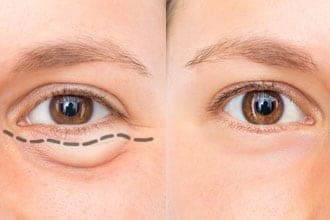
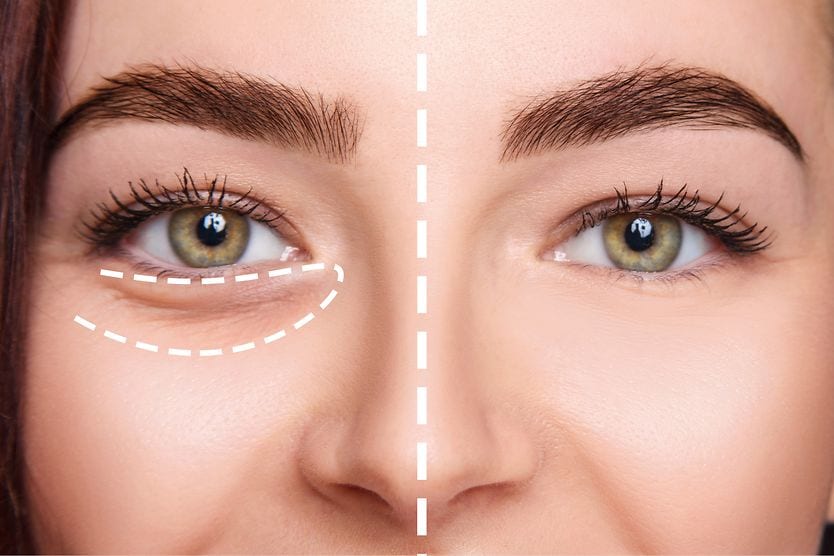
Disclaimer: Images are for illustrative purposes only and do not depict actual patients; individual results vary and are not guaranteed.
Upper/lower eyelid surgery reduces the swelling (edema) or puffiness around the eye. Upper and lower eyelids are susceptible to swelling because the skin around the eyes is the thinnest and most delicate in the body.
Swelling around the eyes naturally occurs as we age, but other causes can include inherited facial features, medical issues like allergies and thyroid or sinus conditions, as well as stress, dehydration and sleep deprivation.
Puffy eyes also can be caused by changes in the fat pads located on both the upper and lower eyelids. These fat pads allow the muscles around the eyes to move easily, but as people age, fat pads often move forward and the membrane over them relaxes, creating puffiness around the eyes.
The pouches also can fill with fluid, making the puffiness more apparent.
Recommended temporary ways to reduce the swelling may include eye drops to treat allergies, cold compresses, adequate hydration and sleep.
Surgery to remove, reposition or replace the fat pads in the upper and/or lower lids is a more permanent solution.
About the procedure: After administering local anesthesia and oral sedation, the surgeon makes a very fine incision along the crease of the upper eyelid, along the eyelash margin or inside the lower eyelid.
They then remove the extraneous fatty tissue and excessive skin from the eyelids and tighten the skin and muscles to reduce both wrinkles and puffiness.
Droopy eyelid surgery
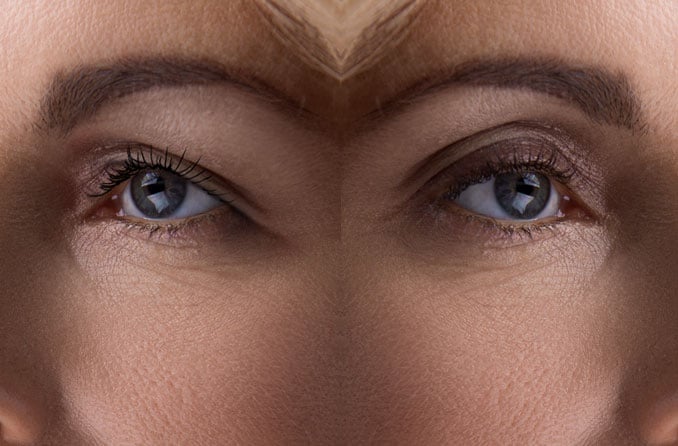
Eyelid ptosis (pronounced toe-sis) is the medical term for droopy upper eyelids. A diagnosis is made by assessing where the eyelid is in relation to the pupil of the eye.
“The eyelid is usually just above the pupil. In people with ptosis, it drops to the pupil or lower,” says Dr. Alan Matarasso, MD, FACS, and president of American Society of Plastic Surgeons. “The other term you’ll sometimes hear is ‘bedroom eyes’ because the eyes look sleepy.”
Ptosis is primarily associated with the aging process, but it can occur in children.
Droopy eyelids also can develop after corrective eye surgery or an injury. Other causes of ptosis include an eye tumor, neurological disorder or systemic disease, or a weakness in the levator muscles that lift the eyelid.
Severe ptosis can contribute to vision problems.
Drooping eyelids are often treated with surgery that tightens the levator muscles.
SEE RELATED: Ptosis (droopy eyelid): Can treatment cause problems?
Double eyelid surgery ("Asian eyelid surgery")
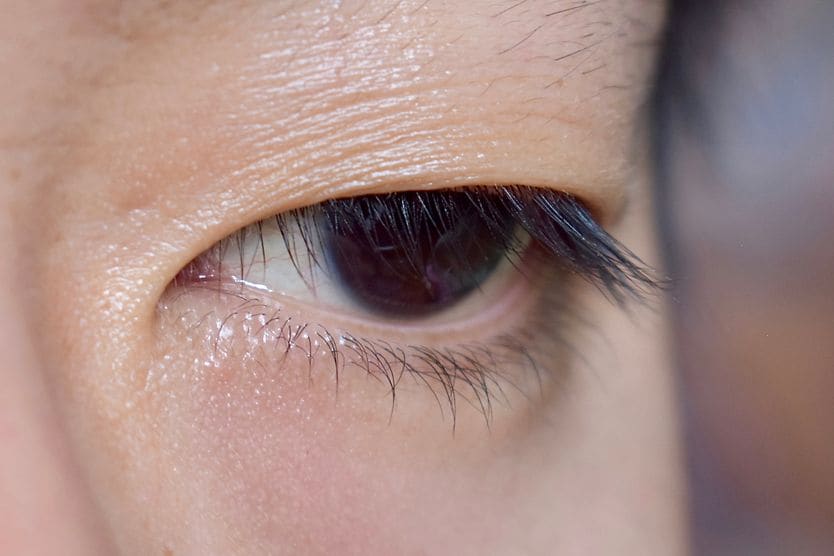
Double-eyelid blepharoplasty, which is often known as "Asian blepharoplasty," reshapes the skin around the eyes and creates a crease in eyelids that lack one.
Approximately half of people of Asian descent are born with monolids, or eyelids with no visible crease above the lash line.
Their eyelids lack the distinct fold across the upper lid that’s called the supratarsal crease, Matarasso says.
People of Asian descent often have a lower fold, and they also may have, more fatty tissue in that area, Matarasso adds. “One of the main goals of Asian eyelid surgery is to make a more distinct supratarsal crease.”
About the procedure: During Asian eyelid surgery, an incision is made in the upper eyelid and a small amount of skin, tissue and fat is removed. The incision line is hidden in the newly created eyelid crease.
By creating a larger opening between the upper and lower eyelids, the eyes typically become more visible.
Is eyelid surgery safe?
Like all surgeries, eyelid procedures carry a certain amount of risk.
Risks related to eyelid surgery include anesthesia issues, infection, pain that may persist, swelling, bruising and bleeding from incisions. Eyes may become dry and sensitive to the sun and other bright light.
Patients may also experience a temporary or permanent change in vision, with a rare chance of blindness.
Changes in skin sensation, scarring, and the need for revision surgery are other potential risks related to eyelid surgery.
READ NEXT: Pyogenic granuloma
How long is recovery from eyelid surgery?
Bruising and swelling following eyelid surgery typically peaks on the day after surgery. Cool compresses may be recommended to ease the bruising and swelling.
Recovery, meaning your return to normal activities, usually takes seven to 10 days following blepharoplasty, but your surgeon may give you a different timeframe. Most of the bruising and swelling after eyelid surgery typically fades within two weeks of the procedure.
How much does eyelid surgery cost?
The average cost of cosmetic eyelid surgery is often between $3,000 and $4,000, according to statistics from the American Society of Plastic Surgeons.
The actual cost of blepharoplasty varies widely. There will likely be separate fees for anesthesia, operating room facilities or other related expenses.
Your cosmetic eyelid surgeon’s fee also will vary, based on the type of procedure, your surgeon’s experience and where you live.
How do I find an eyelid surgeon?
Choosing a cosmetic surgeon with extensive experience in the specific procedure you are interested in may help reduce the risk of complications and increase the chances of a result you're satisfied with.
Check, too, for any board certification from plastic or cosmetic surgeon professional associations.
READ NEXT: Canthoplasty (cat-eye surgery)
On this page:
What is eyelid surgery?
Types of eyelid surgery
Is eyelid surgery safe?
How do I find an eyelid surgeon?
On this page:
What is eyelid surgery?
Types of eyelid surgery
Is eyelid surgery safe?
How do I find an eyelid surgeon?