What causes puffy eyes and how do you get rid of them?

On this page
What does "puffy eyes" mean?
What causes puffy eyes?
Do puffy eyes mean I have a medical condition?
How to get rid of puffy eyes
When to see an eye doctor
On this page
What does "puffy eyes" mean?
What causes puffy eyes?
Do puffy eyes mean I have a medical condition?
How to get rid of puffy eyes
When to see an eye doctor
What does "puffy eyes" mean?
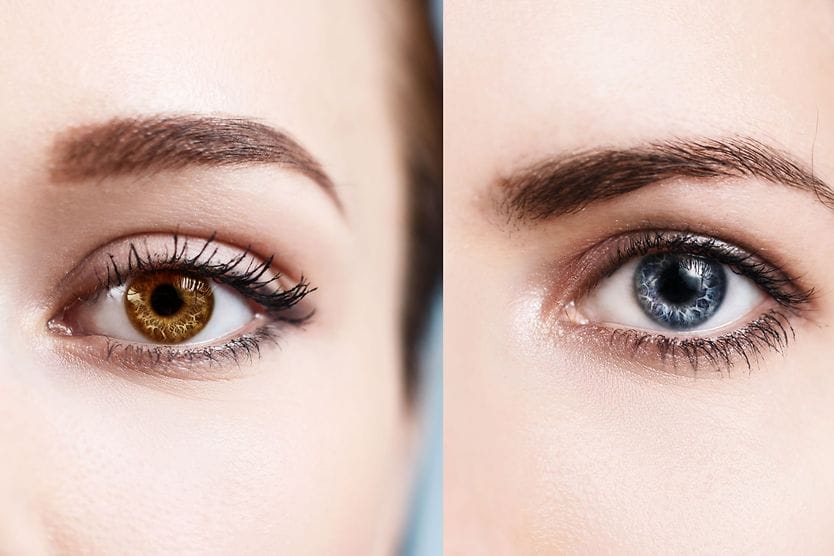
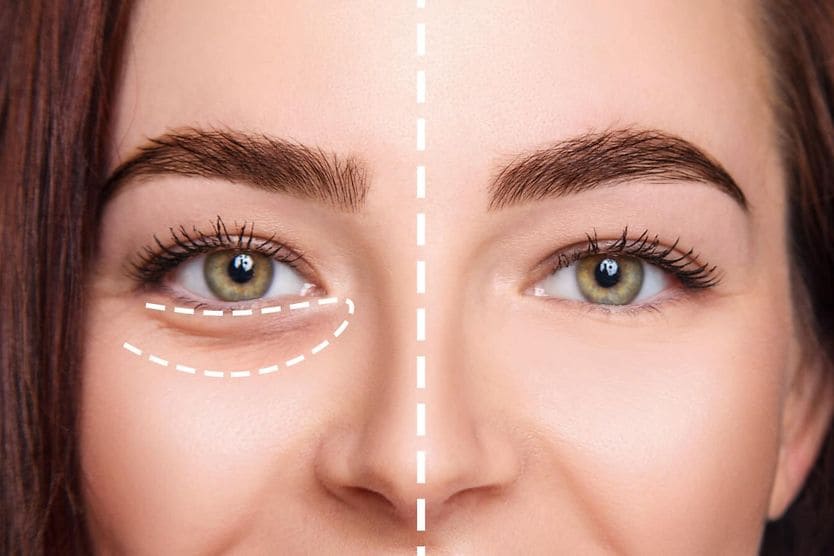
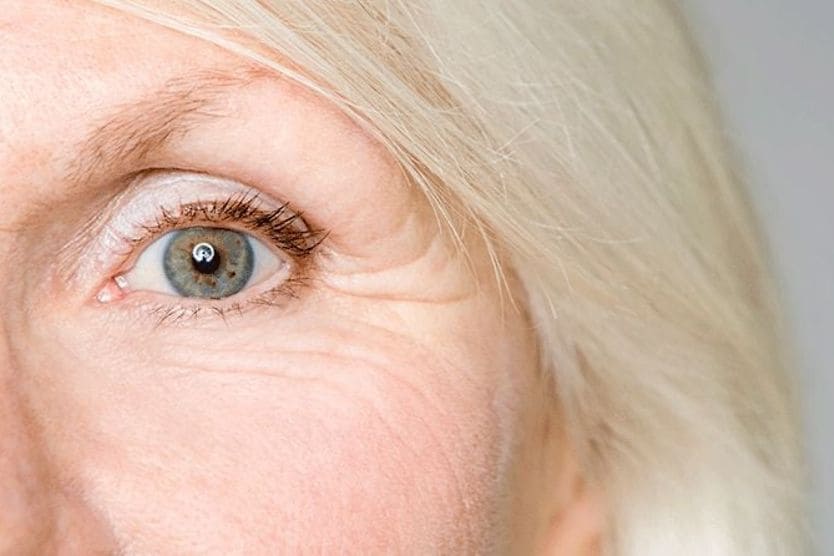
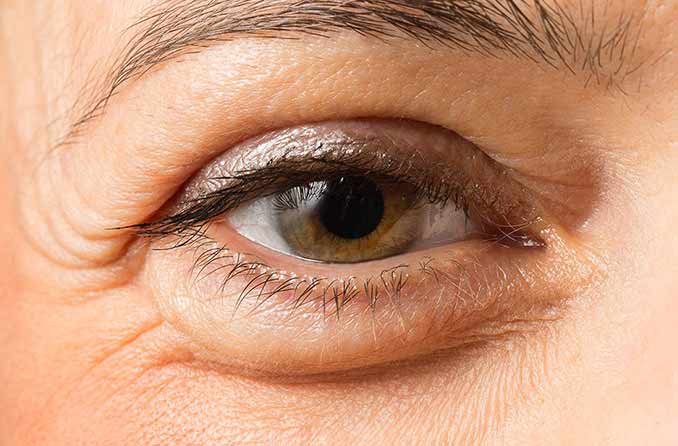
Periorbital puffiness, or what we commonly refer to as “puffy eyes” or “eye bags,” are when the area around your eyes looks slightly swollen or "full" for a while. It's often more noticeable under the eyes. Things like crying, not getting enough sleep and genetics can all contribute.
This periorbital edema, or puffiness around your eyes, can last anywhere from a few minutes to a day or so. It can come and go, depending on your body and daily habits.
Puffy eyes are common and usually aren't a sign of a problem with your health or eyes.
Puffy eyes vs. eye bags and dark circles
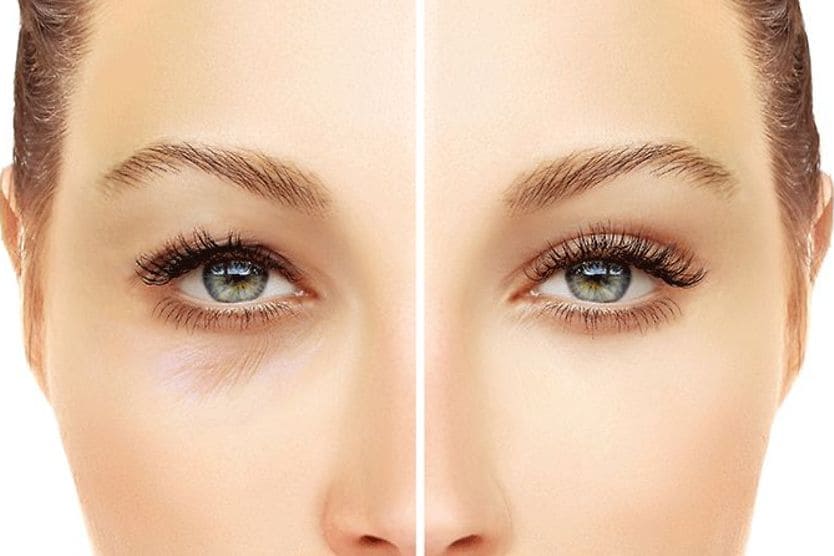
Some people call puffy eyes "dark circles" or "bags under their eyes," but these can be slightly different things. They can happen at the same time, though.
The term "eye bags" can refer to temporary puffiness, but it's often used to specifically describe sagging or bulging skin that naturally develops under the eyes with age.
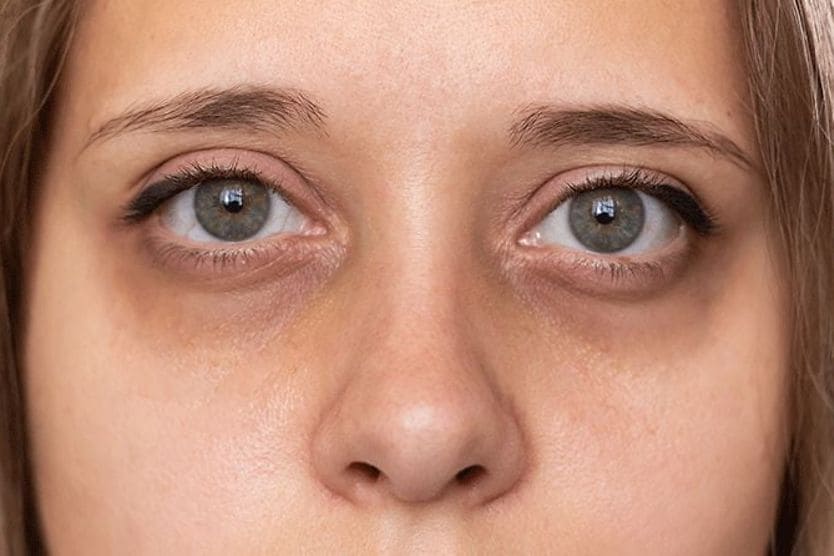
Having dark circles means the skin around your eyes (mostly under) looks noticeably darker. This can happen with or without puffiness.
Puffy eyes vs. swollen eyelids
Regular eye puffiness usually affects both eyes. But truly swollen eyelids can happen in one eye or both, and they may last longer than a day.
This kind of swelling is more likely to be related to a separate medical problem. See an eye doctor if you have noticeable swelling, pain, a lot of redness, blurry vision or other symptoms.
What causes puffy eyes?
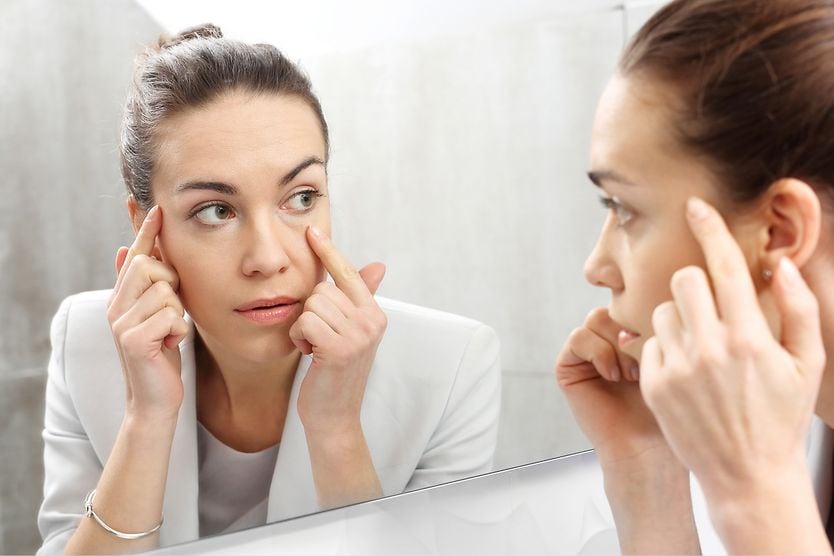
Eye puffiness happens when fluid builds up in the skin tissue around and under your eyes. This tissue is thin and sensitive, so even a little puffiness can seem noticeable when you look in the mirror.
One or more things can work together to cause puffy eyes.
Common causes of puffy eyes:
- Fatigue or lack of sleep
- Allergies
- Eating a lot of salty food
- Stress
- Dehydration
- Crying
- Smoking
- Drinking alcohol
- Aging
- Inherited facial features
Why are my eyes puffy in the morning?
Morning eye puffiness usually happens because fluid builds up in the tissues around your eyes while you sleep. This is more common with age when the skin and tissues around the eyes get less flexible.
Blinking and moving while you're awake and your head is upright helps the fluid around your eyes circulate. But when you lie down with your eyes closed for several hours, the fluid can build up in the under-eye area and increase your risk of looking puffy.
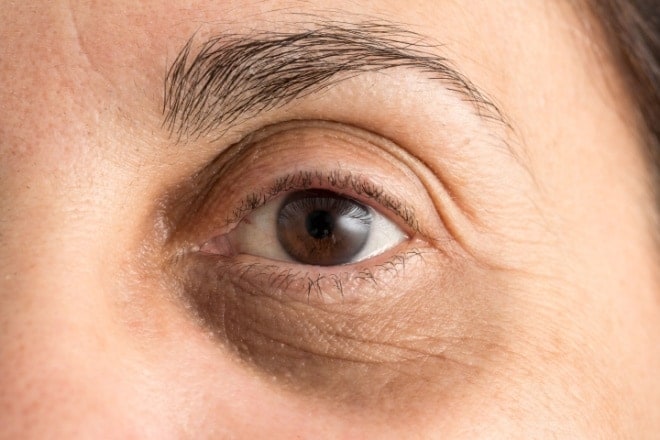
When you wake up and start blinking while sitting or standing, the fluid drains again and your eyes look less puffy. Some puffiness can last for a few hours, but it's different for each person.
Some people find that sleeping with their head slightly elevated or drinking less water before bed helps reduce morning puffiness.
SEE RELATED: Why is my vision blurry in the morning?
Do puffy eyes mean I have a medical condition?
Puffy eyes usually aren't a sign of any eye or health problem. Most of the time, they're related to things in your everyday life. They can also be influenced by your genetics and age, but that doesn't mean anything is wrong.
Less commonly, puffiness could be related to a problem that affects your sleep (like sleep apnea) or another important part of your overall health.
Your doctor can look into these and other concerns if you feel your eyes are starting to look puffy more often.
When eye puffiness looks more swollen
If puffy eyelids are noticeably swollen, red or uncomfortable, it could be a sign of a medical issue.
Common medical conditions associated with puffy eyes:
- Eye allergies
- Insect bites
- Trauma
- Blepharitis
- Demodex blepharitis
- Pink eye or other eye infections
- Stye (hordeolum)
- Chalazion
- Eyelid infection, such as preseptal cellulitis
- Dry eye flare-up
- Corneal ulcer
Schedule an eye exam if you're not sure whether you have puffy eyes or swollen eyelids. Your eye doctor can tell the difference between the two and recommend more testing or treatment if needed.
Less commonly, swelling around your eye can be a symptom of a medical condition.
Other medical conditions associated with puffy eyes:
- Thyroid eye disease (TED)
- Kidney or other systemic diseases
- Tickborne diseases
- Infectious diseases like Epstein-Barr Virus (EBV)
- Orbital cellulitis (a rare but serious infection around your eye)
- Orbital fat prolapse (a benign condition with primarily cosmetic complaints)
Talk to an eye doctor right away if you have severe swelling, redness, pain or other concerning eye symptoms.
How to get rid of puffy eyes
The optimal way to avoid puffy eyes is to find out why it's happening. Depending on the cause, you may be able to make lifestyle changes to reduce or prevent under-eye bags and to get rid of the puffiness around your eyes.
Effective home remedies for puffy eyes may include
- Get enough quality sleep.
- Reduce the salt in your diet.
- Eat a healthy diet with plenty of antioxidants.
- Sleep with your head slightly elevated.
- Stay hydrated, but limit how much water you drink before bedtime.
- Take steps to control any seasonal or environmental allergies.
- Avoid rubbing your eyes.
- Manage stress where you can.
- Limit how much alcohol you drink (especially before bed).
- Quit smoking.
- Use gentle moisturizers, eye makeup and other products that don't irritate the eye area.
- Cold compress therapy, like placing chilled cucumber slices, tea bags or a damp washcloth over your eyes.
If your puffiness is caused by changes in the skin or fat under or above the eyes (eye bags), it may not be possible to get rid of them completely with lifestyle changes alone.
Medical treatments
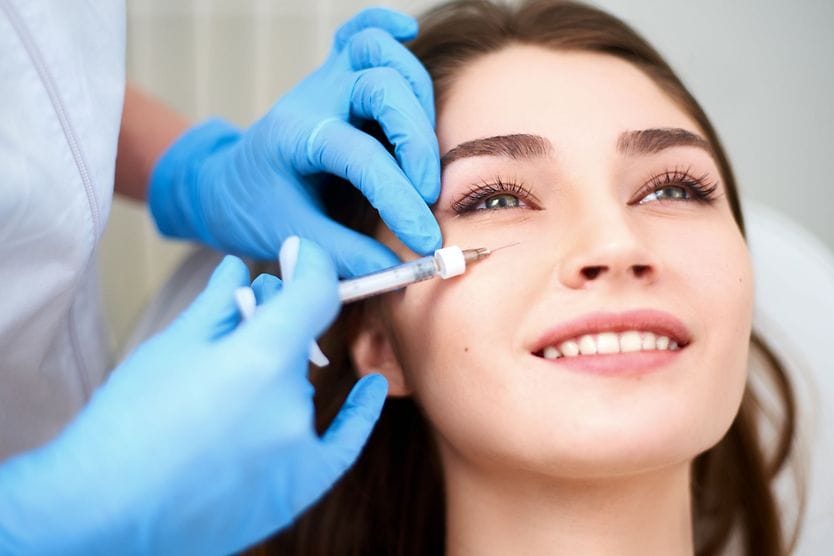
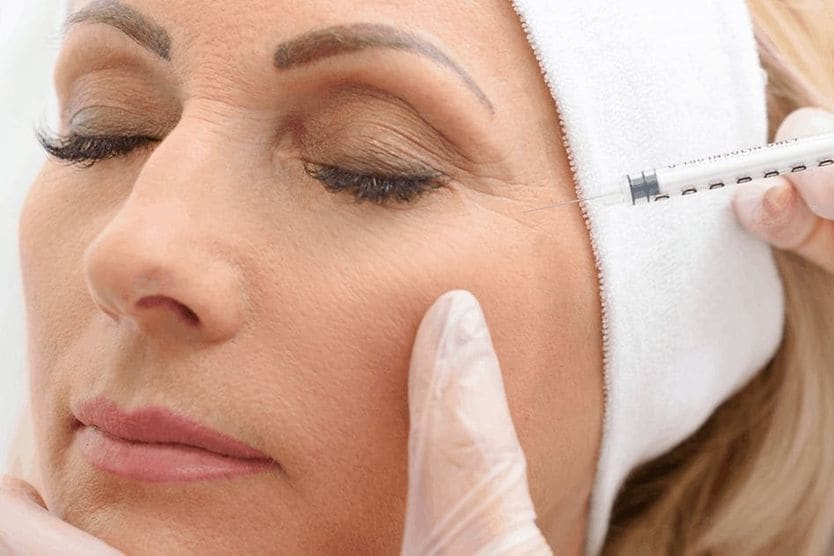
While you probably won't need medical treatment for puffiness or eye bags, some people use options like these to improve the appearance of bags under their eyes.
Non-surgical treatments for puffy eyes may include:
- Under-eye filler
- Chemical peels
- Topical hyaluronic acid
- Laser treatments
Surgical treatments for puffy eyes:
- Lower eyelid lift (lower blepharoplasty)
- Orbital fat prolapse surgery
- Platelet-rich plasma (PRP) injections
Talk to an oculoplastic surgeon, plastic surgeon or dermatologist if you're considering these or other treatments.
Hemorrhoid cream and other "hacks"
While some people say they've had success with puffiness remedies like hemorrhoid cream, it is recommended to avoid using unapproved treatments near your eyes unless your doctor says it's okay.
Products like these can irritate or injure your eyes and could interact with other medicines. Your doctor can help you consider safe, proven options.
When to see an eye doctor
Puffy eyes are rarely serious, but they can be related to lifestyle factors that can affect your overall health, like poor sleep or high salt intake.
Puffy eyelids can also look similar to swollen eyelids, which are often caused by a medical issue. Talk to an eye doctor if:
- The swelling doesn't improve within a day or gets worse.
- You only have puffy eyelids on one eye.
- You have noticeable eyelid redness or pain, or your eyelid feels hot to the touch.
- Your eyelid is drooping or it's hard to keep your eyes open.
- You notice changes in your vision.
- The eye itself is painful or bloodshot.
Your doctor can decide whether your symptoms are related to an underlying problem and help you find effective treatment options.
On this page:
What does "puffy eyes" mean?
What causes puffy eyes?
Do puffy eyes mean I have a medical condition?
How to get rid of puffy eyes
When to see an eye doctor
On this page:
What does "puffy eyes" mean?
What causes puffy eyes?
Do puffy eyes mean I have a medical condition?
How to get rid of puffy eyes
When to see an eye doctor