Why it's bad to rub your eyes


Why is rubbing your eyes harmful?
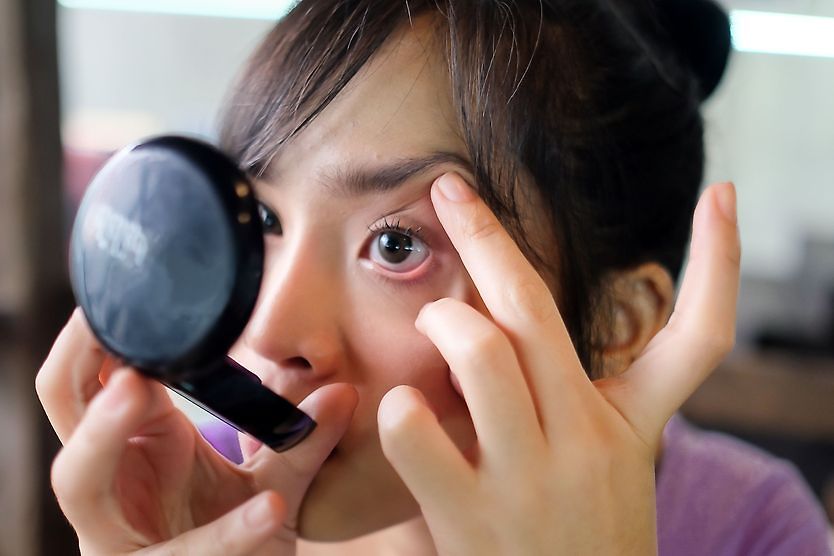
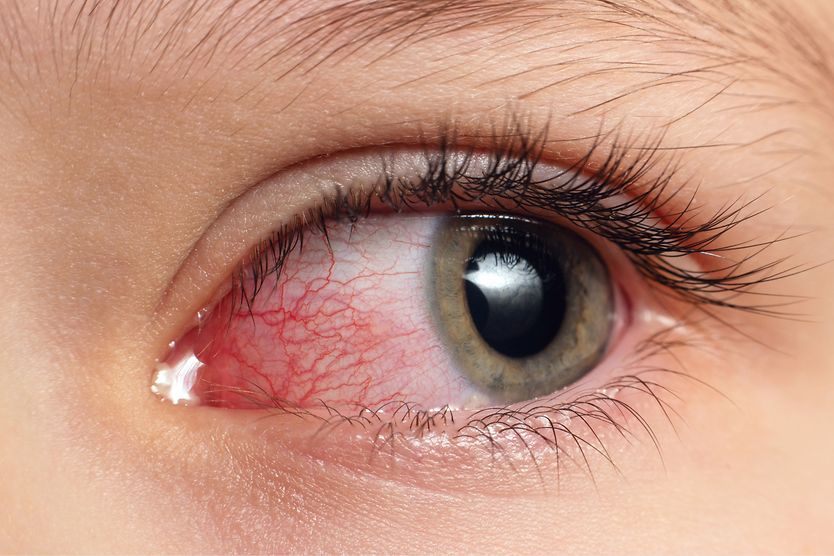
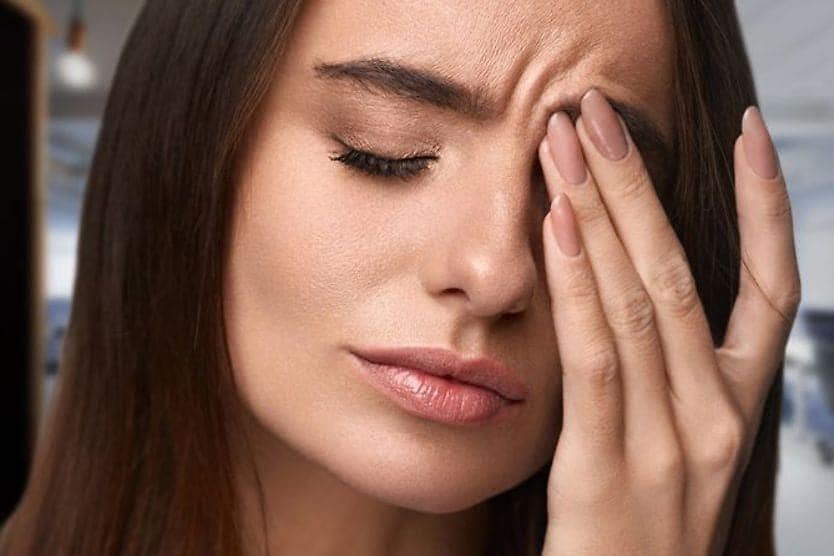
Besides cosmetic, safety and hygiene-related risks, rubbing your eyes frequently can lead to serious problems that may affect your sight.
To understand why frequent eye rubbing can be harmful, let’s start with a bit of information on the eye’s structure.
Collagen makes up the support structure for the eye, including the cornea and sclera (the outer layer and whites of the eyes). Whenever you press on your eye and rub, the collagen stretches inward. When you let go, it stretches back out.
Ophthalmologist Dr. Vance Thompson warns that much like a paper clip, the cornea can be bent out of shape and weakened.
“When you bend metal back and forth multiple times, it fatigues and then it snaps,” Dr. Thompson explains. “Although the cornea doesn’t snap, it starts to fatigue and bulge, and a number of negative things can happen.”
Besides damaging the structure of the eye, frequent eye rubbing can create other issues, including:
- Cosmetic: Excessive eye rubbing can create dark circles and wrinkles around the eyes.
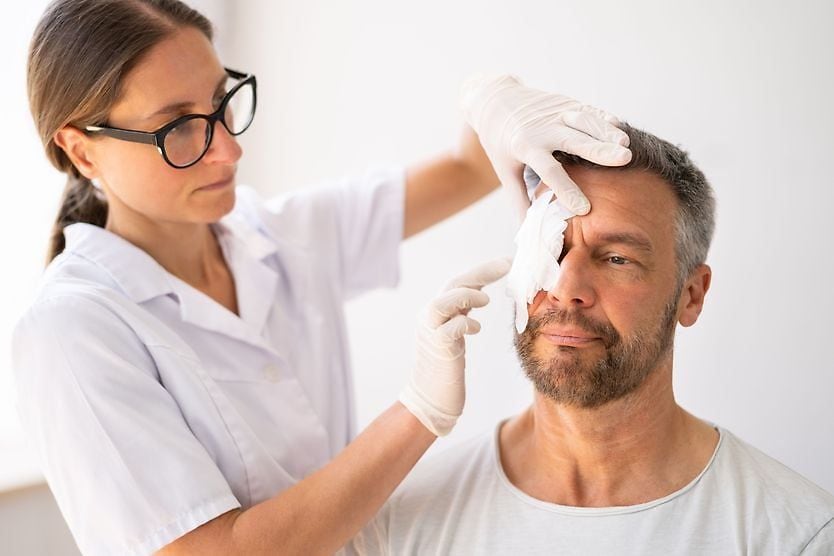
- Safety: If you have something in your eye, rubbing can inflict more damage — it’s better to let tears naturally flush out the irritant.
- Hygiene: Your hands have more bacteria than any other body part, so sticking a germy finger on your eye should be avoided.
HAS YOUR EYESIGHT WORSENED? Find an eye doctor near you and book a comprehensive eye exam.
How can rubbing your eyes damage them?
A common condition caused by eye rubbing is keratoconus, a structural abnormality of the cornea that causes poor vision. The shape of the cornea typically causes irregular astigmatism, which often cannot be corrected by glasses or contact lenses in its advanced stages.
“The shape causes irregular astigmatism, which cannot be corrected by glasses or even contact lenses in its severe stages,” Dr. Mark Mifflin, professor of ophthalmology at the University of Utah, said on the university's The Scope radio segment.
Normally, gas permeable contact lenses are a temporary solution for patients to correct the effects of keratoconus. But because gas-permeable lenses can be uncomfortable, many patients consider corneal transplant. The procedure, although often successful, comes with potential risks and complications that may negatively affect your sight.
Keratoconus isn’t the only problem you can create by frequent eye rubbing. It may also worsen existing refractive errors like myopia and glaucoma.
“Every time you push on your eye, you’re raising your eye pressure, so if you have glaucoma problems, you raise your eye pressure significantly by rubbing them,” Dr. Thompson says.
“Also, since you’re compressing your eye then letting it go and decompressing it very quickly, it disturbs the vitreous gel inside the eye, which may cause retina problems.”
Why do we see lights when we rub our eyes?
If you’ve ever rubbed your eyes too hard chances are you’ve seen floating stars or flashes of color called phosphenes.
Here is what's going on:
According to Dr. Thompson, when you rub your eyes too hard, you raise the pressure in your eyes and affect the blood flow. The pressure triggers retinal signals the same way light does, but since your brain doesn’t know the difference, it activates the color changes or flashes as if they were coming from outside stimuli.
Phosphenes go away once you quit rubbing your eye, but the heightened eye pressure you caused stresses the retina and, in some cases, may lead to a retinal tear or detachment.
Why does it feel good to rub your eyes?
How can something so bad feel so good?
Dr. Thompson explains it this way: “In your eyelids there are Meibomian glands that produce what is kind of like the olive oil secretion of our eye. It’s a comfortable fluid in the tear film that adds moisture and protects tears from evaporating."
“You can release more tears like this with eye rubbing, which is why it can make the eye feel good,” he adds.
If you regularly experience dry eyes, and you’re rubbing them to create moisture, see an eye doctor. Many dry eye treatments are available that won’t run the risk of damaging your corneas.
Is there a safe way to rub your eyes?
Pressure is the issue with eye rubbing. Whenever touching your eyes, do it gently.
The amount of pressure needed to gently wash or dry one’s face with a washcloth is the suitable level of pressure for rubbing one’s eyes.
Anything more than that probably isn’t good for the eye.
If you rub your eyes often, what should you do?
If you often rub your eyes, you should try to determine and resolve the cause.
Digital eye strain can result from too much screen time, causing eye fatigue, which may prompt you to rub them. If that's the case, consider taking regular breaks from the computer or getting an eye exam to check whether you need a new vision prescription.
If you rub your eyes during allergy season, it may be due to exposure to an allergy trigger. Consider reducing allergy symptoms by avoiding known triggers or taking antihistamines to help minimize the itchiness and the urge to rub your eyes.
Allergic conjunctivitis may also lead someone to rub their eyes, which can be dangerous. One study reports that allergic conjunctivitis increases a person’s chance of corneal deformation by 37%, due to the itchiness (and subsequent eye rubbing) caused by the condition.
Rubbing your eyes releases histamine, so even though the rubbing feels good in the moment, it actually makes the itching worse, which can lead to more aggressive rubbing of one’s eyes.
“It’s kind of like scratching a mosquito bite: Next time, you have to rub your eye harder,” Dr. Thompson says. “Don’t think that the only thing you can do is itch your eyes. You can treat the cause.”
Eye rubbing, although it feels great, isn’t worth the risk of damaging your eyes or your sight.
DO YOU RUB YOUR EYES OFTEN? Find an eye doctor near you and book an eye exam. You may need glasses, contact lenses or a new vision prescription.