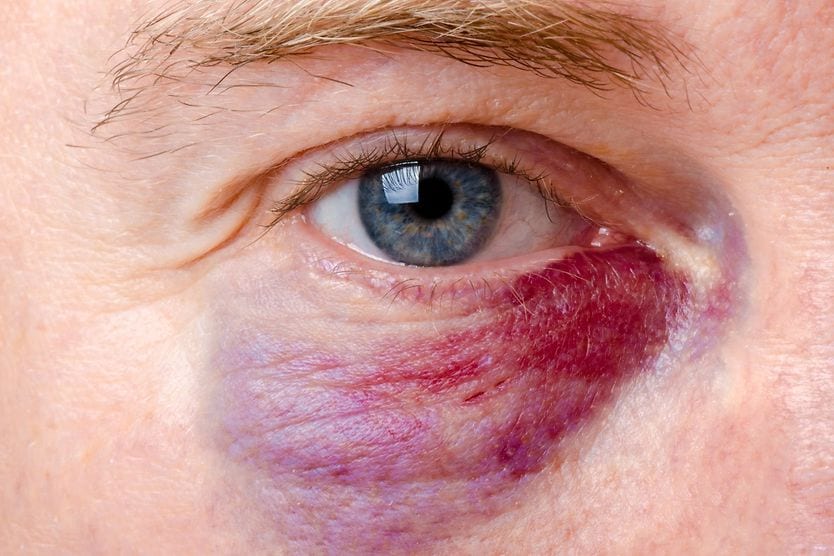
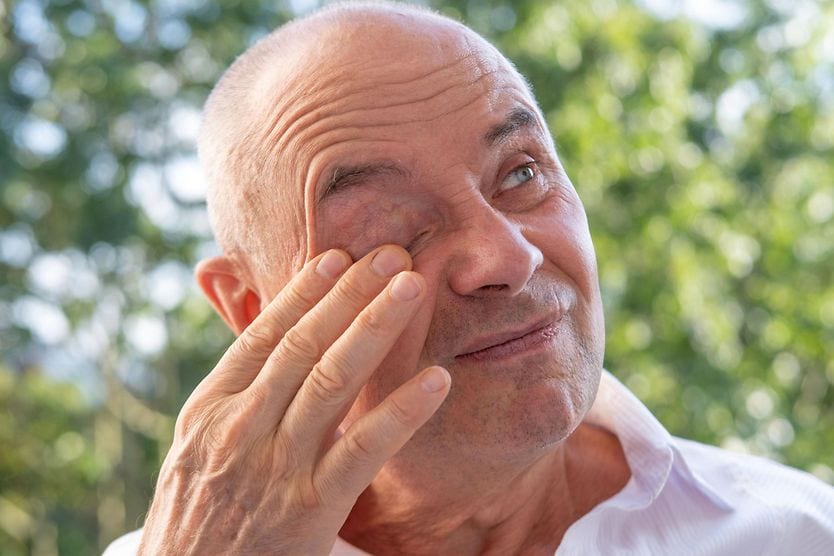
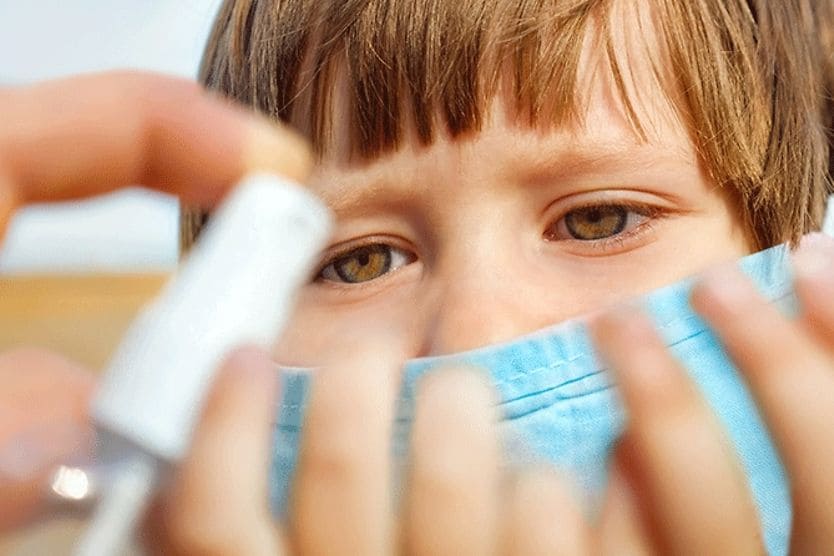
7 common eye injuries and how to treat them


Common eye injuries
Some of the most common causes of eye injuries are blunt trauma, flying debris and just getting poked in the eye. Eyes can also easily be injured by household and workplace chemicals. Thermal and UV burns are common in activities such as welding and playing with fireworks without safety glasses.
Read on to learn more about:
Seven of the most common types of eye injuries
How to recognize symptoms of eye injuries
Some eye injury first aid, treatment and management basics
1. Scratched eye (corneal abrasion)
Common causes of scratches to the eye's surface may include getting poked in the eye or rubbing the eye when a foreign body is present, such as dust or sand. Scratches of the eye can be to the cornea (corneal abrasions) or the conjunctiva (conjunctival lacerations). A corneal abrasion is more likely to affect your vision and could be more painful than a conjunctival laceration. However, both need to be treated.
Eye lacerations are cuts that are deeper than abrasions. They can happen if something sharp hits your eye or if you get hit in the eye really hard. Eye lacerations usually require emergency care. Don't hesitate to visit an eye doctor immediately if you experience a cut to your eye.
If you know something has scratched your eye, it's very important to see your eye doctor or an emergency room or urgent care center to seek treatment for your eye injury.
Scratches can also make your eye susceptible to infection from bacteria or fungus. Certain types of bacteria and fungi could infect the eye through a scratch and cause serious harm in as little as 24 hours. Even visual impairment or blindness could result. This is especially true if whatever scratched your eye is dirty or contaminated.
Remember that infections from eye scratches can originate from unexpected sources, such as a tree branch or a baby's fingernails.
If you have a scratched eye, don't rub it. And it is not recommended to patch your eye, either. Bacteria like to grow in dark, warm places, and a patch might provide the ideal environment. Simply keep your eye closed or loosely tape a paper cup or eye shield over it. See your doctor as soon as possible to check out this type of eye injury.
2. Penetrating or foreign objects in the eye
If a foreign object, such as a flying piece of metal or a fish hook, penetrates your eye, do not try to remove the object yourself. You could cause even more injury to your eye if you attempt to remove the object or if you rub your eye.
If possible, try loosely taping a paper cup or eye shield over your eye for protection, then see your eye doctor, emergency room, or an urgent care center immediately for medical help.
You may also have corneal foreign bodies in your eye. These are small, sharp pieces of a substance (usually metal or wood) that have become embedded in the eye's surface (the cornea) but they have not penetrated into the interior of the eye.
Metal foreign bodies can quickly form a rust ring and a significant corneal scar. Your eye doctor can remove these foreign bodies as soon as possible.
3. Caustic foreign substance in the eye (chemical burn)
Getting unexpectedly splashed or sprayed in the eye by substances other than clean, harmless water can be scary. Some substances burn or sting but are fairly harmless in the long run, while others can cause serious injury. The basic makeup of the chemical involved can make a lot of difference. For example:
Acid – As a general rule, acids can cause considerable redness and burning but can be washed out fairly easily. Some examples of household acids include toilet bowl cleaner, some tile cleaners and car batteries.
Alkali – Substances or chemicals that are basic (alkali) are much more serious but may not seem so because they don't cause as much immediate eye pain or redness as acids. Some examples of alkali substances are oven cleaners, drain cleaners and ammonia.
Chemical exposures and burns are usually caused by a splash of liquid getting in your eye. But they can be caused in other ways as well, such as by rubbing your eyes when you have a chemical on your hands or by getting sprayed in the eye by hairspray or other aerosols.
If you get a chemical in your eye, put your head under a steady stream of barely warm tap water for at least 30 minutes. Just let the water run into your eye and down your face.
Then call your eye doctor, emergency room or urgent care center to see what they recommend for your eye injury. Tell the person on the phone exactly what kind of substance got into your eye and what you've done about it so far.
If you know your eye is at risk because it's extraordinarily red, painful or your vision is blurry, go immediately to your eye doctor, an emergency room or urgent care center after you've rinsed it with water. You can put a cool, moist compress or an ice pack on your eye, but don't rub it.
Depending on the substance, the effects of eye injuries caused by chemical exposure can range from minor irritation and red eyes to serious eye damage and possibly visual impairment to blindness.
READ MORE: Chemical eye burns
4. Subconjunctival hemorrhages (eye bleeding)
This eye injury usually looks worse than it really is. A subconjunctival hemorrhage involves leakage of blood from one or more breaks in a blood vessel between the white of the eye (the sclera) and its clear covering (the conjunctiva).
Subconjunctival hemorrhages are quite common and can occur from even minor injury to the eye. They may be limited to a small sector of the eye, or they can extend over the entire eye, making the white sclera appear bright red.
A subconjunctival hemorrhage is often painless and does not cause temporary or permanent vision loss. No treatment is required. Over the course of several weeks, the blood will clear and the eye will return to a normal appearance.
5. Blunt eye trauma
Blunt injuries can result from being struck in the eye, such as with a fist or a baseball moving at a high speed. Blunt eye trauma can range from mild to severe.
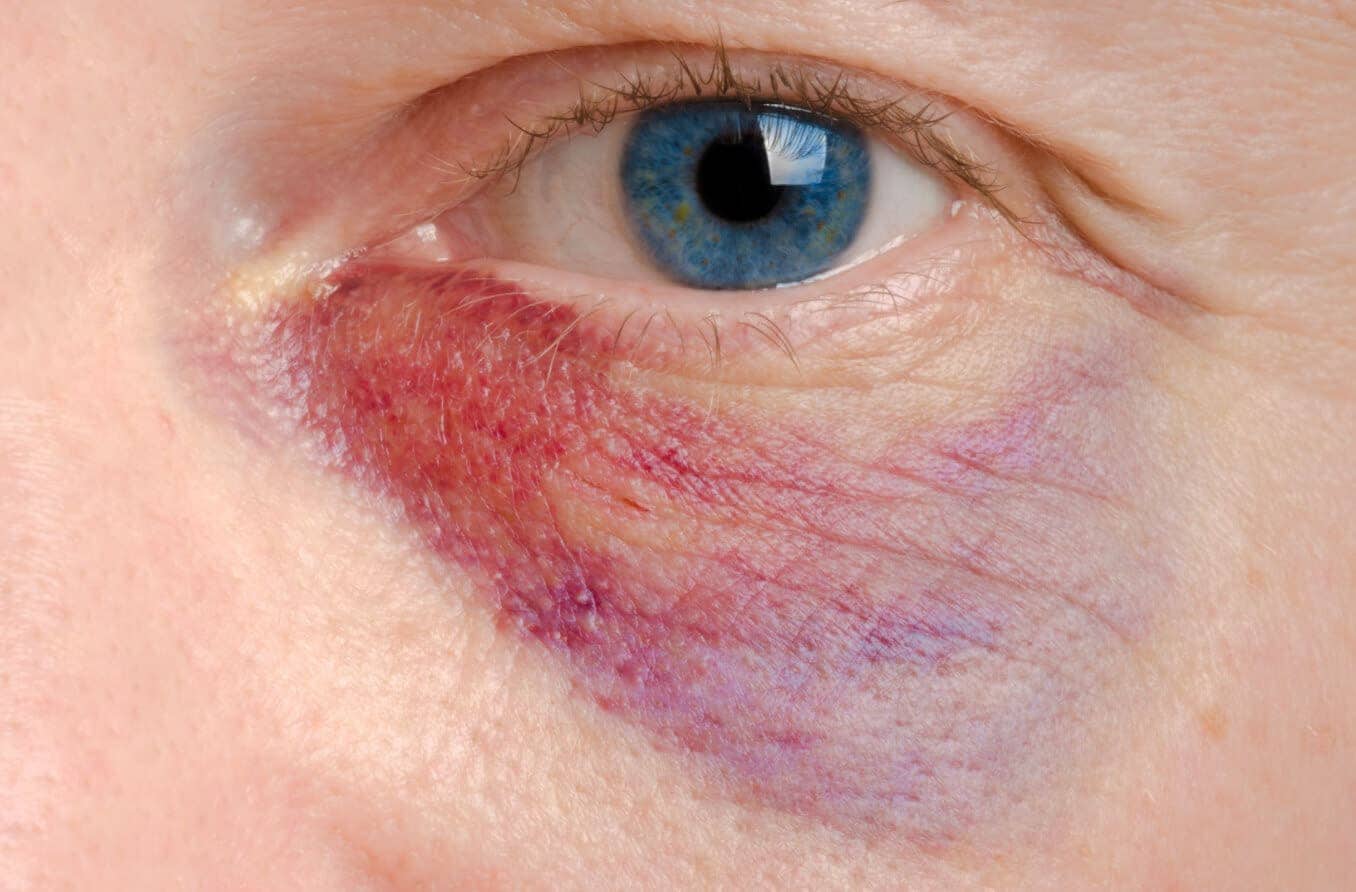
The best immediate treatment for this type of eye injury is an ice pack.
You may have a simple black eye (bruising around the eye), as well as eye swelling and puffy, swollen eyelids. However, you should see an eye doctor within a couple of hours to make sure there's no internal damage.
For example, even injuries that seem minor can raise the pressure inside the eye and lead to angle-closure glaucoma or other types of traumatic glaucoma. A blunt eye injury could also cause commotio retinae or a retinal detachment or tear.
6. Traumatic iritis
Traumatic iritis is inflammation of the colored part of the eye (the iris) that occurs after an eye injury. Traumatic iritis can be caused by a poke in the eye or a blow to the eye from a blunt object, such as a ball or a hand.
If you have traumatic iritis, your eye might feel achy, and you might feel more sensitive to light. You may also notice vision changes or an increase in eye floaters.
Traumatic iritis usually requires prompt medical treatment from your eye doctor. Even with treatment, there is a risk of permanently decreased vision.
7. Hyphemas and orbital blowout fractures
A hyphema (high-FEE-mah) is bleeding in the anterior chamber of the eye, the space between the cornea and the iris. In some cases, there may be enough blood to block the pupil and your vision. Unlike a subconjunctival hemorrhage, a hyphema is painful.
Orbital blowout fractures are cracks or breaks in the facial bones surrounding the eye. They are the most common fractures of orbital bones, usually along the thin floor or inner wall of the orbit.
Hyphemas and blowout fractures are serious eye injuries and medical emergencies. They are caused by significant blunt force trauma to the eye and face, such as getting hit by a bat, baseball, hockey stick or puck, or getting kicked in the face.
Seek your eye doctor, emergency room, or an urgent care center immediately for medical help. They may refer you to a range of eye specialists such as cornea, glaucoma, retina and oculoplastic (trained to perform plastic, orbital, and eyelid surgeries) depending on the severity of the eye injury.
Steps to take in case of eye injury
The appropriate first aid for eye injuries depends on the type and severity of the injury. If you have any eye injury, contact your eye doctor immediately for advice. They have emergency contact numbers for injuries that occur outside normal business hours.
In certain extreme situations, such as a penetrating eye injury or an eye knocked out of the socket, it may be better to get to the eye doctor or hospital immediately without taking the time to try calling anyone.
Once you are in the care of a doctor, be sure to mention if you wear contact lenses so you can be advised whether to leave them in or remove them.
Management of eye injuries may include flushing the eye with water or saline solution, applying a cold compress, using prescription eye drops or ointments, and protecting the eye while it heals.
For injuries such as an eye poke that can lead to a corneal abrasion or tear, treatment may include lubricating or antibiotic eye drops, pain medication or a protective eye shield. In more serious situations, you may need surgery or long-term care for eye injuries.
The time it takes for an eye injury to heal can vary. Minor injuries may heal within a few days, while more serious injuries can take several weeks or longer.
Treat all eye injuries as potential emergencies and never hesitate to contact or see an eye doctor immediately. Don't take risks with your eyesight. Remember, you have only one pair of eyes.
Protecting your vision from eye injuries
Eye safety and prevention strategies can go a long way toward protecting your vision. Eye injuries are one of the top causes of preventable vision loss and blindness. Serious eye injuries can happen at work, during sports and outdoor activities, or even just while doing chores around the house.
However, only about 2% of serious eye injuries happen to people who are using protective eyewear. The appropriate ways to protect your vision are to use safety eyewear and to seek medical help as soon as you can after an eye injury occurs.