Everything you need to know about daily contact lenses

What are daily contact lenses (daily disposable contacts)?
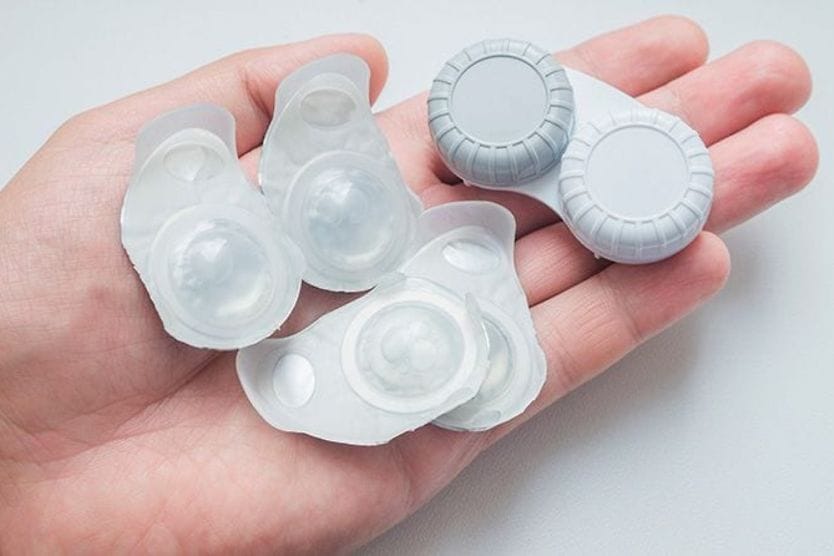
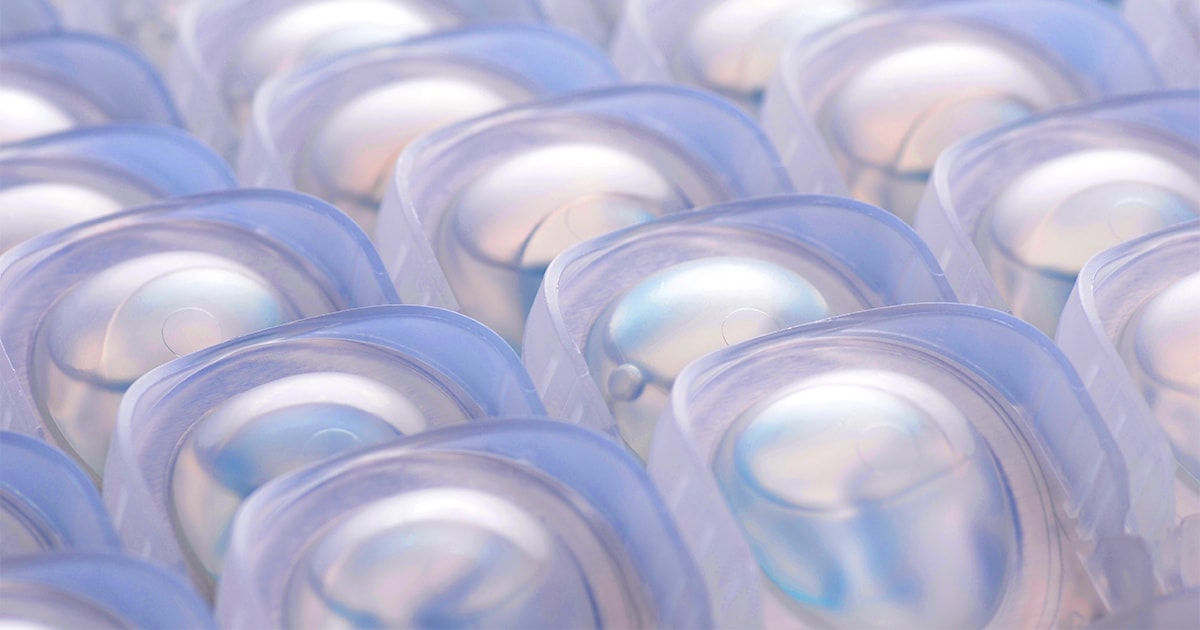
Daily disposable contact lenses are soft contacts you wear for one day and toss before bed. Each morning starts with a brand new pair, with no cleaning or storing needed. They are made for single use only. Even if they still feel fine, daily contacts are not designed to be worn again.
All contact lenses are regulated medical devices in the U.S., including cosmetic lenses that do not correct vision. Because of this, federal law requires a valid prescription, along with a professional eye exam and proper fitting, before you can buy or wear daily disposable contacts.
Who might benefit from daily contacts?
Daily contact lenses can be an ideal option for people who notice changes in comfort or eye health with reusable lenses. They are often recommended for people who are sensitive to wearing lenses or have had irritation before. This includes those who experience:
- Allergies
- Dry eye symptoms
- Current or recurring giant papillary conjunctivitis (GPC)
- Other frequent eye infections or a history of being infection-prone
Daily disposables often work well for kids, teens, athletes and those who only wear contacts sometimes and don’t want the hassle of cleaning and storing lenses.
With a comprehensive eye exam, factors such as age, health, current medications and eye surface conditions should be reviewed during a contact lens fitting exam. These details help eye care professionals determine whether daily disposable contact lenses are an appropriate and comfortable choice over time.
Types of daily contact lenses available
Daily disposable contact lenses come in various designs to meet different vision needs. Some help with basic distance correction. Others handle more complex prescriptions. Options now include lenses for astigmatism (sometimes referred to as “toric”), presbyopia (also called “multifocal”) and eye color enhancement, giving many people the ability to wear single-use contacts comfortably and safely.
Daily contacts for nearsightedness and farsightedness
Many brands of daily disposable lenses come in standard single-vision designs that correct nearsightedness (myopia) and farsightedness (hyperopia). These soft lenses use hydrogel or silicone hydrogel. Silicone hydrogel lets more oxygen through and is now popular in newer designs.
Daily contacts for astigmatism
Daily disposable contact lenses for astigmatism are available in several designs, including toric lenses that help keep vision stable throughout the day. Many options are made from silicone hydrogel.
Alongside standard toric designs, some daily lenses also focus on moisture and surface technologies. This can help people with astigmatism who experience eye dryness.
Daily contacts for presbyopia
Daily disposable multifocal lenses address presbyopia, the age-related condition that makes focusing on close objects harder. Newer designs may include an extended range of focus and a combined toric option. This feature helps people see more clearly at near, intermediate and far distances.
Daily colored contacts
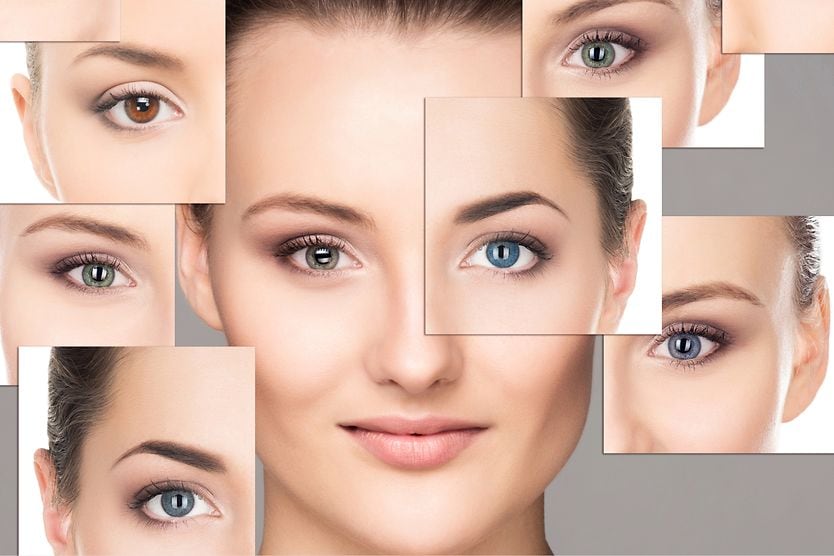
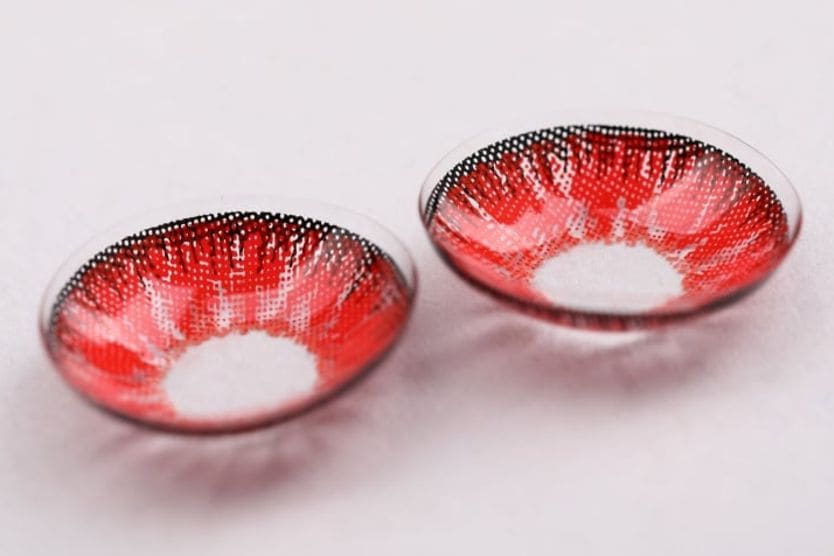
Colored daily contact lenses may help transform or enhance your eye color. They can be as convenient as other daily disposables. You could choose subtle enhancement tints that deepen your natural eye color or opaque tints that create a more noticeable color change.
Daily disposable colored lenses can be made with or without vision correction. You must have a contact lens prescription from an eye doctor to buy colored contact lenses. This is true, even if you don’t need vision correction.
How to choose the ideal type of daily contacts
Choosing daily contact lenses begins with an eye exam and a fitting for the lenses. An optometrist or ophthalmologist checks your eye health and vision needs. They also look at how lenses fit and move on your eyes. This helps them find safe and suitable options for you. Even if two lenses correct the same vision problem, they may not fit or perform the same way on your eyes.
It is also important to know that a contact lens prescription is different from a glasses prescription. Along with vision power, it includes details such as base curve, diameter and the specific brand or design of the lens. These measurements play a key role in comfort, eye health and visual quality. This is why you need more than a glasses prescription to get contact lenses.
Pros and cons of daily contacts
Daily disposable contact lenses come with clear advantages and a few trade-offs that are worth understanding before choosing a lens type. Reviewing these factors helps you know what to expect. It also leads to better discussions with your eye care professional.
Pros of dailies
Daily contacts are designed to simplify lens wear and reduce the amount of upkeep involved. Many of the benefits relate to starting each day with a clean lens and minimizing handling.
Common advantages include:
- Reduced deposit buildup on the lens surface
- Convenience with no cleaning solutions or storage cases
- Comfort for many wearers, including those with sensitive eyes
- Easy use for travel or occasional wear, since lenses can be worn only when needed
Cons of dailies
While daily lenses are convenient, they may not be the optimal choice for everyone. Cost, prescription availability and personal preferences all play a role.
Potential drawbacks include:
- Higher cost for people who wear contacts every day
- More limited prescription options than some reusable lenses
- Possible increased environmental impact due to single-use lenses and packaging
- Certain fit limitations, depending on eye shape and vision needs
How to use daily contact lenses safely
Following basic wear and handling rules with daily lenses is important to keeping your eyes healthy.
Safety guidelines to consider include:
- Wash your hands – It is important to have clean and dry hands before touching your lenses. A non-oily, antibacterial soap is recommended.
- Discard after one use – Daily contact lenses should be worn once and then discarded. Reusing them or attempting to store them increases the risk of irritation and infection.
- Remove before sleep – Daily contacts are not approved for overnight wear. Sleeping in them can raise the risk of eye complications.
- Keep away from water – Daily contacts should not come into contact with tap water, swimming pools or hot tubs. Water exposure is associated with rare but serious eye infections, including Acanthamoeba keratitis.
Alternatives to daily contacts
If daily disposable lenses are not the ideal option, other contact lens types are available. They have longer replacement schedules and different care needs, such as:
- Weekly or biweekly contacts – These lenses are worn during the day and can be reused for up to one or two weeks. Cleaning and storage are needed between each wear.
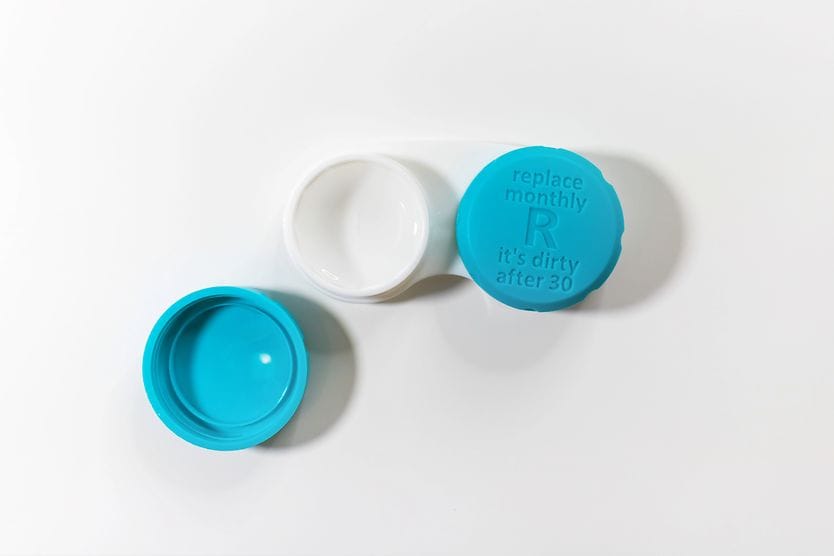
- Monthly contacts – Monthly lenses should be discarded and replaced about every 30 days. They must be removed, cleaned and stored each day.
- Extended wear contacts – These lenses are made for longer replacement schedules. They can be approved for overnight wear in some cases. Confirm details with an eye care professional.
LEARN MORE: Daily vs. monthly contacts
Are daily contacts ideal for you?
Daily disposable contacts work well for some people, but they are not ideal for everyone. Your prescription, eye health and how often you wear contacts all play a role. A complete eye exam and contact lens fitting are the only ways to see if daily lenses are safe for you.