Spotlight on Dr. Patricia Bath
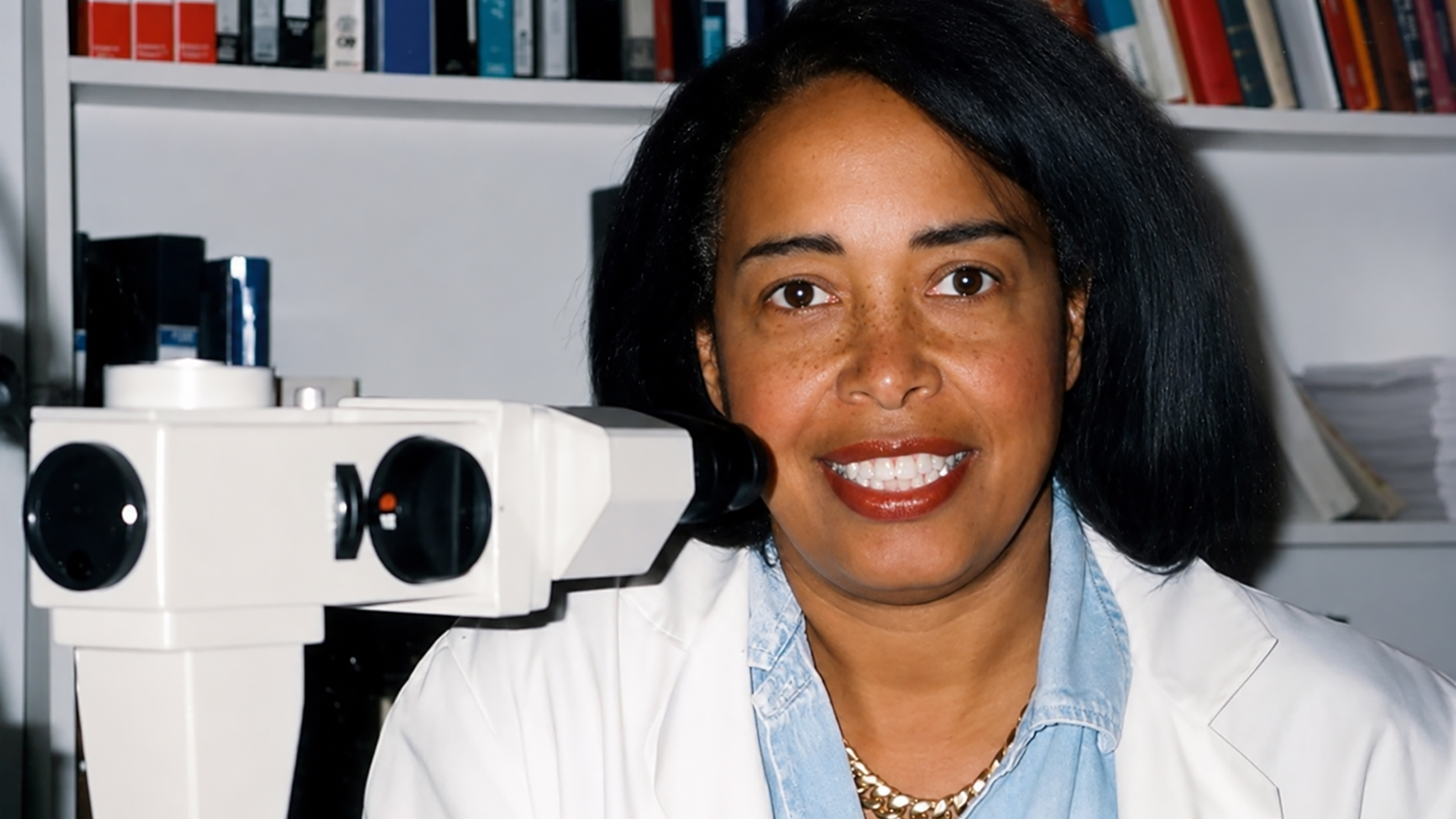
In celebration of Black History Month, it’s the perfect time to highlight Dr. Patricia Bath’s contributions to the field of ophthalmology and her passion for making eye care globally accessible. With more than 3.85 million cataract surgeries performed each year in the United States alone, we recognize her work to develop laser cataract treatment to help prevent blindness caused by the condition.
Who is Dr. Bath?
Patricia Era Bath was born in New York, New York, in 1942. In high school, she participated in a National Science Foundation summer research program at Yeshiva University. She studied the relationship between cancer, nutrition and stress, and through her studies, derived an equation that predicted future growth of cancer cells.
After high school, Dr. Bath studied chemistry and physics at Hunter College, then earned her medical degree from Howard University. From there, Dr. Bath interned for a year at Harlem Hospital before becoming the first African American to complete the ophthalmology residency at New York University.
During her time working as an intern in Harlem Hospital’s eye clinic, Dr. Bath noticed a significant prevalence of blindness among African Americans. She wanted to learn more, and without any funding (or the help of digitized records), she decided to study state blindness registries.
Through this painstaking research, Dr. Bath identified African Americans as 8 times more likely to have glaucoma, a condition that develops about a decade sooner in Black Americans than in other people. Primary open-angle glaucoma is also one of the leading causes of blindness among Black Americans, accounting for about 19% of blindness cases in the African American community.
Dr. Bath’s belief that eye care is a fundamental human right led her to create an approach she called community ophthalmology. The purpose was to promote eye health and blindness prevention through programs utilizing methodologies of public health, community medicine and ophthalmology. In other words, Dr. Bath wanted to make eye care available to everyone, not just those who could afford treatment.
Dr. Bath’s advancements in cataract treatment
Dr. Bath, who passed away in 2019, was an ophthalmologist, inventor and academic. She developed multiple patents in the treatment of cataracts, including:
- U.S. patent 4744360 (1988)– Apparatus for ablating and removing cataract lenses
- U.S. patent 5843071 (1998)– Method and apparatus for ablating and removing cataract lenses
- U.S. patent 5919186 (1999)– Laser apparatus for surgery of cataractous lenses
- U.S. patent 6083192 (2000)– Pulsed ultrasound method for fragmenting/emulsifying and removing cataractous lenses
- U.S. patent 6544254 (2003)– Combination ultrasound and laser method and apparatus for removing cataract lenses
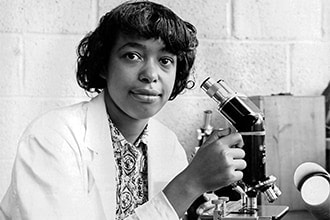
Dr. Patricia Bath (Image courtesy of Patricia Bath)
The method Dr. Bath developed for removing cataracts with a laser has helped save the sight of millions of people around the world.
Dr. Bath through the years
- 1942: Born in Harlem, New York
- 1959: Participated in a summer cancer research program offered by the National Science Foundation at age 16
- 1960: Received Mademoiselle magazine’s Merit Award and featured in The New York Times at age 17 after the cancer study she worked on was presented in D.C.
- 1964: Graduated from Hunter College in Manhattan with a bachelor’s degree in chemistry and physics
- 1968: Earned her medical degree at Howard University in Washington, D.C.
- 1969: Completed internship at Harlem Hospital in New York
- 1973: Completed her residency and medical training at NYU
- 1974: Completed a fellowship in corneal and keratoporosthesis surgery
- 1975: Became the first African American woman surgeon at the UCLA Medical Center and the first woman faculty member at the UCLA Jules Stein Eye Institute
- 1976: Co-founded the American Institute for the Prevention of Blindness (AIPB)
- 1983: Named chair of the Ophthalmology Residency Training Program at UCLA
- 1988: Received her first patent for a cataract ablation system
- 1993: Named Howard University Pioneer in Academic Medicine
- 2001: Inducted into the International Women in Medicine Hall of Fame
- 2009: Appointed by President Barack Obama to his commission for digital accessibility for the blind in recognition of her advocacy work
- 2011: Inducted into the American Academy of Ophthalmology Museum of Vision
- 2017: Inducted into the Hunter College Hall of Fame
- 2019: Died in San Francisco, California
READ NEXT: How Eye Disease Disproportionately Affects African Americans