The role of metabolomics in vision science

What is metabolomics?
Metabolomics is the study of small molecules called metabolites, which are produced when the body breaks down nutrients to perform normal metabolic functions. It can help scientists understand chemical processes in the body that affect different aspects of health, including the eyes and vision.
Metabolites are small molecules, such as amino acids, lipids and sugars. They are often studied through tissue samples or bodily fluids, like blood, saliva, urine and cerebrospinal fluid. Collectively, all of the metabolites in a given cell, tissue or organism are referred to as a metabolome.
Various factors can lead to changes in metabolites, including:
- Diseases or other conditions
- Genetic influences
- Microorganisms in the body (such as those in the digestive tract)
- Inflammation in the body
- Aging
- Treatments
- Environmental sources (such as diet and medications)
- Stress
- Lifestyle habits (such as exercise and tobacco use)
By analyzing metabolites in the eye and other parts of the body, scientists can potentially identify cellular changes in biological processes. These changes are referred to as biomarkers and can be associated with eye-related and other diseases. Biomarkers can be used to help diagnose, predict, monitor and manage health conditions.
Metabolomics and vision
Because of its unique metabolite-rich environment, the eye is especially ideal for metabolomic studies. Certain tissues and fluids are sensitive to chemical and other changes. This can make them useful for detecting shifts in physiological processes that may be linked to disease.
Studying these metabolic processes can help vision scientists better understand factors, like:
- How the eye functions
- How eye conditions develop
- How metabolic changes can impact overall eye health
The science of metabolomics
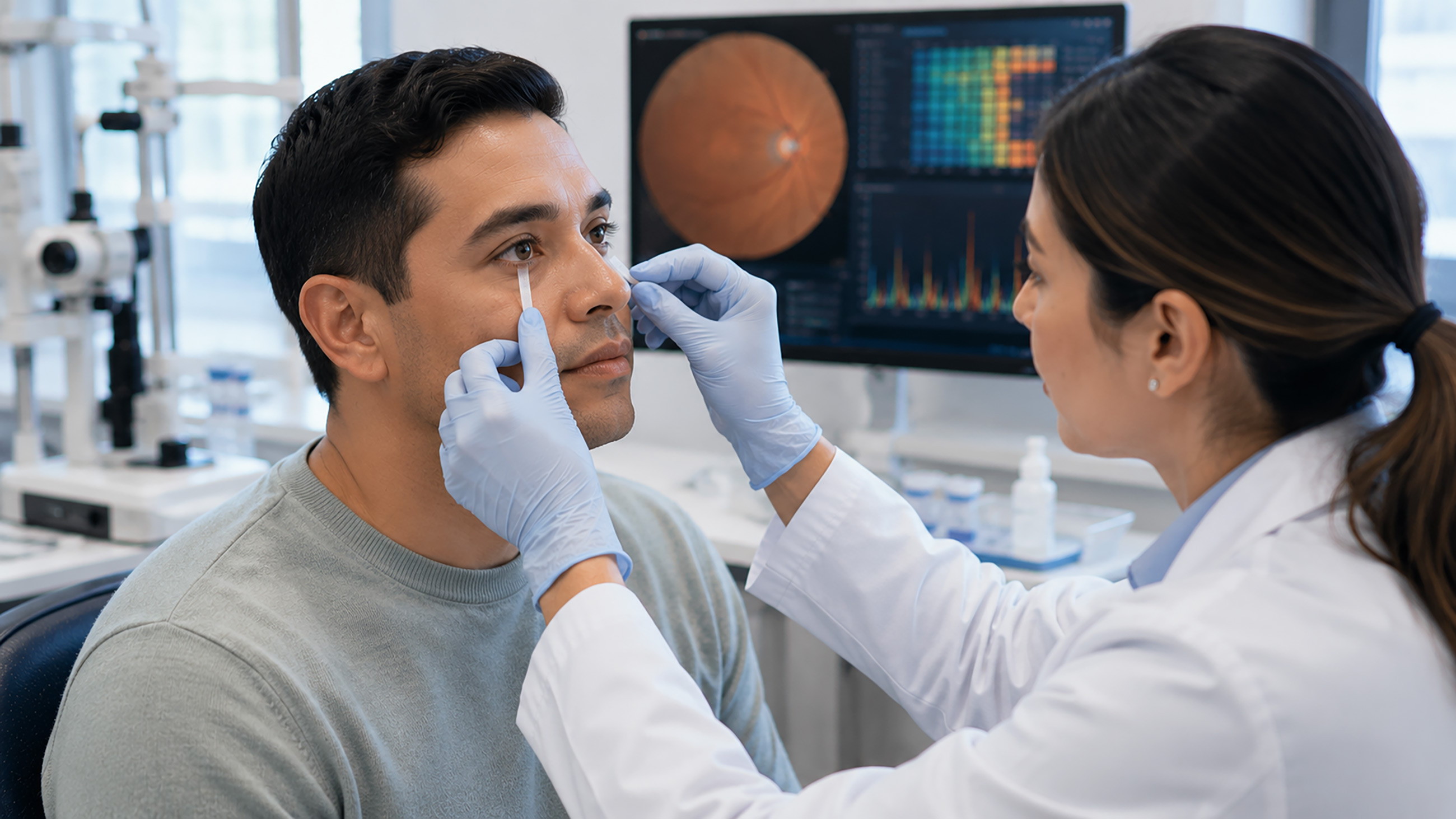
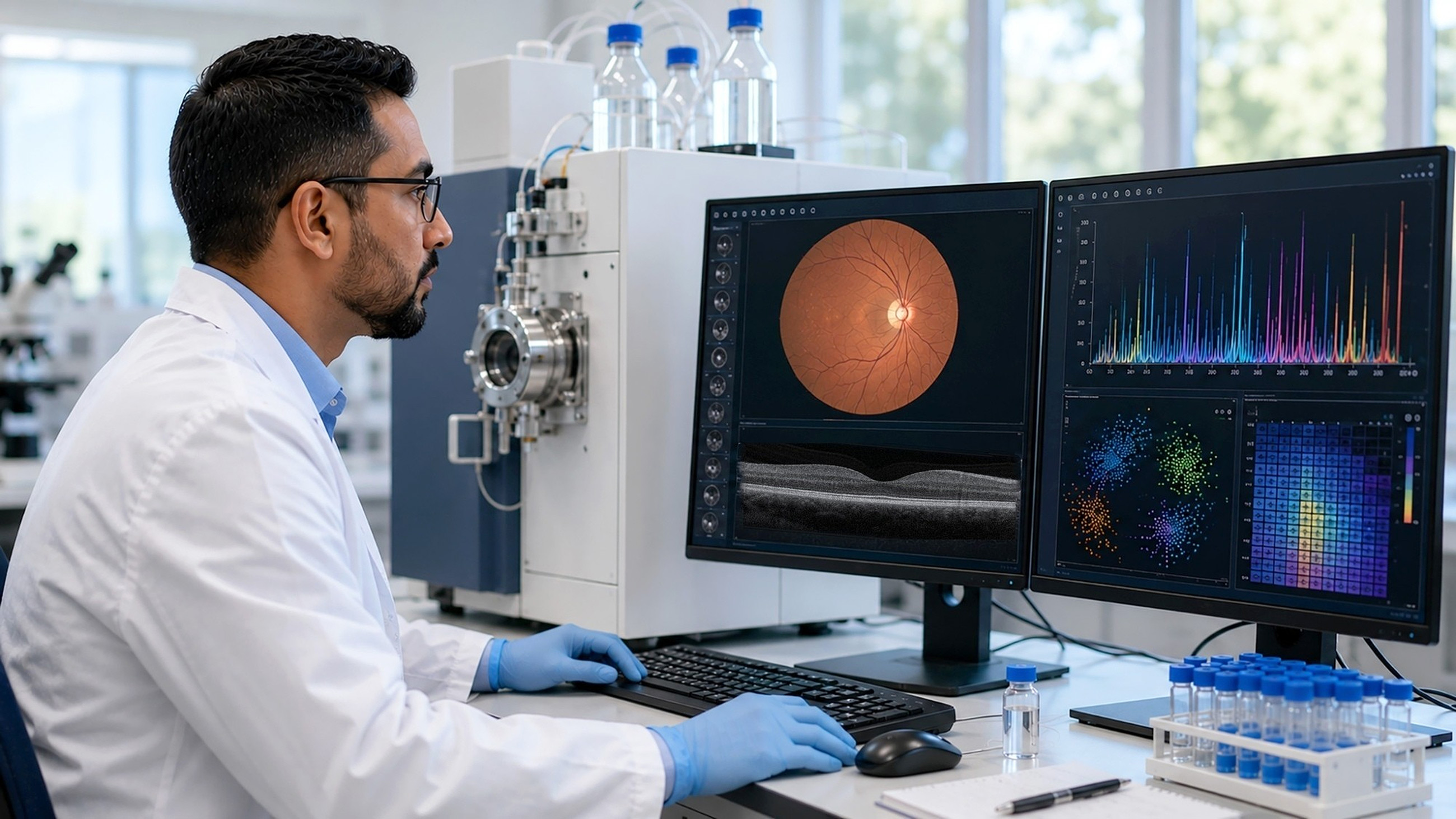
Metabolomics involves the collection and processing of biological samples to analyze metabolites. Researchers use a range of techniques and technologies to interpret the data and learn more about disease processes.
Steps in sample processing
Processing metabolomics samples and gathering their data involves several key steps:
- Collecting a tissue or fluid sample
- Extracting metabolites from the sample
- Separating the metabolites into individual classes (sugars, amino acids, lipids, etc.)
- Analyzing the metabolites as biomarkers
- Measuring metabolite levels
These steps produce data that can then be evaluated in different ways.
Types of analysis
Metabolite analysis generally takes one of two approaches:
- Targeted metabolomics – Evaluates specific sets or groups of metabolites within a given sample. It is often used when scientists want to assess known metabolites.
- Untargeted metabolomics – Focuses on a broader examination of metabolites across a given sample. It is often used when scientists want to find new or unknown metabolic data.
Scientists may use one approach over the other, depending on study goals and needs.
Key technologies
Metabolites are typically detected through instruments called spectrometers. There are two main spectrometry systems used to identify and analyze metabolites within biological samples:
- Nuclear magnetic resonance (NMR) spectroscopy – Uses radiofrequency signals and magnetic fields to identify metabolites. It involves minimal sample preparation and is highly reproducible, making it useful for broad metabolomic profiling.
- Mass spectrometry (MS) – Analyzes metabolites within a sample based on their mass and electrical charge, often after separation by gas- or liquid-based processes. Its high sensitivity can allow scientists to identify and measure a larger number of metabolites.
The combined use of these techniques may provide a broader scope of data for metabolite studies.
How metabolomics relates to vision
Metabolomics is being increasingly used to understand how chemical changes in the body can affect eye health and vision. The eyes rely on metabolic processes to function properly. Changes in these processes can affect the eye tissues and fluids and may contribute to the development of diseases.
In the eye, metabolites are found in fluids and structures, such as the:
- Tear film – A thin layer of tears on the front surface of the eye. It is made up of oil, mucus and a watery component.
- Aqueous humor – A clear, watery fluid that fills the front portion of the eye.
- Vitreous humor – A clear, gel-like substance found in the vitreous cavity. It is located between the crystalline lens (the flexible disc behind the pupil) and the retina.
- Retina – The light-sensitive membrane located at the back of the eye.
- Cornea – The clear, dome-shaped structure at the front of the eye.
- Sclera – The white of the eye that surrounds the cornea.
Samples of these ocular fluids and tissues are commonly used to study eye diseases in metabolomic research.
Metabolomics in eye diseases
Metabolomics is being used for a range of eye diseases. Some of the specific applications involve understanding disease processes, identifying warning signs (biomarkers) and monitoring how diseases respond to treatments.
A few examples of eye diseases studied using metabolomics include:
- Diabetic retinopathy (DR) – Occurs when high blood sugar levels damage blood vessels in the retina.
- Age-related macular degeneration (AMD) – Causes the deterioration of the macula (the central part of the retina responsible for sharp vision).
- Glaucoma – A group of eye conditions that damage the optic nerve (the structure that carries visual information from the retina to the brain).
- Myopia (nearsightedness) – A vision condition that occurs when the shape of the eye or cornea causes distant objects to appear blurry.
- Uveitis – Inflammation in the uvea (the middle portion of the eye), which is located between the sclera (the white of the eye) and the retina.
- Corneal conditions – Conditions or other factors affecting the cornea, such as keratoconus, dry eye disease (DED), prolonged contact lens wear and refractive surgery.
- Inherited retinal diseases (IRDs) – A group of genetic conditions, such as retinitis pigmentosa (RP) and Stargardt disease, that cause progressive damage to the retina.
Note: Most metabolomics-based testing for eye disease is still investigational. It’s used in research settings rather than as a routine part of an eye exam.
SEE RELATED: How metabolic health can impact AMD
Biomarkers and personalized medicine
In the eye, metabolites can reflect current information about changes or diseases in eye structures, as well as broader systemic processes. These changes, or biomarkers, occur in response to factors, such as aging, disease and environmental influences. As a result, they can provide information about disease processes, sometimes before symptoms or damage occur.
Biomarkers can potentially provide insight into:
- Early detection and diagnosis of eye diseases
- Determining disease prognosis
- Monitoring disease progression
- Development of individualized treatment plans
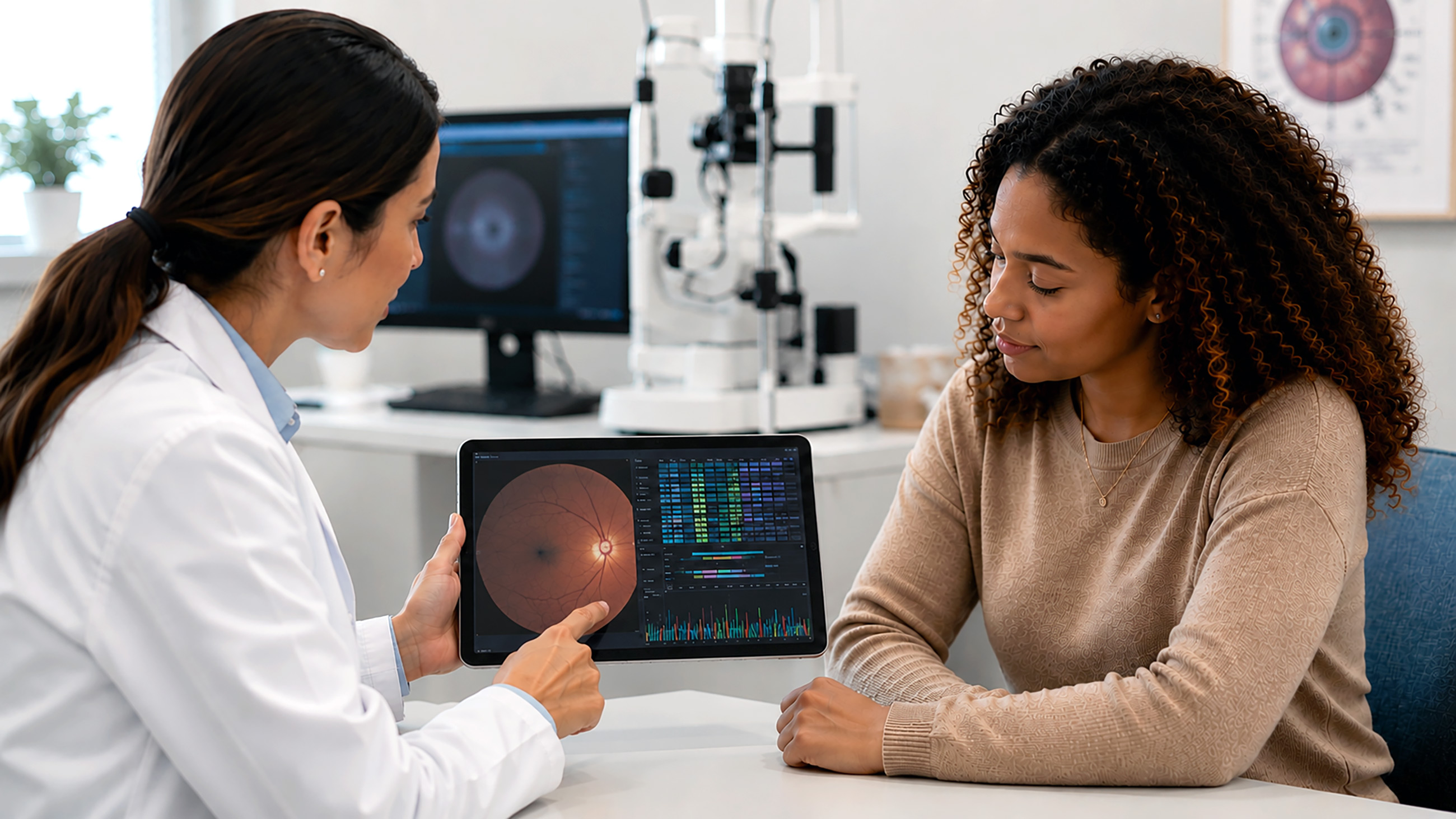
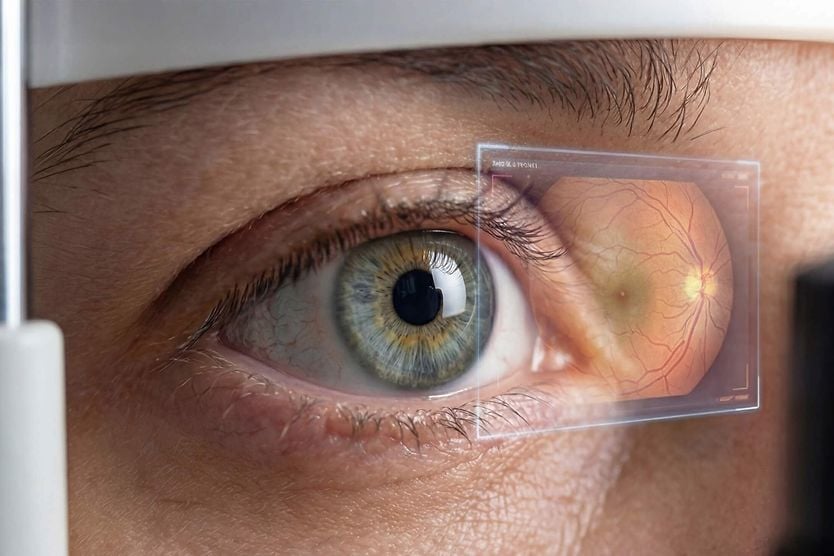
Metabolomics is typically studied alongside other diagnostic tools, like retinal imaging and genetic testing, as a complement to them rather than a replacement.
This can enable a more personalized, precision medicine approach by helping eye doctors better understand how an eye disease is progressing in an individual. It can also help assess how likely the person may be to respond to a particular treatment.
Technological advancements in metabolomics
As metabolomics continues to evolve, methods of metabolite detection and biomarker analysis are also becoming more advanced. Key developments include:
Increased sensitivity of biomarker detection
Recent advances involve technologies that have increased sensitivity for biomarker detection. One such advancement is surface-enhanced Raman scattering (SERS). This highly sensitive technique uses metal nanoparticles to amplify chemical signals produced by molecules. It can make it possible to detect very small amounts of metabolites in a sample.
By improving the detection of subtle metabolic changes, technologies like SERS can potentially allow vision researchers to identify and treat diseases earlier, overcoming some of the limitations of traditional testing.
Integration with other “-omics”
Research has found that metabolites can also affect genetic factors, protein function and other processes in the body. As such, metabolomics is now often studied alongside other “-omics” fields, such as:
- Genomics – The study of genes (DNA).
- Functional genomics – The study of how DNA is interpreted and used within the body.
- Nutritional genomics (nutrigenomics) – Studies the relationship between genes and dietary factors.
- Proteomics – The study of proteins.
- Transcriptomics – The study of RNA.
- Epigenomics – The study of chemical changes that impact gene activity (without changing the underlying DNA sequences).
- Microbiomics – The study of microorganisms (such as bacteria, viruses and fungi) within a given environment (like the digestive tract).
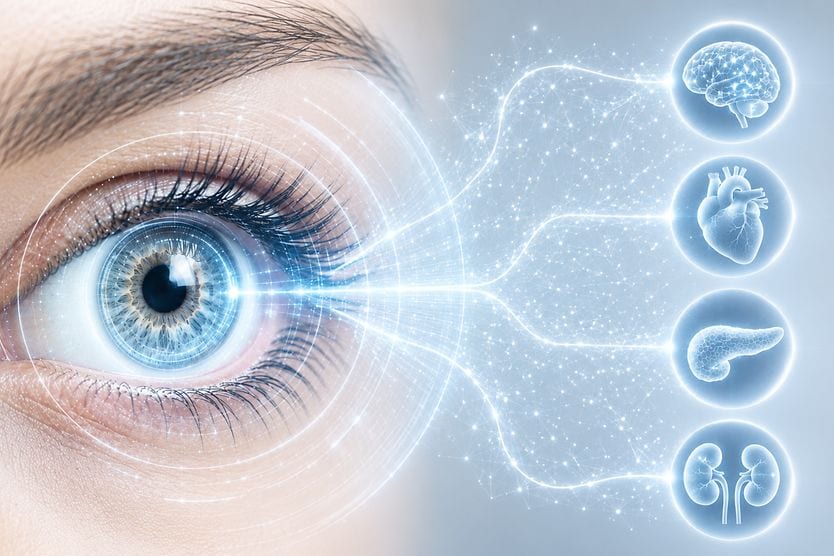
- Oculomics – The study of how biomarkers in the eyes can provide information about systemic health.
This “multiomics” approach can provide a more holistic understanding of eye and systemic health.
Challenges and future directions
Metabolomics is becoming a powerful tool in understanding physiological changes in the eyes and body and their role in health and disease. However, as the field expands, it’s important to consider both the challenges and future directions that could help shape its application to real-world settings.
Current challenges and limitations
Like many emerging medical fields, metabolomics is not without limitations. Some of the challenges researchers currently face include:
- Lack of standardization in collecting, testing and analyzing metabolic samples
- Variability in methods affecting data consistency and reliability across studies
- Regulatory requirements for testing methods
- Economic considerations, including testing and other related costs
- Ethical and legal considerations, such as the protection of patients’ personal health information
- Integration of metabolomics into routine practice
Future advances in metabolomics
Future developments may help overcome some of the current challenges and obstacles. This could further expand the application of metabolomics in disease diagnosis, prognosis and treatment. Some of these key potential developments include:
- Further integration with other “-omics” fields.
- Increased precision in the identification of biomarkers. This could lead to enhanced diagnostics and personalized treatments.
- Development of noninvasive techniques for metabolite sampling.
- Continued expansion and improvement of metabolite databases.
- Increased sensitivity of metabolomics technologies. In vision research, this is especially important due to limited access to tissue samples in the back of the eye.
- Use of artificial intelligence (AI) and machine learning (ML) in analyzing large-scale datasets. This could potentially expand the use of metabolomics across a wider range of samples and conditions.
The future of vision science
Studying how metabolomics relates to the eyes has given vision scientists new insights into disease development, biomarkers and management strategies for ocular conditions. It is also broadening their understanding of eye disease prediction and prevention.
Collectively, these factors may also lead to further personalization of eye care, which has the potential to improve treatment results and patient outcomes.