What is oculomics?

Oculomics defined
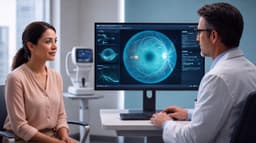
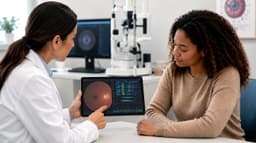
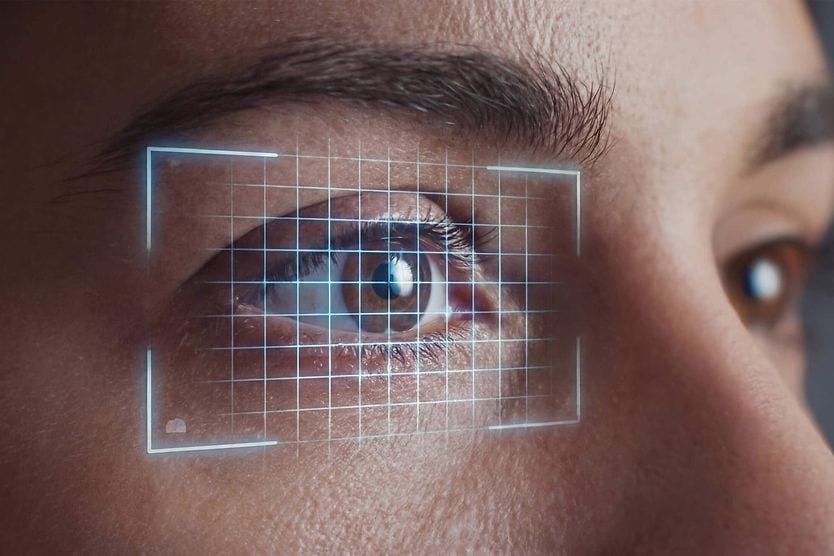
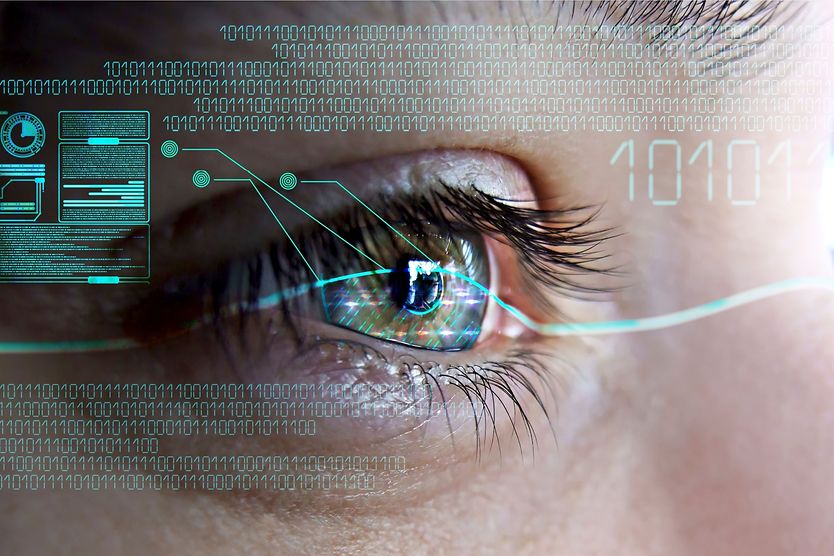
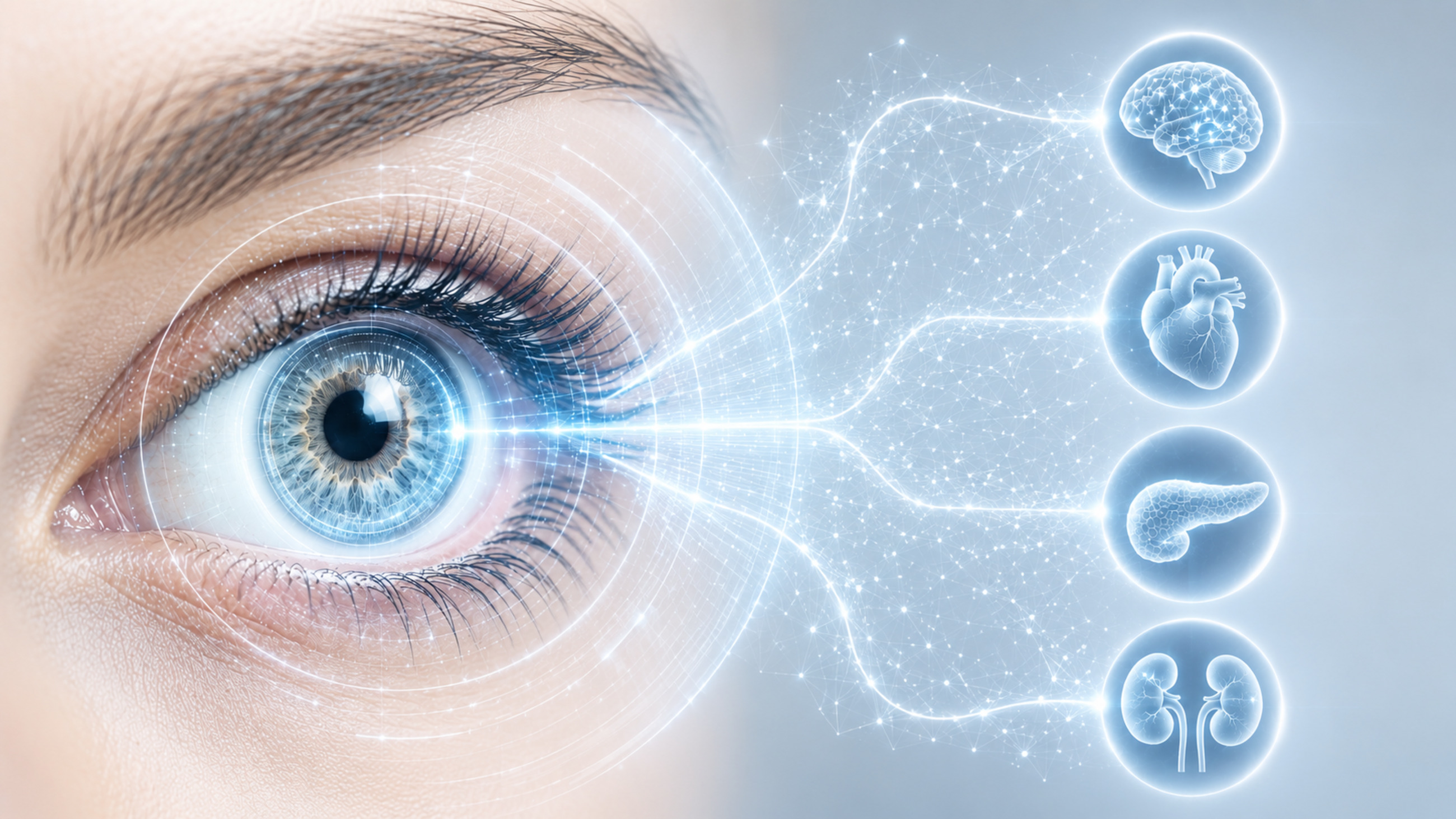
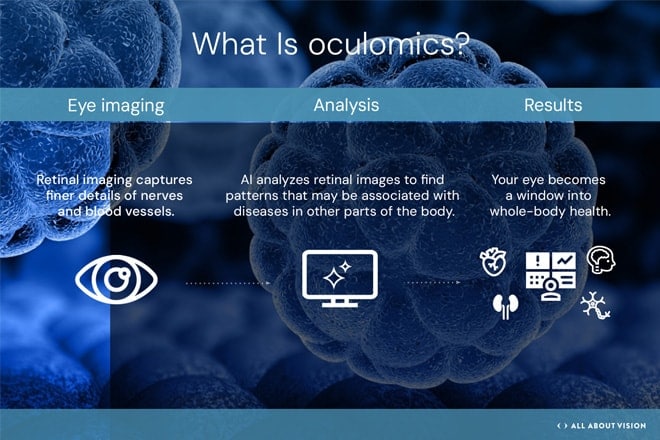
Oculomics is an emerging field that uses data from the eye to determine certain factors about overall health. It is the study of how eye imaging and artificial intelligence (AI) can be used to diagnose, monitor, predict the risk and plan treatment strategies for systemic diseases.
The term “oculomics” first appeared in early 2020. However, the idea of the eye being a window into general health isn’t new. Many systemic diseases show signs or cause changes in some eye structures, which are referred to as biomarkers. These factors can provide valuable insight into various aspects of systemic health.
Oculomics builds on this concept by using advanced imaging and data analysis to find biomarkers in the eye associated with specific systemic diseases. Some of these conditions include:
- Cardiovascular diseases
- Neurological disorders
- Psychiatric disorders
- Metabolic conditions
- Autoimmune conditions
- Blood disorders
- Other health conditions
The science behind oculomics
Oculomics potentially allows for the detection, monitoring and management of many health conditions. It may also enable large-scale and individualized risk prediction, risk stratification and treatment planning. The science behind oculomics involves three primary factors:
- Non-invasive eye imaging
- The collection of large datasets of eye images (to identify disease-related patterns and associations)
- The analysis of these datasets using AI and machine learning algorithms
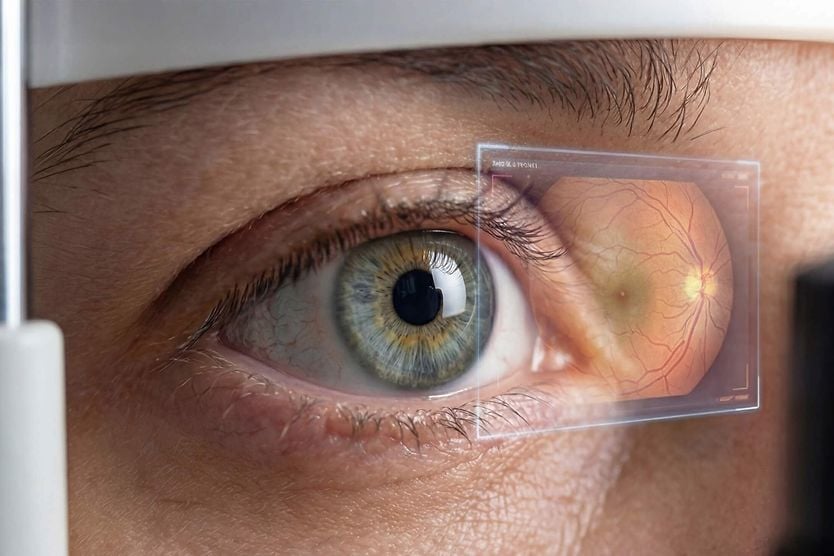
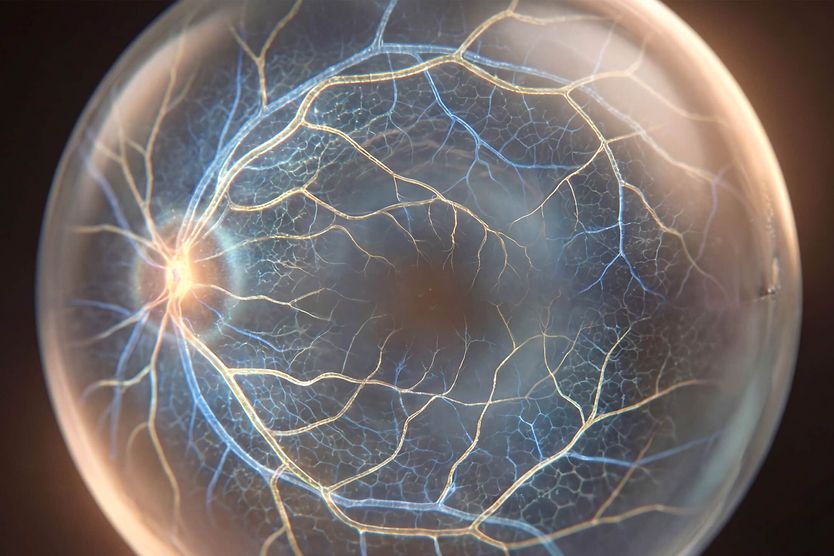
Much of the field of oculomics thus far has focused on retinal imaging, such as optical coherence tomography (OCT). This is due to the presence of a rich blood vessel network in the retina (the light-sensitive membrane at the back of the eye) and the optic nerve (the structure that sends visual information from the eye to the brain). Both of these structures can reflect biomarkers associated with systemic diseases.
Another significant factor is the millions of retinal images that have been “banked” worldwide over time. With the help of AI and machine learning, researchers can analyze these datasets to find biomarkers linked to certain systemic diseases.
For some conditions, changes may appear before symptoms develop elsewhere in the body, though the timing and reliability of detection may vary by disease. This remains an active area of research.
As an example, retinal images of people with heart disease, stroke and other conditions can help researchers identify indicators of current or future disease risk. Because the eye often shows early signs of certain health conditions, oculomics could allow for earlier diagnosis and intervention. This could potentially lead to more effective treatment outcomes.
Source: Retinal imaging-based oculomics: Artificial intelligence as a tool in the diagnosis of cardiovascular and metabolic diseases. Biomedicines. September 2024.
Optical coherence tomography (OCT)
Optical coherence tomography is a non-invasive technique that uses light waves to capture detailed cross-sectional images of the retina and the optic nerve fiber layer. OCT is a key tool in assessing the health of these structures.
Optical coherence tomography angiography (OCTA) is a similar technique that provides a non-invasive view of the eye’s microvasculature. It shows the blood vessels in the retina and the choroid (the layer of blood vessels under the retina).
These scans only take a few minutes to complete and can be performed regularly. Eye doctors can use the results to monitor changes in the retina and optic nerve over time. The results can also aid in diagnosing eye-related and systemic health conditions.
Other retinal imaging techniques
Along with OCT, oculomics may involve other types of retinal imaging techniques, such as:
- Fundus photography – A technique that takes high-resolution images of the fundus (the back of the eye), where the retina and optic nerve are located.
- Ultra-widefield digital imaging – A technique that provides a broader view of the retina, including the peripheral retina.
- Hyperspectral fundus imaging – A technique that captures retinal images across multiple wavelengths to detect chemical biomarkers in the eye.
- Adaptive optics – An emerging technique that corrects natural optical aberrations, or distortions in how light moves through the eye. It can show highly detailed views of the retina at the microscopic level.
These images can reveal changes in the eye that correlate with certain systemic diseases.
Artificial intelligence in oculomics
AI is used to analyze eye scans to detect biomarkers linked to both eye and systemic diseases. These patterns may include subtle changes in blood vessels and other eye tissues, often before diseases may otherwise be detected.
AI uses machine learning and deep learning algorithms to gather information across large datasets quickly and consistently, allowing for the analysis of millions of images. This can potentially help health care professionals evaluate disease risk, identify early signs of disease and develop personalized treatment strategies.
Applications of oculomics
The eye can provide insight into systemic disease development and progression affecting many organs in the body. Oculomics has the potential to expand to a range of medical conditions and applications, including:
Cardiovascular disease detection
Changes in retinal blood vessels can reflect changes in a person’s overall cardiovascular health. Retinal scans provide detailed images of these vessels. AI analyzes them to detect patterns associated with cardiovascular conditions and risk factors.
Changes in retinal vasculature can include factors like the narrowing, widening or blockage of vessels and vessel tortuosity (the degree of twisting and turning of vessels). These factors can be early signs of high blood pressure and heart disease. They can also indicate an increased risk of conditions, such as heart attack and stroke.
SEE RELATED: What your eye doctor can tell you about your heart health
Neurological and psychiatric applications
Certain changes in the retina and optic nerve have also been connected to neurological and cognitive health. By identifying their initial signs, oculomics could aid in an earlier diagnosis of conditions, such as:
- Alzheimer’s disease (AD)
- Dementia
- Parkinson’s disease (PD)
- Multiple sclerosis (MS)
- Migraine
- Schizophrenia
- Bipolar disorder (BD)
Note: Associations with neurodegenerative disease (such as Alzheimer's and Parkinson's diseases) have been studied extensively for their connection to retinal and optic nerve changes. However, psychiatric conditions such as schizophrenia and bipolar disorder are under investigation to understand their link through these types of diagnostic tools.
Metabolic disease management
Changes in eye tissues can be associated with various types of metabolic diseases. This includes conditions, such as diabetes and high blood pressure, both of which can increase the risk of heart disease. Oculomics may help diagnose, evaluate and manage metabolic conditions by analyzing retinal scans associated with these biomarkers.
SEE RELATED: Diabetic eye problems: How diabetes affects the eyes
Autoimmune disease detection
Oculomics may also help identify early signs of some autoimmune conditions, as they can also present biomarkers in the eye. Some of these conditions include:
- Multiple sclerosis
- Systemic lupus erythematosus (SLE)
- Rheumatoid arthritis (RA)
- Behçet’s disease
Blood disorders
Oculomics has revealed retinal changes associated with certain blood disorders, including:
- Anemia
- Leukemia
- Sickle cell disease (SCD)
- Thalassemia
Application to other conditions
Other conditions and areas of health are being studied in the field of oculomics, such as:
- Kidney function
- Liver function
- Thyroid function
- Human immunodeficiency virus (HIV)
- Obstructive sleep apnea
- Nutritional deficiencies
- Drug toxicity
As the technology advances, oculomics usage may expand to additional conditions and areas of care.
Benefits and challenges of oculomics
Oculomics presents a range of potential advantages and challenges:
Benefits of oculomics
Many systemic diseases can affect a person’s health and overall quality of life. When diagnosed and treated early, however, they can often be managed and even prevented from progressing in some cases.
Oculomics is being studied as a complementary tool, not a substitute for established tests such as blood work, blood pressure monitoring and imaging. In the future, there is the possibility that a single non-invasive retinal scan could let your doctor know the risk level of several body systems at once.
Some of the potential benefits of oculomics may include:
- Non-invasive diagnostic techniques
- Cost-effective screening procedures
- Increased access to care (especially in resource-limited locations)
- Earlier detection, prediction and treatment of health conditions
- More personalized care
Challenges in oculomics
Although oculomics can potentially offer several benefits, it is not without its limitations. Current challenges in oculomics include:
- Incorporating oculomics into real-world practice
- Ethical concerns (such as the privacy and security of personal health information)
- Regulation and approval of oculomics hardware
- Scalability of oculomics-based AI applications
- Data bias (where data doesn’t represent a wide range of people, such as underserved populations)
- Technological costs
- Limited accessibility (due to implementation barriers)
The future of oculomics
Oculomics research is ongoing. As the field progresses, other parts of the eye are being studied for their potential to contain biomarkers for systemic diseases.
For instance, while retinal images have been the primary focus of oculomics research, the field is expanding beyond the retina to the front part of the eye. This area can also reflect a range of biomarkers and diagnostic insights. Two key areas under study include the cornea and the tear film:
- Cornea – The cornea is the clear, dome-shaped structure at the front of the eye. This has led to the emergence of corneal oculomics.
- Tear film – Biomarkers in tear fluid may provide further insight into systemic health conditions. This is giving rise to tear film-based oculomics.
Such advancements could potentially allow for:
- Increased ease of testing and accessing eye structures (since they are at the front of the eye)
- Potential detection and evaluation of a broader range of health conditions
Digital devices, such as smartphones, virtual reality (VR) and augmented reality (AR) headsets, are being explored as cost-effective ways to collect data from the front of the eye.
The future of oculomics appears to have strong potential. However, further progress is needed before it can become a standard part of everyday health care. As its use and applications continue to evolve, future directions are expected to focus on improving factors, such as:
- Improving imaging technologies
- Advancing AI integration
- Facilitating clinical implementation
- Managing regulatory factors and guidelines
- Incorporating the technology into routine clinical practice
Oculomics and the future of health diagnostics
The meaning of oculomics lies in connecting data from the eye to whole-body health insights. The field will likely continue to evolve as new imaging techniques, AI advancements and solutions to implementation challenges expand its applications.
Other datasets of AI are being studied that may potentially increase the scope and effectiveness of oculomics. Some of these include:
- Proteomics – The study of proteins
- Metabolomics – The study of metabolic substances (such as lipids, sugars and amino acids)
- Epigenomics – The study of chemical changes that affect gene activity (without altering DNA sequencing)
- Genomics – The study of genes (DNA)
- Transcriptomics – The study of RNA
- Cellomics – The study of cell function
- Exposomics – The study of the exposome (the accumulated impact of environmental factors throughout a person’s life)
As a result, the impact of oculomics on health care has the potential to have widespread applications. It could possibly reshape clinical approaches to disease detection, prediction and management.