How technology is transforming glaucoma diagnosis, management and treatment

The role of medtech in glaucoma care
Glaucoma rarely announces itself. This type of vision loss often begins quietly, progressing for years before people realize anything is wrong. By the time symptoms become noticeable, permanent damage to the optic nerve may already have occurred.
This is where medical technology is making a difference. It’s enabling earlier diagnosis, improved management and better treatment outcomes. From advanced imaging techniques to minimally invasive procedures, medtech is helping glaucoma patients protect their vision against this sight-threatening condition.
“Medical technology has revolutionized our treatment of a number of eye conditions, including glaucoma,” said Daniel Liebman, MD, MBA, ophthalmologist at Massachusetts Eye and Ear and instructor in ophthalmology at Harvard Medical School.
“Medical technology lets us do everything from obtaining more accurate measurements of the health of the optic nerve and systems inside the eye, to having better abilities to diagnose the disease at earlier stages, track progression, and potentially change or alter treatments. It also informs a lot of the interventions that we do. So technology really informs everything about what we do with modern glaucoma care.”
What is glaucoma?
Glaucoma is a group of eye diseases that damage the optic nerve. It can result from various causes. However, it often develops when the aqueous humor (a fluid in the eye) doesn’t drain properly through a structure called the trabecular meshwork.
This leads to fluid buildup, which can increase intraocular pressure (IOP) — the pressure inside the eye. High eye pressure can damage special nerve cells (called retinal ganglion cells or RGCs) and their axons. These are threadlike fibers that form the optic nerve.
The optic nerve carries visual information from the eye to the brain to interpret what people see. Damage to this nerve, such as from glaucoma, can lead to vision loss.
Globally, approximately 80 million people are living with glaucoma, and around 50% are unaware they have the disease. It can affect anyone, but it’s more common in adults over age 60 and in people of African, Hispanic or Asian descent. Individuals with a family history of the condition, severe myopia (nearsightedness), previous eye injuries, long-term steroid use and diabetes are also at higher risk.
LEARN MORE: What causes glaucoma?
Advanced technologies for glaucoma detection
Advanced technologies are helping doctors detect and treat the condition earlier — before it begins to affect vision.
“The real goal with treating conditions like glaucoma is trying to make the diagnosis as early as possible, and then ensure that the treatment that you're initiating is successful in slowing or hopefully stopping any progression of the disease,” said Benjamin Bert, MD, a board-certified ophthalmologist at MemorialCare Orange Coast Medical Center in Fountain Valley, California.
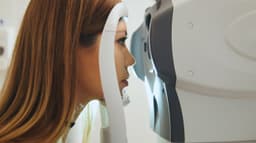
For example, tonometry is a test that measures IOP, a key factor in diagnosing and monitoring glaucoma. Most people are likely familiar with the “air puff” test performed during an in-office eye exam, also called non-contact tonometry. It measures eye pressure by detecting how much the cornea flattens in response to a short burst of air.
Thanks to new advances, eye doctors now have access to at-home tonometers. Dr. Liebman said these devices help keep a constant read on a patient's eye pressure no matter where they are.
"Eye pressure is a continuous thing — the eye pressure may be higher or lower when they're not in my office," he explained. "So I have used home tonometry for some of my patients to actually catch these eye pressure spikes, and in some cases figure out that we need to intervene based on that, even when their eye pressures were normal in my office. That's a very exciting and new ability that we've only had for the last few years."
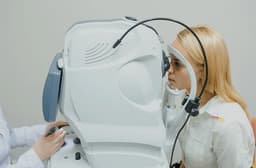
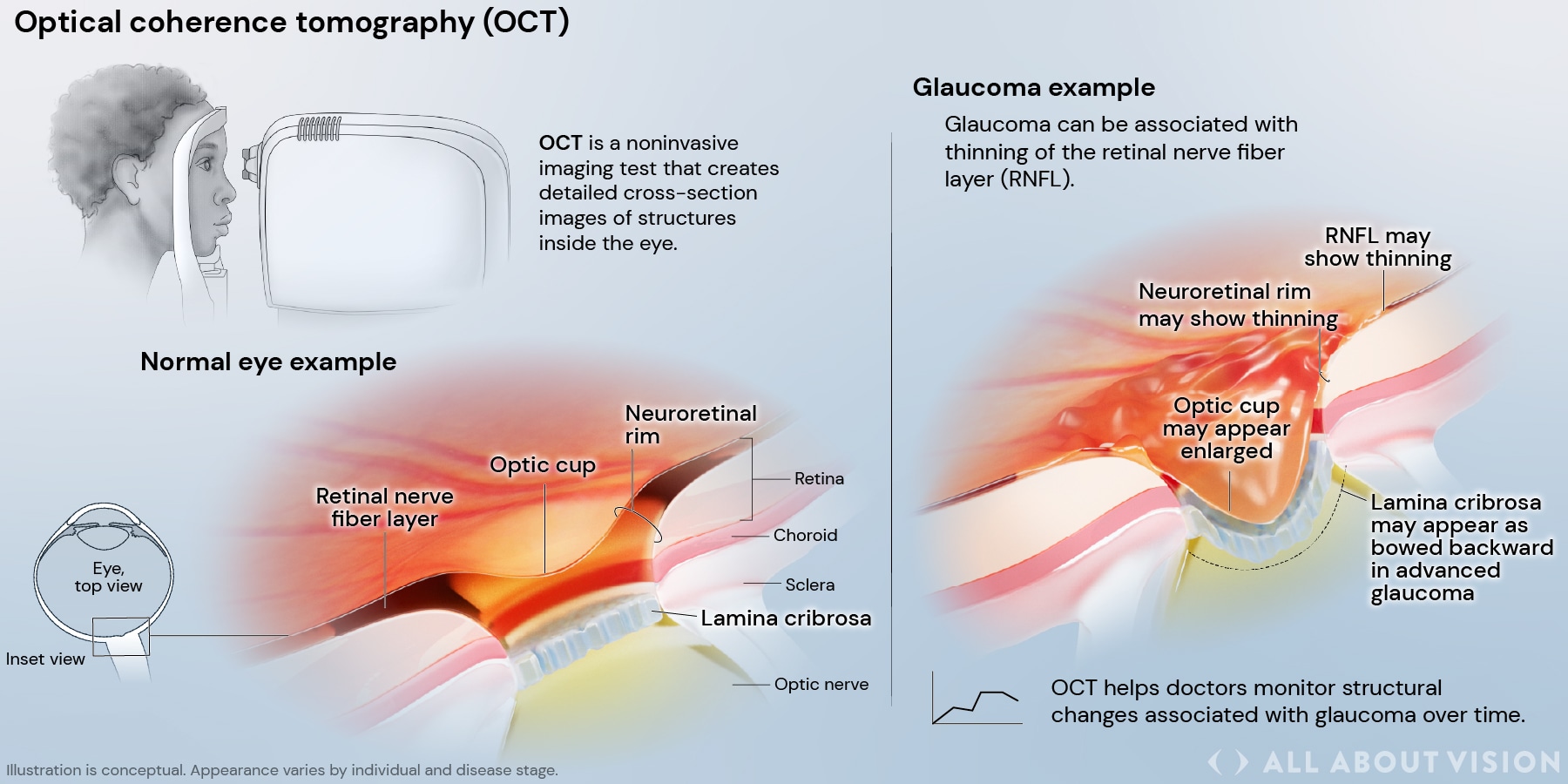
Eye doctors also use optical coherence tomography (OCT) and optical coherence tomography angiography (OCTA) to examine the retina for potential glaucoma signs. These techniques can help identify retinal changes, such as thickening of the retinal nerve fiber or changes to retinal blood vessels. Recognizing these signs can help with the early detection of glaucoma.
“OCT absolutely revolutionized our understanding of optic nerve health and pathology — it gives us an ability to quantify what was previously qualitative,” Dr. Liebman explained. “It lets us measure the thickness of the nerve, which is a marker of nerve health, down to the micron, and lets us detect signs of glaucoma before it even manifests with vision changes.”
“Previously we relied just on pictures or on our own examination of the nerves at the microscope, which is still important, but now that's just one component of a much larger technological array that we can use,” he added.
Click here to view infographic
Innovative glaucoma treatment technologies
Technological advancements continue to change the landscape of glaucoma treatments. Many of these options focus on lowering IOP with greater comfort and precision.
For instance, minimally invasive glaucoma surgeries (MIGS) offer an alternative to traditional surgeries for patients with mild to advanced glaucoma. Meanwhile, laser treatments like selective laser trabeculoplasty (SLT) and direct selective laser trabeculoplasty (DSLT) can help treat glaucoma by attempting to improve fluid drainage and lower IOP.
Another recent medtech development for treating glaucoma is the use of sustained-release drug delivery systems. Eye drops are commonly used to treat and control glaucoma. However, their effectiveness often depends on how consistently patients use them.
Sustained-release drug delivery systems offer an alternative to this problem. They deliver medications to the eye without patients having to apply them. These treatments can allow for enhanced control of the amount and frequency of medication given over a set period of time.
“There are some very good surgeries that have existed for decades that talented glaucoma surgeons have developed and perfected over many years, and they're still an important part of our treatment paradigm … but they are big surgeries that involve a lot of intraoperative and post-operative care,” Dr. Liebman said.
“The advent of MIGS, sustained-release therapies, and the growth and use of selective laser trabeculoplasty (SLT) as a primary treatment for glaucoma have really added nuance and gradations to our ability to treat,” he said.
“We can intervene in ways that have potentially less side effects, are safer and in many cases are still very effective — enough to treat the disease at hand. So we're increasingly able to match the intensity of our treatment to the degree of the patient's disease.”
The future of glaucoma management technology
Researchers predict the number of people with glaucoma around the world will hit close to 112 million in 2040, largely driven by an increase in life expectancy and an aging global population. As a result, the need for new medtech to aid in diagnosing, treating and managing glaucoma is crucial.
Innovations in medtech are helping to reshape the future of glaucoma management. Dr. Bert explained this includes the monitoring of disease progression — including IOP — through various in-office tests and at-home devices.
"The first challenge with treating glaucoma is actually patient compliance," he said. "Using eye drops on a daily basis, sometimes multiple times a day, is quite a large challenge. Having a metric that you can follow at home can sometimes encourage more compliance with the treatment.”
Dr. Bert compares the process to patients checking their blood pressure with a cuff at home. Having a tonometer at home to let them check their eye pressure may ensure that they are using their medications regularly, and also maintaining their pressures at an optimal level, he added.
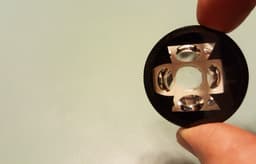
In addition, there are contact lens modalities currently in development for both management and treatment of glaucoma, such as contact lens-based tonometry for measuring IOP, said Dr. Liebman.
"An exciting potential use of that kind of technology is that it's automated," he explained. "The patient doesn't actually have to self-monitor, and the tech can potentially monitor them during time periods that are very difficult for us to monitor, such as when they're asleep."
"There are also some companies that are trying to invent implantable versions of that technology," Dr. Liebman added. "An approach that some are taking is to potentially implant pressure sensors inside the eye, such as at the time of cataract surgery."
For diagnosing glaucoma, Dr. Liebman said there are developments of mobile head-mounted perimetry devices that assess the patient’s peripheral (side) vision outside a doctor's office. Peripheral vision is commonly affected by glaucoma and assessed as part of the diagnostic process.
Glaucoma and AI
As artificial intelligence (AI) continues to expand into almost every industry, including medicine and eye care, will this technology help diagnose, manage and treat glaucoma in the future?
Dr. Liebman said he can't imagine that AI won't play a significant role in the future of glaucoma care.
“I think of most medicine, glaucoma is ripe for AI,” he continued. “Potentially its biggest value-add is interpreting large amounts of data, which can sometimes be difficult to parse or which has lots of noise or components. And with glaucoma, we are not measuring just one thing. We are continuously measuring a number of structural and functional data points.”
Dr. Bert also sees great potential for AI to improve how doctors identify and treat glaucoma. “The pictures of the optic nerve, the OCTs of the optic nerve –– all of that data –– the machines can interpret,” he said. “And we've already seen from other deep learning systems that the AI is able to identify things that would be somewhat imperceptible to the human eye.”
“I would imagine that with glaucoma data, AI may be able to predict who's going to progress to having mild glaucoma, moderate glaucoma, severe glaucoma,” Dr. Bert continued. “AI can determine who should initiate treatment even before we think it's necessary. It can also tell us who may never need to have treatment, even though their case looks very suspicious. And it can answer some of those more challenging questions that we deal with in the clinic.”
And Dr. Liebman believes AI will play a major part in one of the big future pushes in glaucoma, which is individualized care.
“Moving from one-size-fits-all to one-size-fits-one perfectly,” he added. “AI is likely to be a key tool in letting us integrate all of the different data points that we're able to collect to optimally treat an individual’s glaucoma.”
READ NEXT: What is a glaucoma suspect?