A marriage, a mission and a game-changing treatment
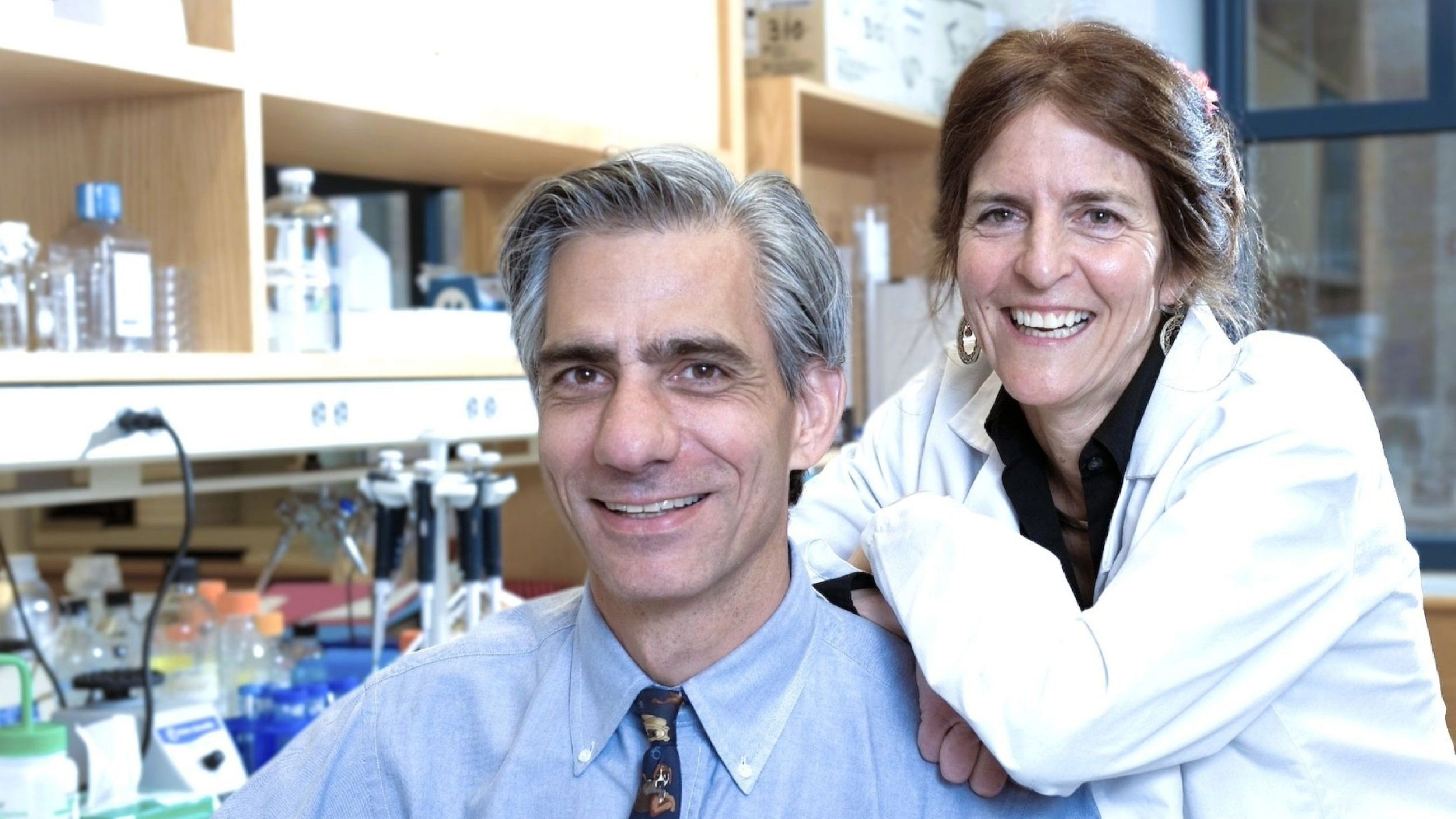
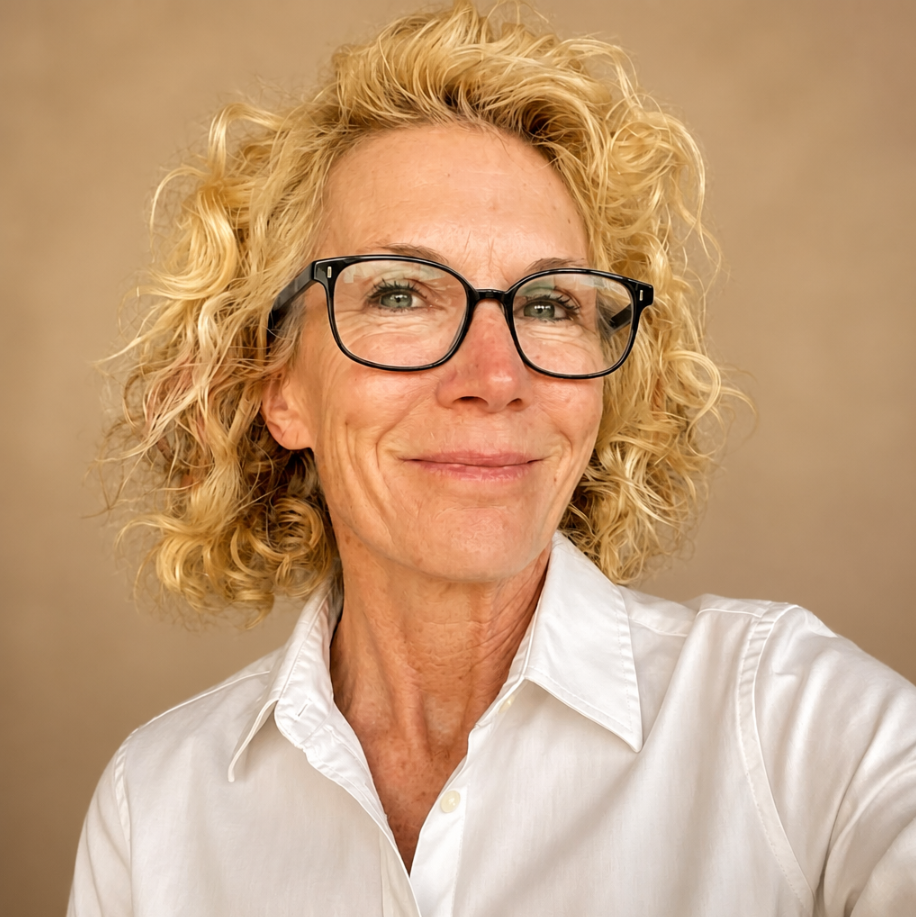
Dr. Jean Bennett, MD, PhD, is F.M. Kirby Emeritus Professor of Ophthalmology at the University of Pennsylvania’s Perelman School of Medicine and co-developer of LUXTURNA (voretigene neparvovec). Dr. Albert Maguire, MD, is Professor of Ophthalmology at Penn Medicine and Children’s Hospital of Philadelphia and principal investigator of LUXTURNA clinical trials. They are Breakthrough Prize in Life Sciences 2026 laureates.
Introduction
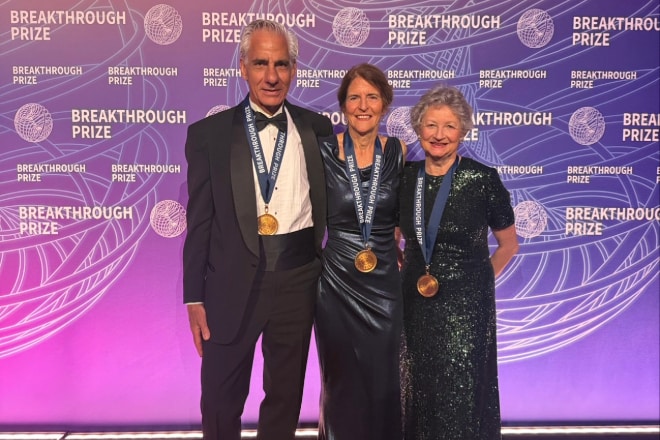
Many scientific breakthroughs have stories behind the headlines. For Jean Bennett, MD, PhD, and Albert Maguire, MD, both professors emeritus at the University of Pennsylvania, their story started in a lab and ran through three decades of roadblocks, animal models and landmark FDA firsts. It ends for now with a standing ovation at the 2026 Breakthrough Prize ceremony. Thanks to their groundbreaking gene therapy, a 15-year-old previously blind girl walked onto the stage and read from her notes, under glaring lights, without any help.
The Breakthrough Prize in Life Sciences, widely known as the Oscars of Science, was founded in 2012 and carries a $3 million award. Katherine High, MD, contributed the clinical trial expertise that moved the work from the lab to patients and shared the award with Drs. Bennett and Maguire.
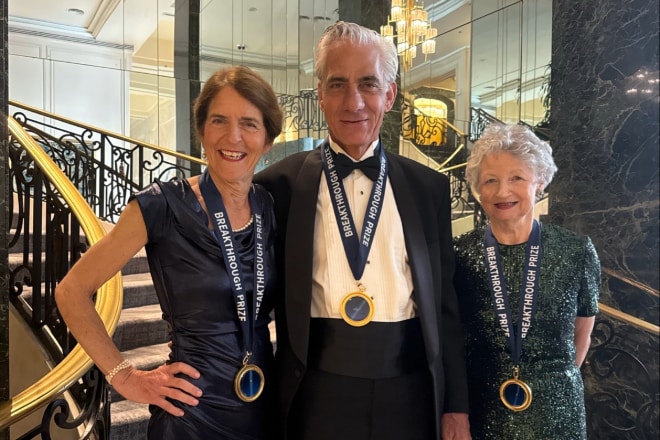
We spoke with the married couple who fell in love in their medical school lab about how they developed voretigene neparvovec, which in 2017 became the first gene therapy directly delivered into a living human body and the first FDA-approved treatment for inherited retinal disease (IRD).
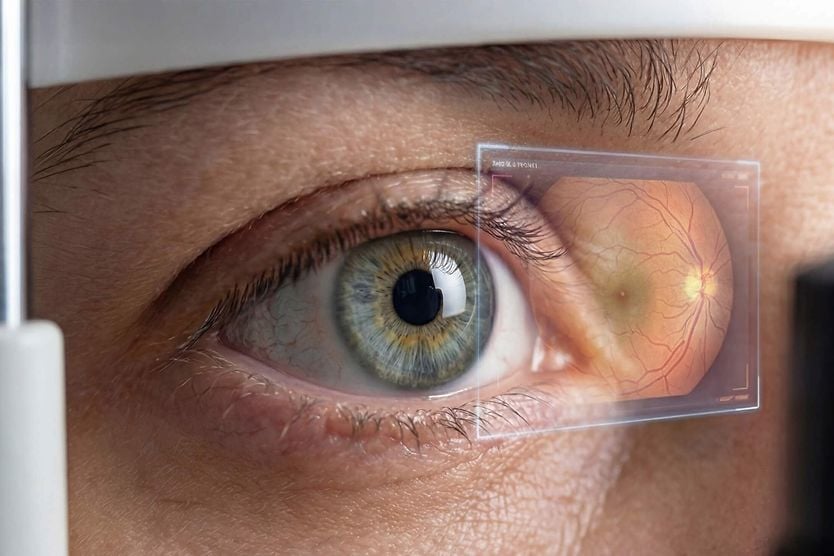
IRDs are a group of rare genetic conditions in which one or more faulty genes cause the light-sensing cells of the retina to deteriorate, leading to progressive vision loss and, in severe cases, blindness. They affect an estimated 1 in 3,000 people in North America. Voretigene neparvovec targets a specific subset of IRDs driven by mutations in the RPE65 gene. The treatment cannot fully restore vision, but clinical evidence shows it can meaningfully improve vision in many patients.
What the scientific record doesn’t fully capture is how a shared frustration with patients regarding no treatment options became their lifelong mission, and how a proposal over a research hypothesis became a lifelong marriage. Drs. Bennett and Maguire dialed in from their kitchen against a backdrop of window-framed hanging plants to discuss the story behind the story.
The perfect partnership
AAV: Most people don’t know that the pioneering doctors of retinal gene therapy are married. How did your marriage and medical pursuits merge?
Dr. Maguire: I proposed the idea to Jean — the scientific idea, that is — and then I proposed marriage. And because she said yes to both, the collaboration got locked in. It was a great way to start.
Dr. Bennett: I knew I wanted to go into gene therapy, but I didn’t know what I wanted to target. Al was seeing patients he just couldn’t treat, and it was very frustrating to him. Meanwhile, we were learning more and more about the genetics of these retinal diseases, and they were becoming amenable to treatment. Because of his frustration in the clinic, he would clear his calendar an afternoon every week, walk across campus to my lab and say, “What should we figure out today?” And we’d get to work. It was really fun, too!
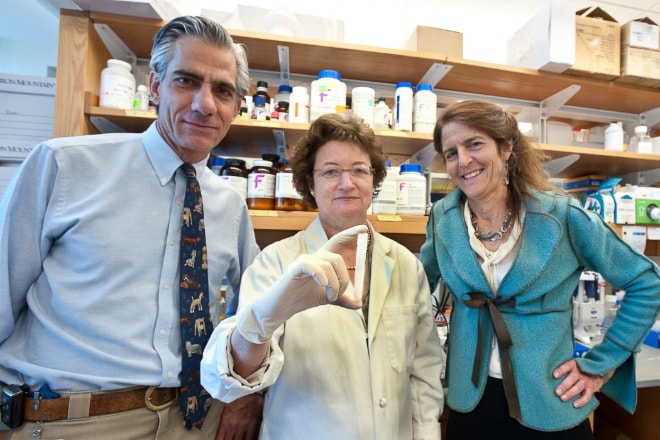
Dr. Maguire: I didn’t know when we were in med school that Jean wanted to do gene therapy. What I knew was her training. She was trained in making transgenic animals (a cell or organism whose genetic makeup is altered by artificially introducing a foreign DNA from another species). Jean had the skill of taking a gene and inserting it into a zygote, a newly fertilized egg. That’s a form of gene therapy. It’s just the ultimate form, where you’re adding it to every cell in the body.
And I was working in what turned out to be the first retinal degenerations laboratory in the country. I saw patients who had this set of diseases that all had one thing in common. They were clearly caused by single genes. I thought at some point we’re going to find the physical pieces of DNA. Once we have that, why can’t we just put it back into the diseased cells?
AAV: You have very different roles. One’s a scientist. One’s a surgeon. How do two people with such different training work together day to day?
Dr. Bennett: We have complementary but different expertise. I’m the nerdy scientist in the lab [she laughs], going over data and designing new experiments. He’s the clinician who sees patients, treats them, understands the diseases and does the surgery. We need each other. It’s different turf, but we speak the same language.
Dr. Maguire: I know what the important outcome measures should be, because I live in the clinic with the diseases. I know what we have to go after to treat.
The first patients
AAV: Who were your very first retinal gene therapy patients, and what do you remember most about them?
Dr. Bennett: We had everything ready, every ‘i’ dotted, every ‘t’ crossed. FDA approval, institutional approval and all equipment lined up. And then we looked around the United States, and there were no patients who had been genotyped (their DNA analyzed to identify the genetic variants they carry) or phenotyped (a record made of observable traits shaped by both genes and environment).
But we had colleagues in Italy who had the wisdom to have done that. The first two patients were fraternal twins, a brother and sister, both 26, referred by a specialist in Naples. Their disease had progressed quite severely. They couldn’t see an eye chart. They have another sibling who is also affected. They said, “We have nothing to lose. We only have something to gain.”
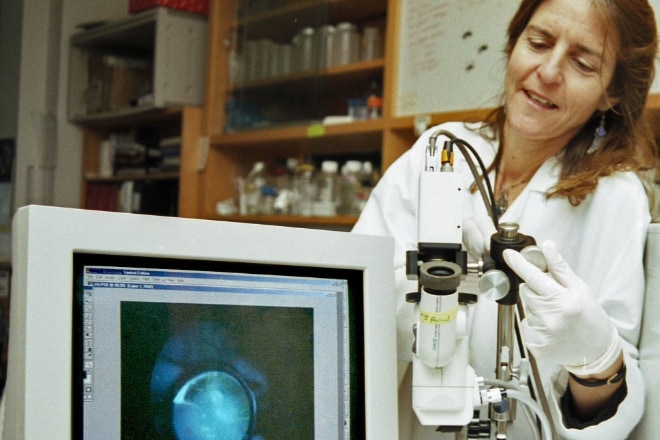
Dr. Maguire: The sister came first — it was almost a race between them to get their travel documents sorted. She didn’t speak English, and she had to stay for three months after the procedure so we could monitor her. Jean’s mother, who lives about half a mile from us, said, “She can stay with me.” So she was living down the street for three months. And we got daily reports. “I can see my face in the mirror.” “I can see the reflection of the pond as we walk through the neighborhood.”
AAV: And the brother — what was that moment like for you?
Dr. Maguire: He had a slightly healthier retina to begin with, so the results were a bit more dramatic. I didn’t believe any of the early reports because there’s a huge placebo effect in this field. It’s plagued the field for a long time. But then we saw objectively that he had a pupillary constriction response (involuntary narrowing of the pupil) in the treated eye and not in the other eye. You can’t fake that. So I started letting myself believe it.
And then we went out for dinner in Philadelphia one night. We were at an intersection after dark, and I thought: somebody’s got to help him across. And then he pushed people away and crossed the intersection by himself. He avoided all the parking meters on the sidewalk. I’m like — this guy can see.
AAV: The twins came back recently for their 19-year follow-up. What was that reunion like?
Dr. Bennett: They came back last week. And we were talking about the original decision to enroll. It was interesting to hear them describe it from their side, all these years later. They said, “We had nothing to lose. We only had something to gain.” There’s a paper under review now on the long-term data that I can’t reveal. But other presentations have shown that at year eight and beyond, the benefit is largely maintained in group analysis. People remain well above their baseline, particularly for night vision.
The science and what’s coming
AAV: Creating voretigene neparvovec meant inventing an FDA approval process that didn’t exist. What was the hardest part of that?
Dr. Maguire: Before that, there was no approval or way to seek approval. We had to invent that. Gene therapy had never been tested on children before. We had to get ethical clearance to enroll children for a non-lethal disease — not trivial. There was a two-day ethics committee meeting to clear that alone.
We had to figure out how to readminister the treatment because the FDA said if it’s approved, surgeons will treat both eyes. Nobody had successfully readministered gene therapy before. And then there were things like the consent form. Certain clauses in the form were completely outdated and did not relate to gene therapy.
Dr. Bennett: I was convinced this was going to work. I’d seen enough data in the animal models. Every obstacle that came our way, we just had to bat it away. After we treated the dogs and could actually see the results in their behavior — dogs are so visual, and their eyes are so much more similar to humans than mice are — at that point, I thought: This is going to work. It’s just a matter of when.
AAV: CRISPR (clustered regularly interspaced short palindromic repeats) gene editing inside a living human eye — used to very precisely delete, insert or modify DNA sequences in living organisms — happened in your lifetime. Dr. Maguire, you were the surgeon for the pediatric subjects in that trial. Where does CRISPR take this field?
Dr. Bennett: There’s been only one trial in the United States so far that used CRISPR for a retinal disease. The program was paused for financial reasons, which I hope changes. But part of what makes me optimistic about gene editing is baby KJ — a child born at Children’s Hospital of Philadelphia with a mutation affecting his liver. He would have died without treatment. A CRISPR gene editing therapy was designed specifically for him, and he’s now leading a normal life. He was at the Breakthrough Prize ceremony.
Science fiction has become reality. And it offers hope to individuals with these terrible diseases, whether they be retinal diseases or muscular dystrophy or urea cycle diseases.
Dr. Maguire: And it’s not just gene replacement and gene editing now. There are gene-agnostic approaches where you deliver neurotrophic factors as metabolic support — you don’t even need to know the specific mutation. There are optogenetic approaches that can make surviving cells in the retina light-sensitive even when the photoreceptors have already died. The toolkit is expanding fast.
AAV: What do you see coming next that genuinely excites you?
Dr. Bennett: Stem cells. The problem with gene therapy is you have to have the cells there for it to work. If the photoreceptors are gone, you need something else. People have been talking about stem cells for a long time, but I think a breakthrough is coming. Things don’t progress in a linear fashion. All of a sudden, there’s a jump. I’d also say the first gene therapy to the cochlea for hearing loss was done in my lab, with one of my graduate students. That’s now been taken forward commercially. The eye was the frontier of gene medicine. The ear may be next.
AAV: Last question. You’ve both retired from Penn Medicine, but neither of you has actually stopped. What still drives you?
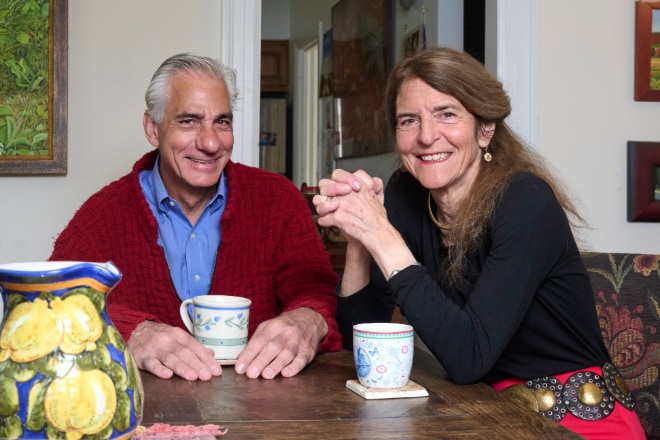
Dr. Maguire: I do oil painting, beekeeping and writing. (I’ve just come inside from setting beetle traps in my honeybee hives.) But I’m still advising the field and keeping my hands in. And I’m Jean’s publicist because she’s very quiet and humble about her own work.
Dr. Bennett: When we started, nobody believed gene therapy would work. We started after somebody died at our institution — we were under incredible scrutiny. And now it’s exciting how many people are exploring it and believe in it. What I’d also say is this: It required a village — more than a village. It was international. The people in Italy, Belgium, Iowa. That’s the cool thing about science; it bridges borders. I wish everything else in life was like that.
AAV: Thank you. It has been a fascinating pleasure. Dr. Maguire, we hope the beetles don’t destroy your bees.