How gene therapy is transforming inherited and acquired retinal disease


Imagine being functionally blind since birth and then, within a week after a single injection into the eye, seeing faces and stars for the first time. That’s what happened to one of the first children to receive voretigene neparvovec in 2017. This therapy was the first FDA-approved treatment for an inherited retinal disease (IRD) delivered directly into the eye. It was a game-changer.
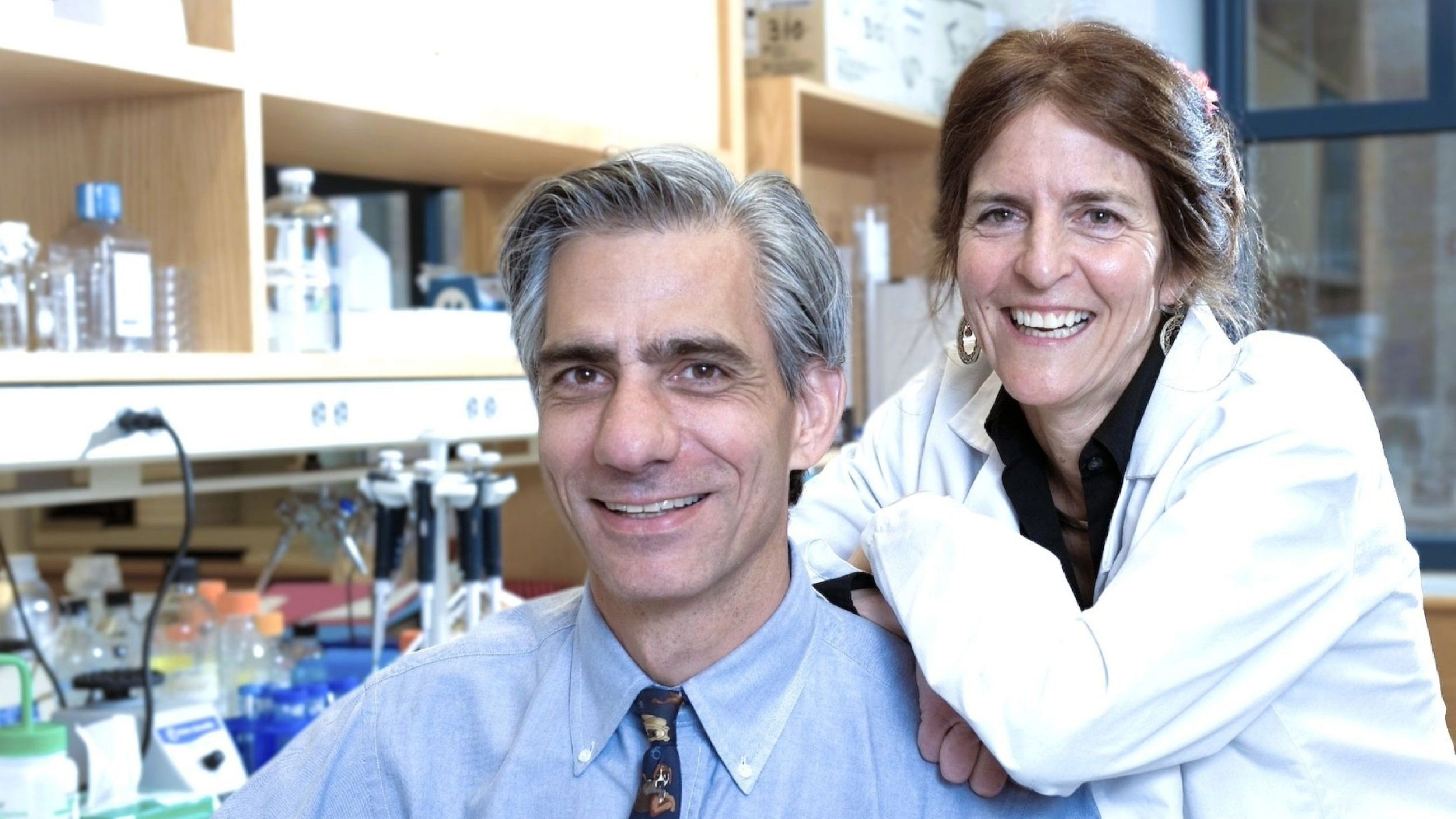
For Jean Bennett, MD, PhD, and Albert Maguire, MD — the molecular biologist and ophthalmologist wife and husband team — the memory still resonates. Along with Katherine A. High, MD, they were honored in April 2026 as Breakthrough Prize in Life Sciences laureates (deemed the “Oscars® of Science”).
“I get a big kick out of it every time I see the before and after, especially the little kids,” says Dr. Maguire, retired professor emeritus of ophthalmology at Penn Medicine and Children’s Hospital of Philadelphia, who performed the surgical procedures in the first clinical trials. “It changes their personality as well as their sight. They go from being very timid, shy and scared to being self-confident.”
Before gene therapy arrived, there were no approved treatments for people born with inherited retinal diseases caused by mutations in any of hundreds of identified genes.
Millions of older adults managing acquired retinal diseases (ARDs) such as age-related macular degeneration (AMD) have had to endure a lifelong cycle of eye injections, often every four to 12 weeks, with missed appointments meaning immediate vision loss again.
That is changing as scientists can correct, replace and edit the faulty genes that drive these retinal diseases. Some treatments deliver a working copy of a faulty gene directly into the cells of the eye. Others use a newer technology called gene editing to correct the faulty gene inside the person’s own eye. In some cases, these treatments may restore sight to people who have been severely vision-impaired for decades.
Gene therapy for retinal disease has surpassed the experimental phase. It’s here and the pipeline for new, approved gene therapies targeting eye diseases is filling fast.
Inherited retinal disease (IRD): The science of being born with a faulty gene
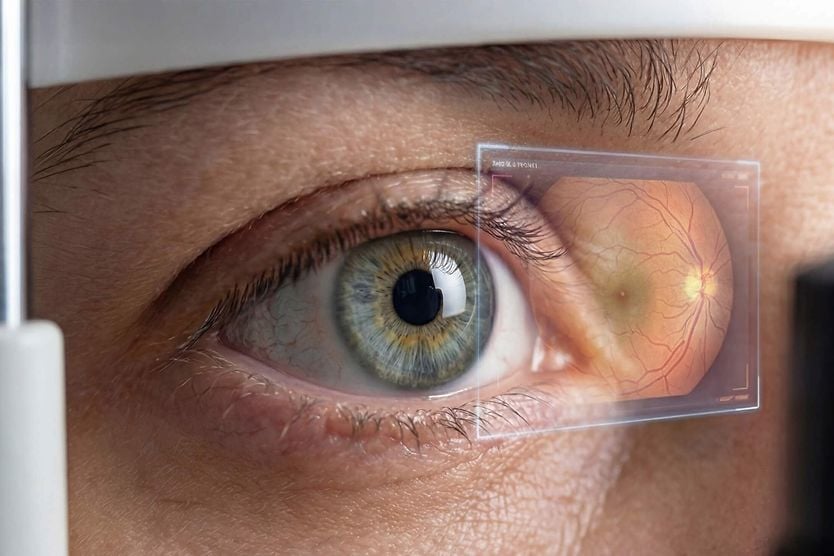
The retina is a paper-thin layer of light-sensing cells located at the back of the eye. Mutations in a multitude of genes can cause retinal function disruptions. This results in IRDs such as:
- Leber congenital amaurosis (LCA), which causes severe vision loss from birth
- Choroideremia
- Retinitis pigmentosa (RP)
- Stargardt disease
- Usher syndrome Type 2A (USH2A)
- X-linked retinoschisis (XLRP)
Then came voretigene neparvovec.
Professor emeritus at University of Pennsylvania and gene therapy pioneer Dr. Bennett was determined to find a solution. She spent more than 30 years shifting retinal gene therapy from mice and canine models to an FDA-approved drug for humans.
“You ask questions, you test a hypothesis, and you come in the next day to see the results,” she said, describing the tenacity of being a scientist striving for game-changing outcomes. “It’s basically a healthy form of gambling. When it works, it’s just, wow! This is really cool. Now I need to test the next thing.”
Voretigene neparvovec delivers a healthy, working copy of the RPE65 gene into retinal cells via injection, using an engineered viral vector called an AAV (adeno-associated virus). This acts like a delivery truck carrying a normal copy of the gene to the exact cells that need it.
“The only thing different from a standard vitrectomy (a surgical procedure to repair multiple eye conditions from retinal detachment to infections) is a very fine-gauge tube placed just under the retina through which the drug is injected,” said Dr. Maguire. “Recovery in terms of getting up and about is almost immediate, the same day. You start to see the benefit, some vision returning, within about a week.”
It was a long and arduous process to receive FDA approval for children one year and older for this treatment. Nearly nine years later, Dr. Maguire has treated dozens of people from age 2 to 47. And every time, he is thrilled with the results.
He recalls one older woman who he thought “probably wouldn’t get any response,” who after the gene therapy could walk down the street unassisted, watch her children coming off the school bus, and see her father’s face before he died.
Beyond acuity, restored or preserved vision may affect daily function — driving, employment, navigation, and reading — which is why trials increasingly measure functional and quality-of-life endpoints, not just letters on a chart.
It’s important to note that voretigene neparvovec only treats one specific retinal condition caused by a mutation in a single gene called RPE65. This affects a small but significant number of people with IRD. Drs. Bennett and Maguire say long-term data is encouraging. They are seeing vision restoration, particularly night vision, even if partial, maintained for eight or more years since the first procedures.
Genetic counseling as the gateway to treatment
Before gene therapy can happen, people need a molecular diagnosis to learn which gene is responsible for their retinal disease. That’s when a certified ophthalmic genetic counselor is essential.
“Having a genetic counselor on your team gives you an expert not only in your disease, but also in genetic testing, genetic inheritance, clinical trials, and local and national vision-loss resources,” explains Rebecca Nelson, MS, CGC, an ophthalmic genetic counselor and IRD service coordinator at Colorado Retina Associates.
An appointment with a genetic counselor covers medical history, family history, and the benefits and limitations of genetic testing. For example, genetic testing can pinpoint which specific gene is responsible for a condition.
This is critical for developing an appropriate treatment plan or joining a clinical trial. When results come back, a genetic counselor will discuss what they mean for the individual and any family members who may be at risk.
“I search ClinicalTrials.gov for disease- and gene-specific trials once genetic results are back,” Nelson said, “and before every follow-up appointment.” For people who don’t receive a genetic explanation, Nelson, like most genetic counselors, offers updated testing every five years. “Your DNA is not changing, but our ability to analyze and interpret your genes improves with time.”
Beyond gene replacement: CRISPR and new frontiers
Voretigene neparvovec delivers a normal copy of a mutated gene, while CRISPR technology corrects the faulty gene itself. CRISPR (clustered regularly interspaced short palindromic repeats) is a gene-editing technology that finds a specific faulty section of DNA and repairs it directly.
Mark Pennesi, MD, PhD, professor of ophthalmology and chief of the ophthalmic genetics division at OHSU’s Casey Eye Institute, helped lead the first EDIT-101 (BRILLIANCE) trial, which was the first time CRISPR was used inside a living body to treat LCA.
Dr. Pennesi described gene editing in this memorable way: “A gene is like a cookbook. With traditional gene therapy, we’re delivering a new copy of the cookbook. With gene editing, we’re actually correcting typos.”
Retinal gene therapy does not necessarily restore sight to 20/20, but it can give people who are blind from retinal disease some functional vision back.
Within the EDIT-101 trial, Dr. Pennesi said he saw real change. “Some patients showed an improvement in visual acuity and retinal sensitivity. Several described being able to see objects around the house that they couldn’t see before.”
Despite the gene therapy revolution, there are still roadblocks. For example, the CRISPR therapy used in EDIT-101 currently has no active funding. Dr. Bennett remains optimistic and hopes the program may continue, because she believes it “offers a whole new set of possibilities to patients.”
Though they are not FDA-approved and will not all reach the finish line, other promising gene therapy programs for retinal diseases are in development. There are 100 programs in active IRD trials and half a dozen in late-stage trials, according to Dr. Bennett. People interested in learning more or participating can search ClinicalTrials.gov by condition and location.
Acquired retinal diseases (ARDs): Turning the eye into its own biofactory
While people are born with IRDs, acquired retinal diseases (ARDs) develop over time. Age-related macular degeneration (AMD) is the most common, affecting around 20 million Americans. The wet form of the disease can lead to irreversible vision in adults over 60.
The injection burden, and why gene therapy could be a game changer
For wet AMD (which causes the most severe and rapid vision loss), injection treatments that block the protein that causes faulty blood vessel growth and leakage typically work. But they require repeat office visits every four to 12 weeks, typically for life. Those who miss appointments lose vision that may not return. And because many older adults rely on others for transportation, this makes the injection schedule a logistical and emotional burden.
Gene therapy can change the game by delivering a gene with one injection. One genetic candidate under investigation adds an anti-protein that prevents damage caused by an existing protein in the eye and it can stimulate the retinal cells to create what they need independently.
Arshad M. Khanani, MD, MA, FASRS, director of clinical research, Sierra Eye Associates, and clinical professor, University of Nevada, Reno, has been involved in many of the leading ARD gene therapy trials.
“With a single treatment, we can enable the cells of the eye to produce the therapeutic protein needed to control disease. For people with wet AMD, this could mean continuous delivery of medication within the eye, potentially eliminating or greatly reducing the need for ongoing injections,” he said.
Preserving functional vision could mean the difference for people between independence and reliance on others for daily tasks such as driving and running errands, said Dr. Khanani. It also reduces the burden on people for frequent treatment visits at a clinic.
FDA-approved gene therapies for ARDs are not available yet. Researchers believe approval for wet AMD gene therapy could happen within two to five years if current trial results stay positive.
Apart from gene therapy, people with dry AMD have treatments such as AREDS2 supplements and, more recently, a photobiomodulation light-therapy device cleared for early-to-intermediate dry AMD. Low vision rehabilitation remains an important element across all stages of this disease.
Optogenetics: When photoreceptors are gone
For people whose photoreceptors (light-sensitive cells in the retina) have already died, conventional gene therapy is not an option. An alternative treatment called optogenetics combines the use of gene therapy and light stimulation.
A landmark 2021 paper reported partial vision restoration in a patient who had only light perception after decades of blindness from retinitis pigmentosa. The author of the study was José-Alain Sahel, MD, distinguished professor and chair of ophthalmology at the University of Pittsburgh and UPMC Vision Institute.
His approach uses gene therapy to convert retinal ganglion cells (a different type of cell not affected by disease) into light sensors, with no need to identify the person’s specific genetic mutation. Results vary and the science is early, but it opens the door for treating late-stage disease.
Dr. Khanani is cautiously optimistic. “Gene therapy for common retinal diseases could be a major breakthrough in optimizing long-term vision. I am also particularly excited about the promise of cell therapy for patients with geographic atrophy, which may offer new options where few currently exist.”
Geographic atrophy is an advanced form of dry AMD where patches of cells in the macula (responsible for detailed central vision) die off and cause permanent blurry or dark vision. Two drugs have been approved by the U.S. Food and Drug Administration (FDA) that can help slow the progression of the disease, although there is no evidence of visual improvement. Now gene therapy trials are working toward delivering that same protection with a single treatment.
Hope grounded in science
The bottom line for IRD patients is clear: gene therapy can be beneficial, the first product is FDA-approved and the clinical trial pipeline is the most active it’s been.
A challenge is identifying people who qualify, which starts with a certified ophthalmic genetic counselor. For ARD patients, even though FDA-approved gene therapy isn’t yet available, researchers are guardedly optimistic because the field is developing fast.
Dr. Bennett, now retired from Penn Medicine but continuing to advise gene therapy companies and foundations, has seen this field grow from nothing.
“When we started, nobody believed it would work. Now it’s exciting how many people are exploring it and believe in it. Science fiction has become reality, and it offers hope to individuals with these terrible diseases,” she said.
If you or a loved one lives with retinal disease, inherited or acquired, ask your ophthalmologist, optometrist or retinal specialist about genetic testing and eligibility for a clinical trial. If you have an IRD or family history of one, ask for a referral to a certified ophthalmic genetic counselor.
The eye is now one of the leading research frontiers for genetic therapies. and people working in this field have never had more reason for hope.
Disclaimer: Gene therapy is a complex and evolving area in the medical field.
While it holds significant potential to improve the management and treatment of retinal disease, it is not a guaranteed cure. Treatment, safety, and long-term outcomes can vary by the person. It is recommended to talk with your eye doctor about the risks and benefits of any treatment.
Resources
- The Foundation of the American Society of Retina Specialists (ASRS) – Offers patient education to support its goal of improving the lives of those suffering from retinal diseases.
- ClinicalTrials.gov – Search by condition, gene mutation and location to find active clinical trials.
- Foundation Fighting Blindness – No-Cost Genetic Testing Program – Offers free genetic testing and counseling for eye care professionals to connect their patients diagnosed with IRD.
- Foundation Fighting Blindness – My Retina Tracker Registry, – This database connects people affected by IRD who set up a profile with researchers and clinical trials.
- National Eye Institute Clinical Trials (National Institutes of Health) – Learn about different types of studies, the benefits and risks, and find active clinical trials.