How To Choose a Cataract Surgeon
Finding the right cataract surgeon may depend on the type of vision correction you need or want, and how much you are willing to spend.
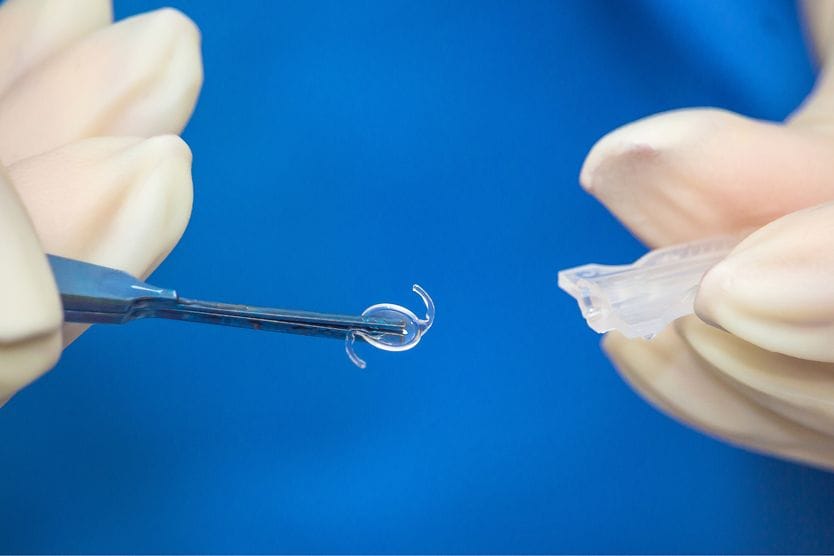
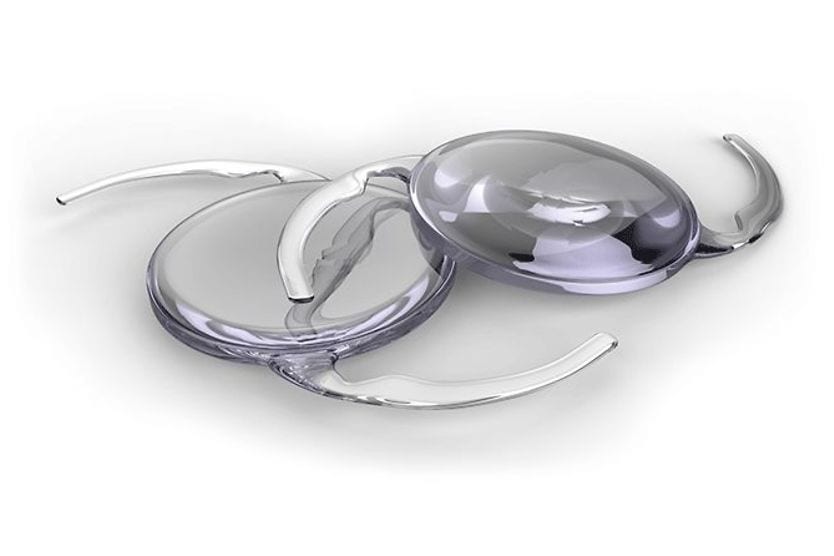
A cataract procedure has one of the highest success rates of any type of surgery you can undergo. And experienced cataract surgeons easily can handle most uncomplicated procedures, which involve removing your eye's clouded natural lens and replacing it with a "standard" artificial lens (intraocular lens or IOL).
Implantation of a "premium" IOL requires extra skill and expertise.
Should You Choose "Premium" or "Standard" Cataract Lenses?
For years, IOLs available for cataract surgery typically provided excellent distance vision. However, reading glasses usually were needed to enhance near vision. Monovision, one eye corrected for distance vision and the other for near, also is possible with standard IOLs, which offer only a single focusing distance such as near or far.
The latest "premium" IOLs also have been FDA-approved and potentially can restore vision at multiple distances. If you choose premium lenses, you must make sure your cataract surgeon is experienced and specifically qualified to perform the type of procedure needed for a good visual outcome.
Most insurance companies and Medicare cover the cost of standard IOL implantation. If you choose premium lenses, you must be prepared to spend as much as $5,000 of your own money for procedures in both eyes. This out-of-pocket expenditure covers the extra cost of these highly specialized lenses that require very specific advanced preoperative testing and surgical techniques.
Depending on whether you are interested in a standard (single-vision) or premium (multivision) IOL, you likely will need different approaches to finding a cataract surgeon.
Because of much higher costs involved with premium lenses and other physical or optical factors that might exclude you as a candidate, the usual choice for most people is a cataract surgeon who performs standard surgery with single-vision IOLs.
Choosing a Cataract Surgeon for Standard Procedures
Cataract surgery is so common that you must know plenty of friends, neighbors or relatives who have had the procedure in your area. When you need surgery yourself, ask around for a referral.
What to ask someone who has undergone standard cataract surgery:
- Was the surgeon's staff friendly and courteous throughout the entire process?
- Did they explain billings thoroughly and clearly?
- Did the surgeon take time to explain the procedure, including potential complications?
- Was the patient made fully aware of all options, including types of lenses that were available?
- Were premium IOLs discussed?
- Was the outcome successful? If not, why not?
- Was follow-up care given promptly, when needed?
As you sort through recommendations of friends and family, you'll be able to narrow down your choices. Consider asking your optometrist or general ophthalmologist who made the initial diagnosis of your cataracts for a recommendation.
When you schedule your first appointment with a cataract surgeon, you need not feel committed at that point. Take time to ask the surgeon and staff plenty of questions, and make sure you are comfortable that this is the person you want for your procedure.
You might want to check out the surgical center as well. While very rare, one issue involving cataract surgical centers might be their infection rate after cataract surgery. Most surgery centers will have these numbers available on file.
Naturally, you will want to make sure that the surgical center you choose has not been associated with anything more than a very rare or isolated incident of this type.
Questions to ask your cataract surgeon or staff:
- How many procedures have you done?
- Do you insert "premium" IOLs?
- Has your surgical center ever had an outbreak of eye infections affecting multiple patients? If so, how many times?
- Who sees patients on the first postoperative day? Is it the surgeon, another ophthalmologist or an optometrist?
Your cataract surgeon and staff also should give you handouts and other information describing the procedure itself, and what you must do to prepare for surgery.
Choosing a Cataract Surgeon for Premium Lenses

Besides the above steps, you will need to take extra measures to find a qualified cataract surgeon if you are interested in a procedure with premium lenses.
Currently, only four FDA-approved IOLs have the potential to provide vision at multiple distances following cataract surgery: IQ ReSTOR (Alcon), ReZoom and Tecnis Multifocal (Abbott Medical Optics) and Crystalens (Bausch & Lomb).
The ReSTOR, Tecnis and ReZoom are multifocal IOLs that require precise placement and centering in relation to the eye's pupil to function appropriately and accurately. These lenses still can produce certain visual distortions, such as glare and halos at night. So your surgeon should discuss this possibility fully with you.
The Crystalens is an accommodating IOL, which means it moves with the natural motion of your eye's muscle to provide vision at multiple distances. This lens has certain advantages and disadvantages, compared with multifocal lenses. Again, your cataract surgeon should discuss details of what you can expect as an outcome.
You'll know your cataract surgeon is taking the right approach for premium IOLs if:
- No guarantees are made of perfect vision.
- You are told you still might need eyeglasses under certain conditions.
- You are advised to keep expectations realistic.
- Your surgeon has a good follow-up policy in place to address any postop problems or complications.
- You are advised that enhancement surgeries such as astigmatism correction may be needed and that these are explained fully, along with possible extra costs.
While premium IOLs are a major innovation in cataract surgery, the decision to have a cataract procedure with a premium lens is yours alone. You'll want to consider all information available about these IOLs, but you would want to avoid a surgeon who "oversells" the concept. No IOL of any kind produces perfect results for every person, and your surgeon should make sure you understand that.
All cataract surgeons who insert premium IOLs also are skilled with standard IOLs. However, not all surgeons who insert standard IOLs will use premium IOLs in a procedure. If your surgeon chooses not to insert premium IOLs, ask why and then get a second opinion from a surgeon who does use these types of IOLs.
You also can validate a cataract surgeon's credentials by checking online membership lists or directories of professional organizations such as the American Academy of Ophthalmology or American Society of Cataract and Refractive Surgery. State licensing boards also can validate a surgeon's credentials, as can the National Practitioner Data Bank.
You may be the kind of patient who insists on embracing the latest technology available, or you may feel more comfortable with a "tried and true" approach that has been in use for several decades.
You should be able to count on your cataract surgeon to guide you regarding exactly which procedure best fits your needs and personality. 
[Page updated July 2009]
- Don't delay your cataract surgery due to cost. Get low monthly payments from CareCredit
- Similasan eye drops relieve and soothe dry eyes, pink eye and allergy eyes
- Lid hygiene is especially important when preparing for cataract surgery. Learn about SteriLid
- Tears Again Hydrate gels contain omega-3 fatty acids to treat dry eyes


Reproduction of any images or text from this website is prohibited by copyright law.