Your guide to sport sunglass lens tints
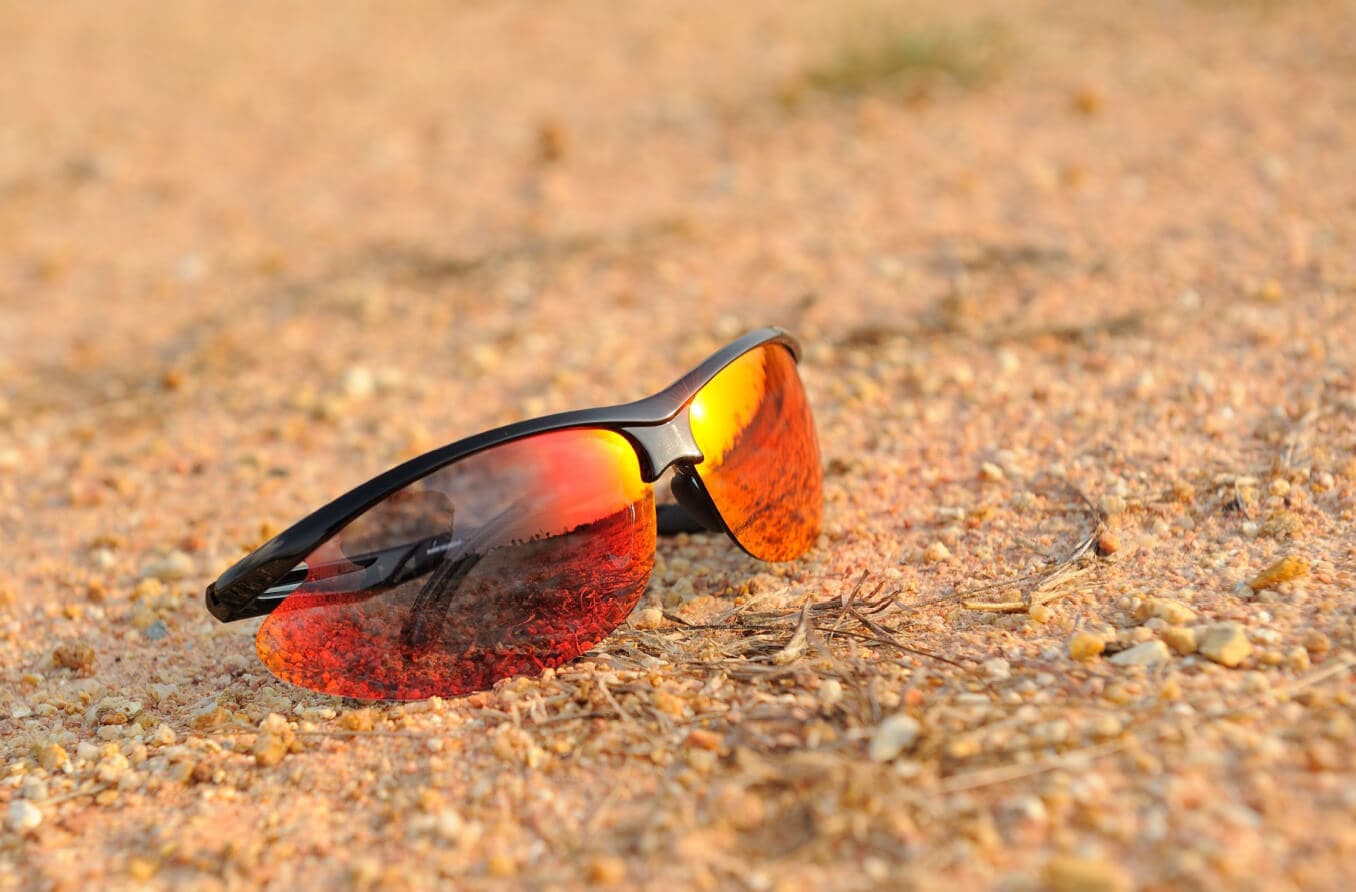
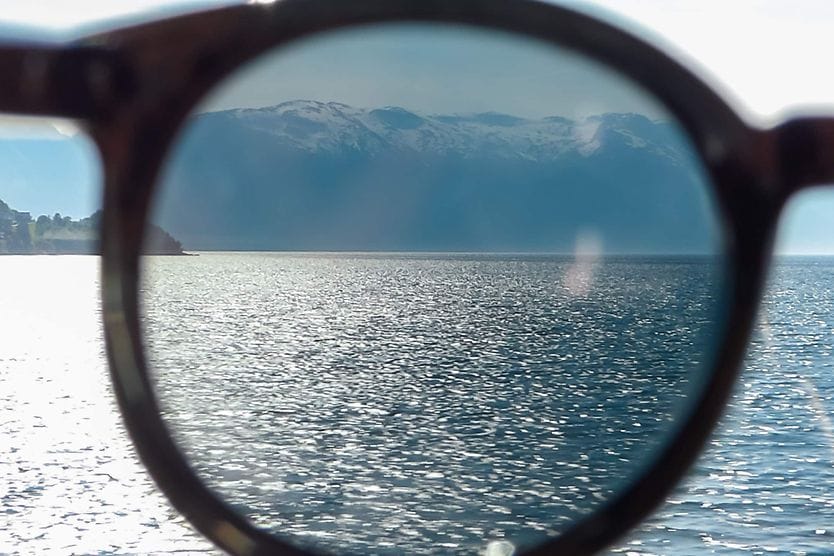
The ideal tint for sport sports eyewear depends on the lighting conditions, environment and other factors related to your preferred sport.
For example, the optimal sunglass tint for volleyball on a sunny day at the beach likely will be too dark for golfing on an overcast or partly cloudy day.
While this guide describes sports sunglass tints recommended by many eye care professionals, don't be afraid to experiment with lens colors and densities. Sometimes, sports lens tints for optimizing performance are a matter of personal preference.
Sports sunglass lens tint guide
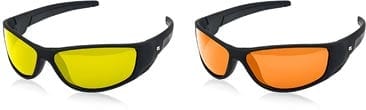
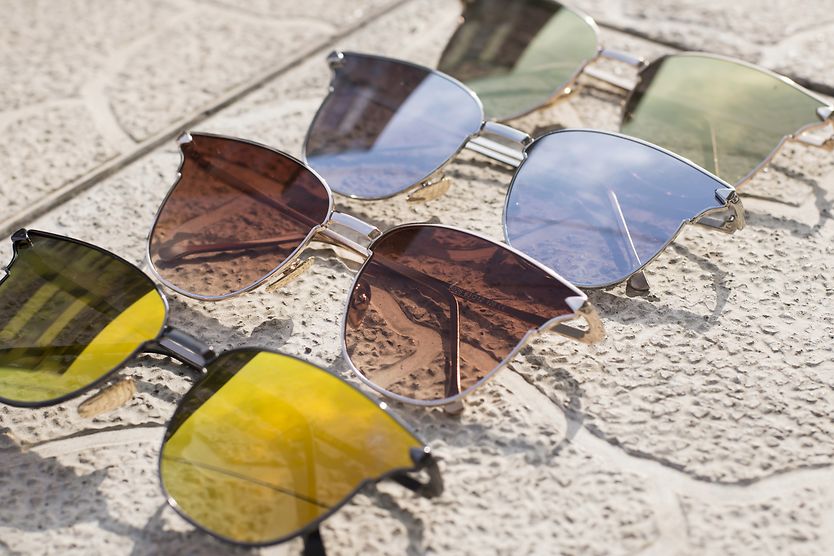
Yellow or orange – These tints can heighten contrast in overcast, hazy, low-light conditions outdoors or for indoor sports. They may also filter blue light for sharper focus. Sports: Cycling, hunting, shooting, skiing, snowboarding, snowmobiling, indoor basketball, handball, racquetball and tennis.

Amber, rose or red – These can heighten contrast in partly cloudy and sunny conditions, but may cause color imbalances. Sports: Cycling, fishing (amber lenses for sandy lake or stream beds), hunting, shooting, skiing, snowboarding, snowmobiling and water sports.
Dark amber, copper or brown (includes melanin lenses) can filter high amounts of blue light to help heighten contrast and visual acuity. Sports: Baseball, cycling, fishing (especially in waters with grassy bottoms), golf, hunting, skiing and water sports.
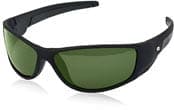
Green – Green lens tint can heighten contrast while preserving color balance. Sports: Baseball and golf.
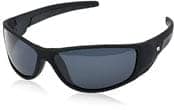
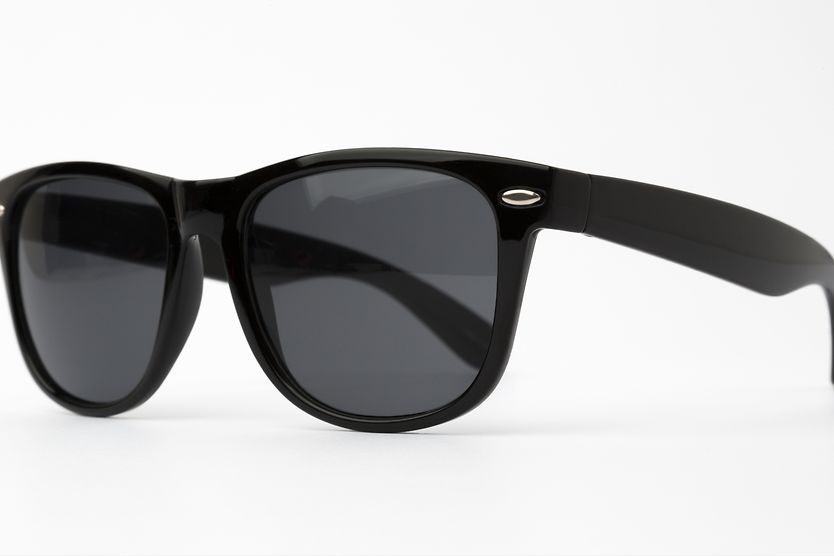
Gray – Gray tinted lenses can reduce overall brightness while preserving 100 percent normal color perception. Sports: All outdoor sports in bright light conditions.
Shopping tips
Most optical shops have tint samples you can use to help you decide which lens tints are for you. Try to evaluate the lenses in lighting conditions that match those you will experience most often during your sport.
If you participate in several sports or in a variety of lighting conditions, consider purchasing more than one pair of sport sunglasses, with different lens tints in each pair. Some sport sunglasses have interchangeable lenses, so you can customize your tint for different activities and conditions.
Another option is sport frames with photochromic lenses. These light-sensitive lenses darken automatically in response to sunlight and are available in a variety of tint colors, including gray, brown and green.
No matter which type of sport sunglass lens tint or photochromic lenses you choose, consider having anti-reflective coating applied to the back surface of your lenses. This helps eliminate glare from light reflecting off the back surface of your lenses when you're facing away from the sun.
Start with an eye exam
Before purchasing sports sunglasses, schedule an eye exam with an eye doctor near you. Even a small amount of refractive error or a small change in your glasses prescription can make a big difference in giving you clear, comfortable vision when wearing sport sunglasses.