Nutrition and Vitamins for Your Eyes
Herbs, Nutrition, and Cataracts
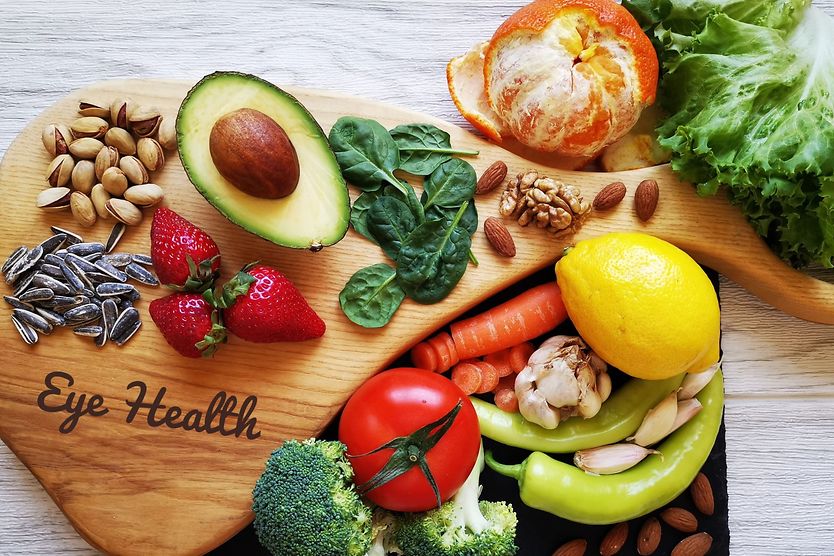
Can you stave off cataracts by using herbs or changing your diet? This article explores the links that may exist between eye disease and what we eat.
Fat You Can Use: EFAs
You're getting too much fat in your diet ... and not enough: the average
American consumes way too much omega-6 fatty acid and not nearly enough omega-3.
These fatty acids affect the eyes in a wide variety of ways. Find out how, and
learn which foods to avoid and which to add to your diet.
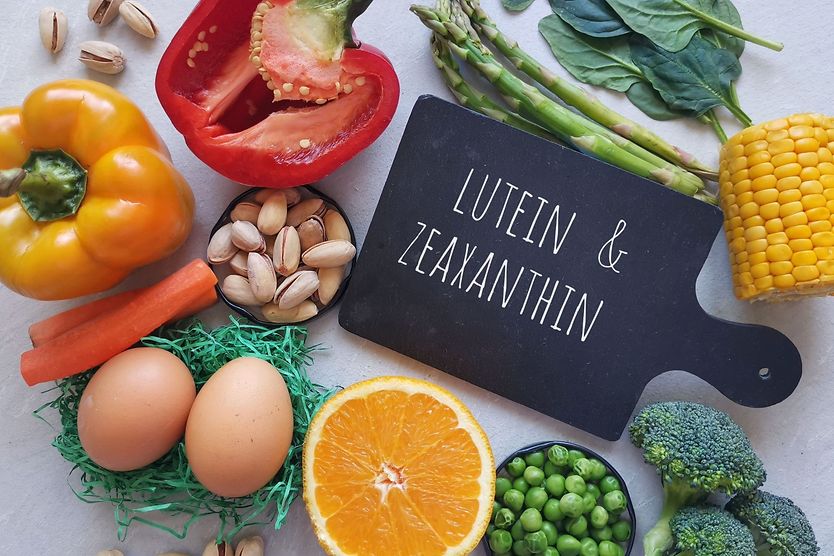
Lutein and Zeaxanthin
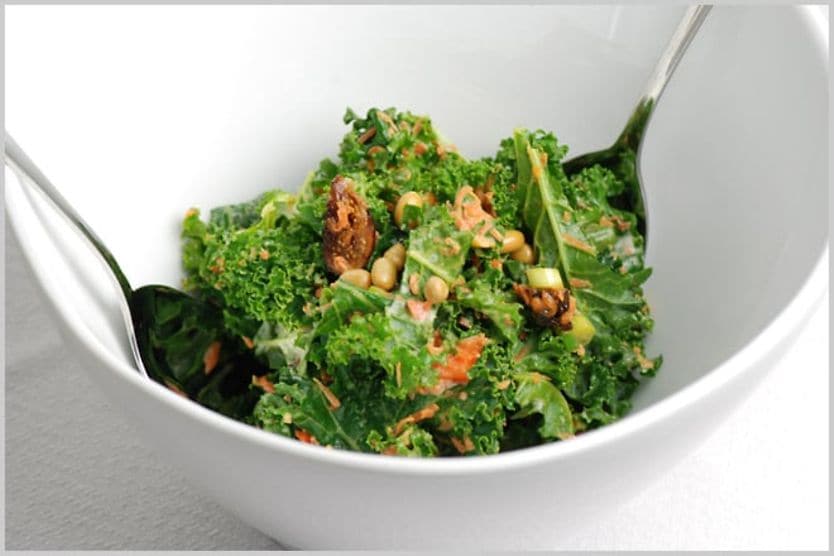
Lutein and zeaxanthin are antioxidants found in many vegetables. Read about their effect on the eyes, with
information on the best sources (and possible side effects of consuming too much).
Flaxseed Oil's Benefits for Dry Eyes
Research has found that flaxseed oil can help relieve the effects of dry eye syndrome.
Read about how it compares with other dry eye medications, recommended dosage, how to store flaxseed oil, and more.
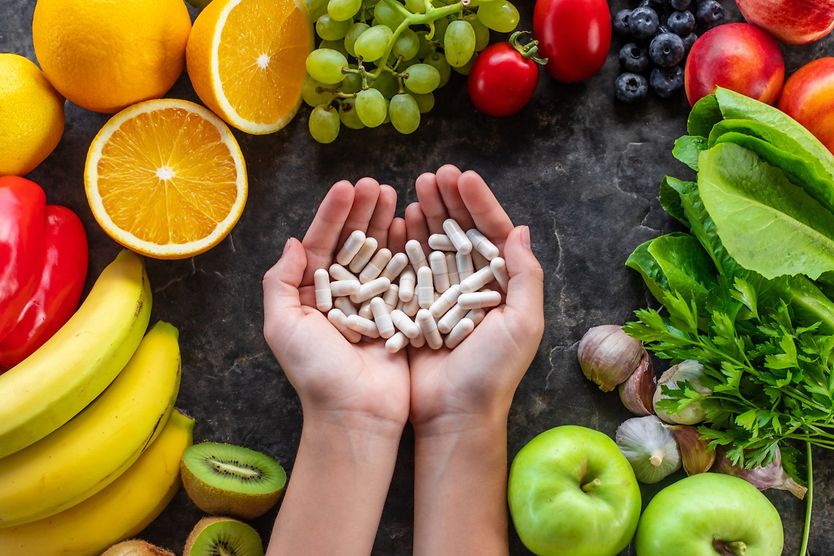
How to Choose Nutritional Supplements for Vision
What vitamins to look for in a supplement, with information on the best sources of certain vitamins and precautions to follow.
Nutrition and Your Eyes: In a Nutshell
Whether you've read all the articles in this section and want a condensed recap,
or you just want to cut to the chase about what foods you should be eating to
protect your eyes, this summary is the place to go!
Vitamin A and Carotenoids: Antioxidants for Sight
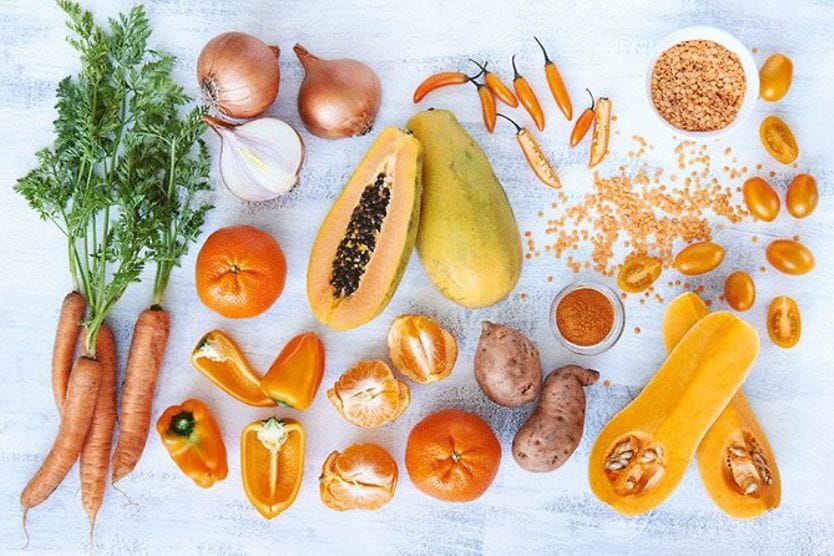
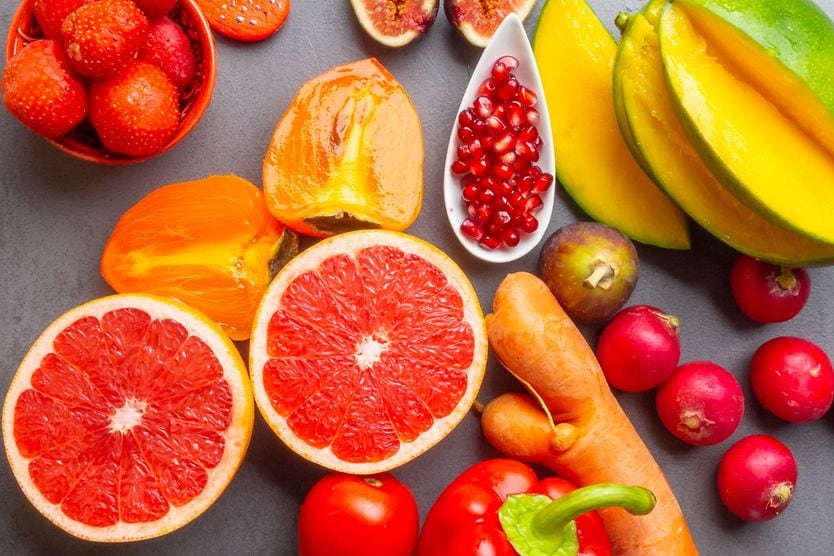
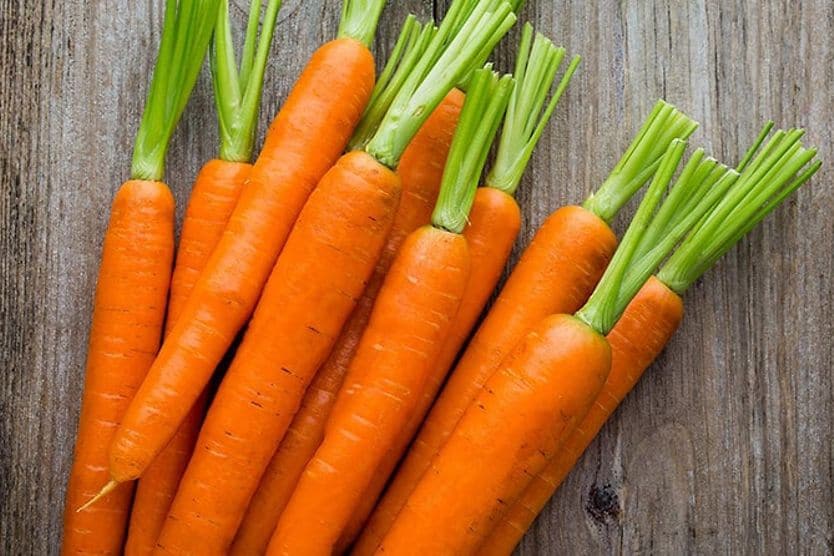
Carotenoids give carrots their orange color. You can find them in many red,
yellow and orange fruits and vegetables, as well as in green, leafy vegetables
(which are a great source of the carotenoid lutein). Find out how they're linked
to blindness, cataracts and macular degeneration.
Vitamin C and Bioflavonoids: The Batman and Robin of Eye Health
Ever-popular vitamin C may reduce your risk of glaucoma, cataracts and macular degeneration.
Bioflavonoids help your body to absorb vitamin C and sometimes work as
antioxidants themselves. Learn which common fruits and vegetables contain
vitamin C and bioflavonoids.
Vitamin E and Minerals: Nutrition from Nuts
Like vitamins A and C, vitamin E may reduce your risk of cataracts and
macular degeneration. The minerals selenium and zinc help your body to absorb
antioxidant vitamins and may have their own protective effects as well.
[Page updated February 2007]
More articles on nutrition and the eyes: |
|