Performance Sunglasses
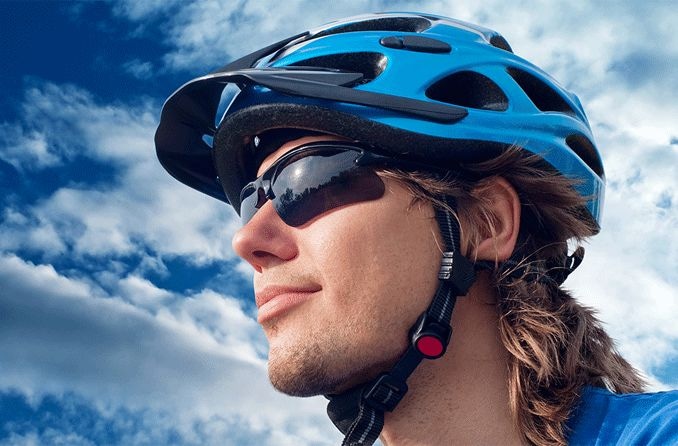
Interest in performance-oriented sunglasses has surged in recent years, along with participation in outdoor activities such as mountain biking, snowboarding, rock climbing, kayaking, skiing, golfing and in-line skating. Durable and specialized performance sunglasses are needed also for certain professions such as the military.
To meet the demands of both casual and competitive athletes, sunglass manufacturers are developing innovative new sport sunglasses to provide the best vision possible under extreme conditions.
The results: lightweight, flexible, durable materials, no-slip components that do not fail in the heat of the moment and, of course, many choices in lenses.
Sunglass Lenses for High Performance
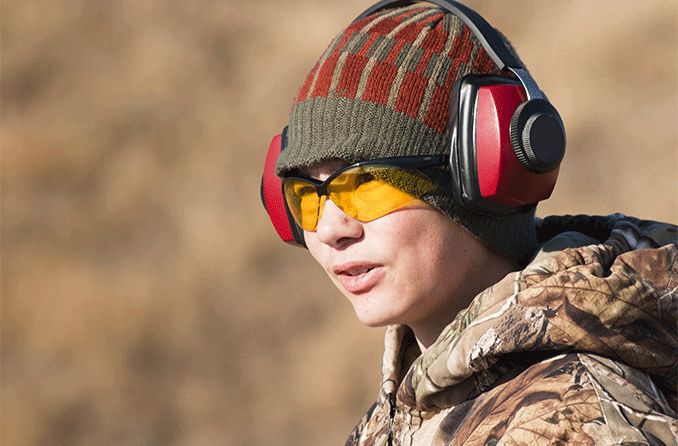
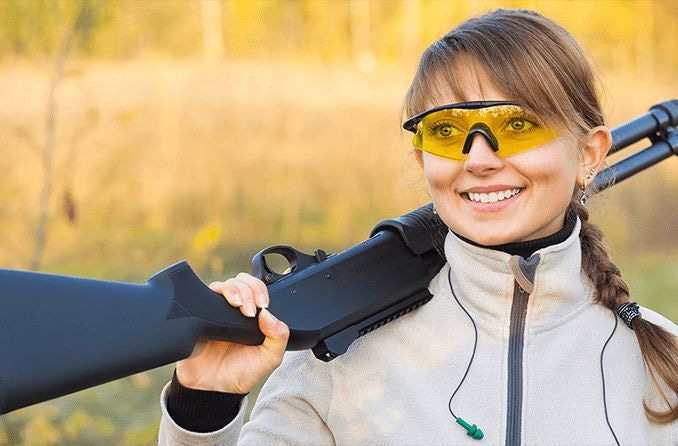
Perhaps the most important elements of effective sports sunglasses are the optical quality and visual enhancement properties of the lenses. Many lens tints such as brown, green, gray, yellow and orange are now available, with each color suitable for specific circumstances.
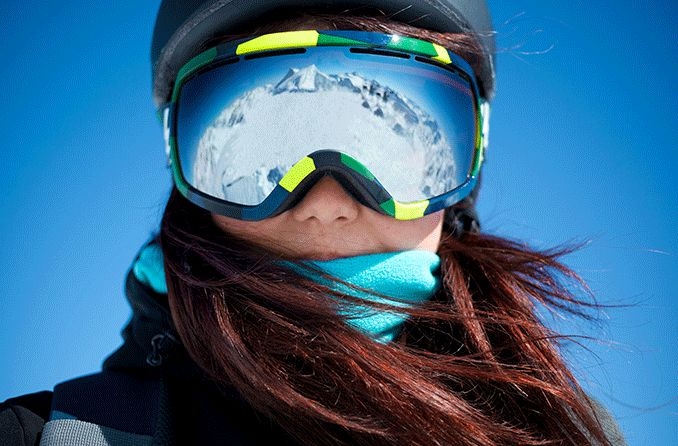
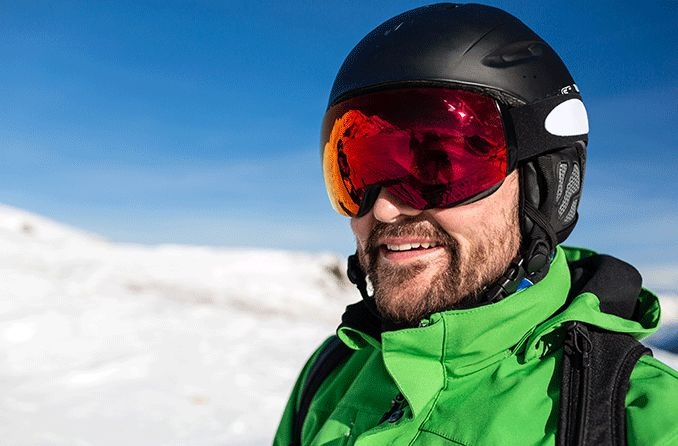
Skiers in snow would want the high contrast provided by amber lenses, whereas gray lenses are best for preserving "real world" colors in bright sunlight.

Wear prescription eyeglasses? One option is sunglasses designed to be worn over them, like the Tolosa style from the Haven Fits Over Sunglasses Panorama collection, with gray or amber polarized lenses for glare reduction and a panoramic side view.
Polycarbonate lenses are the best choice for high performance sunglasses because they are lightweight, super strong and more impact-resistant than most other lens materials.
Polarized lenses also are in demand because they reduce glare from light reflecting off flat surfaces, such as water or a field of snow.
However, debates continue about advisability of polarized lenses for sports such as downhill and mogul skiing, because you may need to see sunlight reflecting from icy patches on the slopes to avoid accidents.
Though glass lenses have the best optical quality of conventionally produced lenses, they are not recommended for rugged activities because they are more likely to shatter on impact than lenses made of polycarbonate or other materials.
For the best possible visual acuity during outdoor activities, consider new eyeglass lenses made with wavefront-guided design technology. This exciting new lens technology creates a 100 percent customized lens prescription that can correct minor optical imperfections (aberrations) of the eye that regular eyeglass lenses can't address.
Wavefront-guided lenses may be particularly helpful in optimizing visual acuity in low light. But they also may provide slightly better visual acuity during the daytime. Ask your eye doctor or optician for details.
What Kind of Sunglass Performance Do You Need Outdoors?
Each outdoor activity has its own specific visual requirements, and this has led to the development of sports-specific sunwear. Many frames and lenses also now specifically target the golfer, cyclist, boater, rock climber, etc.
For example, a certain lens tint may help golfers notice subtle changes in the direction of the blades of grass on a green that could affect the line of a putt. But a completely different tint may be best to help a hunter see the contrast of a bird against an overcast sky.
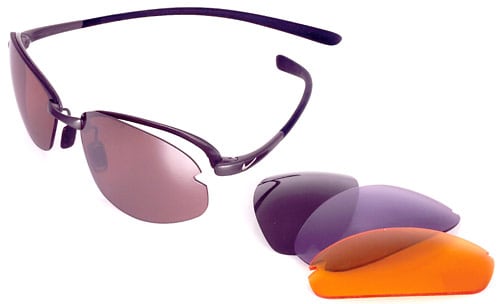
Also, a number of multi-purpose sunglasses now on the market feature interchangeable lenses with different tints for different activities and lighting conditions.
Another trend in outdoor eyewear, aimed at more brand-conscious consumers, is celebrity endorsement.
Basketball player Kobe Bryant, Olympic snowboarding champion Shaun White, Indy car racer Danica Patrick, Olympic gold medalist skier Julia Mancuso and other high-profile sports personalities have signed endorsement deals with major eyewear manufacturers to increase brand awareness of the companies' sunglasses and goggles.
Top Five Trends in Outdoor/Performance Sunglasses
- Changeable lens systems that allow the wearer to use dark lenses for sunshine, clear lenses for darker or in-the-woods conditions as well as simple protection from potential flying objects, or yellow and orange lenses for low light.
- Lightweight and durable frame materials such as polyamide, which keeps its shape even under stress.
- Styles that have both a performance advantage and sleek fashion styling.
- Polarized lenses for glare reduction and better contrast, especially on the water.
- No-slip temple grips and nose pads, often made of rubber, that keep the sunglasses in place even in the heat of competition.


Wiley X Rout Climate Control sunglasses with polarized lenses, designed especially for freshwater and saltwater fishing.
Gary Heiting, OD also contributed to this article.
[Page updated January 2013]
For more Sunglasses articles, please visit this section's home page or use the search box below. |