Computer glasses: Custom glasses for computer use


What are computer glasses?
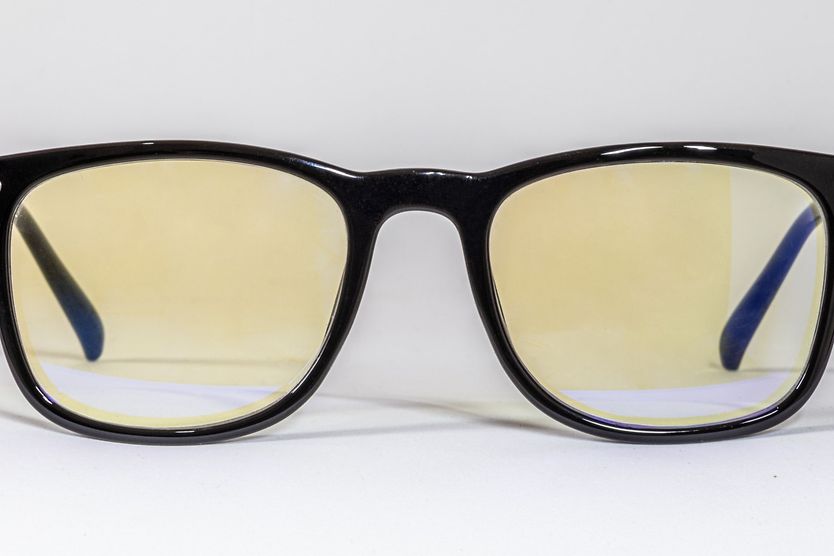
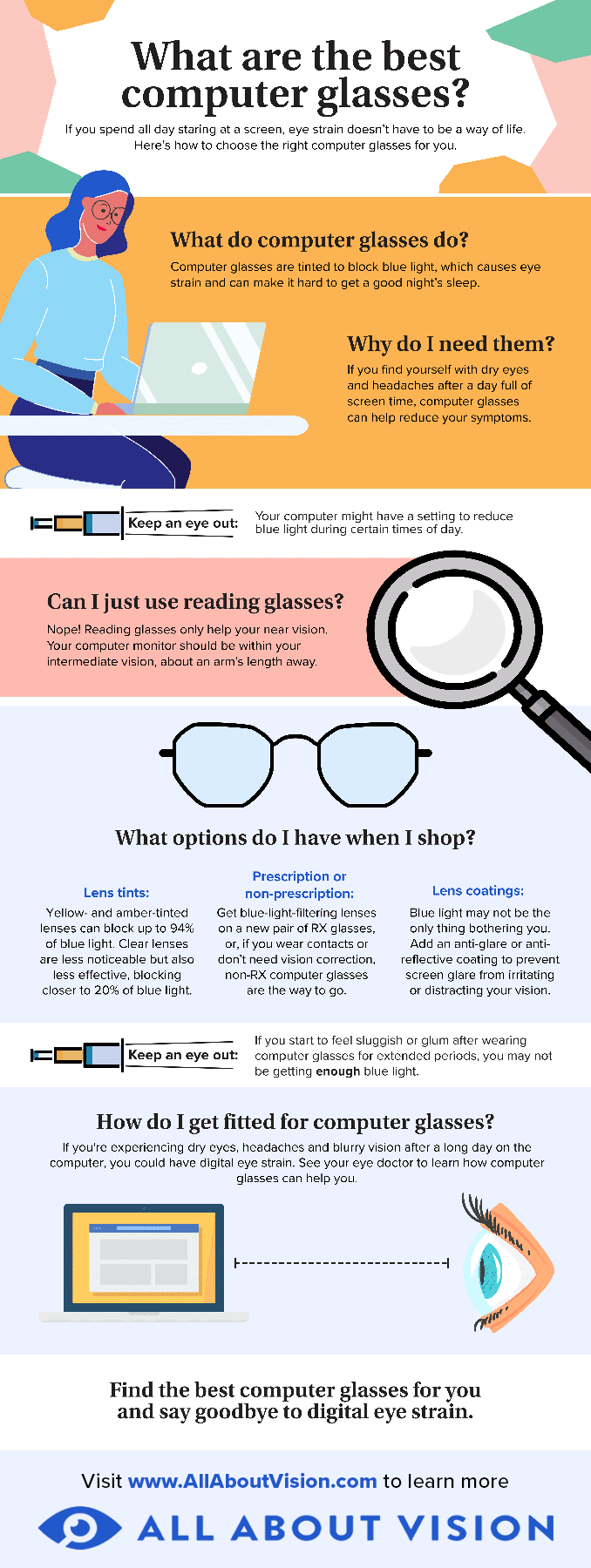
Computer glasses are eyeglasses specifically designed for viewing computers, tablets and smartphones. Computer glasses are intended for close-up tasks only. They should not be worn for driving or general purpose use.
Computer glasses relieve focusing stress from computer use that can cause digital eye strain. Some computer glasses also help filter blue-violet light emitted by the screens of digital devices.
Why wear computer glasses?
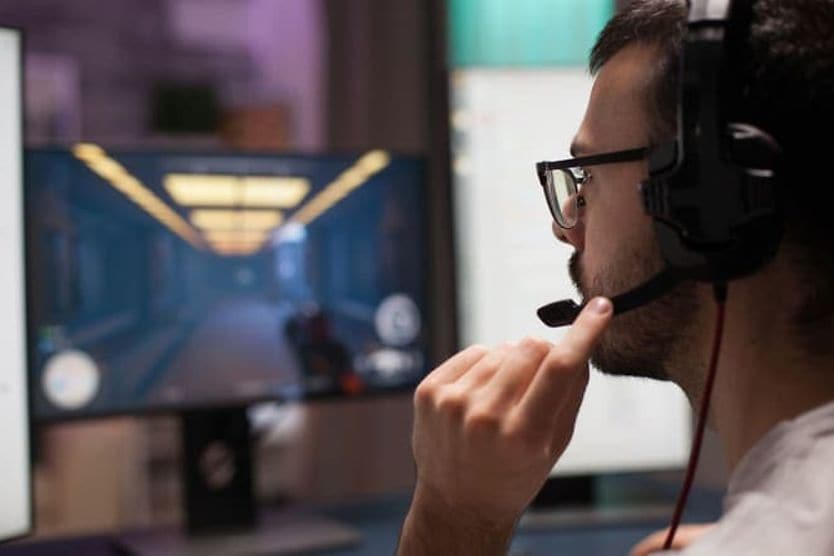
It’s common to experience signs and symptoms of digital eye strain when viewing screens for extended periods of time. These include:
- Headaches
- Blurry vision
- Fluctuating vision
- Red eyes
- Dry eyes
- Tired eyes
- Burning eyes
- Double vision
- Eye twitching
Digital eye strain is also called computer vision syndrome.
Our eyes (and bodies) aren't made for staring at a near object — like a glowing computer screen — for long periods of time. This causes strain and fatigue of the ciliary muscle inside the eye that controls the shape of lens and the focusing power of the eye. It also tires the extraocular muscles surrounding our eyes that control eye position and alignment. The tiring of these muscles leads to discomfort and visual symptoms.
Wearing computer glasses can reduce the risk of eye muscle fatigue and discomfort caused by prolonged screen time.
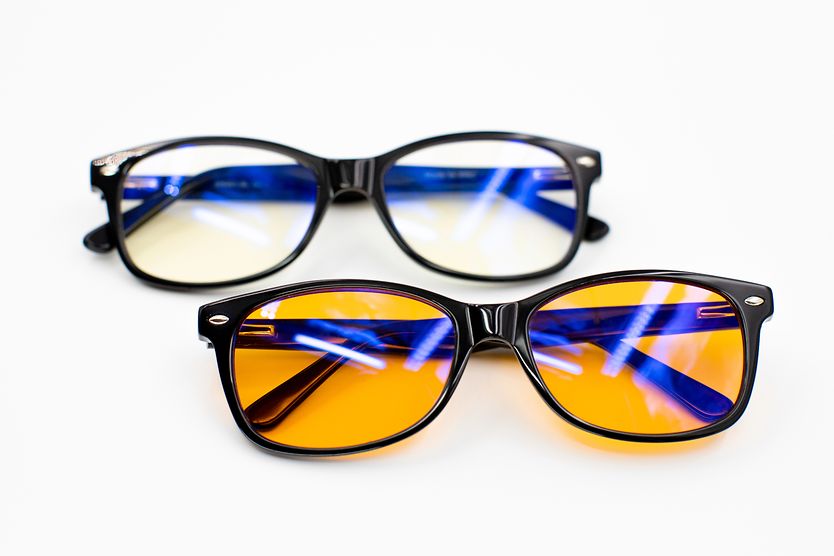
Some computer glasses also filter the blue light emitted by digital devices. Clear blue light filtering glasses (also sometimes called blue light blocking glasses or blue blockers) filter high-energy blue-violet light. Darker tinted glasses may be required to filter a broader range of blue light, such as blue-turquoise light. It is best to discuss your individual needs with your eye doctor. These will depend on your work requirements, screen usage, device specifications and display settings.
READ MORE: What is asthenopia?
How computer glasses work
Basically, computer glasses can reduce how much focusing your eyes must do when viewing digital devices. This could be comforting for people of all ages. It's particularly helpful if you’re over age 40. This is when we begin to experience symptoms of presbyopia — the normal age-related loss of near focusing ability.
Computer glasses should also correct any nearsightedness, farsightedness or astigmatism you have. Research shows that even small amounts of uncorrected refractive errors can cause computer vision problems and reduced productivity.
Computer glasses vs reading glasses
Computer glasses differ from regular eyeglasses or reading glasses in a number of ways.
For greatest comfort, your computer screen and digital devices should be about 20 to 26 inches from your eyes. This is considered the intermediate zone of vision — closer than driving (“distance”) vision, but farther away than reading (“near”) vision.
If you are under age 40 and wear prescription eyeglasses, these glasses may provide clear vision at all viewing distances. But focusing on intermediate and near objects still requires effort by the ciliary muscle in your eye. The longer you stare at your computer and phone screens, the more fatigued this muscle and your eyes become.
If you are beginning to experience presbyopia, bifocals can provide clear distance and near vision. But intermediate vision (needed for computer use and seeing your smartphone) often remains a problem. Progressive lenses and trifocals offer some help for intermediate vision. But they often don’t have a large enough intermediate zone for comfortable computer work.
For these reasons, many people try reading glasses for computer use. But these, too, have limitations.
Generally, computer glasses have about 60% the magnifying power of reading glasses. (The optimal magnification depends on how far you prefer to sit from your computer screen and how close you hold your digital devices.)
Store-bought reading glasses are simply magnifying lenses in a frame.
Good computer glasses, on the other hand, do three things:
- Correct any refractive errors you have
- Provide the optimum amount of magnification for viewing your digital devices
- Potentially reduce exposure to blue light
Also, custom computer glasses position the optical center of the lenses directly in front of your pupils when using your devices. This intermediate pupillary distance is not customized in store-bought reading glasses.
And store-bought reading glasses may provide little or no blue light filtering.
Custom computer glasses provide a wide, clear view of your digital devices, reduce focusing effort, and offer the added benefit of filtering blue-violet light.
Lens designs for computer glasses
There are several types of eyeglass lens designs for computer glasses. Because these lenses are prescribed specifically for computer use, they are not suitable for driving or general purpose wear.
Single vision computer glasses
The simplest computer glasses have lenses with the same power throughout the entire lens. These are called single vision lenses. This lens power is customized for your specific needs and preferred computer viewing distance.
Single vision computer glasses reduce the risk of eye strain, blurred vision and unnatural posture that can cause neck and back pain. They are comfortable for young and older computer users alike.
Progressive computer glasses
Progressive computer lenses are no-line multifocal lenses. They have different powers for your distant, intermediate and near vision needs.
Progressive computer lenses have a larger intermediate zone than regular progressive lenses. This provides a wider view of your computer screen. But these lenses have a smaller zone for distance vision and therefore are not recommended for driving.
Bifocal and trifocal computer glasses
Other lenses used for computer glasses include occupational bifocal and trifocal lenses. These multifocal lenses have larger zones for intermediate and near vision than regular bifocals and trifocals. Also, the position of the intermediate and near zones of these glasses can be customized for computer use.
Your optometrist or ophthalmologist can help you decide which lens design will best suit your needs for computer glasses.
Lens coatings and tints
For greatest comfort, the lenses of your computer glasses should include anti-reflective coating. Reflections from the front and back surfaces of eyeglass lenses can cause eye strain. Anti-reflective (AR) coating eliminates these annoying reflections.
A blue-violet light filtering is another option.
Your eye doctor might also recommend adding a mild tint to the lenses of your computer glasses to reduce glare from overhead lighting.
Where to buy computer glasses
Start by having a comprehensive eye exam to rule out vision problems or update your eyeglasses prescription.
Before scheduling your eye exam, measure how far you like to sit from your computer. Measure from the bridge of your nose to the surface of your computer screen.
Bring this measurement with you to your eye exam. It will help your eye doctor determine the best lens power for your computer glasses.
See Also: Do You Need Computer Glasses?