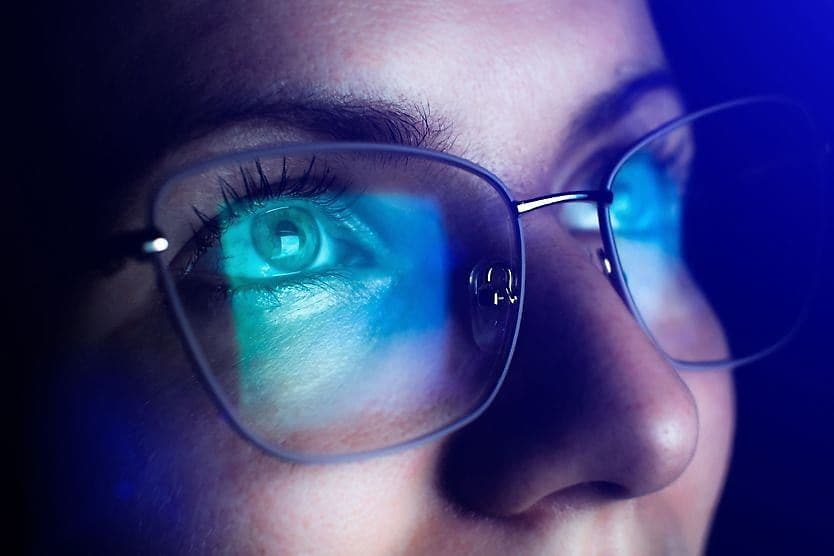
Will computer glasses reduce digital eye strain?

You’re hunched over your keyboard, staring — and possibly squinting — at your computer screen. You’ve heard of computer glasses. Would they help you to see the screen clearly and relieve digital eye strain?
Potentially, yes. Computer glasses that filter blue light may help to relieve digital eye strain.
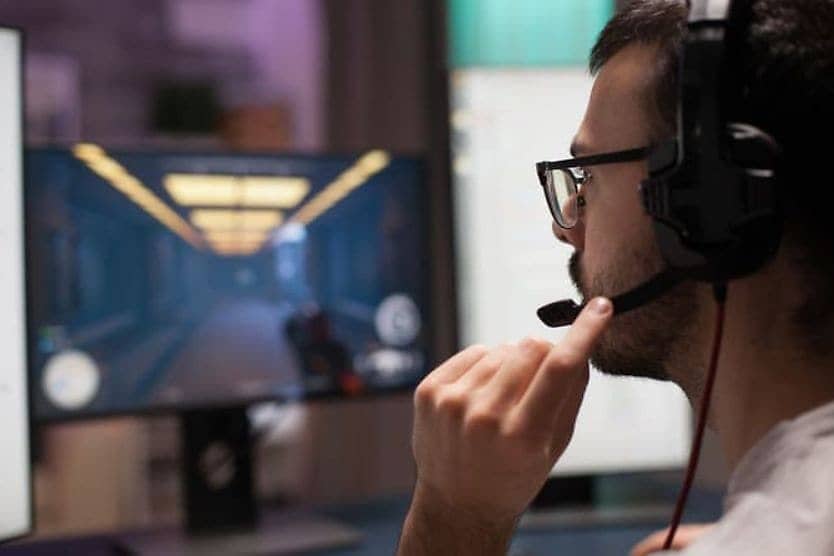
What you may not realize is how the glare of your bright screen can affect your sight. Exposure to digital screens can cause symptoms like headaches, dry eyes or blurred vision when moderation isn’t practiced.
Wearing computer glasses and being mindful of your screen time can reduce symptoms associated with digital eye strain, also known as computer vision syndrome.
What is digital eye strain?
Digital eye strain symptoms include blurred vision, double vision, eye fatigue, dry eyes, irritated eyes, red eyes, eye twitching and headaches.
Digital eye strain can even cause neck and shoulder pain.
How big is the problem?
According to an eye care organization survey about 80% of American adults report using digital devices for more than two hours per day, and 59% report experiencing symptoms of digital eye strain.
What is the breakdown of digital eye strain symptoms, according to the survey?
- 35% report experiencing neck and shoulder pain
- 32.4% report experiencing eye strain
- 27.9% report experiencing blurred vision
- 27.7% report experiencing headaches
- 27.2% report experiencing dry eyes

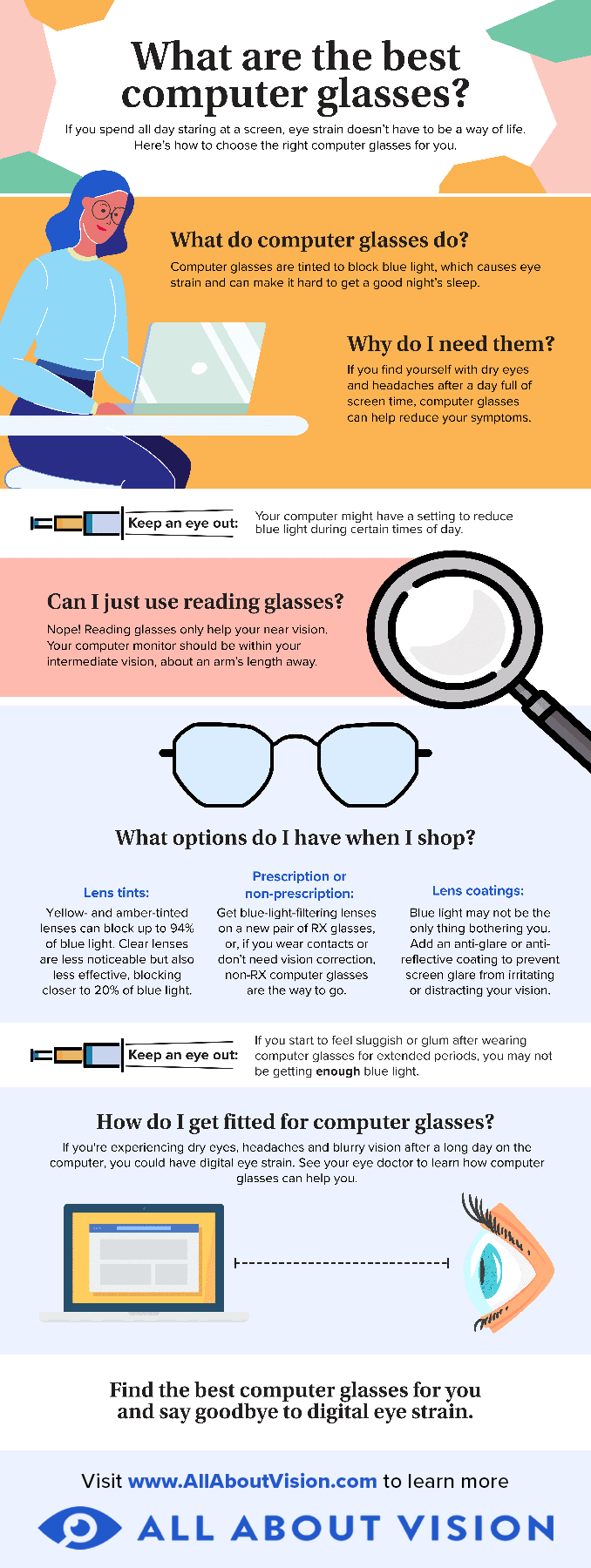
Click here to view infographic
EXPERIENCING DIGITAL EYE STRAIN? Find an eye doctor near you and book an eye exam.
What is blue light?
Our lives are increasingly digital — how did we get by without our smartphones? — but prolonged usage of digital devices increases our exposure to blue light.
Blue light can be broken down into two bands: higher-energy blue-violet light and lower-energy blue-turquoise light. Most electronic devices emit some blue light, although the amount and type can differ depending on the manufacturer.
Blue-turquoise light is essential for feeling alert, and it’s important to remember that even indoors, most blue light exposure comes from the sun.
But if you spend too much time looking at a bright monitor close to your face, there are some steps you can take to develop healthier screen habits:
- Don’t use your devices before bedtime. Research shows spending time on your devices before sleeping can keep you from getting a good night’s sleep.
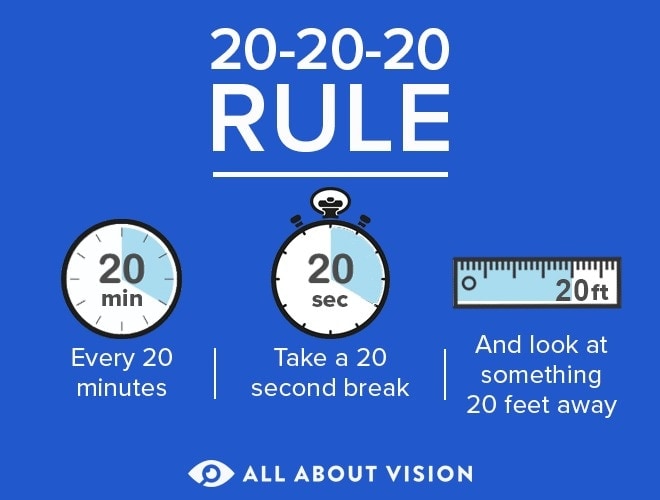
- Take breaks from your devices. Follow the 20-20-20 rule to reduce your risk of digital eye strain symptoms. The rule? Every 20 minutes, take 20 seconds to look 20 feet away.
- Try blue-light filtering lenses. Some people find these lenses can help improve visual comfort when using electronic devices.
How blue light glasses work
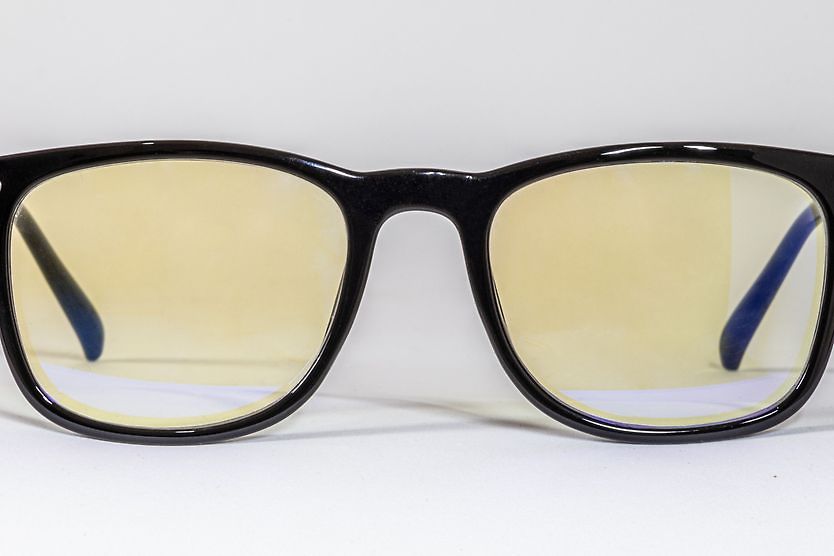
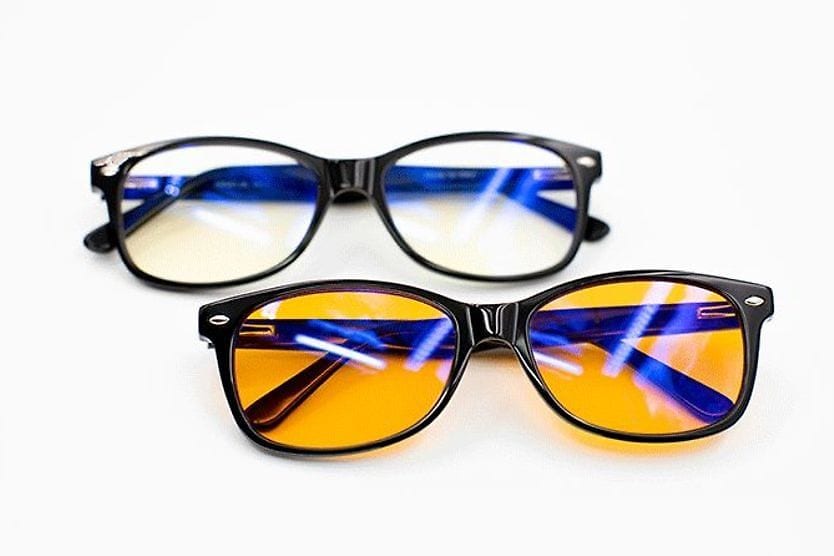
"Blue light glasses have lens treatments that filter out blue light,” says optometrist Suzanne Kim of the MEDARVA Low Vision Center in Richmond, Virginia.
“The lenses reduce the amount of blue light entering the eye,” potentially making work on digital screens more comfortable to the eyes, she adds.
What to look for in computer glasses
For maximum viewing comfort, consider anti-reflective (AR) coating for the lenses of your computer glasses. Sometimes called anti-glare treatment, AR coating reduces the reflections of light from the front and back surfaces of your lenses that can cause eye strain.
Blue-violet light filtering coating is also an added benefit.
Do you need a prescription for computer glasses?
“If you do not normally wear glasses and have no prescription, you can purchase 'blue light' glasses without a doctor’s prescription,” Dr. Kim says.
“If you have a glasses prescription (if you’re nearsighted, farsighted or have astigmatism), then you will need a doctor’s prescription to have the computer filter added on,” she says.
Do you need computer glasses?
While some eye care organizations do not recommend any special eyewear for computer use, Dr. Kim says her patients who use computer glasses reported improved visual comfort.
Skeptics of blue light glasses say digital eye strain symptoms caused by computer use are only temporary and will ease after you stop using (or take a break from) your devices.
Some final tips on how to reduce digital eye strain? Sit up straight at your computer, increase the font size on your screen, and improve the ergonomics of your workstation to help reduce your digital eye strain and the pain in your back and neck.
SHOPPING FOR COMPUTER GLASSES? Find an optical store near you or online and search for computer glasses and blue-light filtering lenses.