Shooting glasses and hunting eyewear
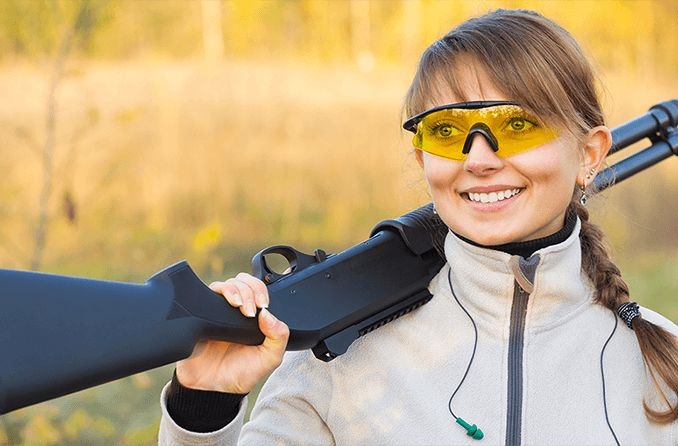
Eye protection is essential for anyone using a firearm, whether at a shooting range or in a forest or field.
All firearms have a certain amount of recoil, and many shooting activities take place outdoors where wind, sun and dust also can lead to eye and vision problems.
Shotguns and rifles are held on the shoulder, while handguns are no more than an arm's length away. These different shooting activities occur in close proximity to the face, which means you should take every precaution to shield your eyes from harm.
Proper eye protection is important and often is required during organized matches or while shooting on a range. Some rangemasters allow shooters to wear any kind of eyewear they like, but sometimes certain safety standards are required.
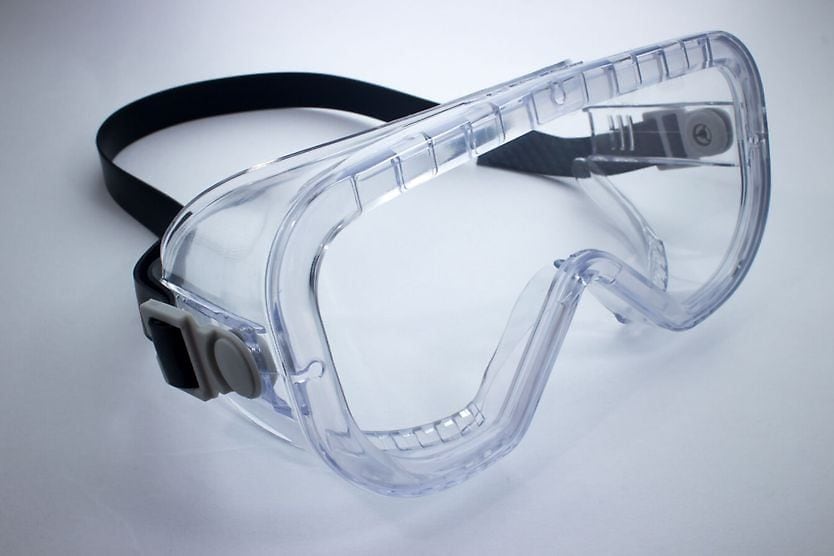
Generic, contoured nonprescription sports goggles are acceptable if you don't require vision correction or if you wear contact lenses. These goggles may slightly wrap around the face and can help keep out wind and dust.
If you need prescription shooting glasses in order to see clearly, shooting glasses in styles similar to aviator sunglasses tend to be popular.
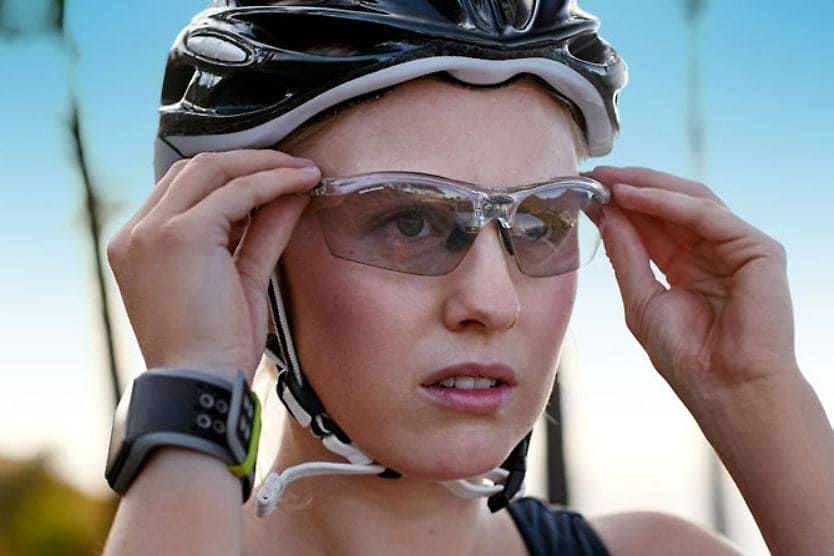
Eyewear designed for shooters, however, has a few more features that may help make you more comfortable while using a firearm:
- The frame styles generally have a "sweat bar" that runs the width of the frame above the lenses to add stability to the frame for a more secure fit.
- The frames are also made in a rounded shape, to avoid sharp corners that could press into your face.
- Some brands have special padding on the frame around the eyes. The padding cushions the frame against your face in case the gun recoils too far. This also helps to keep out wind and dust.
Additional frame features in shooting glasses
The temples of shooting glasses are often designed with spring hinges that can allow the frame to flex without breaking when recoil occurs. Temples may also wrap around the ear in the "cable" style to help keep the frame in place, and the tips of the temples may feature rounded ends to enhance comfort.
Nose pads are often adjustable so that the frame rests in the optimum position, and soft silicone pads are commonly used for additional comfort.
Some shooting glasses feature bridges that adjust to one of several locking positions so that the glasses are positioned ideally for any shot. The frames may be constructed of any number of ophthalmic materials, including titanium and other metals, regular plastic and polycarbonate.
The best lenses for shooting glasses
Polycarbonate lenses with a scratch-resistant hard coating and built-in ultraviolet protection have been an optimal lens choice for shooting glasses for many years. This lens material is highly impact-resistant to help provide you with maximum "blow-back" and "bounce-back" protection.
Many nonprescription shooting glasses come with several pairs of interchangeable lenses for use under different lighting and atmospheric conditions. Prescription lenses can be made to order in whatever color you prefer. Ask your optician for details.
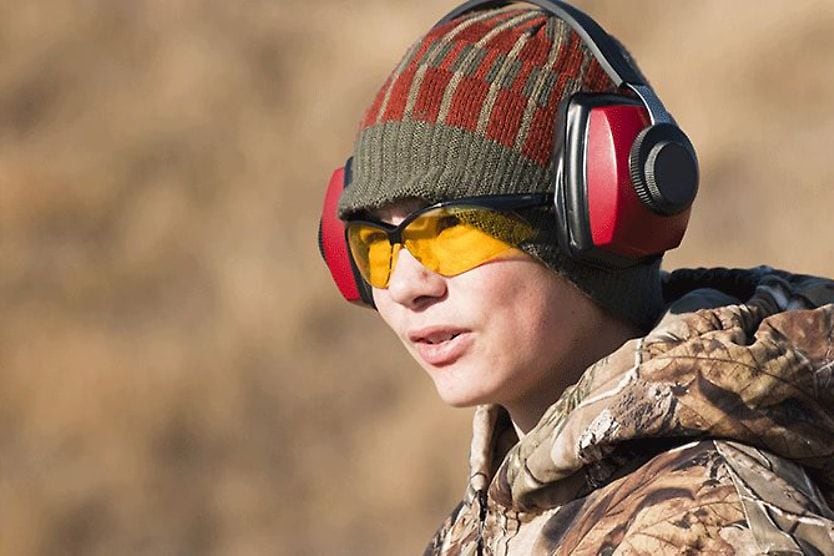
Lens tints can also be a factor in the performance of shooting glasses. Many shooters are comfortable in lenses that are yellow or orange. Lenses in these hues may block haze and blue light and can enhance the contrast between the target and its background. The brighter yellow the lens color is, the more ideal it can be for use in low contrast and near-dark conditions.
Gray is a neutral, or "true," color that can allow you to see all colors as they are. Gray shooting lenses do not enhance the target, but they may reduce glare in bright sunlight.
Polarized shooting lenses can be made in a variety of colors. Polarized lenses help reduce glare caused by light reflecting off water and other flat surfaces, which may enhance outdoor vision.
Another potential option is photochromic lenses. These light-sensitive lenses darken automatically in response to sunlight and are available in a variety of colors, including contract-enhancing brown, neutral gray and green.
Whatever lens color you choose for your shooting glasses, you might consider having anti-reflective (AR) coating applied to the back surface of the lenses. This helps eliminate potential glare from light reflecting off the back of your lenses when the sun is behind you.
SEE RELATED: Sports Eye Safety Month