Eye Safety and Workplace
Safety Basics
Eye safety can be easily overlooked, sometimes to our own detriment and a lifetime of regret.
Imagine that yesterday you could see perfectly well, but after an accident, today you're only partially sighted to the extent that you can no longer drive or read. Your life has changed dramatically, never to be the same again.
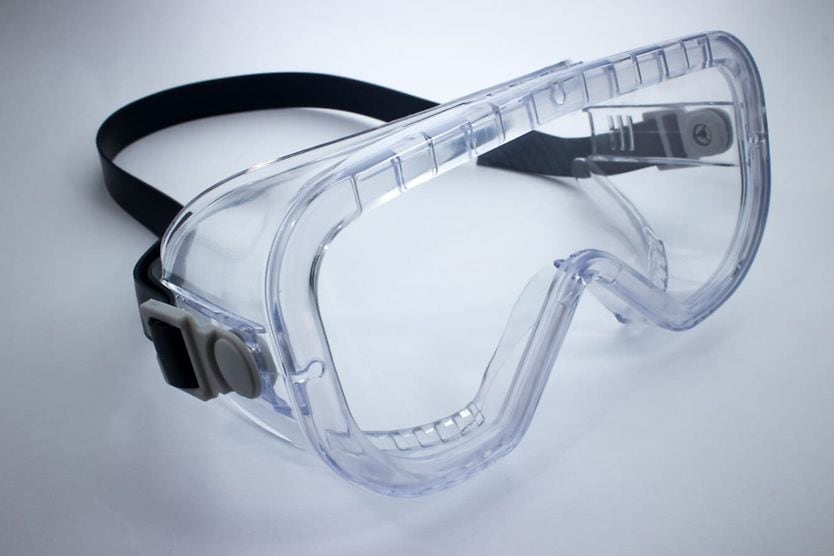
Now imagine that you could have prevented all of this simply by wearing safety glasses or observing other safety rules.
Common Causes of Eye Injuries
According to Prevent Blindness America (PBA), more than 850,000 Americans injure their eyes annually during home and work activities or while playing sports. Yet experts say wearing safety glasses and taking other common-sense precautions can prevent or reduce the severity of most eye injuries.
PBA says the most common agents of eye injuries at work include:
- Flying objects (bits of metal, glass, plastic)
- Air-blown and wind-blown particles (dust, wood, sand)
- Tools (screwdrivers, wrenches)
- Chemicals (gasoline, oil, solvents, acids)
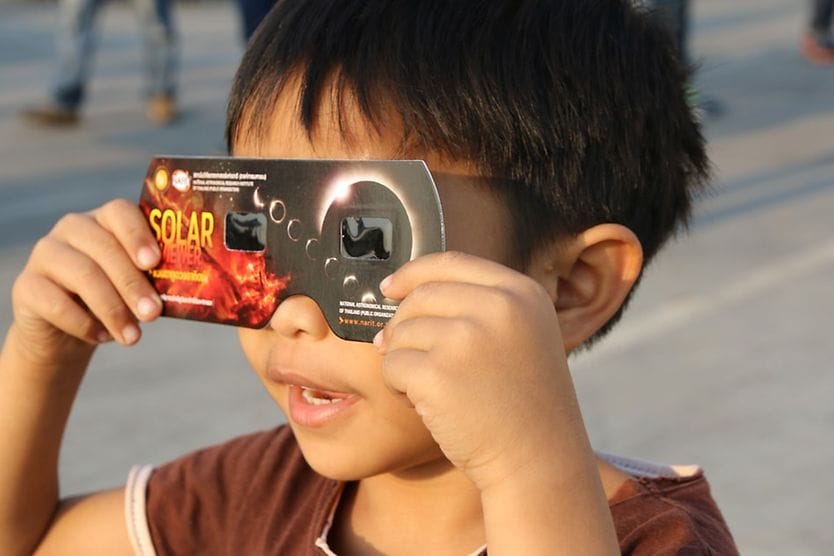
- Harmful radiation (welding arcs, UV)
At home, household cleaners and chemicals are common causes of eye injuries. Other causes include:
- Eyelash curlers
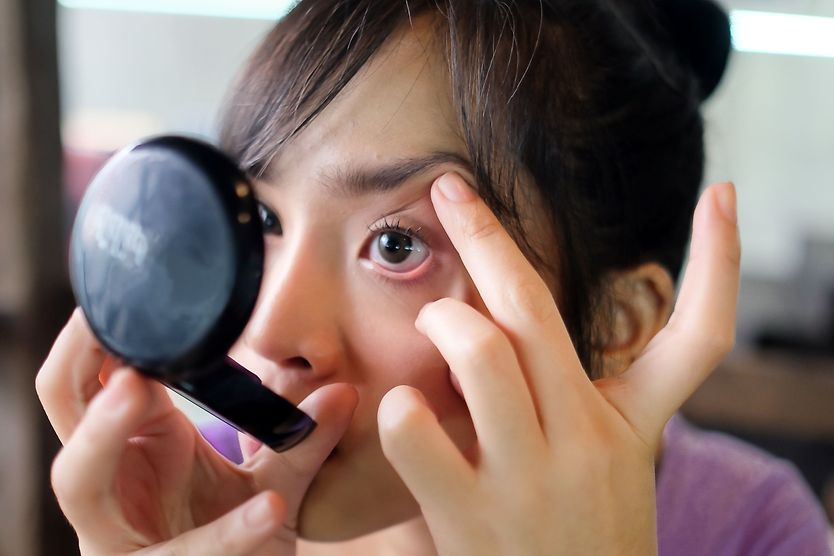
- Mascara brushes and other cosmetic applicators
- Fingernails (such as when applying and removing contact lenses)
- Lawn, garden and hand tools (mowers, etc.)
- Air-blown and wind-blown particles
- Bungee cords
- Falls, bumping into walls, etc.
- Champagne corks
- Battery acid
- Toys and games with hard or sharp edges
Blunt trauma (someone or something hitting your eye) causes many sports-related eye injuries. Besides another player's body, hand or finger, other causes of eye injuries during sports include:
- A ball or puck
- A stick, bat or racquet
- Wind-blown and airborne particles (sand, dirt)
- UV radiation from sunlight
- Paintballs
- Fireworks
[Read more about preventing eye injuries of these types.]
What To Do if There's a Mishap
If you have any eye injury, contact your eye care practitioner immediately for advice. Most eye doctors have emergency contact numbers for injuries that occur after normal business hours or on weekends.
Depending on the situation, your doctor may want you to flush your eye with water or saline solution. Or it may be more prudent to get to the hospital immediately. If you wear contact lenses, tell the doctor, who will advise you about whether to remove them or leave them in.
If you work with chemicals, your workplace should have a sink area where you can flush your eyes with water if a chemical splashes or otherwise invades your eyes. Flush your eyes for several minutes to dilute and rinse out any chemicals that may have contacted your eyes.
Treat all eye injuries as potential emergencies, and contact or visit an eye doctor immediately. Remember, you have only one pair of eyes! 
[Page updated May 2008]
- Tears Again advanced Liposome Eyelid Spray is ideal for patients who have trouble using eye drops
- Your eyelids may be causing your dry, scratchy and irritated eyes. Learn more
- Similasan eye drops relieve and soothe dry eyes, pink eye and allergy eyes


Reproduction of any images or text from this website is prohibited by copyright law.