Consumer Guide to
Prescription Eyeglasses
Learn all about prescription eyeglasses by reading these articles on eyeglass frames and lenses, all written by experts. Review our eyeglass basics article for ideas about how to select the right lenses and frames for your eyeglasses.
Children's eyeglasses can be fun versions of adult styles. Unisex frames are for men and women.
Our list of lens options provides information about available coatings, designs and materials. We also have complete coverage of safety glasses and other eye safety topics.
Children's Eyeglasses: Like Yours, But More Fun
How to choose prescription eyeglasses your kids will actually want to wear. Also read our 10 Tips for Buying Kids' Eyewear. And see the latest New Frames for Kids & Teens.
Eyeglass Frame Materials
Choose the right frame material for your prescription eyeglasses, whether you need it to be lightweight, flexible, strong, or hypoallergenic. Also read our FAQ about eyeglasses and our Eye Doctor Q&A on eyeglass frames.
How To Choose Eyeglasses That Suit Your Personality and Lifestyle
Does your wardrobe make a strong statement? Eyeglasses with unusual shapes and colors might be for you. But if you mainly wear your eyeglasses at work, you might want to discover which styles say: "competent professional." Whatever your personality or lifestyle, this article will help you find the eyeglasses you want.
Men's Eyeglasses: Where Fashion Meets Function
Men want comfort and durability without sacrificing style. Learn what to look for at the optical store, plus which men's frames are in style now.
Size of Prescription Eyeglasses: How Frame Sizes Work
It's not as simple as small, medium, and large, so here's an explanation of sizes of prescription eyeglasses.
Specialty Eyeglasses: For All Seasons, for All Reasons
Specialty eyewear includes eyeglasses and sunglasses that are designed for a specific purpose, such as computer use, driving, work, hobbies, protecting your eyes and more. Can you benefit from special eyeglasses? Read this article to help you decide. Also read our Eye Doctor Q&A on eye safety, plus how to choose safety glasses and safety goggles.
Test Your Prescription Eyeglasses "Eye-Q"
Think you know it all? Test your knowledge of eyeglasses with our "Eye-Q" Quiz.
Unisex Eyeglasses
Learn about fashionable eyeglass styles that are designed for both men and women.
What's New in Prescription Eyeglass Frames
See the newest trends in adult eyeglasses from frame manufacturers around the world.
Which Eyeglasses Would Look Best on You?
This frame shape and color analysis will help you match your face shape to complementary eyeglasses and choose the colors that are most flattering for you.
Women's Eyeglass Frames: Getting a Look You Love!
Find out what eyeglasses are in style, plus how to get great-looking, comfortable frames that are unique to you.
SPONSORED SECTION: The iLASIK Procedure
Learn about this advanced laser vision correction procedure for nearsightedness, farsightedness and astigmatism.
Aspheric Lenses
Aspherics are ideal for strong prescriptions because they are flatter and thinner. They also provide better vision than ordinary lenses and look better because they lessen farsighted eye magnification and nearsighted eye minification.
Bifocals and Multifocal Lenses
Bifocals and trifocals come in many sizes and configurations. Here's what you need to know to choose the right bifocal or trifocal lenses for your needs, depending on whether you sit at a computer all day, work on automobiles, play golf, etc. Also read our Eye Doctor Q&A on bifocal lenses.

The lens at left has anti-reflective coating. See the glare spots on the other lens? Learn about anti-reflective coatings. Image: Joseph Bruneni.
Eyeglass Lens Coatings
Anti-reflective coating, scratch resistant coating, anti-fog and UV lens treatments are options that enhance your vision and appearance, increase the durability of your eyeglasses and protect your eyes from the sun's harmful rays.
High-Definition Lenses
Learn how new high-definition eyeglass lenses (free-form and wavefront lenses) produce sharper vision than regular eyeglass lenses.
High-Index Lenses
If you hate thick prescription eyeglasses, try lenses in a high-index material. They offer superior optics in a thinner, lighter lens. Also read our Eye Doctor Q&A on eyeglasses.
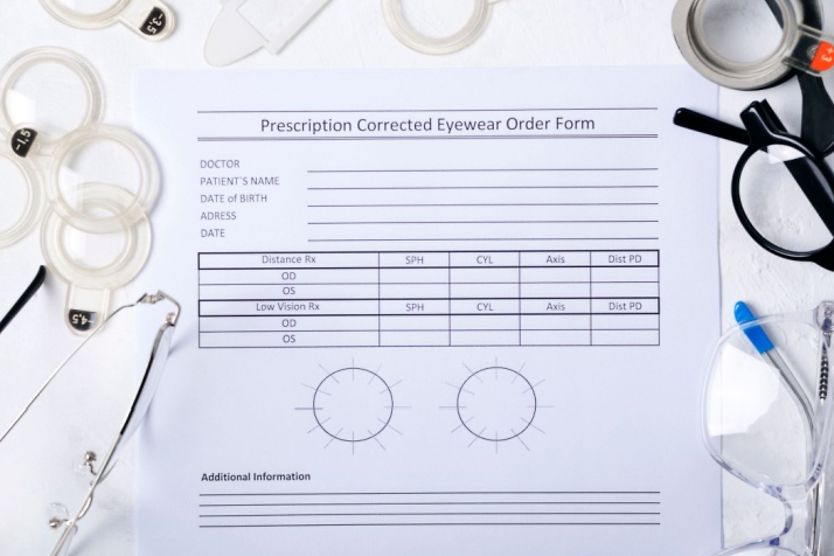
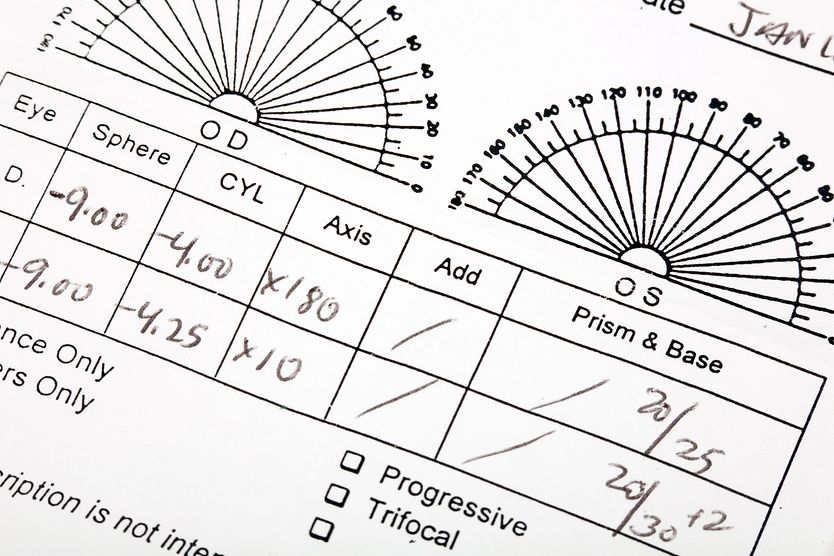
How To Read Eyeglass Prescriptions
Find out what all the numbers mean and why you can't buy contact lenses with an eyeglass prescription.
Occupational Bifocals and Trifocals
Special-purpose multifocal lenses can help people over age 40 perform certain tasks at home or at work more comfortably. Read about occupational bifocals and trifocals and how they work better than general purpose bifocals and progressive lenses for specific tasks.
Photochromic Lenses
Photochromic lenses are clear indoors and darken automatically in sunlight for greater comfort in different lighting conditions. Transitions Optical makes the most popular brand, which has led some people to call all photochromic lenses "transition lenses" or Transitions lenses. But there are other brands, too.
Polycarbonate Lenses
Polycarbonate lenses are very impact-resistant, and thinner than regular plastic lenses. They're great for active people especially kids.
Progressive Addition Lenses
Progressive lenses can do everything a bifocal or trifocal can do, but without the lines. Here's how they work and why you should consider them if you have presbyopia.
Reading Glasses
By the time you reach age 40 and your eyesight is otherwise good, it's very likely you will need special reading glasses to help you see that fine print on the menu.
What's New in Eyeglass Lenses
See the latest technology in new prescription lens products.
[Page updated August 2010]