Refractive lens exchange, also called lens replacement surgery or clear lens extraction, may be a better option than LASIK, PRK or phakic IOL refractive surgery for people with presbyopia and high hyperopia (farsightedness).
Refractive lens exchange (RLE) replaces your eye's clear natural lens with an artificial intraocular lens (IOL) to correct your refractive error and achieve sharper focus, reducing your need for reading glasses or bifocals.
While lens replacement surgery technically does not have FDA approval, some eye surgeons will perform the procedure off label in certain circumstances. This is legal and sometimes is the most effective way to correct particular vision problems.
Refractive lens exchange typically is for people with presbyopia or extreme farsightedness, for whom LASIK, PRK or phakic IOL surgery generally are not suitable. If you have both presbyopia and moderate to severe hyperopia, RLE may be the only viable option for clear vision and minimal reliance on glasses after refractive surgery.
Lens replacement surgery also can correct myopia (nearsightedness), but generally it is not recommended when LASIK, PRK or phakic IOLs are available.
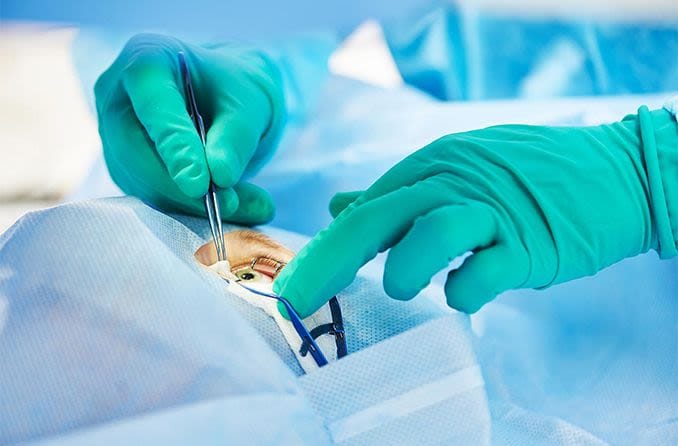
The procedure for refractive lens exchange is virtually identical to cataract surgery. The difference is that in RLE, the lens being replaced is clear, rather than a cloudy lens due to a cataract.
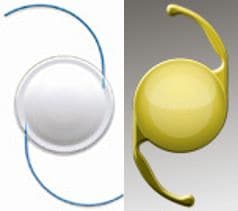
As in cataract surgery, three types of IOLs are available to replace your natural lens, depending on your vision needs and the health of your eyes. They are:
- Monofocal fixed-focus IOLs. Monofocal lenses provide clear vision at distance, intermediate or near ranges — but not all three at once. Toric IOLs to correct astigmatism also are classified as monofocal IOLs.
- Multifocal IOLs. A multifocal lens provides clear vision at multiple distances.
- Accommodating IOLs. An accommodating IOL is a type of monofocal lens that enables focus at multiple distances by shifting its position in the eye.
With intraocular lenses, there is no "one size fits all," and your eye surgeon will recommend an IOL that is most suitable for your individual needs.
Refractive Lens Exchange: The Procedure
Lens replacement surgery usually takes about 15 minutes and is performed on an outpatient basis. Each eye is done separately, usually about a week apart.
Numbing anesthetic drops are used during RLE, so typically there is no discomfort, and most people report immediate vision improvement after surgery.
Initial recovery from refractive lens exchange — when you can resume normal everyday activities — usually takes about a week.
Final outcomes of refractive lens exchange can take up to several weeks, and you may notice vision disturbances such as blurry vision, halos and glare, or a "scratchy" sensation as your eyes heal.
You should be able to return to work and resume driving within a week of surgery, dependent on your eye surgeon's instructions.
Normally, you won't feel an IOL in your eye, in the same way that you don't feel a dental filling for a cavity. And since the lens implant is inside your eye and not on the surface like a contact lens, it's not visible to others.
The artificial intraocular lens is a permanent replacement for your natural lens and is designed to last the rest of your life. Also, there is minimal risk of regression (loss of corrective effect or deterioration of vision) over time.
Refractive Lens Exchange For Presbyopia
Presbyopia affects just about everyone and becomes noticeable sometime after age 40 in most cases. Presbyopia is a naturally occurring age-related condition where your eye's natural lens becomes more firm and inflexible, and you lose the ability to focus on near objects.
Non-surgical options for presbyopia include reading glasses, bifocal or progressive lenses, and multifocal contact lenses. Another option is wearing contact lenses for monovision.
Refractive surgery such as LASIK, PRK and phakic IOLs cannot directly address presbyopia-induced loss of near vision.
And, although recent medical advancements such as monovision LASIK and conductive keratoplasty are available, not everyone is a suitable candidate or is within the treatment parameters of these procedures.
For people with presbyopia and moderate-to-severe hyperopia, RLE often is the most appropriate surgical option.
A major appeal of clear lens replacement is the recent availability of FDA-approved multifocal IOLs (Restor by Alcon, and ReZoom and Tecnis Multifocal by Abbott Medical Optics) and accommodating IOLs (Crystalens by Baush + Lomb).
Multifocal and accommodating IOLs enable you to focus at all distances, to overcome presbyopia as well as poor distance vision.
Refractive Lens Exchange vs. LASIK
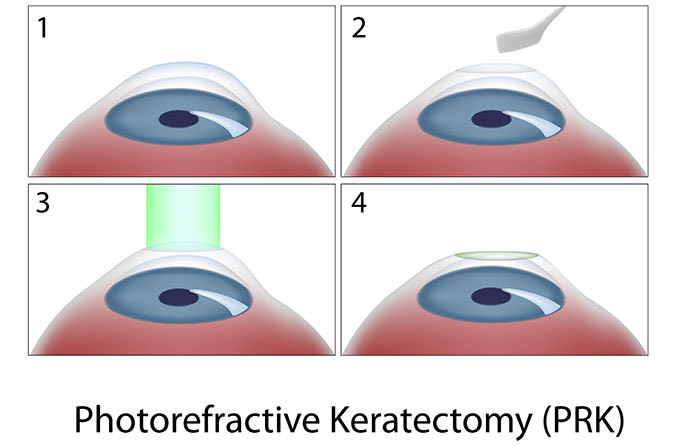
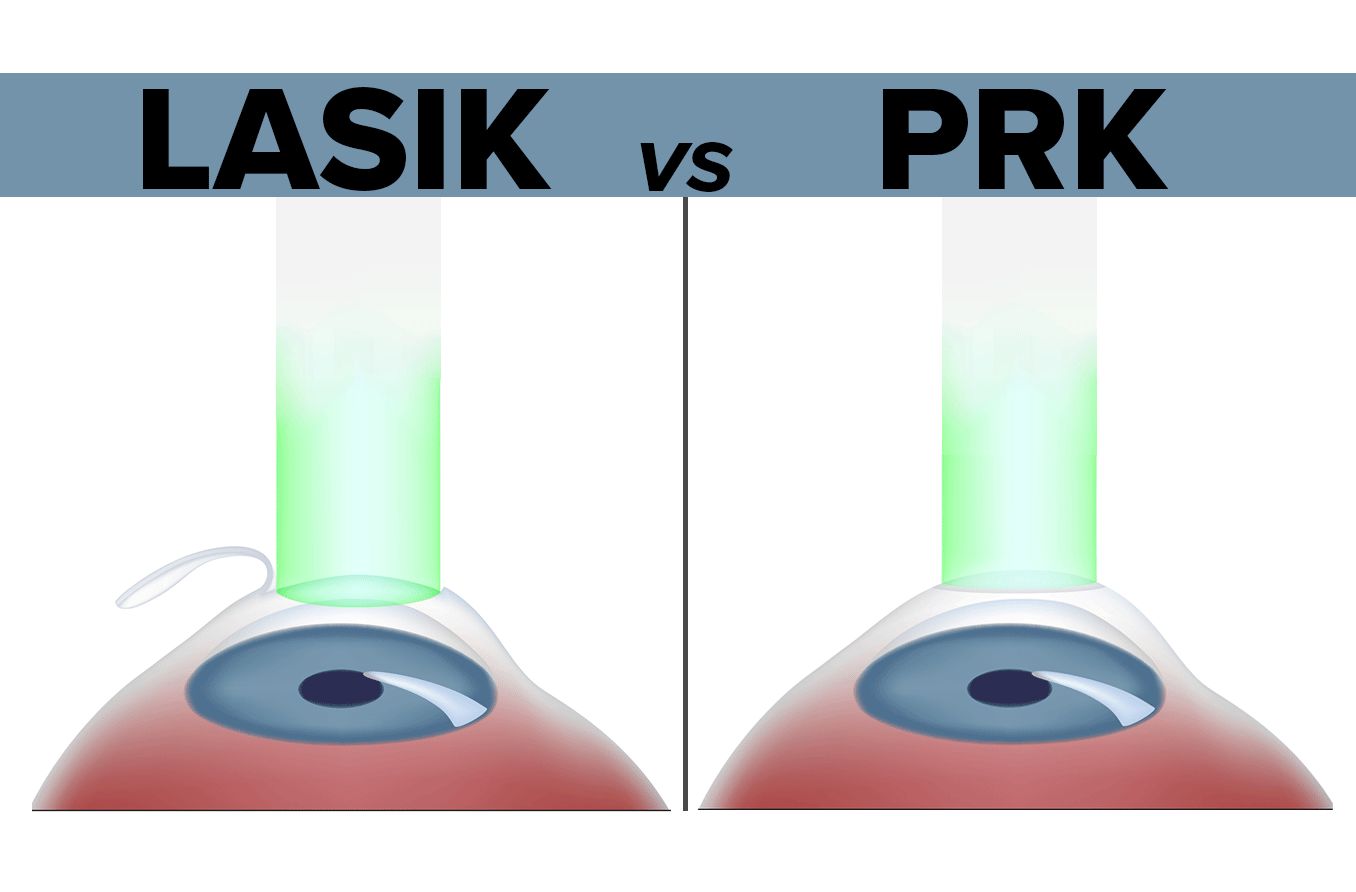
While LASIK remains the most popular option for correcting myopia and hyperopia, if you have a very severe refractive error or an abnormal cornea, lens-based refractive surgery such as clear lens extraction or phakic IOL implantation may be a better alternative.
Unlike LASIK or PRK, refractive lens exchange can correct almost any degree of hyperopia, and visual acuity after RLE surgery often is better than LASIK and PRK outcomes in cases of moderate and high hyperopia.
If you have myopia, RLE usually is performed only if you are not a suitable candidate for any other vision correction surgery. People with myopia have a higher risk of retinal detachment during clear lens extraction, and other refractive surgery options should be explored first.
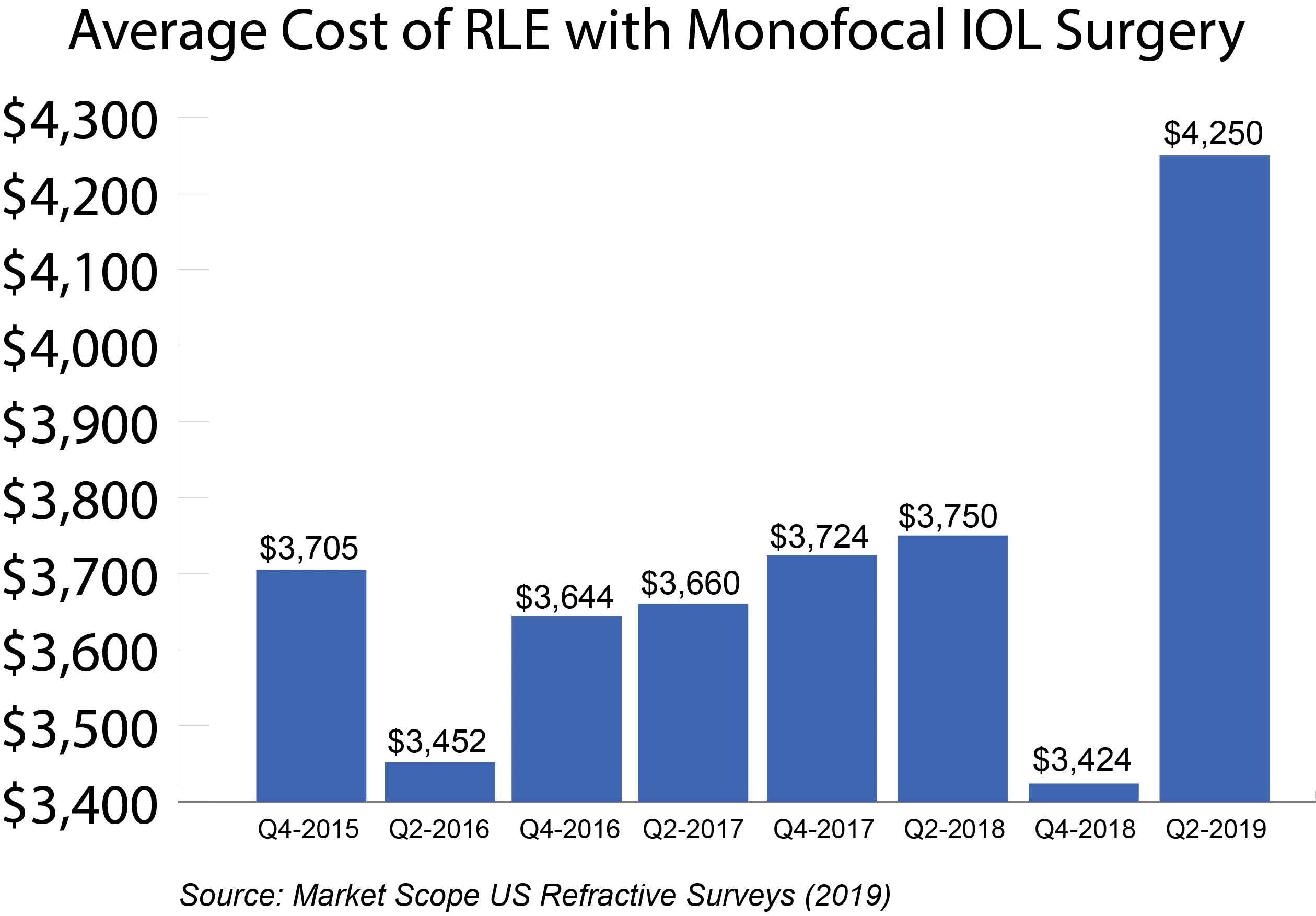
Also, you should consider carefully the cost of RLE. Lens replacement surgery is about double the cost of LASIK surgery and typically is not covered by vision insurance.
Vision After Refractive Lens Exchange
Whether you will need eyeglasses or contact lenses after refractive lens exchange depends on the type of intraocular lens used.
Monofocal IOLs have been used extensively in cataract surgery and clear lens exchange. They offer excellent vision and contrast sensitivity and have low instances of vision disturbances such as halos and glare.
However, because monofocals are designed to focus only at one distance, you will likely need glasses for up-close tasks such as reading fine print and working at a computer (but monovision can help with your near vision).

The Alcon AcrySof IQ ReSTOR, Abbott Medical Optics ReZoom and Tecnis, and Bausch + Lomb Crystalens are four presbyopia-correcting intraocular lenses with FDA approval.
Generally, if you need glasses after RLE, you will see more clearly and comfortably if anti-reflective coating is added to the lenses to eliminate distracting reflections. (This is true for reading glasses and computer glasses as well as glasses worn full time for residual refractive errors.)
Also, if you are bothered by glare from bright light after refractive lens exchange, consider photochromic lenses that automatically adjust to changing light conditions outdoors.
A significant development in intraocular lens surgery is the FDA approval of multifocal and accommodating IOLs, which provide vision at multiple distances and reduce or eliminate the need for glasses or contact lenses.
In the FDA clinical trials for the ReZoom multifocal IOL, 92 percent of people who underwent the procedure said they never or only occasionally needed glasses after surgery.
The clinical results of the ReStor multifocal IOL showed that 80 percent of people in the trials did not need glasses at all after receiving the implant.
Clinical studies of the Tecnis Multifocal IOL showed that 88 percent of people in the study group did not need glasses after surgery.
In the FDA trials for the Crystalens accommodating IOL, more than 88 percent of the study participants attained uncorrected visual acuity of 20/40 or better at all distances after surgery.
Each IOL has advantages and disadvantages in terms of the best uncorrected vision it produces at near, intermediate and far distances, as well as the likelihood and degree of vision disturbances such as halos and night glare that might occur after surgery.
Also, the results of one clinical trial are not directly comparable with those of another, as each study is conducted in a different way, often with differing endpoints and patient-enrollment criteria. Your eye surgeon will advise on the most suitable IOL for you.
Risks And Side Effects
Refractive lens exchange is performed essentially the same way as cataract surgery, and therefore RLE complications are similar to cataract surgery complications.
Lens replacement surgery is more invasive than laser-based refractive surgery such as LASIK and PRK and comes with slightly more risk.
However, sight-threatening complications are rare, and most complications can be treated successfully with medication or additional surgery.
While refractive lens exchange has been proven safe and effective, all surgery has some degree of risk, which you should discuss in detail with your eye surgeon. Refractive lens exchange risks and complications include:
Retinal detachment, especially in extremely nearsighted people
Dislocated IOL
Increased eye pressure (ocular hypertension)
Infection or bleeding inside the eye
Droopy eyelid (ptosis)
Glare, halos and blurry vision from multifocal IOLs
Refractive lens exchange is more invasive surgery with a higher risk of complications, compared with other vision correction procedures.
But the higher risks may be an acceptable trade-off if you have a severe refractive error and a strong desire to be less dependent on eyeglasses, contact lenses and/or reading glasses.