Daily disposable contact lenses: pros and cons
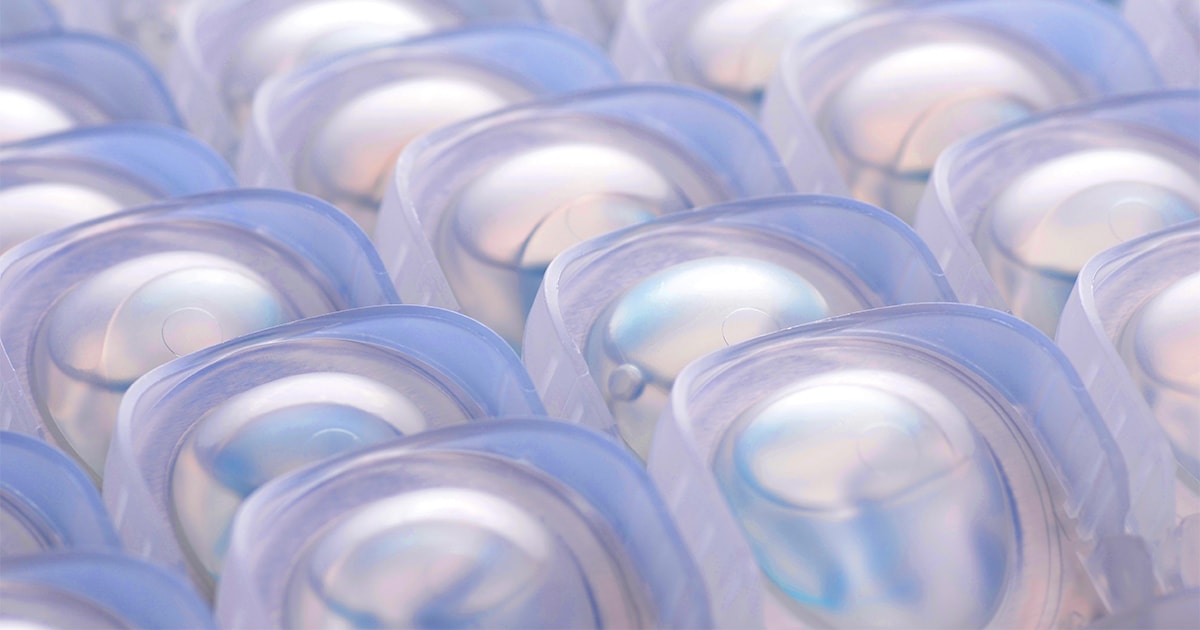
Daily disposable contact lenses are single-use lenses that are removed and discarded at the end of each day, and a fresh pair of lenses is applied to the eyes the next morning. Daily contact lenses are gaining in popularity among practitioners and consumers for their health and convenience benefits.
Before you consider the pros and cons of daily disposable lenses, here are two things to keep in mind:
- Don't confuse "daily wear" with "daily disposable." A daily wear lens is one that must be removed before sleeping, because it's not FDA approved for extended (overnight) wear. Such a lens might be replaced daily, weekly, monthly or quarterly, depending upon the brand. In short, wearing schedule and replacement schedule are two different things.
- In the world of contact lenses, "disposable" doesn't always mean single-use. Daily wear lenses that are thrown out every two weeks are sometimes called disposable. "Daily disposable" is the specific term for lenses that are removed and discarded daily.
Why Throw Out Lenses At All?
Protein, calcium, lipids and other substances found naturally in your tears can build up on your lenses. These deposits make your contacts less comfortable than when they were new, and can also make your eyes more prone to infection.
Of course, lenses can be cleaned, but cleaning is not 100% effective. Some deposits will remain and continue to accumulate over time.
Daily Contact Lenses: Convenience And Health
There are two ways to avoid just about all contact lens care. One is to wear extended wear lenses continuously for several days, and then discard them when you remove them.
Unfortunately, overnight wear of contact lenses is not a good idea for everyone. And for many people, wearing contact lenses during sleep increases the risk of eye problems.
The other alternative is daily disposable contact lenses. Many eye care professionals and contact lens wearers feel that they offer the best of both worlds: They are convenient because no lens cleaning is required, and they are healthy because there is no day-to-day accumulation of lens deposits, and no overnight wear.
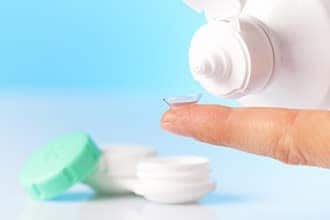
Are you following your eye doctor's cleaning instructions? If not, you might be better off with daily disposables.
How Different Are Daily Contact Lenses From Regular Lenses?
For some, contacts were too expensive to discard very often — so various cleaning solutions and devices were used to prolong the life of the lens.
Then contact lens manufacturers developed new manufacturing methods to produce high-quality lenses in greater volume, at lower cost. These advances led to lower lens prices, making it affordable to replace lenses more often.
Some of today's daily contact lenses are made of the same materials as traditional lenses; other disposables are made from new materials and designs developed especially for disposability.
How Much Do Daily Contact Lenses Cost?
Daily disposable lenses are often more affordable than many people expect. It's not unusual to spend more on a daily visit to your local coffee shop than on daily disposable contacts. And while you might enjoy your coffee for half an hour, a fresh pair of lenses can provide comfort and good vision all day long.
If you're considering daily contact lenses, remember that lens cost is offset by the money you'll save on lens care products, since they won't be needed.
Can I Wear Daily Contact Lenses?
Yes, you probably can. Your eye care practitioner can tell you for sure.
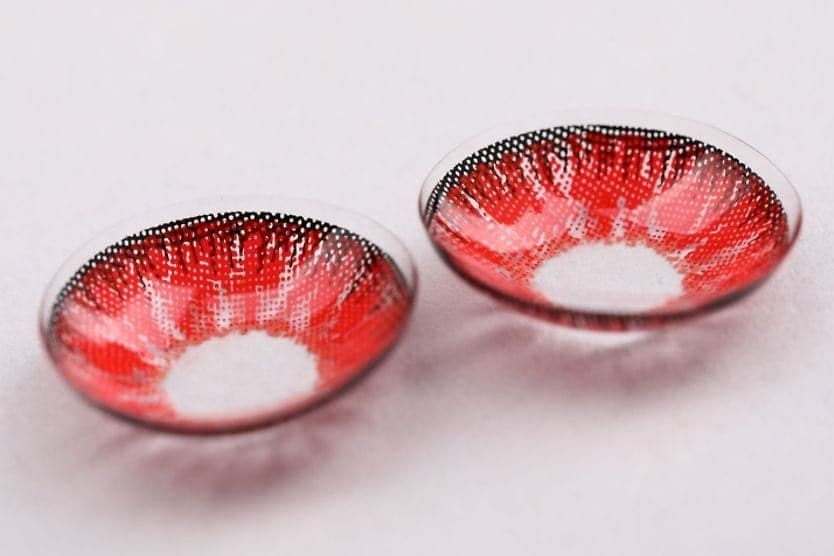
The key is whether daily disposables are made in your particular prescription. In addition to standard single vision designs, some daily disposable brands are available in colors, in designs to correct astigmatism, and in multifocal designs to correct presbyopia.
If your prescription is outside the range in which daily disposable lenses are produced, you may have to stick with traditional disposables or frequent replacement lenses.
Disadvantages of Daily Contact Lenses
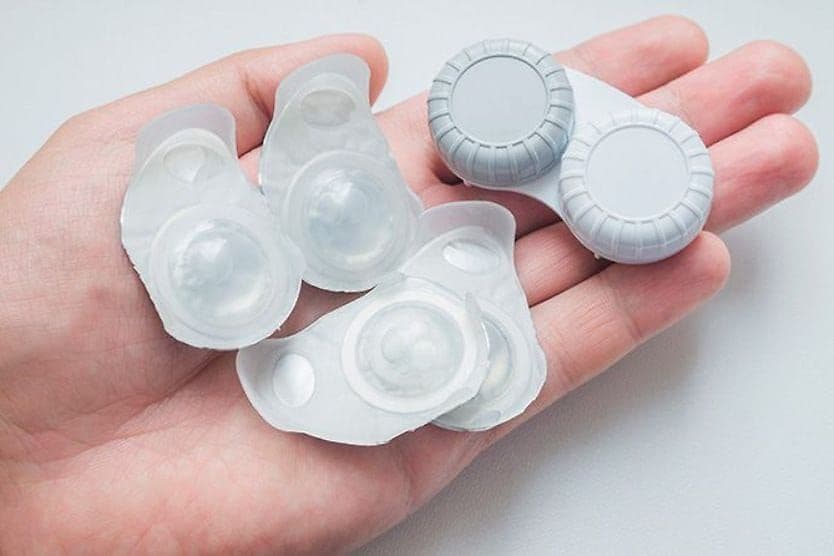
In addition to cost, some people object to the amount of waste created by disposable products. While contact lenses and blister packs can't be recycled locally, they can be collected and periodically sent to a local contact lens recycling program. The cardboard boxes that lenses come in can simply be recycled as usual.
READ NEXT: Dailies Total1: All you need to know