Consumer Guide to Contact Lenses
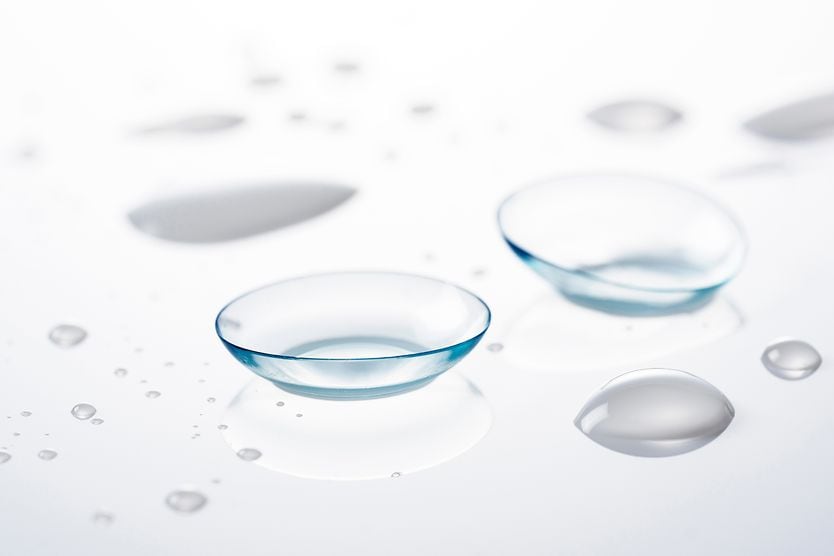
Many new choices make contact lenses more healthful, fun and convenient than ever before. Thinking about contacts? Our Contact Lens Basics article is the place to start. You can also browse types of contact lenses, or read the features below.
Contact Lens Wearing Tips
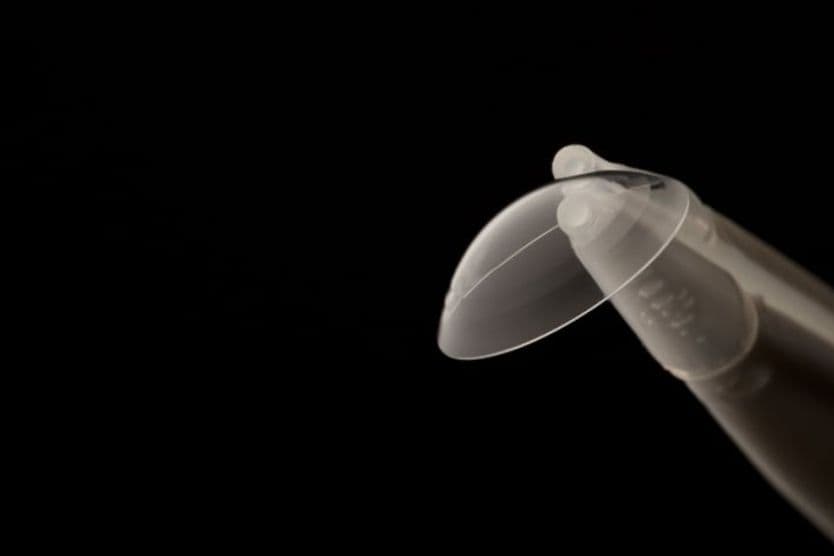
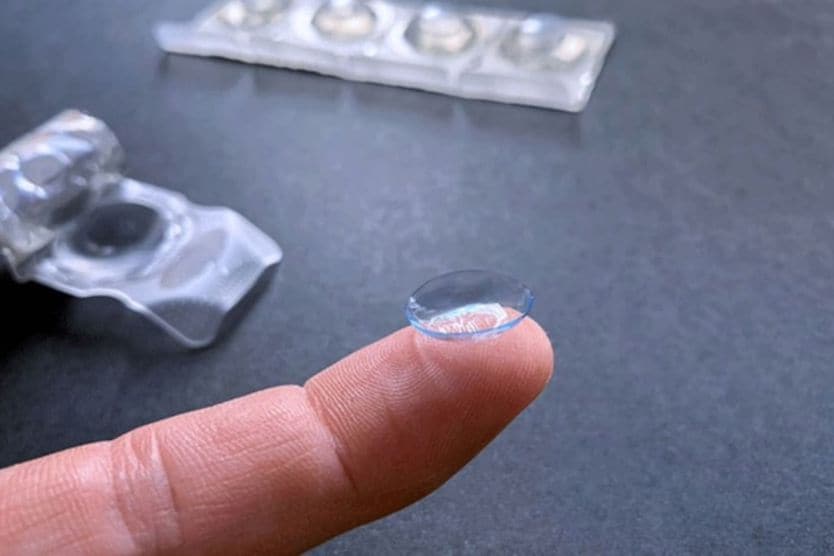
Learn how to apply and remove contact lenses, as well as what to do to protect your eyes when you wear makeup.
Understanding Your Contact Lens Rx
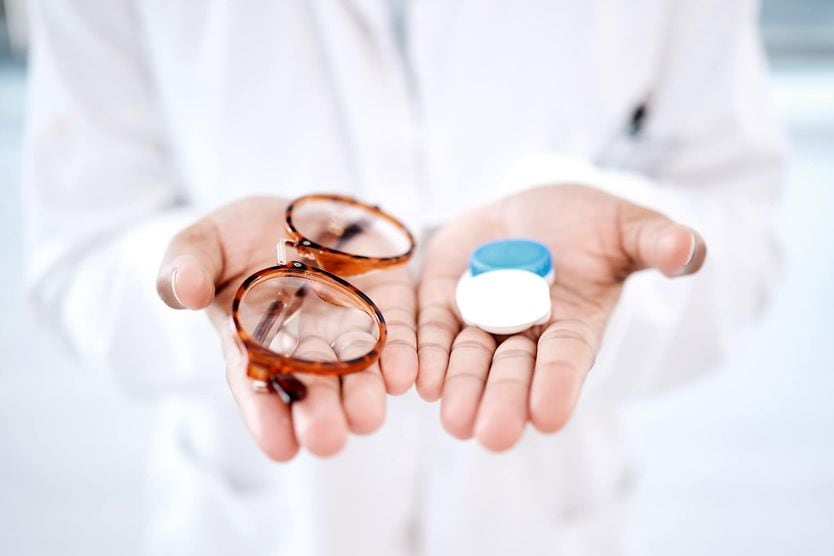
You need a prescription for contacts, even if they're just for looks. Here's what all those numbers and terms mean on the Rx form.
SPONSORED SECTION:
Teens & Contacts: What Parents Need To Know
Should your teen wear contact lenses? Read this Q&A to help you decide.
Are Your Contacts Uncomfortable? Here's What to Do
Don't suffer! Here's solid advice for your specific symptoms or situation.
Contacts for Hard-to-Fit Eyes
Today almost everyone can wear contacts, but sometimes you need a little extra help.
SPONSORED SECTION:
Contact Lens Care Quiz
Find out if you really know how to care for your contact lenses.
Where to Buy Contact Lenses
How can you choose between eye doctors, retail stores and Internet sites? Our contact lens buying tips and price charts will help.
Buying Contact Lenses Online
Learn how to get the best price and value when shopping for contact lenses online.
SPONSORED SECTION:
Acuvue Oasys Contact Lenses for Presbyopia
Scientifically designed to allow you to see clearly both near and far, without frames or awkward lines.
Caring for Soft Contact Lenses
How to make sense of all the different products, and properly clean and disinfect your contact lenses. Also: Caring for RGPs, and how to avoid Acanthamoeba keratitis.
Contact Lenses After LASIK
You might still need specially-designed contact lenses after refractive surgery.
30-Day Contacts: A Smart Alternative to LASIK?
Both eliminate daily contact lens hassles. Compare the safety, effectiveness and cost of contact lenses and LASIK.
Departments
Contact Lens News & New Products / Eye Doctor Q&A / Contact Lens FAQ
Types of Contact Lenses:
- Bifocal Contact Lenses provide clear vision at various distances
- Colored Contact Lenses give your eyes a subtle or dramatic change
- Custom Contact Lenses could work for you if other options fail
- Disposable Contact Lenses enable a healthier lens-wearing experience
- Extended Wear Contact Lenses for safe overnight wear or naps
- Gas Permeable (GP) Contact Lenses for the ultimate in crisp vision
- Monovision might work for you if bifocal contact lenses don't
- Orthokeratology Lenses enable contact lens-free vision during the day
- Prosthetic Contact Lenses mask eye injury or disfigurements
- Silicone Hydrogel Contacts transmit more oxygen to your eyes
- Special-Effect Contact Lenses let you become a leopard or cheetah
- Toric Contact Lenses provide good vision if you have astigmatism
Contact Lens FAQs:
About Contact Lenses
Modern contact lenses fall into two categories: soft lenses that are made from water-containing plastics, and GP or "oxygen permeable" rigid contact lenses.
Contact lenses may also be classified by wearing schedule. Daily wear contacts must be removed, cleaned and stored each night, while extended wear contact lenses are made from materials which are safe for sleep. You may also have heard of "continuous wear" contact lenses, a type of extended wear lens that can be worn for up to 30 days.
Various contact lens designs are available for different vision problems. Spherical contact lenses correct nearsightedness or farsightedness and are indicated by a minus or plus in your prescription, respectively. Bifocal contact lenses are similar to multifocal eyeglasses in that they use different optical zones to correct presbyopia (the decreased ability see at both near and far distances). Toric contact lenses correct astigmatism, which can accompany either nearsightedness or farsightedness.
All of the contact lenses mentioned above can be custom fabricated for unusual prescriptions, and many other contact lens designs are available as well, including designs for conditions like keratoconus.
Contact Lens Designs
Many lens designs come in colors that can enhance or change your natural eye color. Special-effect contact lenses are also available for novelty use and are used extensively in theatrical and filmed productions. Prosthetic lenses are colored contact lenses that can cosmetically mask eye disfigurement. Many contact lenses come with an embedded UV inhibitor as well.
Which is the Right Contact Lens for You?
Contact lenses should do three things: provide clear vision, properly fit your cornea, and address any personal issues or preferences you may have.
Contact lenses come in tens of thousands of combinations of size, shape and power, to ensure comfortable fit and great vision. Your eye care practitioner will evaluate your eyes to determine which lens is right for you, and will take into account your special needs such as dry eyes, a desire for color change or the need for overnight wear.
Read an expanded introduction to contact lenses.
[Page updated November 20, 2009]
- SynergEyes hybrid contact lenses offer rigid lens acuity with soft lens comfort
- Proclear 1 Day: Comfortable, convenient & surprisingly affordable
- Similasan eye drops provide relief for dry eyes and allergy eyes
- Lobob offers allergy-free lens care for RGP/hard lenses
- Acuvue Oasys Contact Lenses for Presbyopia help you see clearly near & far

Reproduction of any images or text from this website is prohibited by copyright law.