Can contact lenses damage your eyes?
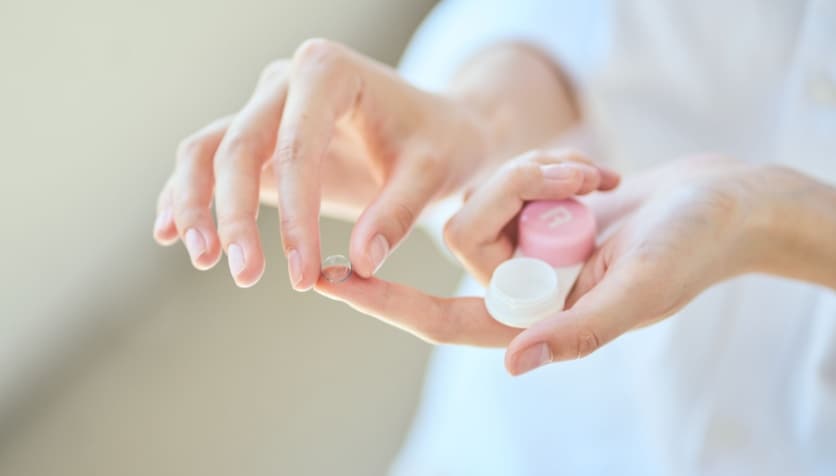

Contact lenses are generally very safe. Still, wearing contact lenses can damage your eyes if you wear them too long, fail to clean them properly or do not replace them as directed by your eye doctor.
Contact lenses are considered medical devices and are regulated by the U.S. Food and Drug Administration (FDA). For safety reasons, they cannot be purchased without a professional fitting and a contact lens prescription written by a licensed eye doctor.
Keep the oxygen flowing to your eyes
Because contact lenses rest directly on the eye and cover the entire cornea (or, in the case of rigid gas permeable contact lenses, part of the cornea), they decrease the amount of oxygen that reaches your eyes from the environment. A good oxygen supply is essential to keeping your eyes healthy.
You can limit the potentially harmful effects of oxygen deprivation from contact lens wear by doing the following:
- Adhere to the wearing schedule your eye doctor recommends; discard and replace your contacts as directed.
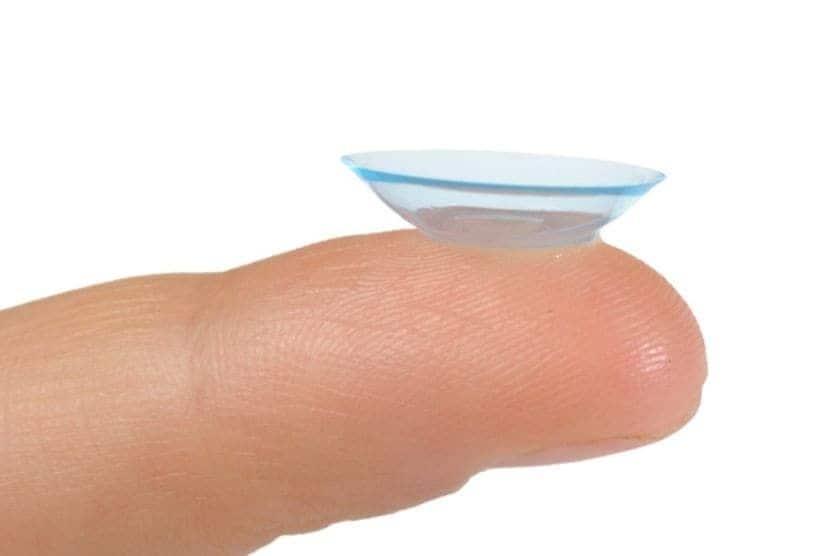
- Consider silicone hydrogel contact lenses if your eye doctor recommends them. These soft lenses are made of a material that transmits more oxygen than conventional soft contact lens materials.
- Consider rigid gas permeable (RGP) contact lenses if your eye doctor recommends them. RGP contacts are smaller in diameter than soft or silicone hydrogel lenses and therefore cover less of the cornea. Also, RGP contacts move a significant amount with each blink, allowing fresh tears to move under the lenses. These two factors can decrease the risk of eye problems with RGP lenses, compared with wearing soft contacts.
Clean your contact lenses and case
Contact lenses also increase the risk of eye damage because bacteria and other infection-causing agents can accumulate on them. This is especially true as the lenses get older and deposits accumulate on the front and back surfaces of the lenses.
You can significantly reduce the risk of contact lens-related eye infections by properly cleaning and disinfecting your contacts after each use. Use only the contact lens solutions your eye doctor recommends, and don't change brands without first consulting with your doctor.
Also, though most contact lens wearers use "no-rub" contact lens solutions, research shows that these products clean your lenses significantly better if you rub your lenses while rinsing them with the solution. These one-step products are also called "multipurpose solutions," because they contain ingredients that both clean and disinfect contact lenses.
It's also very important to rinse your lens storage case with fresh contact lens solution and let it air dry while you are wearing your contacts. This reduces the risk of the case getting contaminated with microorganisms that can damage your eyes. You should generally discard and replace your storage case at least every three months.
Also, use fresh multipurpose solution each time you store your lenses. Do not simply "top off" solution you've left in the case from the previous day. Doing so decreases the effectiveness of the solution, possibly leading to lens contamination and a serious eye infection.
Follow your contact lens replacement schedule
Avoid over-wearing your contact lenses and be sure to discard and replace them as directed by your eye doctor.
Even if you care for your lenses as directed, lens deposits continue to build up on your contacts over time. The longer you go before replacing your lenses, the greater potential these lens deposits have to reduce the oxygen supply to your corneas and damage your eyes.
Finally, see your eye doctor as directed for routine contact lens eye exams. Your eye doctor can detect small problems before they become big ones, and help you keep your eyes safe and healthy while you wear contact lenses.