Silicone hydrogel contact lenses: A complete guide
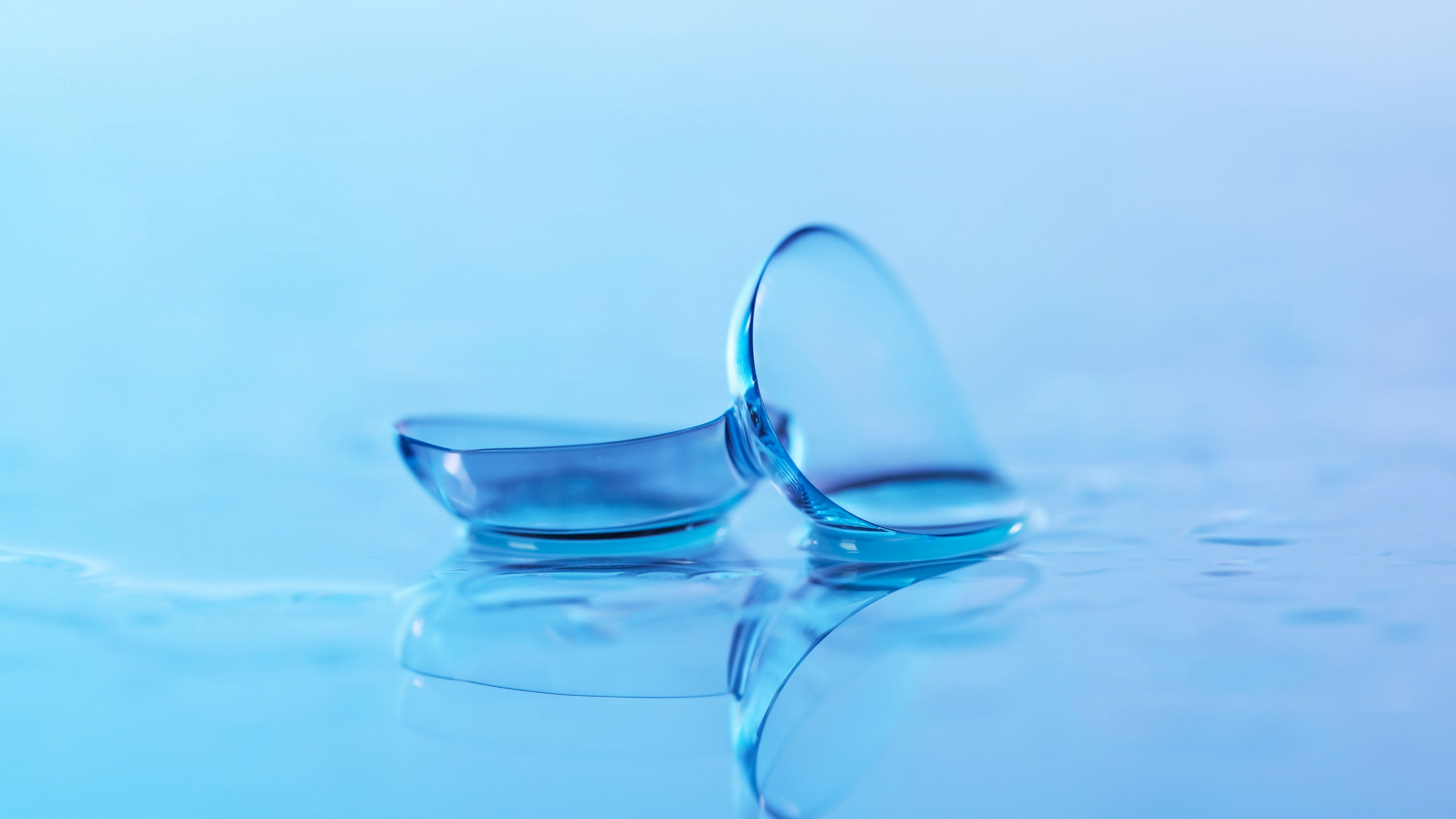

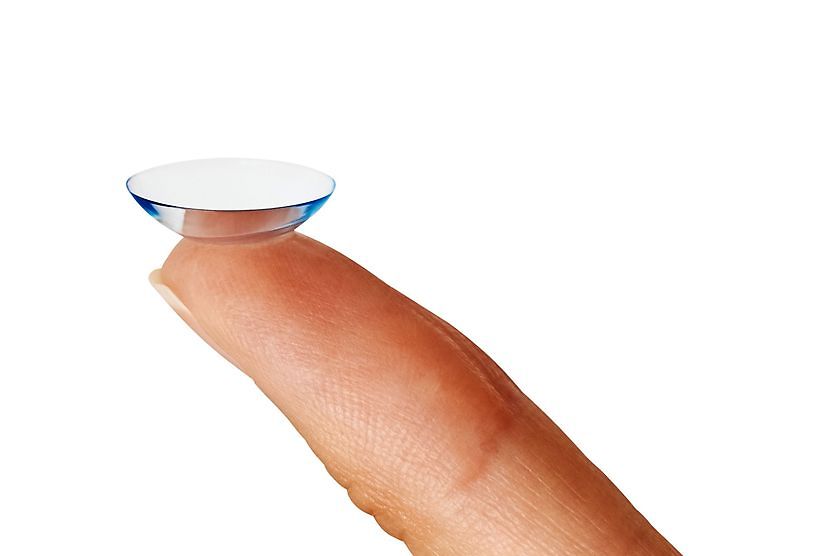
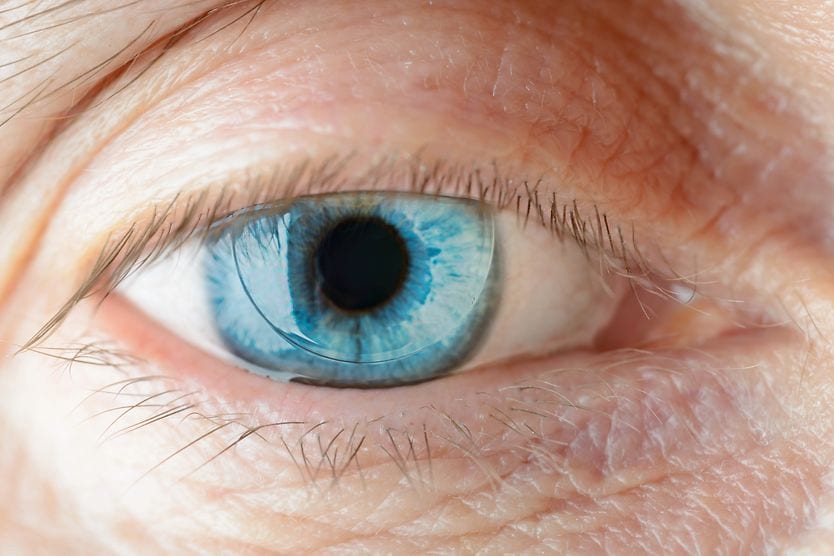
Silicone hydrogel contact lenses are advanced soft lenses that allow more oxygen to pass through the lens to the cornea than regular soft ("hydrogel") contacts. In fact, silicone hydrogel lenses can enable up to five times more oxygen to reach the cornea than regular hydrogel lenses.
Silicone hydrogel and regular hydrogel lenses both are made of plastics that are hard when dry but readily absorb water and become soft and gel-like when hydrated.
If you've ever let a soft or silicone hydrogel lens dry out, you know that it becomes deformed, hard and fragile. But if you soak it for a few minutes in contact lens solution, it becomes soft and pliable again.
In recent years, silicone hydrogel lenses accounted for 73 percent of contact lens fittings performed globally, compared with 27 percent for conventional hydrogel soft lenses rigid gas permeable contacts.
Silicone hydrogel (not silicon hydrogel) contacts
Silicone hydrogel contact lenses sometimes are erroneously called silicon hydrogel lenses.
Silicon is a very common mineral. In fact, ordinary sand is composed primarily of silicon dioxide (silica).
And highly purified silicon is used to manufacture semiconductors, which is why the southern part of the San Francisco Bay area is nicknamed Silicon Valley.
Silicone is the name of a group of flexible, plastic-like materials that contain silicon, carbon, oxygen and other chemicals. In addition to its use to increase the oxygen permeability of contact lenses, silicone is used to make breast implants, medical tubing and other medical devices.
Silicone hydrogel lenses are soft lenses, but silicone also is used in the production of many gas permeable contacts to improve oxygen permeability of the lenses.
Benefits of silicone hydrogel lenses
All contact lenses reduce the amount of oxygen that reaches the front surface of the eye to some degree. When the cornea's oxygen supply is significantly reduced — a condition called hypoxia — a number of problems such as red eyes, dry eye, corneal swelling, blurred vision and eye discomfort can occur. Hypoxia also can increase contact lens wearers' risk for a number of eye infections.
Hypoxia-related eye problems became a significant issue in the 1990s when extended wear contact lenses first gained popularity. As the number of people who wore contacts overnight and continuously for several days increased, so did the number of contact lens-related eye infections.
Silicone hydrogel lenses were introduced in hopes of decreasing hypoxia-related problems and increasing the safety of both daily wear and extended wear of soft contact lenses.
Increasing the oxygen supply to the eye is potentially beneficial for all contact lens wearers, especially considering that many wearers are not complying with their eye doctors' instructions regarding proper lens wear and replacement.
Nearly one in five soft contact lens wearers wear their lenses during sleep, and among patients who sleep in their lenses, nearly two out of three are wearing lenses that are not approved for overnight wear.
Specialty silicone hydrogel lenses
The enhanced oxygen permeability of silicone hydrogel contacts makes them a great fit for special contact lens designs that might cause hypoxia problems when made with conventional soft hydrogel materials.
These include any designs that require greater lens mass, such as toric contacts for astigmatism, bifocal contact lenses, contacts for hard-to-fit eyes, and custom contact lenses, including soft contact or GP lenses for keratoconus.
Risk of keratitis with silicone hydrogel contacts
Do silicone hydrogel contact lenses reduce the risk of keratitis and eye infections? Yes and no.
A recent study found a significantly lower risk of severe keratitis among silicone hydrogel users, but a higher risk of non-severe keratitis.
The 12-month, hospital-based study conducted in the U.K. showed the annual incidences of non-severe keratitis (NSK) were low in both groups, affecting 14.1 per 10,000 wearers (0.14 percent) among hydrogel wearers and 55.9 per 10,000 wearers (0.56 percent) among silicone hydrogel wearers.
There were no cases of severe keratitis (SK) among patients using silicone hydrogel contact lenses for daily wear, whereas there were 6.4 cases of SK per 10,000 patients using regular hydrogel lenses for daily wear.
The risk of keratitis was significantly greater for both types of soft contacts among patients who used their lenses for overnight wear. Hydrogel lenses worn continuously caused 48.2 cases of NSK and 96.4 cases of SK per 10,000 wearers; silicone hydrogel lenses used for extended wear caused 98.8 cases of NSK and 19.8 cases of SK per 10,000 wearers.
The researchers concluded there is a significantly higher incidence of severe keratitis in wearers who sleep in contact lenses compared with those who only use contact lenses during the waking hours. They recommended that people who want to wear contact lenses continuously should be advised to wear silicone hydrogel lenses, which appear to be much safer for overnight wear than regular hydrogel lenses.
Critics of silicone hydrogel contact lenses have used this study as evidence that silicone hydrogels are associated with a greater risk of non-severe keratitis compared with regular hydrogel lenses. It is worth noting, however, that the study did not evaluate how many of the silicone hydrogel lens wearers who exhibited NSK were refitted into silicone hydrogel lenses from conventional hydrogel lenses prior to the study period due to similar problems while wearing hydrogel lenses.
Also, at the time of the study, the only silicone hydrogel lenses approved for use in the U.K. were designed for monthly lens replacement, whereas there were several brands of regular hydrogel lenses available for more frequent two-week replacement.
Today, several brands of silicone hydrogel lenses are approved for use in the United States and Europe that are designed for two-week and monthly replacement. There are also single-use silicone hydrogel lenses designed for daily disposal and replacement.
Allergic response to silicone hydrogel lenses
The common complaints are redness, discomfort, itchy eyes and greater lens awareness or dryness symptoms. However, these allergy-like symptoms can also be caused by contact lens dryness or sensitivity to a new contact lens solution or care regimen.
Though silicone hydrogel lenses can allow more oxygen to reach the surface of the eye, the added silicone can reduce the surface wettability of the lenses, potentially making it harder for them to stay moist on the eye.
To combat this tendency, new contact lens solutions have been developed that include special wetting agents to keep silicone hydrogel lenses hydrated for all-day wear.
Though lens wettability may not be a problem for many wearers, people with marginal dry eye might notice discomfort from silicone hydrogel lenses that they didn't experience with previous hydrogel lenses. This dryness-related discomfort can be mistaken as symptomatic of an allergy to silicone hydrogel lenses.
Because silicone hydrogel lenses allow more oxygen to reach the eye, some wearers might become more aware of their lenses for another, more paradoxical reason.
A factor in why soft contact lenses are so comfortable for many wearers is because the reduced oxygen supply to the front of the eye from wearing the lenses reduces the sensitivity of the corneal surface. When more oxygen is available by wearing highly oxygen-permeable silicone hydrogel lenses, it's possible the cornea maintains its normal sensitivity, making the wearer more aware there is a lens on his or her eye.
In fact, researchers found that when patients were fitted with silicone hydrogel lenses or refitted with silicone hydrogels to replace regular hydrogel contacts, the sensitivity of their cornea increased.
Studies also found changes in corneal sensitivity among silicone hydrogel wearers when different lens care regimens were used.
The findings of studies led the researchers to conclude that the effect of soft contact lens wear on the functioning of the sensory nerves on the front of the eye "appears to be more complex than previously thought."
Researchers recommended additional studies be performed to investigate how ocular surface sensitivity varies after longer-term silicone hydrogel lens wear and whether sensory aspects of the cornea and conjunctiva contribute to the end-of-day discomfort commonly reported by wearers of hydrogel and silicone hydrogel lenses alike.
True allergies to the silicone in these lenses haven't been supported by published research. The silicone is locked into the lens material and isn't able to trigger an allergic reaction. That said, some wearers do experience itching, redness, or discomfort that can feel like an allergy. These symptoms usually come from other causes like a reaction to lens care solutions, dryness, or irritation from lens deposits.
Are silicone hydrogel contact lenses for you?
Finally, it's also noteworthy that currently there are soft contact lens that have been FDA-approved to be marketed as a contact lens for dry eyes in both regular hydrogel lens and silicone hydrogel lens materials.
Every contact lens material has tradeoffs. To find out whether silicone hydrogel lenses are right for you, talk with your eye doctor during a comprehensive eye exam and contact lens consultation.