Is LASIK surgery right for you?
A successful LASIK procedure is determined largely by whether you meet certain patient criteria and if laser eye surgery is right for you. LASIK and PRK are associated with generally positive outcomes. However, not everyone is a good candidate for vision correction surgery.
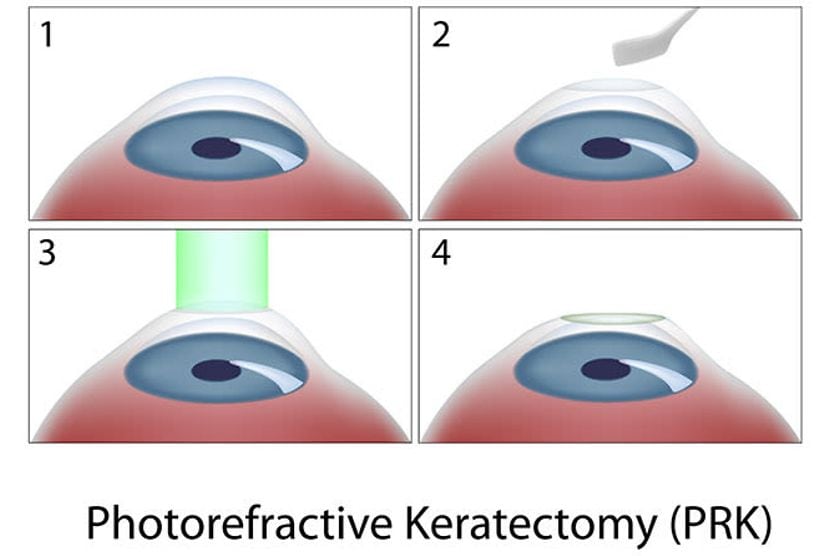
The following laser eye surgery checklist is a good start to help you determine if LASIK or another option, such as PRK, is right for you.
1. Your eyes must be healthy
If you have any condition that can affect how your eyes respond to surgery or heal afterwards, you must wait until that condition is resolved. Examples include:
- Severe dry eye syndrome
- Conjunctivitis (pink eye)
- Eye infections
- Any type of eye injury
If you have persistent dry eyes, where you do not produce enough tears to keep your eyes lubricated and healthy, LASIK surgery could aggravate this condition. Common symptoms of dry eyes can include:
- Burning or stinging
- A gritty sensation in the eye
- Reduced tolerance to wind
- Intermittent blurry vision
- Excessive tears (in some cases)
If you have any of these symptoms, it is recommended to discuss them with your doctor prior to surgery.
Your eye doctor can determine if you have dry eyes during your preoperative exam. They can usually successfully treat the condition so you can then proceed with laser eye surgery. Possible treatments for dry eye syndrome include options like artificial tears, punctal plugs, medicated eye drops, flaxseed supplements or a combination of approaches. However, if you have dry eyes, PRK or SMILE might be an appropriate options for you.
Cataracts that interfere with your vision and advanced glaucoma might prevent you from being a candidate for LASIK or PRK procedures. Corneal diseases or scarring may also affect your candidacy for these surgeries.
2. Your cornea must have sufficient thickness
Many refractive procedures improve visual acuity by reshaping the front surface of the eye (the cornea) by precisely removing a small amount of corneal tissue. Performing laser eye surgery on a cornea that is too thin or has a surface that is irregular and misshapen (for example, if you suffer from keratoconus) could compromise your results and impair your vision.
If you've been told in the past that you couldn't have LASIK because your corneas are too thin, recent advances may mean you're now an acceptable candidate for laser vision correction. For example, using a femtosecond laser instead of a microkeratome may enable your surgeon to make a thinner corneal flap. This would allow them to preserve more underlying corneal tissue for laser treatment.
Another technology option would be sidestepping the laser completely and using an implant to correct myopia (nearsightedness) and astigmatism called implantable collamer lens (ICL). This type of microscopic, small lens is surgically placed inside the anterior chamber, the space between the cornea and iris.
3. Your pupils must not be too large
If your pupils are naturally large, you could be at an increased risk of side effects such as halos, glare and starbursts in low light, especially when driving at night and if your prescription is high.
4. Your prescription must be within certain limits
If your prescription is high — whether due to nearsightedness, farsightedness or astigmatism — your eye surgeon may advise you against the LASIK procedure.
Results of LASIK surgery for the treatment of high refractive errors are less predictable and pose potential risks.
In addition, high amounts of myopia, for example, could require the removal of too much corneal tissue and put you at increased risk of complications such as developing an eye disease called keratoconus.
If you have a significantly high refractive error, another type of vision correction surgery may be a better option, such as ICL or a refractive lens exchange.
5. You must be old enough
Many laser vision correction procedures require you to be at least 18 years old. However, many surgeons prefer you to be over 21, when your vision is less likely to change. People younger than these ages may be considered for LASIK as an exception at the discretion of the surgeon, with permission from the patient's parent(s) or guardian. PRK can bethe preferred approach in younger patients who need refractive surgery.
Generally, there is no upper age limit to laser eye surgery. However, it’s important to note that once you reach your 40s, you may still need reading glasses to correct near vision due to a normal, age-related condition called presbyopia (unless a monovision laser technique is performed).
Keep in mind that women are typically more at risk for dry eyes after menopause, and men have a greater risk for dry eyes later in life as well. As noted above, a dry eye condition should be treated before LASIK surgery.
6. Your vision must be stable
Teenagers and many young adults often experience changes in their contact lens prescription and eyeglass prescription from year to year. It's important for refractive errors to be stable for six to 12 months before undergoing LASIK or other refractive surgery.
Usually, it is nearsightedness that gradually becomes worse, but there may be other changes as well.
Younger people are not considered good candidates until their eyes have "settled down" into one prescription. Your eye doctor can tell you whether your prescription is stable.
7. You must be in good health
Contraindications to laser eye surgery may include certain uncontrolled degenerative conditions or autoimmune diseases such as Sjogren's syndrome and rheumatoid arthritis (RA), as well as uncontrolled diabetes and AIDS. However, people with HIV who have optimal immune cell counts may be candidates for LASIK.
Basically, if your body has any trouble with healing, you could have a higher risk of an unsatisfactory LASIK surgery outcome.
Opinions vary among LASIK surgeons regarding which diseases are automatic disqualifiers and which ones might pose acceptable risks in specific cases.
Certain medications can also increase the risks associated with laser eye surgery. For example, immunosuppressants may interfere with post-operative healing, and some medications may increase the chance and/or severity of dry eye syndrome. Let your surgeon know about any medications and/or supplements you take.
8. If you are pregnant, you should delay surgery
The LASIK procedure is not suitable if you are pregnant or nursing. Hormonal changes can alter the shape of your cornea, leading to temporary changes in your vision.
Surgery should not be performed until your hormones and vision have returned to normal after pregnancy. This could take a few months.
Pregnant women often have dry eyes, which is another reason you may need to postpone LASIK until a few months after pregnancy. Also, some medications that would normally be used before or after surgery to promote healing (such as antibiotics and steroids) may be risky for your baby, whether unborn or nursing.
9. You must have realistic expectations
While the vast majority of LASIK surgery results are successful, you should be fully aware of the possible risks and potential LASIK complications before you choose to undergo the procedure.
An experienced LASIK surgeon will advise you on whether you’re a candidate for laser eye surgery or if another type of refractive surgery may be more appropriate.
It's important to tell your surgeon all pertinent information relating to your health and medical history to ensure you achieve the best possible results.
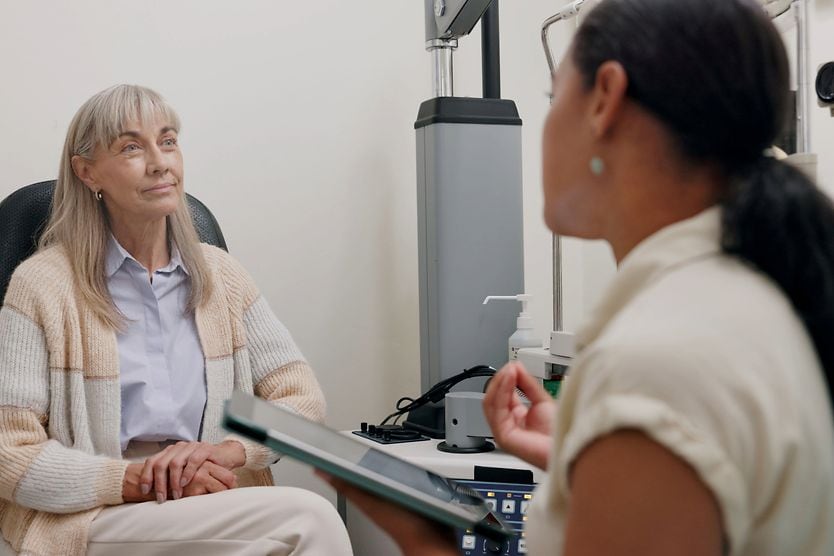
See an eye doctor
To know for sure if you’re a good candidate for LASIK surgery is to see an eye doctor for a comprehensive eye exam. They can evaluate your eyes and vision, review your medical history, and determine if you meet the LASIK eye surgery requirements for a safe, effective procedure.