Contact lenses for dry eyes


Probably the most common complaint eye doctors hear from contact lens wearers is, "My contacts make my eyes feel dry."
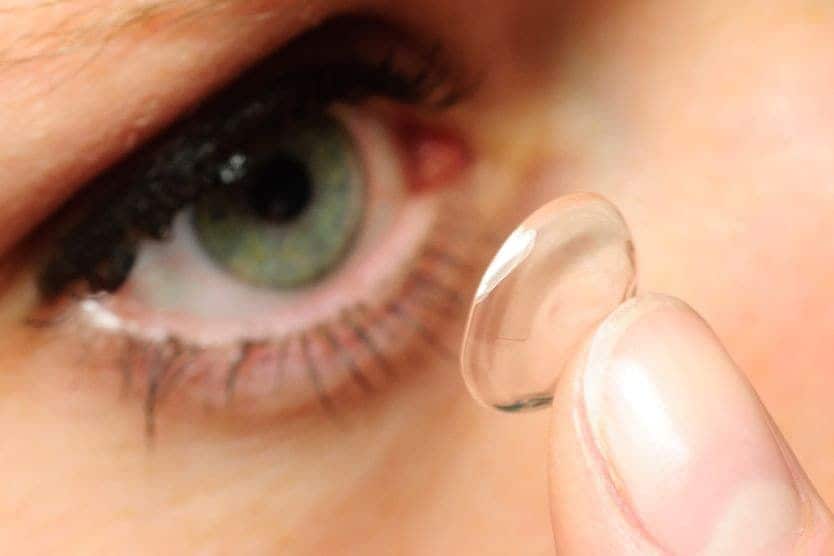
Dry eye syndrome is a common problem among contact lens wearers and non-wearers alike. But symptoms of dry eyes can be more pronounced if you wear [contact lenses](https://www.allaboutvision.com/eyewear/contact-lenses/types/contact-lenses/ ) and your contacts start to dry out, too.
Fortunately, there are effective remedies for contact-related dry eye symptoms.
If you suffer from dry eye symptoms such as irritated, "scratchy" and red eyes when wearing contacts, switching to a new type of contact lens or care product often can make your eyes feel more comfortable.
The phrase "contact lenses for dry eyes" refers to new technologies that contact lens manufacturers have developed to reduce contact lens-induced dry eye (CLIDE) symptoms, which are a leading cause of people discontinuing contact lens wear.
Fixing the problem starts with a visit to your eye doctor so they can evaluate the cause of your dryness symptoms and determine how to increase your contact lens wearing comfort.
Sometimes people avoid talking to their eye doctor about contact lens-related dry eyes because they fear they'll be told they can't wear contacts any longer. But with today's variety of contact lenses and care products, the need to discontinue contact lens wear altogether is unlikely.

Dry eye is a common cause of contact lens discomfort. Special contacts for dry eyes can help. Or you could try ortho-k, which involves wearing contacts at night; they reshape your eyes gradually so you can see during the day without any contacts at all.
Soft contact lenses for dry eyes
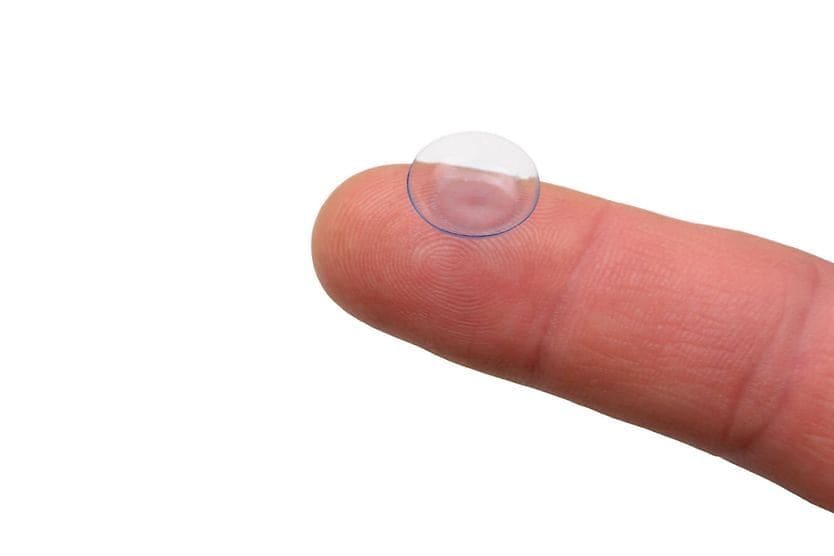
Several manufacturers have developed contact lenses specifically designed to reduce dry eye discomfort during lens wear. Popular types of soft contact lenses for dry eyes may include:
- Silicone hydrogel contact lenses
- Single-use daily disposable contact lenses
- High-water hydrogel contact lenses
Scleral lenses for dry eyes
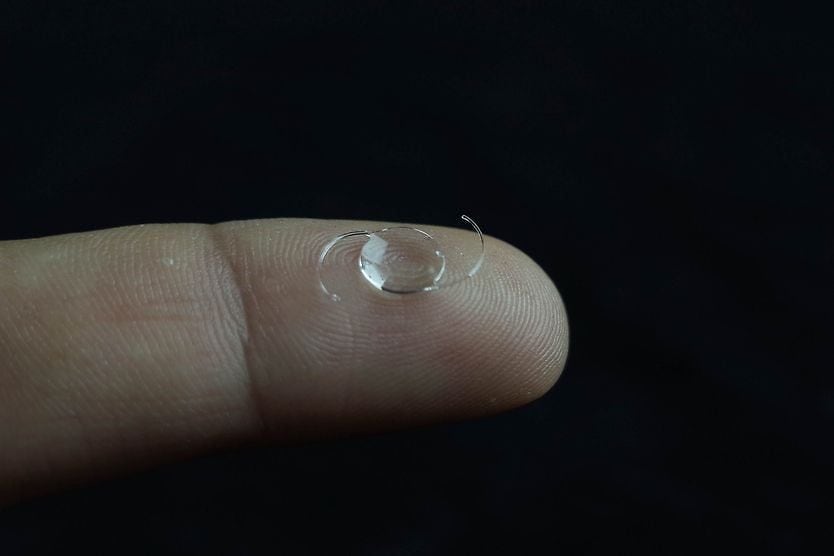
Another option for people with dry eyes is scleral lenses. These large-diameter rigid gas permeable (GP) lenses vault over the entire corneal surface to help keep the front surface of the eye from drying out.
Scleral lenses also are custom-made to fit even irregular corneas and often can provide sharper vision than soft contact lenses.
Orthokeratology
Orthokeratology (or ortho-k) is a specialty lens fitting technique where specially designed gas permeable contact lenses are prescribed for overnight wear only. While you are asleep, the ortho-k lenses reshape the front surface of your eyes (cornea) and correct nearsightedness and other refractive errors so you can see clearly during the day without glasses or contact lenses.
By eliminating your need to wear contact lenses during the day, ortho-k may reduce contact lens-related dry eye symptoms.
Contact lens care products
Not all contact lens cleaning, disinfecting and storage products — collectively called "contact lens solutions" — work well with all contact lenses. In particular, many silicone hydrogel lenses require specific lens care products to optimize their comfort on the eye.
Your eye doctor probably recommended a specific contact lens care product during your contact lens exam and fitting. But if you switched brands later on, you may have started experiencing trouble. And if you switched to a "store brand" contact lens solution, you may believe you bought a generic form of the product you were already using, but in reality you could be using a completely different product.
Talk to your eye doctor about which contact lens care products you're using, and bring the bottles to your visit.
Are you sensitive to preservatives?
Another issue with contact lens solutions, even if you're using the correct products, involves multipurpose solutions. While these single-solution products are convenient, multipurpose solutions often contain preservatives that occasionally can cause problems.
Some contact lens wearers can develop intolerance to preservatives in multipurpose solutions, which can mimic contact lens-related dry eyes. If your eye doctor suspects you are sensitive to the preservatives in your contact lens care products, they may recommend switching to a preservative-free, hydrogen peroxide-based lens care system.
Another way to avoid sensitivity problems with contact lens solutions is to wear daily disposable contacts. These lenses eliminate the need for lens care products, because you simply discard them after a single use.
Eye drops
Sometimes contact lens-related dry eyes can be relieved with occasional use of eye drops known as comfort drops, rewetting drops or artificial tears.
Though these lubricating eye drops typically provide only short-term relief of contact lens dryness symptoms, some drops may be more effective and long-lasting than others, depending on the specific type of dry eyes you have. Your eye doctor can suggest the best options for you after examining your eyes.
If using lubricating eye drops is your preferred approach, it's very important to make a product choice in consultation with your eye doctor. Many over-the-counter eye drops are not intended for use with contact lenses, and not all lens-compatible drops are compatible with all lens materials.
Your eye doctor also can tell you about other possible remedies for contact lens-related dry eyes, including eye vitamins, flaxseed or fish oil supplements and prescription eye medications (drops or nasal spray) or in-office procedures for dry eye relief.