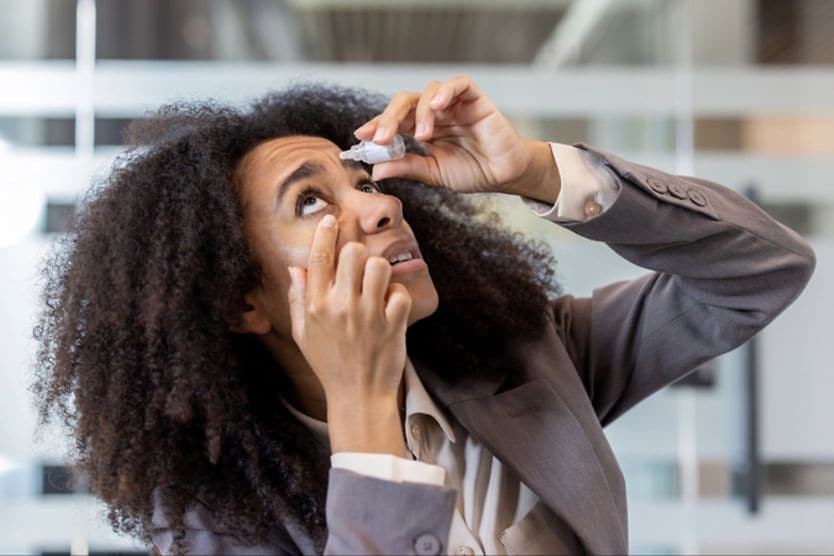
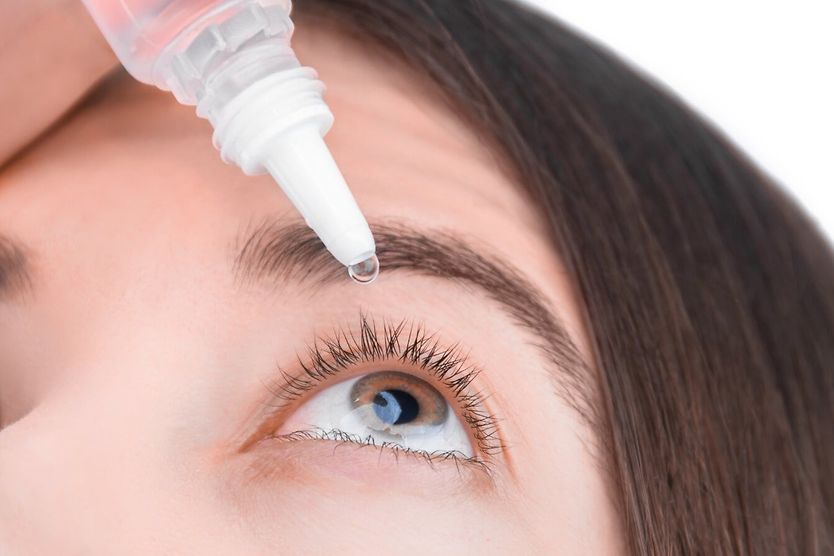
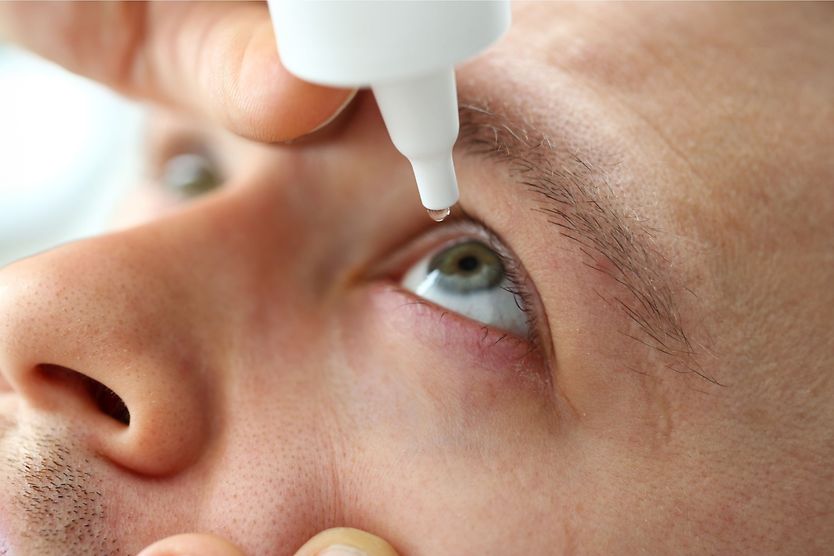
Which eye drops might work best for you?

On this page
Which eye drops are right for you?
Non-prescription vs. prescription eye drops
Eye drops for dryness
Eye drops for redness
Eye drops for itchiness and allergies
Eye drops for soreness, swelling or discharge
Eye drops for infections
Eye drops for contact lenses
On this page
Which eye drops are right for you?
Non-prescription vs. prescription eye drops
Eye drops for dryness
Eye drops for redness
Eye drops for itchiness and allergies
Eye drops for soreness, swelling or discharge
Eye drops for infections
Eye drops for contact lenses
Which eye drops are right for you?
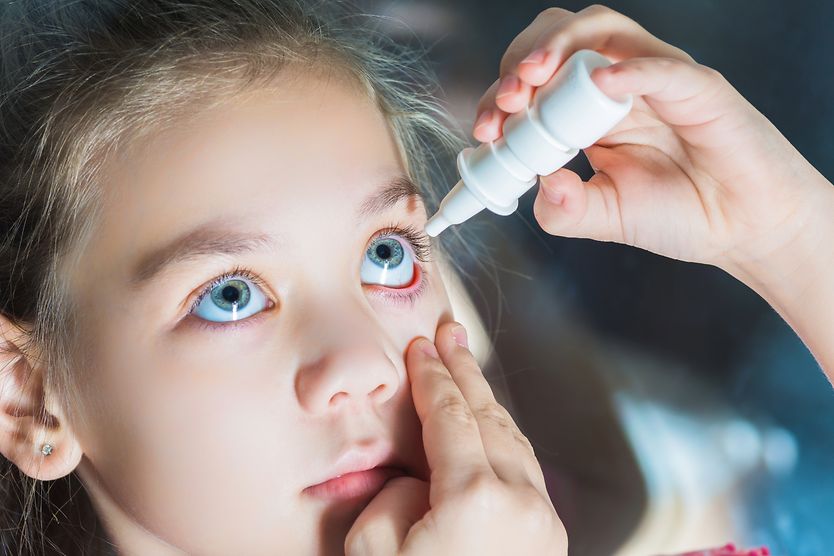
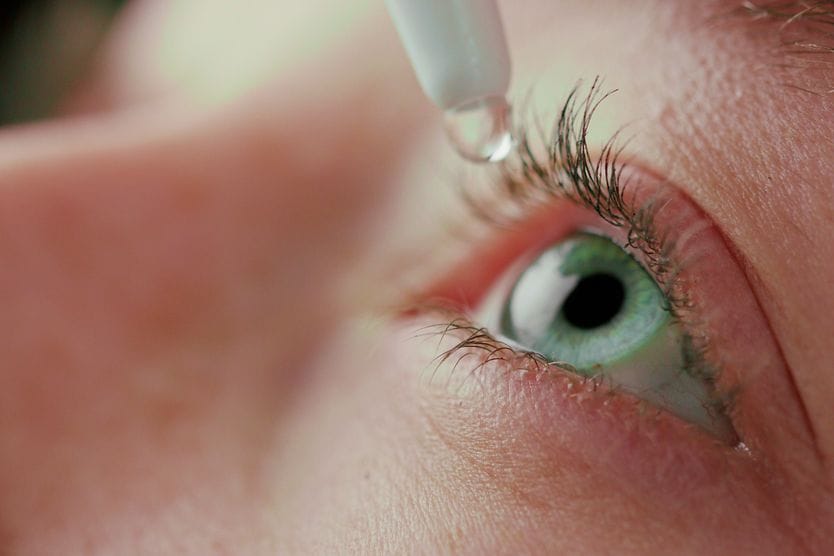
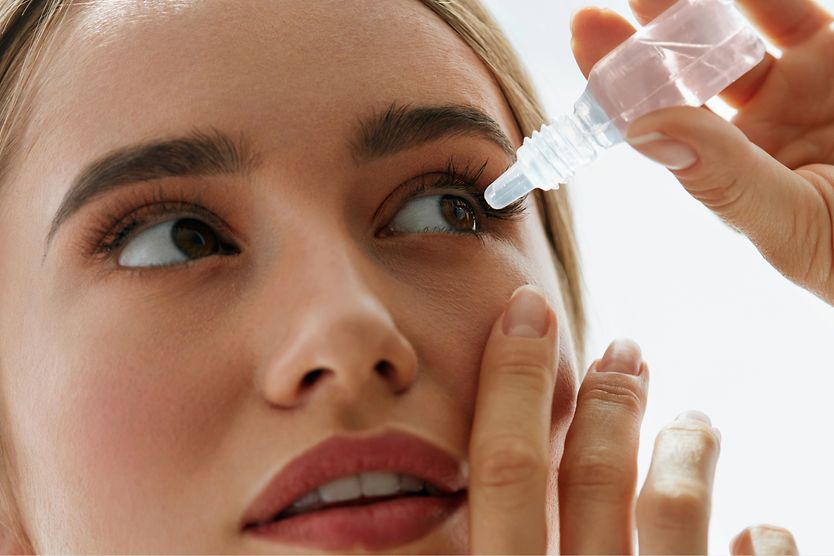
Eye drops can relieve the symptoms of many eye problems, whether you have dry eyes, pink eye (conjunctivitis), red eyes or itchiness. But with so many options available, the choices can be overwhelming.
Choosing the right eye drops depends on what kind of symptoms you're experiencing.
Eye drops may help relieve eye symptoms such as:
- Dryness
- Redness
- Itching
- Soreness
- Swelling
- Discharge
If you develop eye symptoms, consult an eye doctor. They can help find out what's causing the symptoms and prescribe the best eye drops for you.
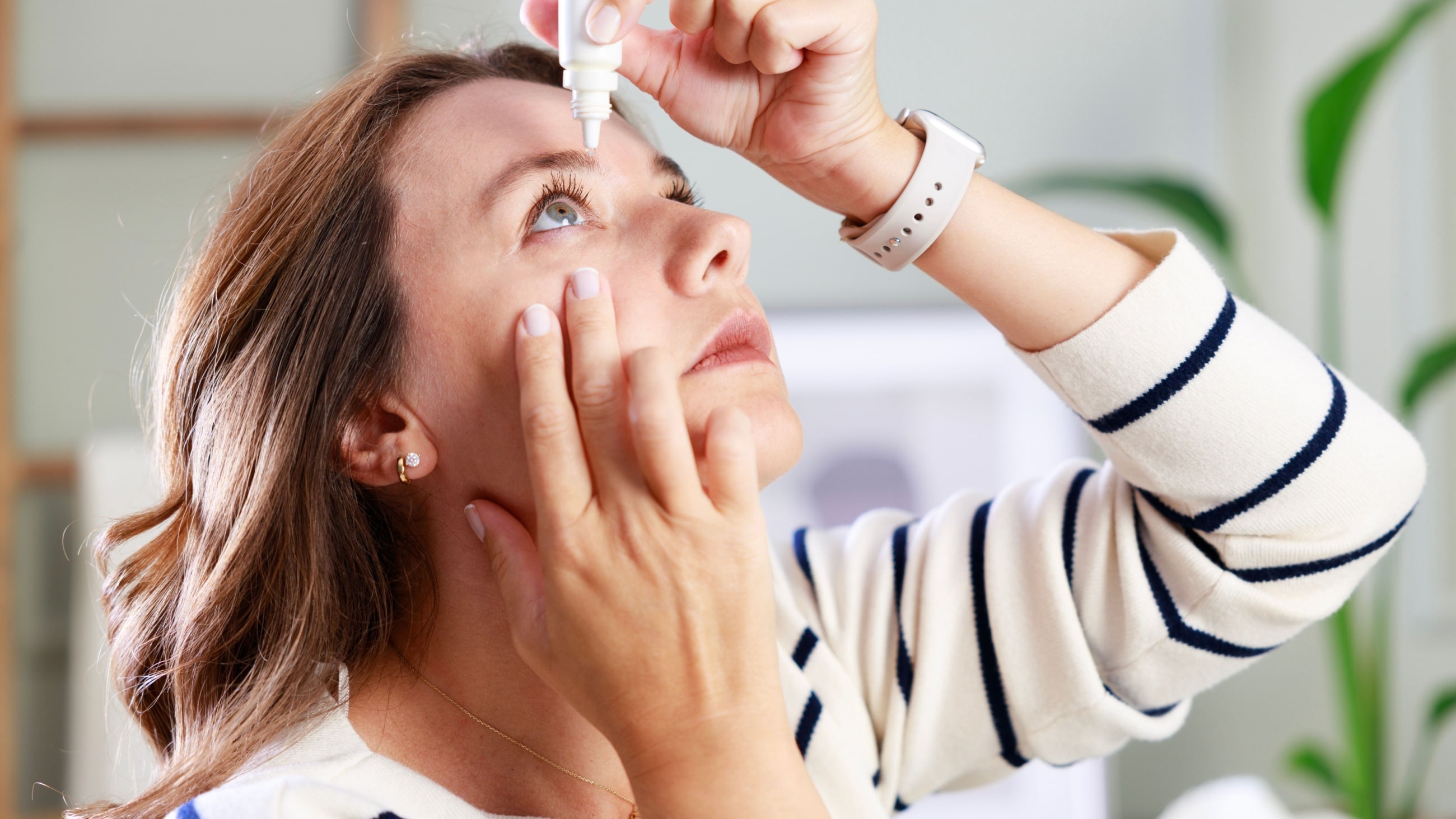
SEE RELATED: You may be putting your eye drops in the wrong way
Non-prescription vs. prescription eye drops
Eye drops and ointments can be broken down into two categories: non-prescription products you can buy on your own, and prescription products that need a doctor's order.
You might see "prescription" abbreviated as "Rx." Non-prescription eye drops can also be called over-the-counter or "OTC" eye drops.
Non-prescription drops can help some people get relief from mild dryness, irritation, redness or other minor symptoms. An eye doctor may prescribe prescription eye drops for more complicated, severe or longer-lasting eye conditions. They may also use prescription drops during an eye exam or procedure.
Even though OTC eye drops are available without a prescription, it's always good practice to ask an eye doctor before you use them. The doctor is specially trained to help their patients choose the best form of treatment.
LEARN MORE about cycloplegic and mydriatic eye drops
Eye drops for dryness
Lubricating eye drops, also known as artificial tears, can provide relief for short-term dry eyes. They may help when dry eyes are caused by eye strain, being outdoors in dry or windy weather, tiredness, or other temporary problems.
Most OTC lubricating eye drops add elements to the surface of your eye that mimic your natural tears. These ingredients can make your eyes feel more moist and comfortable.
Many artificial tear products contain preservative chemicals that keep them safer for longer, but these chemicals can irritate your eyes if you use them a lot. Choosing preservative-free artificial tears can help if you use the drops on a regular basis.
It may help to avoid redness-relieving eye drops if your eyes are dry. Their decongestant medicine may make dry eyes look less red, but it can worsen the dryness.
If your dry eye symptoms are more severe, you may want to consider a thicker lubricating gel or ointment. Gels and ointments can cause blurry vision for a while after you put them in your eyes, so it can help to use them before you go to sleep.
If OTC eye drops or ointments don't help enough, your eye doctor may recommend prescription eye drops or additional treatments like punctal plugs.
READ MORE about eye drops for dry eyes
Eye drops for redness
Decongestant eye drops, also called redness-relieving or eye-whitening drops, contain medicine that reduces swelling in the tiny blood vessels on the white part of each eye. This can make red eyes look less red.
While decongestant eye drops can help get rid of redness, they can also mask an underlying problem or make it worse. It's always best to consult your eye doctor to identify the cause of your red eyes first.
Some possible side effects of redness-relieving drops are eye irritation, burning and dilated pupils. Your eyes can also develop a tolerance to the drops' effects.
Even greater redness can occur when the effect wears off, and you may feel like you have to use them more and more. This is known as rebound hyperemia. Brimonidine drops work differently than other decongestant drops, making them less likely to cause rebound redness.
OTC lubricating eye drops (preferably preservative-free artificial tears) may also help reduce redness. These products are generally better for regular use.
Eye drops for itchiness and allergies
Allergy eye drops are specially formulated to relieve itching and discomfort caused by eye allergies. The drops use antihistamine medicine to help block histamines — natural chemicals released by the body in response to an allergen. This can temporarily help your symptoms feel better by addressing immediate itching.
Mast cell stabilizers are preventative drops that work by blocking the release of histamine. This helps prevent future reactions. The majority of allergy eye drops available (Rx and OTC) are a combination of antihistamines and mast cell stabilizers.
For some allergies (like pollen), your doctor may recommend trying allergy pills first, since they can also reduce your eye symptoms. Your doctor may recommend antihistamine eye drops to soothe itchy eyes if the other medicine doesn't help enough.
Some decongestant eye drops have antihistamines in them, too. The label may say they treat allergy-related redness and itching. But like drops that only relieve redness, they also aren't recommended for long-term use.
See an eye doctor if itching or other symptoms are severe or don't improve with treatment.
Eye drops for soreness, swelling or discharge
Before you consider using eye drops for soreness, it's important to know the underlying cause.
Eyes can become sore because they're dry or overworked, but soreness may also be caused by a more serious eye problem. If you develop sore eyes, see an eye doctor to rule out an infection or other condition.
Artificial tears may soothe some of the mild soreness associated with problems like:
- Dry eyes
- Eye strain
- Pink eye, blepharitis or other common eye conditions
Clear, watery drainage is often related to dry eyes, but it can also be caused by allergies, pink eye, eye scratches and other issues. Thick yellow or green eye discharge is usually caused by a bacterial infection and may require prescription antibiotic eye drops.
Puffy eyes can be caused by everyday factors like not getting enough sleep. But swollen eyelids that are red or painful could be caused by an infection, injury or other problem.
Talk to an eye doctor if your eyes are swollen, painful, red, or if you notice pus or a lot of drainage coming from your eye. Your doctor may prescribe medicated eye drops or another treatment.
Eye drops for infections
Pink eye (conjunctivitis) is a common kind of eye infection. Viruses and bacteria cause two of the three main types of conjunctivitis.
Different types of eye drops may be required for each type:
- Viral conjunctivitis often causes red, itchy eyes with clear, watery drainage. There's often no medicated treatment, but OTC lubricating drops can help relieve discomfort while the infection runs its course.
- Bacterial conjunctivitis often makes your eyes red and irritated, and the discharge can make your eyes feel sticky. It may need to be treated with prescription eye drops from a doctor.
If you're using eye drops for pink eye or another eye infection, don't let the dropper touch your eye — you could contaminate the bottle and spread the infection.
Bacterial and viral pink eye aren't the only eye infections. An eye doctor can tell you whether you have an infection, which type you have, and prescribe treatment if needed.
READ MORE about Ophthalmic solution and prednisolone eye drops
Eye drops for contact lenses
Rewetting eye drops are lubricating drops specially formulated for contact lenses. They help provide relief for contact-related discomfort that can make your eyes feel dry and irritated.
If you plan to use regular OTC lubricating eye drops while you're wearing contacts, check with your eye care practitioner to make sure your lenses are compatible with the drops.
Unlike rewetting drops, many eye drops — both OTC and prescription — are not intended for use with contact lenses, so you may need to remove your lenses before applying the drops to your eyes.
READ NEXT: Can you use contact solution as eye drops?
On this page:
Which eye drops are right for you?
Non-prescription vs. prescription eye drops
Eye drops for dryness
Eye drops for redness
Eye drops for itchiness and allergies
Eye drops for soreness, swelling or discharge
Eye drops for infections
Eye drops for contact lenses
On this page:
Which eye drops are right for you?
Non-prescription vs. prescription eye drops
Eye drops for dryness
Eye drops for redness
Eye drops for itchiness and allergies
Eye drops for soreness, swelling or discharge
Eye drops for infections
Eye drops for contact lenses