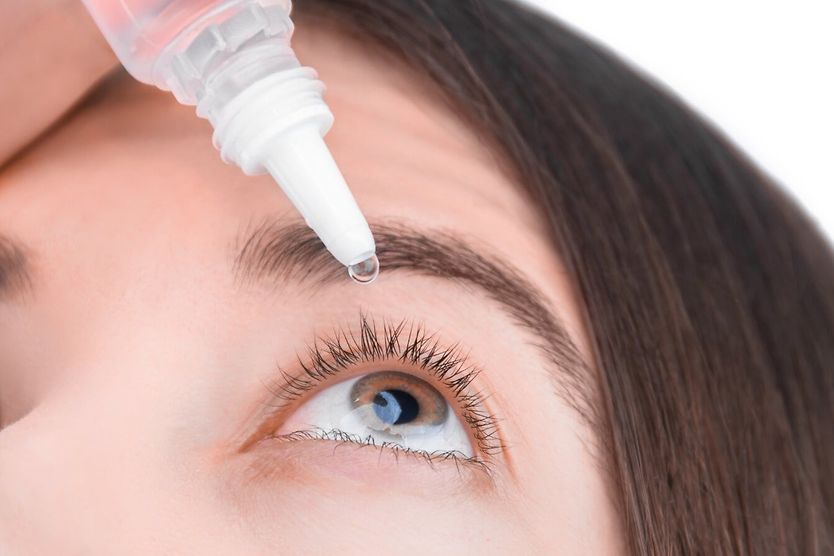
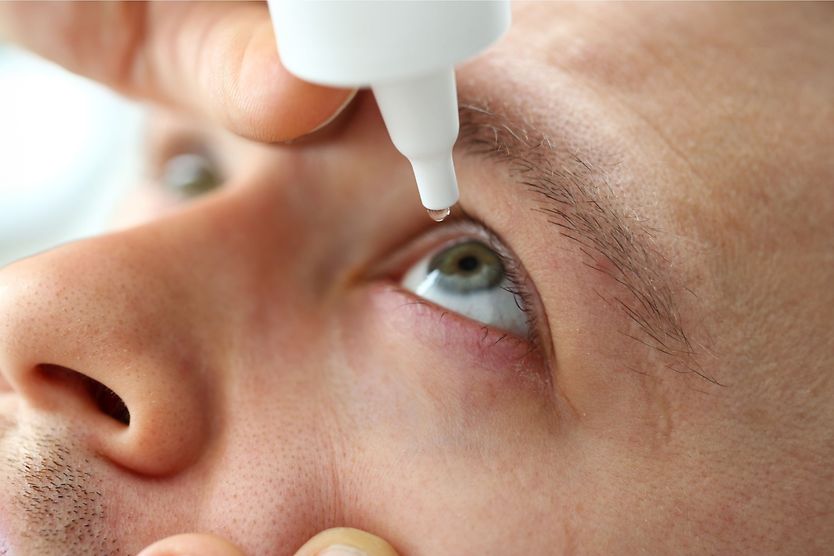
Allergy eye drops: Which ones will bring you relief?

If you suffer from allergies, you've probably tried allergy eye drops or are thinking about giving them a try to relieve your ocular allergy symptoms.
This article will help you understand more about allergy eye drops and whether they might be helpful to give you relief from your itchy, watery, swollen or red eyes.
What causes eye allergies?
An allergic reaction occurs when a person’s immune system reacts to an allergen (irritant) in the environment, either indoors or outdoors. An allergen is any substance that causes allergy symptoms in sensitive individuals.
When confronted by an allergen, the immune system perceives it as an invader and goes into overdrive to produce histamines to fight it. This is known as an allergic reaction.
There are two basic categories of allergic reactions. One is to seasonal allergens related to changes in nature — such as mold spores and pollens from trees, grass and weeds. People with seasonal allergies usually notice that their symptoms worsen when they go outside on days when pollen counts are high.
The other type of allergic reaction is to year-round allergens that are typically found indoors, like dust mites, pet dander, mold and mildew. Symptoms for people with year-round allergies usually become more noticeable when they do things that set the allergens in motion, like brushing a pet or cleaning the house.
But there are several effective allergy eye drops that can help reduce allergic symptoms.
NEED TO SEE AN EYE DOCTOR? Find a local optometrist and schedule an appointment.
How allergy eye drops can help
There are many allergy eye drops available — including non-prescription, over-the-counter (OTC) eye drops and medicated drops that require a prescription from your eye doctor.
The right allergy eye drops for you depends on several factors, including the cause of your allergy and the severity of your symptoms.
Some allergy eye drops are formulated for short-term use for acute symptoms, while others are designed for long-term use to prevent symptoms from occurring or reduce your sensitivity to allergens.
A recommended type of allergy drops is one that works in two different ways. Here’s what to look for in the ingredients:
- Antihistamine — helps reduce redness, itching and swelling
- Mast cell stabilizer — helps prevent the chemical release that cause allergy symptoms
These combined can relieve symptoms and prevent new symptoms from occurring.
Types of allergy eye drops
Antihistamine eye drops
Antihistamine eye drops are usually the first suggested treatment when symptoms become too strong to handle without medication.
Antihistamine eye drops block histamines in the body and quickly reduce symptoms like itchy, watery eyes. But the relief they provide may last only a few hours; so multiple doses throughout the day may be required.
Prescription antihistamine eye drops include azelastine ophthalmic, emedastine difumarate and levocabastine hydrochloride.
Anti-inflammatory allergy eye drops
Anti-inflammatory allergy eye drops include nonsteroidal anti-inflammatory drugs (NSAIDs) and corticosteroids. NSAID eye drops affect nerve endings and are designed to reduce itchiness within an hour after use.
Anti-inflammatory allergy eye drops may cause burning or stinging when first administered.
Ketorolac tromethamine ophthalmic drops are prescription allergy eye drops used for treating itchy eyes.
Corticosteroid eye drops
Corticosteroid eye drops eye drops are prescribed for treating long-term or severe eye allergic reactions.
Corticosteroid eye drops are usually recommended for short-term use because possible side effects include cataracts, glaucoma and high eye pressure (ocular hypertension).
Loteprednol is a prescription steroid eye drops used to treat allergic conjunctivitis.
Mast cell stabilizers
Mast cell stabilizers are another type of allergy eye drop. Mast cell stabilizers work by preventing the release of histamine and other chemicals produced by the body during an allergic reaction.
Mast cell stabilizers may be used for months without side effects, and they may allow contact lens users to continue wearing their contact lenses comfortably throughout allergy season.
There are several brands of OTC mast cell stabilizer allergy eye drops. Mast cell stabilizer allergy eye drops available by prescription only include cromolyn, lodoxamide, nedocromil and pemirolast.
Multiple-action allergy eye drops
Multiple-action allergy eye drops, also known as dual-action eye drops, combine more than one type of medication. The antihistamine/decongestant combo treats itchy, watery and red eyes.
Another version of multiple-action allergy eye drops combines an antihistamine and mast cell stabilizer. OTC products in this category contain ketotifen. These multiple-action allergy eye drops can be used twice a day.
Once-a-day prescription multi-action drops include alcaftadine and olopatadine. They are safe to use long term during allergy season or for year-round allergies.
Decongestant allergy eye drops
Finally, decongestant allergy eye drops reduce the red, bloodshot appearance of the eyes affected by allergic conjunctivitis. These products work by reducing the size of dilated blood vessels under the conjunctiva.
Decongestant allergy eye drops can be used for only a short period of time due to the risk of “rebound hyperemia” that makes the redness return after the drops are used frequently and then are discontinued.
OTC decongestant allergy eye drops include naphazoline, carboxymethylcellulose and tetrahydrozoline.
Follow the directions on the label
Whichever allergy eye drops you choose, always follow the instructions for recommended use on the label to minimize the risk of irritation and other side effects.
Limit your use of OTC and prescription allergy eye drops to what the label specifies (usually 2-3 times per day). If the drops cause increased redness or irritation, consult an eye doctor immediately.
SEE RELATED: Contact solution as eye drops?
Doctor recommended allergy eye drops
With so many allergy eye drops available, it can be nearly impossible to choose an appropriate formulation for your needs.
See an eye doctor near you for a careful evaluation and a professional recommendation.
READ NEXT: What different eye drop cap colors mean