Brimonidine tartrate and other OTC redness-relieving eye drops: What to know

Brimonidine Tartrate and Other OTC Redness-Relieving Eye Drops: What to Know
Red or bloodshot eyes can happen for several reasons, and are usually accompanied by irritation, itching or general discomfort. Known medically as ocular redness, the condition may be triggered by fatigue, dry eye, allergies, or other environmental factors.
One of the many options for temporary redness relief is an over-the-counter eye drop that contains low-dose brimonidine tartrate.
What are low-dose brimonidine tartrate eye drops and how do they work?
The FDA has approved low-dose brimonidine tartrate (0.025%) as an over-the-counter treatment for red eyes.
Low-dose brimonidine tartrate helps relieve red eyes by narrowing certain blood vessels in the eye. Blood vessels can expand when they are triggered by irritation, which causes the white of the eye, or sclera, to appear red or pink.
These eye drops are intended for temporary relief of redness from minor eye irritation.
What causes red eyes?
There can be many sources for red eyes.
The irritation that causes redness is often triggered by conditions and circumstances such as:
- Eye allergies
- Fatigue
- Dry eye syndrome
- Digital eye strain
- Irritation caused by contact lenses
- Eye infections such as conjunctivitis (pink eye)
Red eyes are often temporary and may improve with treatment. Over-the-counter drops are an option, but your eye doctor can also give specific recommendations. If the redness includes pain, discharge, light sensitivity, or blurred vision, make an appointment to see your eye doctor.
SEE RELATED: How to relieve bloodshot eyes
How are brimonidine tartrate eye drops different from some other redness-relief drops?
Many redness-relief eye drops relieve redness by narrowing tiny blood vessels on the eye’s surface. Other solutions, such as tetrahydrozoline and naphazoline, mainly narrow small arteries in the eye, which can temporarily decrease blood flow and oxygen to the eye.
Here’s some background on these older generation redness-relievers:
Tetrahydrozoline hydrochloride — Found in many widely available redness-relief drops. Tetrahydrozoline is a selective alpha-1 adrenergic receptor agonist that eliminates redness by constricting the blood vessels, particularly the arteries, which decreases blood flow and oxygen to the eye. While this provides temporary relief, redness can return worse than before once the drops wear off and oxygen returns to the eye — a phenomenon known as the rebound effect. Prolonged use may also lead to tachyphylaxis (reduced effectiveness over time).
Naphazoline hydrochloride — Another widely available OTC decongestant, naphazoline is a mixed alpha-1/alpha-2 receptor agonist. Like tetrahydrozoline, it works primarily by constricting arteries. It carries a similar risk of rebound redness and tachyphylaxis with sustained use.
Low-dose brimonidine tartrate works differently from some older redness-relieving ingredients by acting primarily on veins rather than arteries. These eye drops are intended for temporary relief of redness from minor eye irritation.
How long do brimonidine tartrate eye drops last?
Low-dose brimonidine tartrate eye drops may provide temporary redness relief for up to eight hours. Follow the directions on the product label for proper use.
To reduce the risk of contamination, discard the product according to the label instructions. Avoid using eye drops beyond the expiration date.
Also, contact your eye doctor if you have ongoing redness or symptoms that require frequent use of redness-relief drops.
How to use redness-relieving eye drops
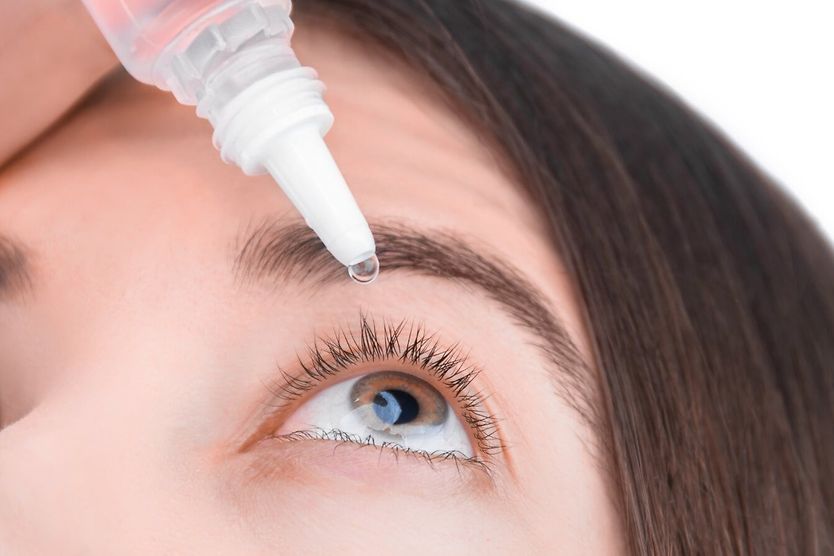
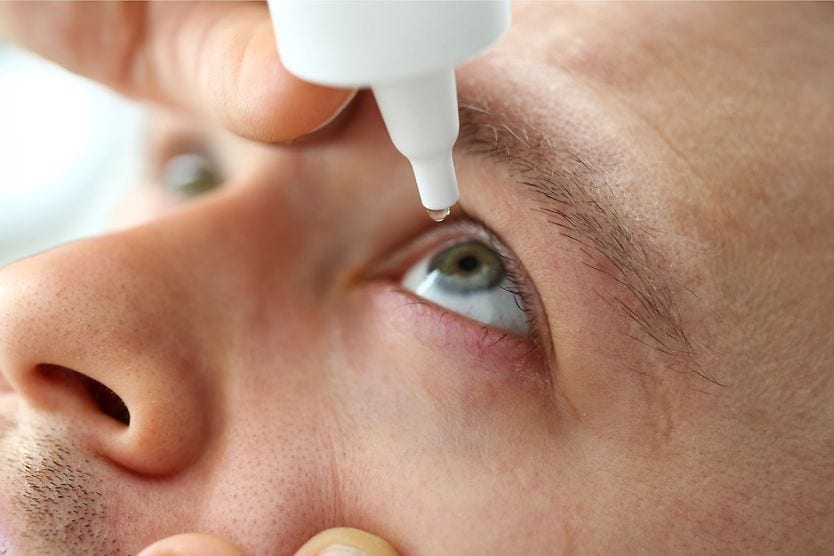
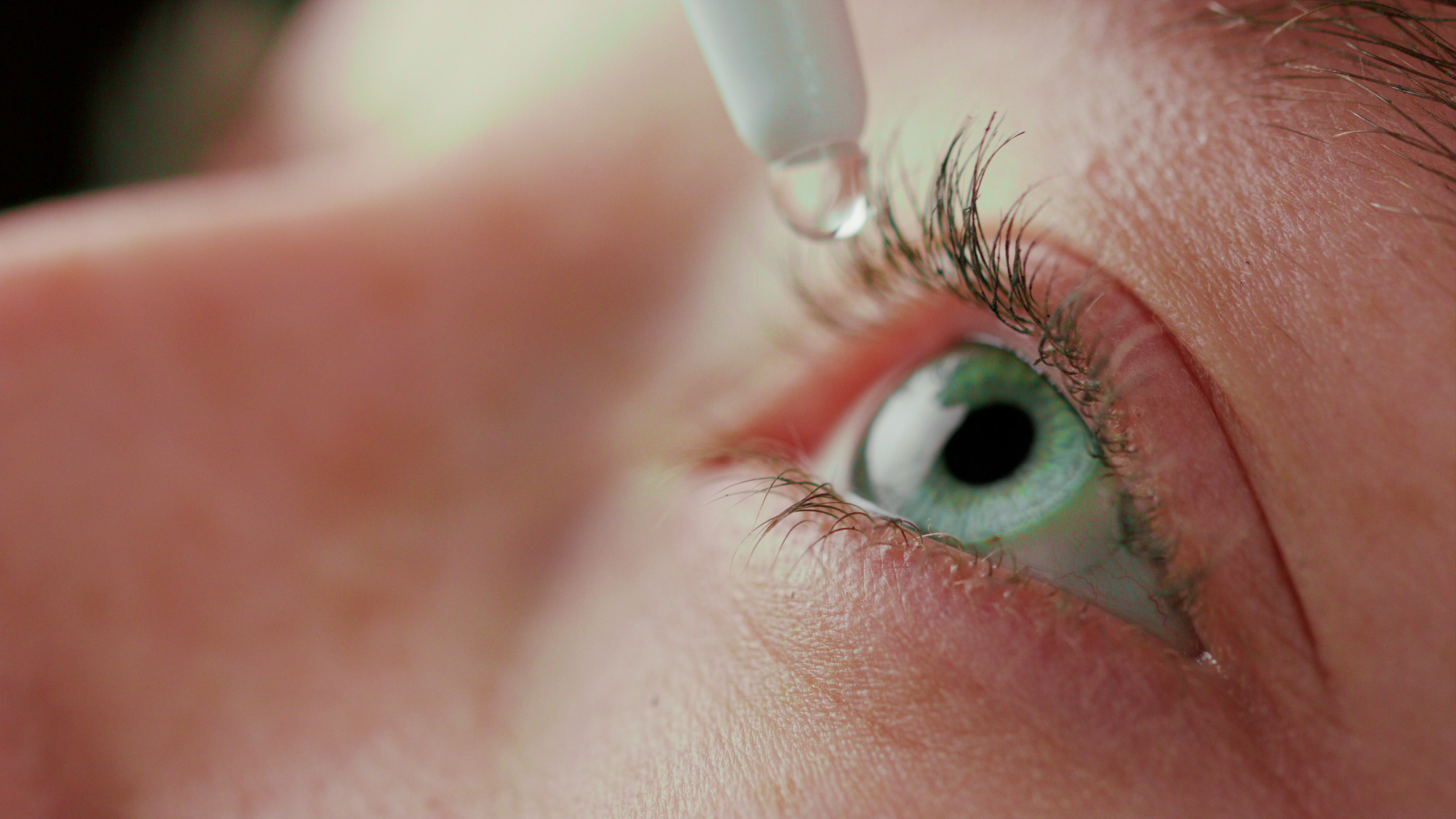
Use eye drops exactly as directed on the label or as instructed by your eye doctor. General steps for using redness-relief eye drops include:
- Wash your hands before applying the drops. If you wear contact lenses, remove them before use.
- Place the directed number of drops in the affected eye. Blink a few times if needed.
- If you use other eye care products, wait at least five minutes between applying each product.
- Avoid using the drops more often than directed. Using redness-relief drops too often may increase the risk of irritation, rebound redness or other complications.
- Do not touch the tip of the bottle to your eye, hands, fingertips or any other surface. Replace the cap after each use.
- If you experience vision changes, eye pain, or continued redness or irritation stop using the drops and contact your eye doctor.
Talk to your eye doctor if you need to use redness-relief drops often. Frequent redness may be a sign of an underlying condition that requires evaluation.
READ MORE: How to put in eye drops
Brimonidine tartrate eye drops side effects and safety
Low-dose brimonidine tartrate eye drops are intended to temporarily relieve redness from minor eye irritation. They are not meant to treat dryness, infection, eye pain, injury or other eye symptoms.
Possible side effects may include:
- Itching
- Tearing
- Eye pain or discomfort
- A feeling that something is in the eye
Some people may be sensitive or allergic to ingredients in eye drops, including brimonidine tartrate or preservatives such as benzalkonium chloride. Avoid using an eye drop that contains an ingredient that may cause you an allergic reaction.
Do not use eye drops if the packaging appears damaged or tampered with. Stop using the drops and contact your eye doctor if you experience pain, side effects, continued redness, vision changes or symptoms that get worse.
Where are OTC redness-relieving eye drops available?
Low-dose brimonidine tartrate and other redness-relieving eye drops are available over the counter without a prescription. They are usually available at pharmacies and major retailers.
Prices can vary based on the bottle size, manufacturer and retailer.
Be sure to schedule a yearly comprehensive eye exam to keep your eyes healthy, both for vision changes and overall wellness.
READ NEXT: What different eye drop cap colors mean