What kind of eye drops are used for pink eye?

Pink eye is another word for conjunctivitis. It can be caused by viruses, bacteria, allergies or other chemical irritants. There is no cure for viral pink eye (the most common type), just as there is no cure for the virus that causes the common cold. It usually just needs to run its course.
Eye drops used for viral pink eye are typically nonprescription drops that help alleviate its symptoms until it clears up on its own. In most cases, this kind of pink eye lasts from a few days to a few weeks.
However, viral pink eye is only one of several types of conjunctivitis. When it comes to eye drops for pink eye, there are many important things to understand about dosage, use and ingredients. For example, antibiotic eye drops do not work as a treatment for viral pink eye, they're only used for treating conjunctivitis caused by bacteria.
Whether you are using over-the-counter or prescription eye drops for conjunctivitis, each should be used as instructed by your eye doctor to treat your specific condition.
Below, we discuss the appropriate eye drops for each type of conjunctivitis and the basic recommended use for each.
What kind of eye drops should be used for pink eye?
The term “pink eye” is often used to refer to all types of conjunctivitis: viral, bacterial, allergic or chemical. It is important to recognize which type of conjunctivitis you are experiencing, as treatments may differ for each one.
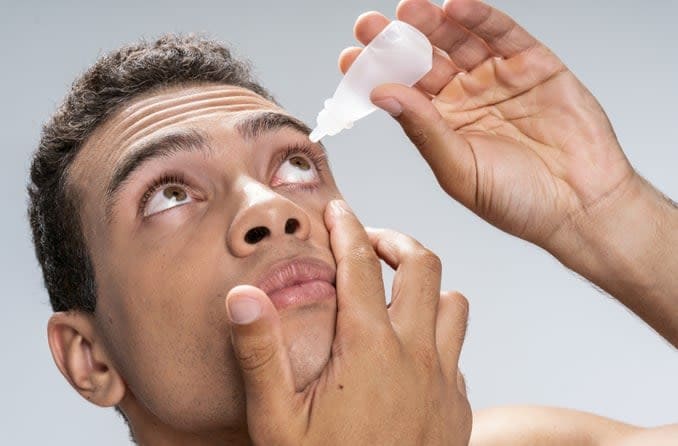
So which pink eye drops will help your particular condition? Your eye doctor may recommend these kinds of eye drops to treat each type of conjunctivitis:
- Viral conjunctivitis: Artificial tears may ease discomfort and other symptoms, but conjunctivitis caused by a virus (such as a cold or upper respiratory infection) cannot be cured with eye drops.
- Bacterial conjunctivitis: Antibiotic eye drops, prescribed by a doctor, are the typical treatment for bacterial conjunctivitis. However, mild bacterial pink eye often gets better on its own, so your doctor may recommend waiting a few days before prescribing antibiotic drops.
- Allergic conjunctivitis: Artificial tears, lubricating eye drops and some antihistamine eye drops, available over the counter, may be recommended to aidred eyes and inflammation due to pet hair, pollen and other common allergens.
- Chemical conjunctivitis: Artificial tears and lubricating eye drops, available over the counter, may be recommended for symptoms of conjunctivitis brought on by chemical irritants like cosmetics, perfumes or environmental pollutants. For more severe irritation like a chemical eye burn, an immediate eye wash and medical attention are needed to prevent permanent eye damage.
Some conjunctivitis may require additional treatment, such as ointments, oral antibiotics and oral pain relievers. Always ask your eye doctor about recommended use before combining more than one medication.
Over-the-counter eye drops for pink eye
Now that you have an idea of what kind of product you may need, let’s get more specific about pink eye drops. In some cases, the recommended drops will be available over-the-counter.
Over-the-counter pink eye drops are readily available without a prescription. However, certain products may be more helpful depending on the type of conjunctivitis in question — while others should be avoided.
An eye doctor may recommend one or more of the following types of eye drops:
Artificial tears
Lubricating eye drops, or artificial tears, can help provide relief for certain symptoms of pink eye like itching, redness and other discomfort. These drops can also be used periodically to help treat the symptoms of conjunctivitis caused by allergies or irritants.
While artificial tears can be used to help ease the symptoms of viral pink eye, they are not a cure, and the condition must simply run its course.
OTC eye drops to avoid
Artificial tears can be a simple and often effective way to relieve irritated eyes. While there are many varieties that can moisturize and provide relief for conjunctivitis symptoms, there are some products that are generally not recommended for pink eye.
Specifically, many products that state that they are “eye-whitening” and “anti-redness” can cause even more redness and irritation if you use them too often.
Prescription eye drops for pink eye
Depending on the degree of the infection, your eye doctor may prescribe special eye drops for pink eye. Based on the infection, your medical history and allergies (if any), your doctor will be able to select the best option for your condition.
Some common prescription eye drops for pink eye include:
Corticosteroid
When OTC lubricating eye drops aren’t enough, your eye doctor may suggest a prescription-strength alternative. Prescription anti-inflammatory eye drops such as corticosteroid (steroids) may be prescribed for patients who experience more severe symptoms related to conjunctivitis.
Ofloxacin
A broad-spectrum antibiotic, ofloxacin is used to treat many bacterial infections, including bacterial conjunctivitis. Ofloxacin drops are typically administered four or more times a day, but always follow the instructions given on your prescription and contact your eye doctor for questions.
Tobramycin
Ophthalmic tobramycin is used to treat eye infections, including bacterial conjunctivitis. The directions for using these drops is typically once every four hours per day, for up to one week. However, your eye doctor will confirm the best use for your condition.
Ciprofloxacin
Ciprofloxacin, available as both an ointment and eye drop solution, is typically prescribed to be used every two hours or until the infection begins to clear up. As with any prescription medicine, your eye doctor will give you specific directions for proper use.
Antibiotic eye drops are only used for bacterial conjunctivitis, as they treat bacteria-related infections. They are not designed to treat other types of pink eye (allergic, viral or chemical) and should not be used to do so.
How to use eye drops for pink eye
Using eye drops for pink eye correctly and efficiently depends on the ingredients in the drops themselves, as well as the amount your infection requires. Eyes are sensitive to begin with — factoring in an infection requires additional care. That’s why it is critical to follow your eye doctor’s recommended usage and dose, especially for prescription drops.
Like all medicine, pink eye drops include instructions for use, typically located on the box or the bottle itself. If you have questions or concerns, don’t hesitate to consult your pharmacist or eye doctor.
What to do if pink eye persists
Additional treatment may be required if your pink eye symptoms last longer than a week or two. If this happens, be sure to see an eye doctor and report your symptoms and any products you may already be using to treat your pink eye. This includes prescribed treatments, over-the-counter products and home remedies.
It’s also important to see your eye doctor if your symptoms persist or become severe to make sure it’s not a more serious type of eye infection.
If you're prone to pink eye, preventative measures like frequent hand washing and wearing goggles when swimming may help avoid future infections. Pink eye is extremely contagious, which makes your efforts to prevent it even more important.
SEE RELATED: Natural remedies for pink eye