Eye colds: Are they “pink eye” or something else?


Are eye colds the same as pink eye?
Sometimes.
Many people use the term “pink eye” to refer to all types of conjunctivitis, which is an infection or inflammation of the eye’s conjunctiva. The conjunctiva is the clear membrane that covers the white part of your eye and the inside of your eyelid.
Eye colds are a type of viral conjunctivitis, and they sometimes develop in people who’ve caught a cold or flu virus.
Conjunctivitis can also be the result of a bacterial eye infection or seasonal allergies.
To complicate things a bit more, pink eye only refers to viral conjunctivitis. Plus, pink eye that’s caused by a viral infection that isn’t a cold or flu virus isn’t an eye cold. So, just as not all types of conjunctivitis are pink eye, not all pink eye is an eye cold.
But all eye colds are pink eye.
Common symptoms of eye colds
Since eye colds are a form of viral conjunctivitis, or pink eye, they have many of the same symptoms you’re probably already familiar with for pink eye.
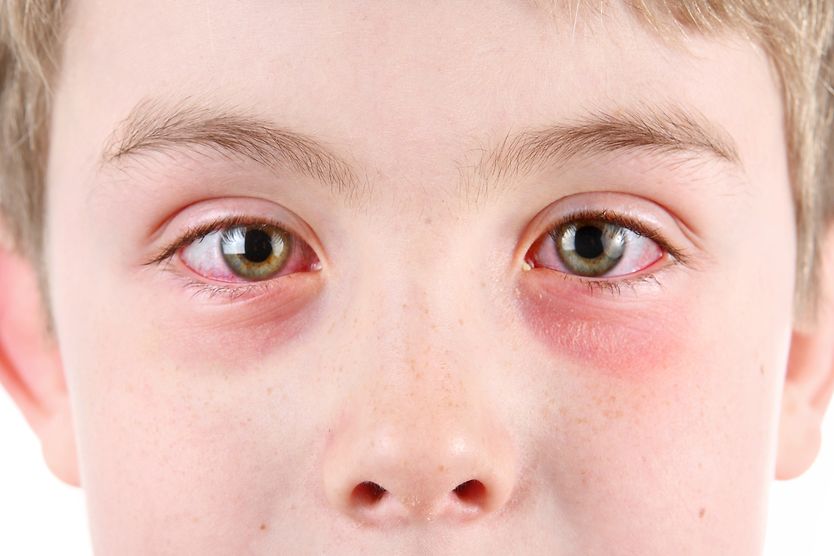
The most common symptom is when the white parts of your eyes become pink to red in color. Your eyes may also sting, burn or itch. And your eyelids may be swollen. Eye colds also usually cause teary or watery eyes, and you may even have some whitish eye discharge.
If you’re experiencing these symptoms and have a cold or the flu, it’s likely that you have an eye cold caused by the same virus.
However, it’s important to note that red eyes and the rest of these symptoms can be caused by other types of eye infection that could be more serious. Even if you do have a cold or the flu, you should see your eye doctor about your eye symptoms if they are severe or last more than one to two weeks.
Viral vs. bacterial conjunctivitis
Viral conjunctivitis is usually caused by the adenovirus, which can produce many common cold- and flu-like symptoms. However, any cold or flu virus can be transferred to your eyes and give you an eye cold.
Compared to bacterial conjunctivitis, eye colds are relatively mild and shouldn’t be a cause for too much concern. Bacterial conjunctivitis can last longer and be more severe or even dangerous if not treated, so it’s important to know the difference.
The most noticeable difference between viral and bacterial conjunctivitis is that bacterial conjunctivitis often produces a much thicker, stickier eye discharge that may be green or yellow.
READ MORE: Follicular conjunctivitis
Is there an “eye cold season”?
Just like there is a cold and flu season, there is a conjunctivitis season. And, not surprisingly, they happen around the same time — late fall and early spring. You can definitely catch an eye cold or another type of conjunctivitis any time of year. But cases of conjunctivitis ramp up right along with cases of colds and the flu.
Conjunctivitis itself is extremely contagious, and it is spread in much the same way as colds and the flu. If someone who has it touches their eyes and then doesn’t wash their hands, they can easily spread it to others just by shaking hands or touching doorknobs, toys or other surfaces.
Eye colds are also more common during cold and flu season simply because so many people have colds or the flu. Anyone who has one of these viruses can spread it by coughing, sneezing or not washing their hands. Even if that person doesn’t have conjunctivitis, you could end up with it if you inadvertently transfer their germs to your eyes.
The novel coronavirus has also been shown to cause conjunctivitis. So, pay attention to eye symptoms now, as well as into cold and flu season.
Preventing and treating eye colds
Many of the methods you can use to prevent eye colds are the same as preventing the cold and flu. These include washing your hands often throughout the day, using hand sanitizer and — especially — not touching your eyes. Remember, conjunctivitis is extremely contagious, which means you can spread it as easily as you can catch it.
Treatments for conjunctivitis depend on whether the infection is viral, bacterial, allergic or caused by something else.
Eye colds, because they are viral, don’t have a “cure” or specific medical treatments. They will usually run their course and go away on their own, along with your cold or flu, in a week or so. If you have an eye cold, your doctor will likely focus on alleviating your symptoms with over-the-counter treatments and natural, at-home remedies for pink eye.
Bacterial and other forms of conjunctivitis can be treated with antibiotics and prescription antibiotic eye drops. They may also resolve on their own in some cases. Ask your eye doctor if you can also try the OTC and natural remedies to relieve your symptoms while the infection clears up.
While eye colds and some other types of conjunctivitis will go away on their own, it’s very important to remember that’s not always the case. Also, many other eye infections may look like conjunctivitis. Always seek care from your eye doctor if you have any symptoms.