Why eyes water in cold weather: Causes & ways to find relief


Why do my eyes water in cold weather?
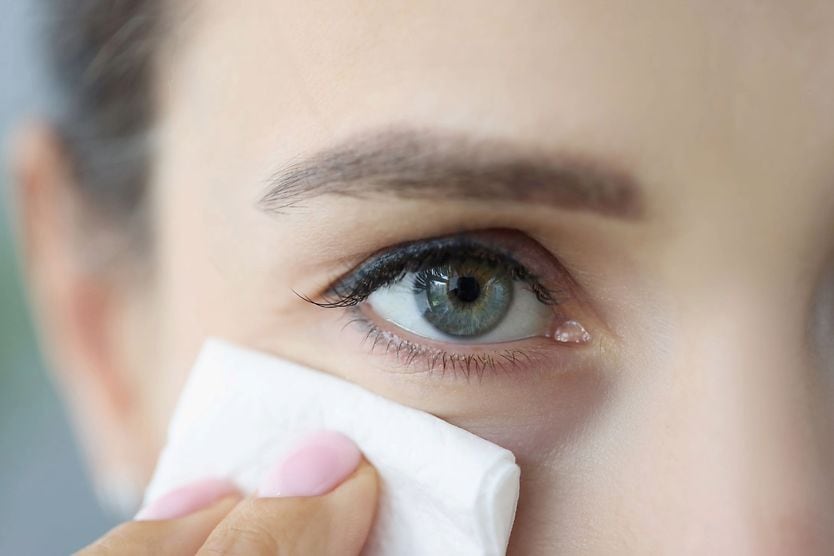
Tears help your eyes in a lot of ways. They protect them and keep them moist, which is important for your eyes to stay healthy. If your eyes are getting dry, they’ll sometimes produce more tears to compensate. That’s why eyes tend to water in cold weather.
Winter weather can dry your eyes out. This may result in symptoms that are similar to dry eye disease, a condition where the layer of tears over your eyes (the tear film) is disrupted. Eyes that are dry will sometimes water to replenish moisture that is lost too quickly.
READ MORE: Tears and eye health
The science behind watery eyes in cold weather
When the air is too dry, the tears that protect your eyes can evaporate quicker than normal. This signals to your body that it has to replenish that moisture by making more.
How cold air affects tear production
The tear film sits over the cornea (the front of the eye, shaped like a dome). The cornea has sensory fibers called thermoreceptors. They activate as temperatures drop, making your eyes feel colder and drier. They tell your eye to make more tears. Wind and dry air can speed up this process, leading to faster evaporation and activation of thermoreceptors.
The role of reflex tearing
Eyes watering in cold weather can be described as a reflex process. Reflex tears are your eyes’ response to something external. Reflex tears wash away anything irritating, like smoke or dust. In the case of cold weather, reflex tears attempt to step in to replace moisture lost because of the dry, cold air. However, they do not replace the quality found in your normal tears.
Common causes of watery eyes in winter
Watery eyes in winter are primarily due to reflex tears. Your eyes water to keep them from getting too dry, or as a response to eye irritation.
SEE ALSO: How climate, humidity and environmental factors may affect eyes and vision
Wind and dry air
Air that’s cold tends to be less moist than air that’s warm. The lack of moisture is what makes your tears evaporate and your eyes have to compensate with extra tears. Any wind that’s blowing can also dry out the surface of your eyes.
Allergies and irritants
Winter typically means more time spent inside, and that means increased exposure to indoor allergens (like mold, dust and pet dander).
These allergens can cause eye irritation or a reaction, like allergic conjunctivitis. Allergic conjunctivitis is inflammation of the conjunctiva, the membrane that covers the eye’s surface and inner lining of the eyelids, in response to an allergen. Watery eyes are a common symptom of allergies.
Blocked tear ducts
Your eyes have a series of tear ducts, which let tears drain out of your eyes. Sometimes these ducts become blocked, meaning the fluid can’t drain like normal. If a tear duct is blocked, then any reflex tearing in cold weather may be worse.
READ MORE: Blocked tear ducts: Causes, symptoms and treatment
How to prevent watery eyes in cold weather
Eyes watering in the winter can be annoying, but there are some steps you can take to minimize or prevent it.
Protective eyewear
Glasses help provide an extra barrier between your eyes and the outside environment. They can also increase the relative humidity around your eyes, which helps keep the moisture in. The use of wraparound glasses or goggles may offer extra wind protection.
SEE ALSO: Why should you wear sunglasses year-round?
Use of artificial tears
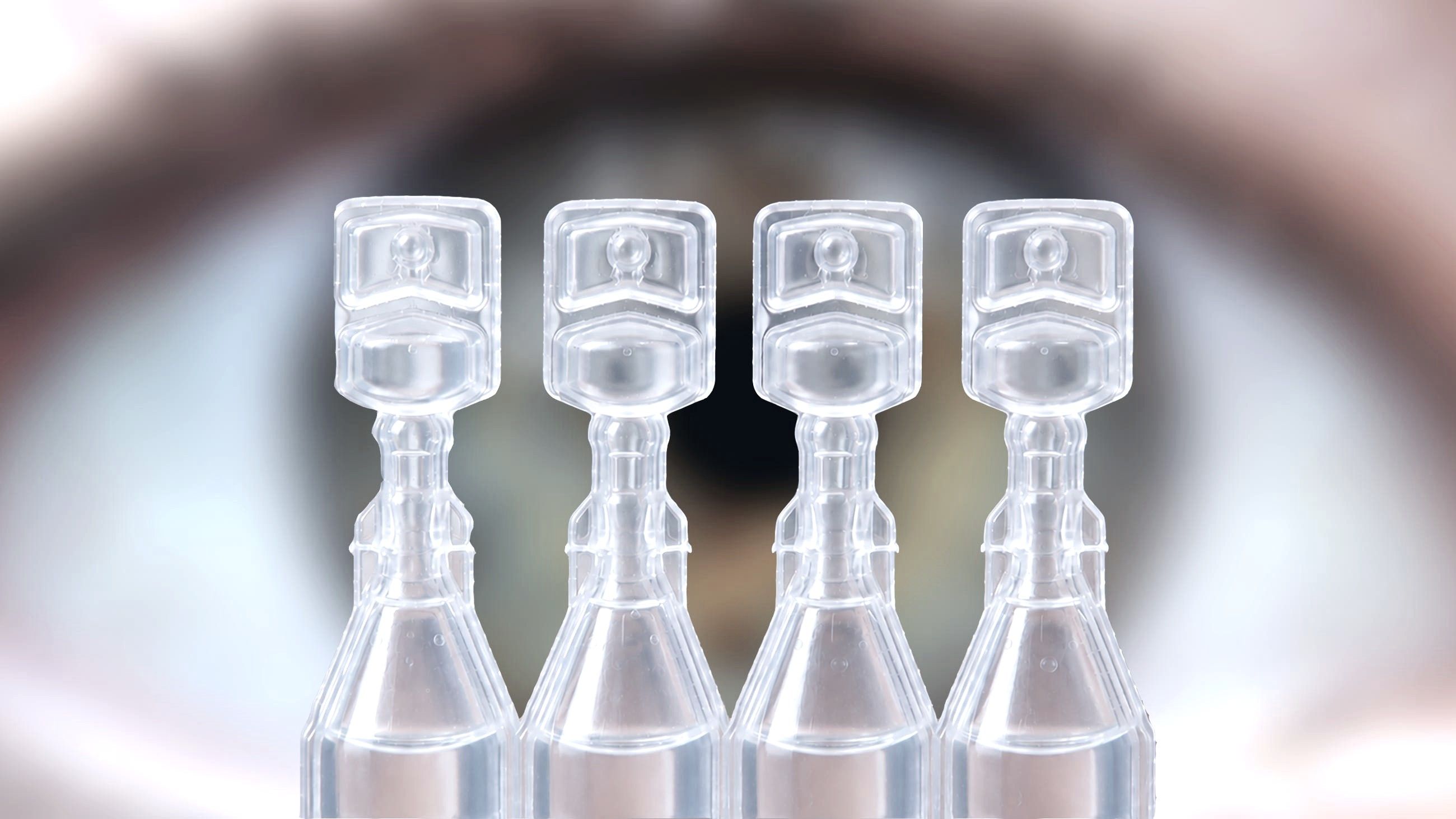
Lubricating eye drops, like artificial tears, are often used to treat the symptoms of dry eye disease. They can also help keep your eyes from drying out as quickly.
READ MORE: Which eye drops might work best for you?
Avoiding common irritants
Doing your best to avoid anything that could be irritating can help stop your eyes from watering in response. This could include:
- Allergens
- Smoke or wind (including air vents blowing into your face)
Taking steps to make your environment more comfortable can also help. For instance, a humidifier can keep the conditions inside from getting too dry.
Staying hydrated
Drinking enough water helps your body stay hydrated. This may help your body keep your eyes lubricated without needing to make more tears.
READ MORE: How dehydration can impact eye health and vision
When to see an eye doctor
If your eyes are watering often, not just in cold weather, then it may be a sign of another condition. It could be related to tear production, an infection or an injury.
Persistent symptoms
The medical term for watery eyes is epiphora. In general, the primary symptom is the watering eyes themselves. If there are other symptoms, they are often caused by another condition happening alongside the watery eyes.
For instance, symptoms like itching or burning could indicate allergies or dry eye disease. Any buildup around your eyelids or eyelashes may be a sign of a blocked tear duct. A blockage could also be indicated if only one eye is tearing (both eyes tend to tear in reflex tearing). If your eyes are inflamed along with being watery, then infective or allergic conjunctivitis might be present.
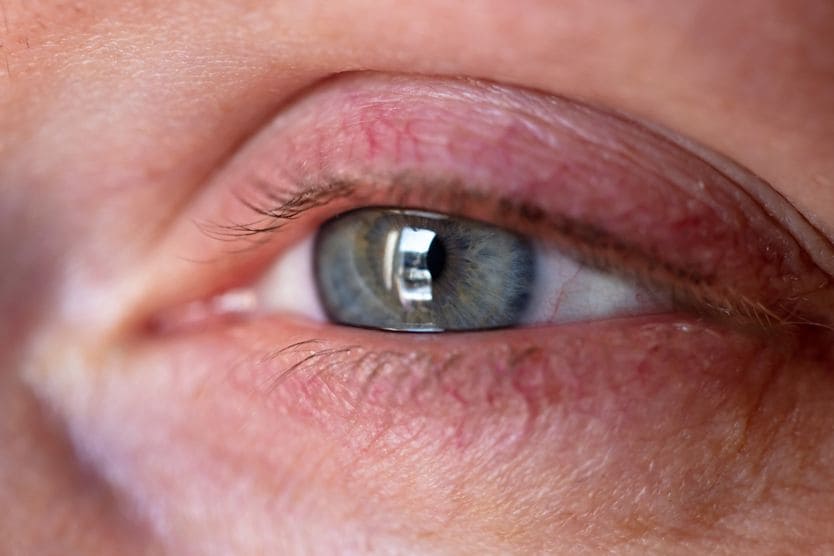
Associated pain or redness
If your eyes are constantly watering, or you experience any of the following symptoms, it’s recommended to see an eye doctor:
- Pain, burning or your eyes tearing up first thing in the morning
- Changes in vision
- Feeling like something is stuck in the eye
- Redness
- Swelling
Such symptoms, especially pain or discomfort in the morning, may indicate a more serious condition, like damage to the cornea.
Keeping your eyes comfortable in winter
Tearing eyes are normal in the winter in response to lower humidity and colder temperatures. You can keep them from getting too dry and tearing with methods like wind protection and lubricants like artificial tears. But if your watery eyes are bothering you without any relief, it’s recommended to see an optometrist or ophthalmologist.
READ NEXT: How to stop watery eyes or teary eyes