What causes gritty eyes, and how do you get relief?

What do gritty eyes feel like?
Gritty eyes can be a symptom of several eye conditions. They can also be a side effect from medications, your environment (like dry weather or allergies) or lifestyle factors. Treating the underlying condition with home remedies, over-the-counter options or prescription medications may help your eyes feel better.
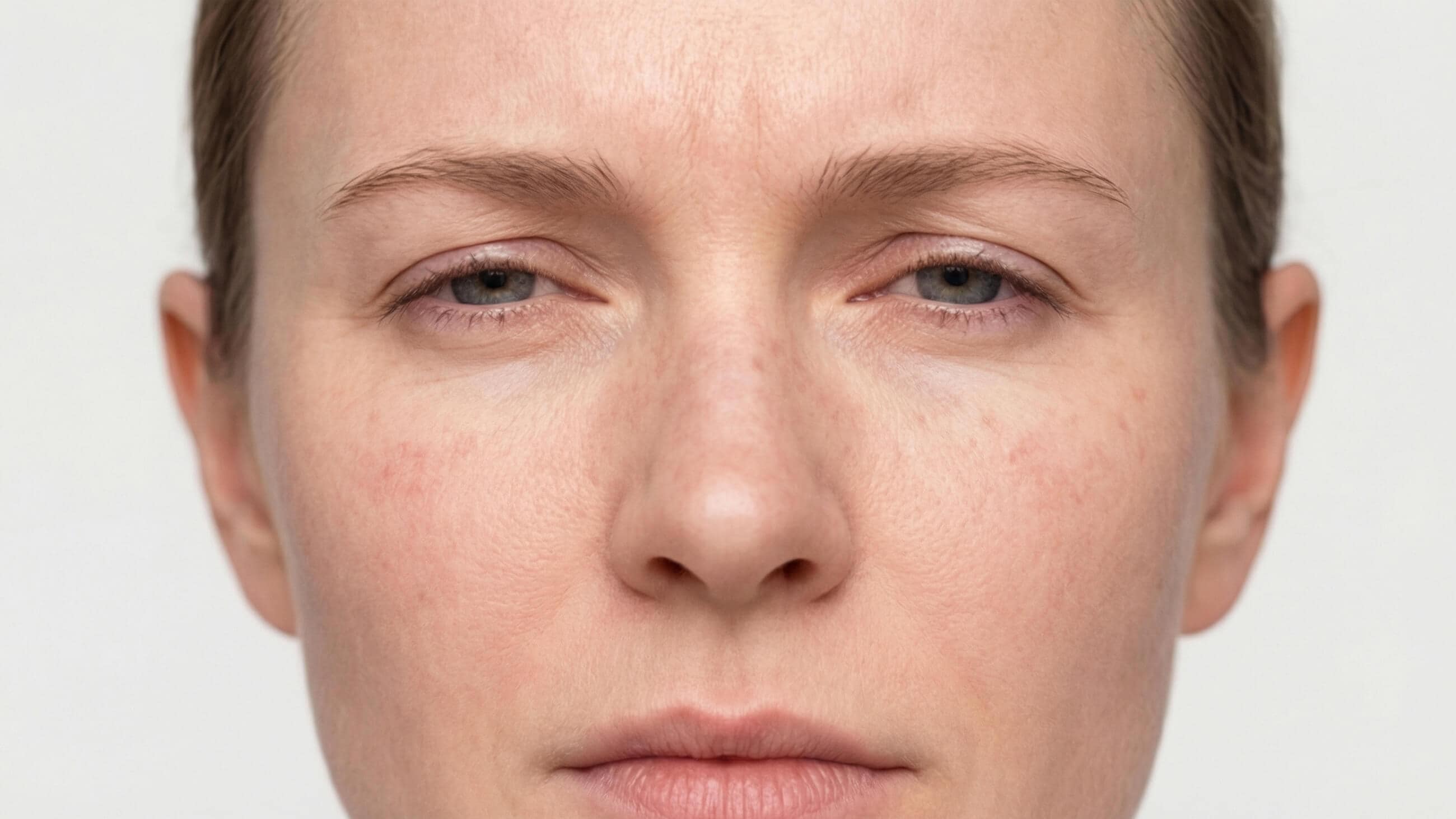
If you have gritty eyes, you might also describe them as “sandy” or “scratchy.” It can feel like there’s something stuck in them, which is called foreign body sensation.
Other symptoms you might notice with gritty eyes
There may be other eye symptoms with your gritty eyes, depending on the underlying cause. Some common ones to look out for can include:
- Eye pain or irritation
- Tearing or watery eyes
- Itching
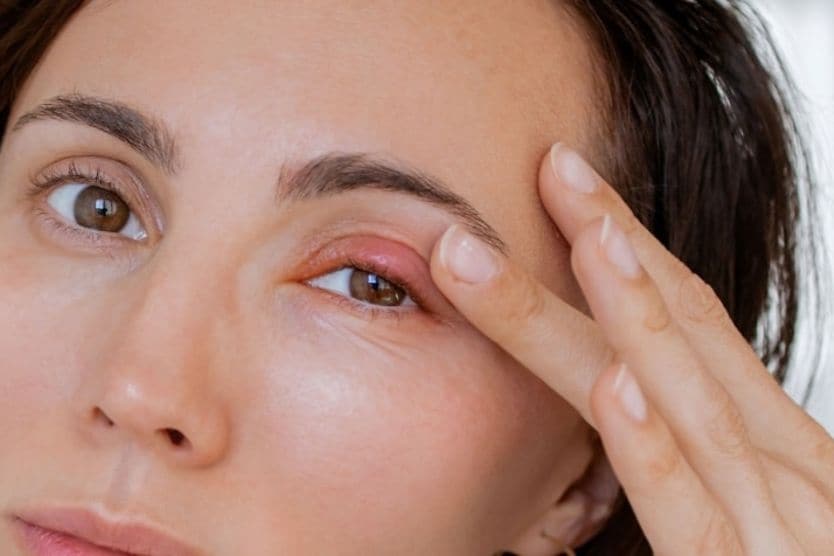
- Eye redness
What can cause gritty eyes?
Gritty eyes, or a condition that can lead to gritty eyes, can be caused by several factors, including:
- The environment (like dry weather)
- Lifestyle (like whether you smoke, use contact lenses or have a lot of screen time)
- An eye infection, allergic reaction or irritation
- Medical factors (like medications or an underlying condition)
SEE RELATED: What are the effects of too much screen time?
Dry eye disease (DED)
The layer of tears that covers your eyes is called the tear film. It keeps your eyes moist and helps remove particles that shouldn’t be there. If your tear film isn’t working properly, it can cause dry eyes.
There are several things that could cause an unstable or nonfunctional tear film:
- Your eyes aren’t making enough tears.
- Your eyes are making poor-quality tears.
- Your eyes are drying out too fast.
When your eyes are too dry from a tear film that isn’t working properly, it can leave your eyes feeling scratchy, gritty or like something is stuck in them.
DED can happen as you age because your eyes naturally produce fewer tears. They may also happen alongside conditions, such as:
- Sjӧgren’s disease – A disease where your body damages glands that help make and maintain moisture. This can lead to dryness in various parts of the body.
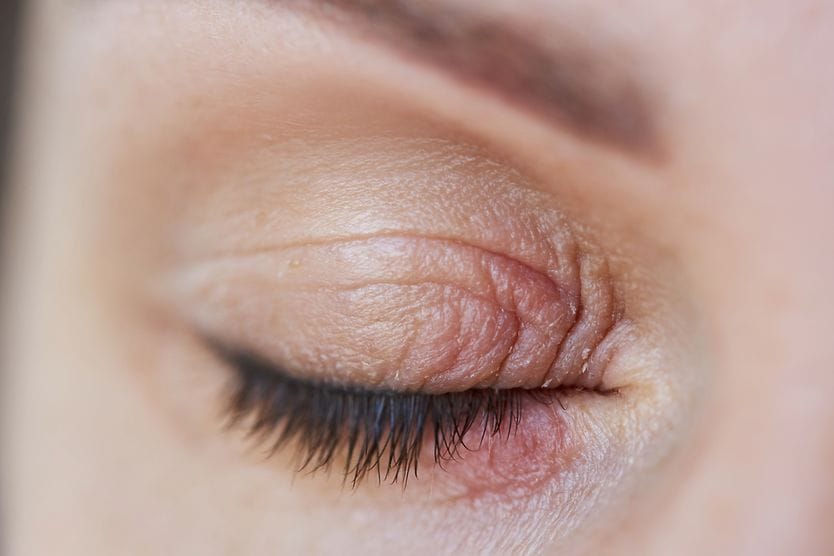
- Blepharitis – Swollen, red or itchy eyelids that happen when there is an overgrowth of bacteria or Demodex mites. It can also happen with a condition called meibomian gland dysfunction (MGD) where the oil glands in your eyelids get too clogged.
- Thyroid eye disease (TED) – Eye irritation that can happen alongside thyroid disease (any condition that keeps the thyroid gland, which releases hormones that help with metabolism, from working properly). TED is an autoimmune condition affecting the tissues around the eyes, most commonly associated with Graves' disease, that can also cause bulging of the eyes and double vision.
Other reasons your eyes might be dry can include:
- The environment, like smoke or dry weather
- Screen time or reading (activities where you don’t blink very often or blink incompletely)
- Contact lens use
- Medications you may be taking
READ MORE: Tears and eye health
Allergies
Allergens (like pollen) can irritate the conjunctiva. This is the tissue that covers the white part of your eye (the sclera) and lines the inside of the eyelids. This reaction causes allergic conjunctivitis, which refers to irritation of the conjunctiva caused by allergens specifically.
Allergic conjunctivitis can be seasonal or year-round. If it’s happening all year, it’s likely caused by indoor allergens, like pet dander or dust.
An irritated conjunctiva can lead to gritty eyes, along with itchiness or redness. Allergic conjunctivitis may also cause:
- Watery eyes or clearish-gray, stringy mucus
- Sneezing/runny nose
- Swollen eyelids
Eye infections
Infectious conjunctivitis (or pink eye) can also be caused by a viral or bacterial infection. While allergic conjunctivitis is not contagious, both the viral and bacterial forms are.
Viral conjunctivitis is more common and may cause your eyes to:
- Burn
- Be red
- Have a watery discharge
Bacterial infections can also cause red eyes. It may also involve a pus-like discharge from the eye that is often greenish-yellow in color.
Both forms of eye infection can lead to gritty eyes or a foreign body sensation.
READ MORE: Types of pink eye: Bacterial, viral and allergic conjunctivitis
Contact lens use
Contact lenses can be a contributor to gritty eyes or foreign body sensation, especially if they don’t fit well or are being used longer than recommended. It’s important to wear and care for your contacts as directed by your eye doctor along with replacing them as instructed. It is also important to avoid sleeping in your lenses.
Problems with contact lenses can also lead to other conditions that cause a gritty sensation, like contact lens-induced dry eye (CLIDE) or an eye infection.
SEE RELATED: Contact lenses: A guide for first-time users
Corneal irritation
Some cases of persistent gritty eyes or foreign body sensation could be from irritation of the cornea. The cornea is the clear dome that covers the front portion of the eye. If nerves in the cornea are damaged, a condition called neurotrophic keratitis (NK), can lead to changes in tear production and damage to the eye’s surface.
Other forms of damage include abrasions (scratches) or erosion (when the surface cells separate from the layer underneath). All these types of damage may contribute to foreign body sensation.
Environmental factors
Characteristics of the environment can also lead to gritty eyes (or to a condition with gritty eyes as a symptom, like DED). These can include:
- Very dry air
- Wind or smoke
- Screen time
Adjusting your environment can help manage the gritty eye feeling. For instance, resting your eyes from time to time (and remembering to blink) can help your tear production. If you have the heat on during the winter, a humidifier can help keep the air humid.
Can gritty eyes be a sign of a serious problem?
Sometimes you have gritty eyes or a foreign body sensation because something is actually stuck underneath the eyelid. If there is no foreign object, it could indicate a condition, like dry eye disease, blepharitis or even damage to the cornea.
If you have other symptoms alongside gritty eyes, it could be a sign of infection, like viral or bacterial conjunctivitis. These symptoms can include:
- Burning or pain in the eyes
- Blurred vision
- Mucus or watery discharge
- Sensitivity to light
Although there is no treatment for viral pink eye, other viral conditions like herpes may require anti-viral eye drops and pills. A bacterial infection may need to be treated with antibiotic eye drops.
If symptoms are bothering you or lasting for a long time, it’s best to consult an optometrist or ophthalmologist. They’ll be able to examine whether there’s a more serious underlying condition causing your gritty eyes or other symptoms.
Can you treat gritty eyes at home?
There are several home remedies for alleviating gritty eyes. These can include:
- Using a humidifier in the winter
- Taking breaks from screens
- Wearing protective eyewear (to protect against smoke or wind, for instance)
- Warm compresses
- Artificial tears eye drops (for frequent use up to six times per day, it is recommended without preservatives as preservatives can harm the surface of the eye)
If you have blepharitis, eyelid hygiene is especially important for managing symptoms. Make sure to clean your eyelids every day with a gentle cleanser to help remove crusts. You might need a prescription eye drop if you have been diagnosed with Demodex blepharitis.
If your gritty eyes are persistent or home remedies aren’t working, talk to your eye doctor. If the sensation is caused by another underlying condition, treating that condition will be most effective for helping your gritty eyes.
SEE RELATED: Dry eye treatment: How to soothe irritated eyes
Can you prevent your eyes from feeling gritty?
Many of the home remedies for gritty eyes can also be used to prevent them. These measures can also help prevent infection or worse symptoms with a condition like dry eye disease. These suggested methods may include:
- A diet containing omega-3s (omega-3s may support tear quality)
- Avoiding triggers that could dry your eyes out too much (try not to use a hair dryer; wear wraparound glasses when it’s dry and windy)
- Remember to blink, especially if focusing (this helps with tear production)
- Keeping your eyelids clean (especially for blepharitis)
- Proper contact lens care (taking breaks from wearing them, keeping them clean, avoiding overwear, replacing them as directed, not sleeping in your lenses)
When should you see an eye doctor?
If your gritty eyes or foreign body sensation are persistent, consult an eye doctor. An eye doctor can check for anything stuck in your eye and test whether your symptom(s) may be caused by an underlying condition.
You should also consult an eye doctor if there are new symptoms alongside the gritty eyes or if they get worse over time. An eye doctor will be able to help determine appropriate treatment options.