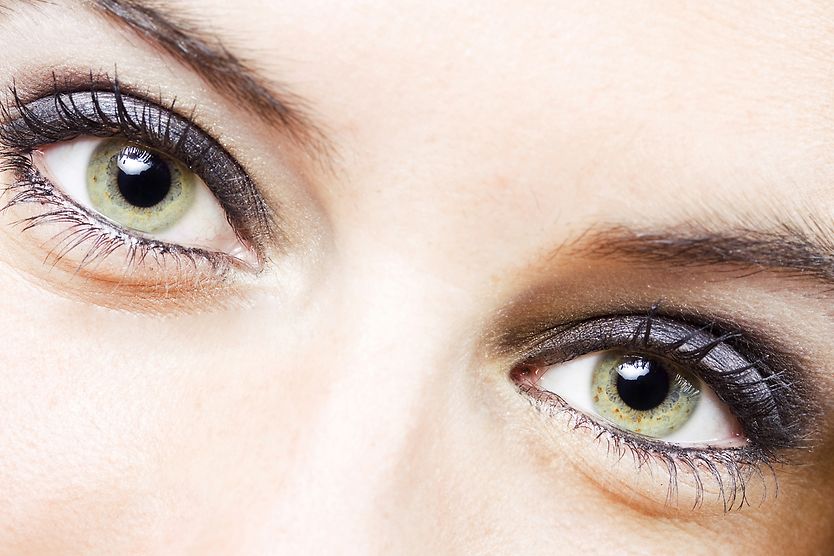
Heterochromia is having different-colored eyes


On this page
What is heterochromia?
What causes heterochromia?
Types and symptoms of heterochromia
Heterochromia iridum and heterochromia iridis
Heterochromia diagnosis
Heterochromia treatment
Heterochromia FAQs
On this page
What is heterochromia?
What causes heterochromia?
Types and symptoms of heterochromia
Heterochromia iridum and heterochromia iridis
Heterochromia diagnosis
Heterochromia treatment
Heterochromia FAQs
What is heterochromia?
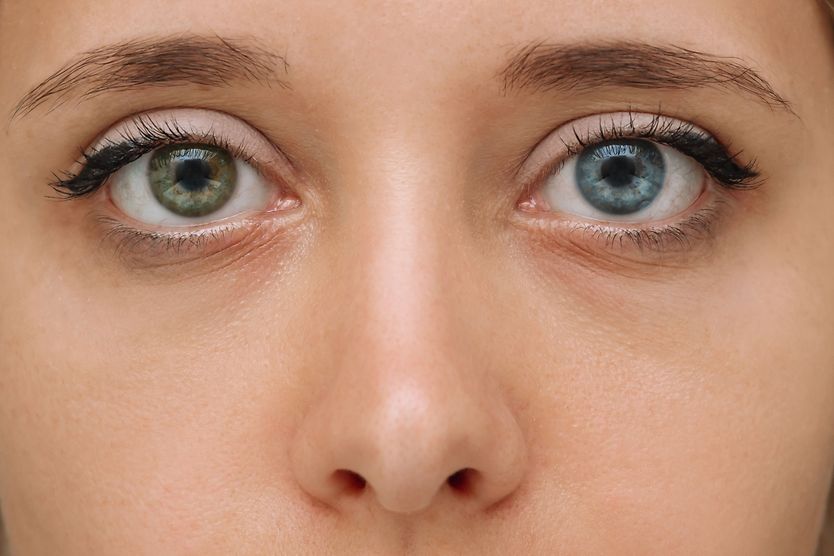
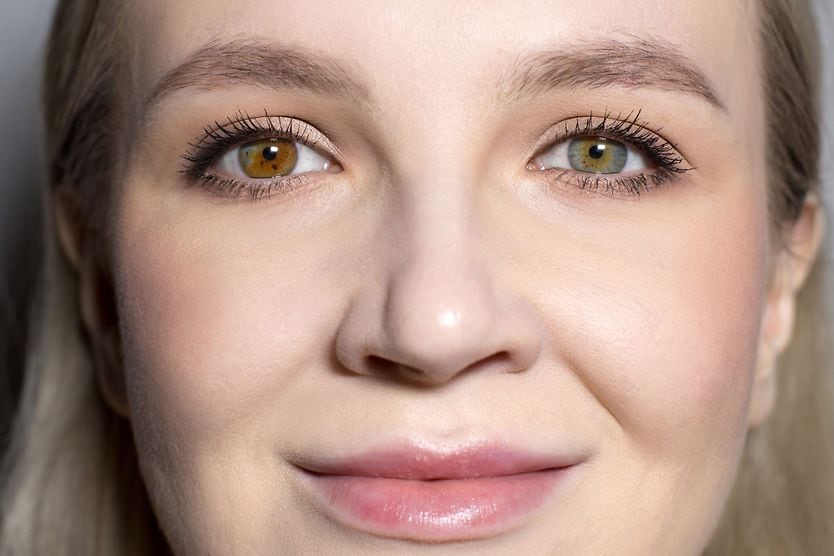
Heterochromia is when someone has more than one eye color. In many cases, this means each eye is a different color. For example, one eye is brown and the other eye is green. It can also mean there are at least two different colors in parts of one eye or both eyes.
If you’ve ever asked, “What is it called when you have different-colored eyes?” the answer is heterochromia.
Heterochromia is a rare condition that affects the iris, the colored part of the eye. A pigment within the iris called melanin gives eyes their distinct color.
SEE RELATED: The mystery surrounding hazel eyes
What causes heterochromia?
Heterochromia is usually harmless when present from birth (congenital heterochromia). But it can also point to an underlying condition.
These conditions may include:
- Horner’s syndrome
- Waardenburg syndrome
- Sturge-Weber syndrome
- Piebaldism
- Bourneville disease (tuberous sclerosis)
- Hirschsprung disease
- Bloch-Sulzberger syndrome
Less commonly, heterochromia can occur later in life due to disease, injury or the use of certain medications. This is called acquired heterochromia.
When heterochromia is acquired, it may be the result of:
- Eye injury
- Eye surgery
- Uveitis
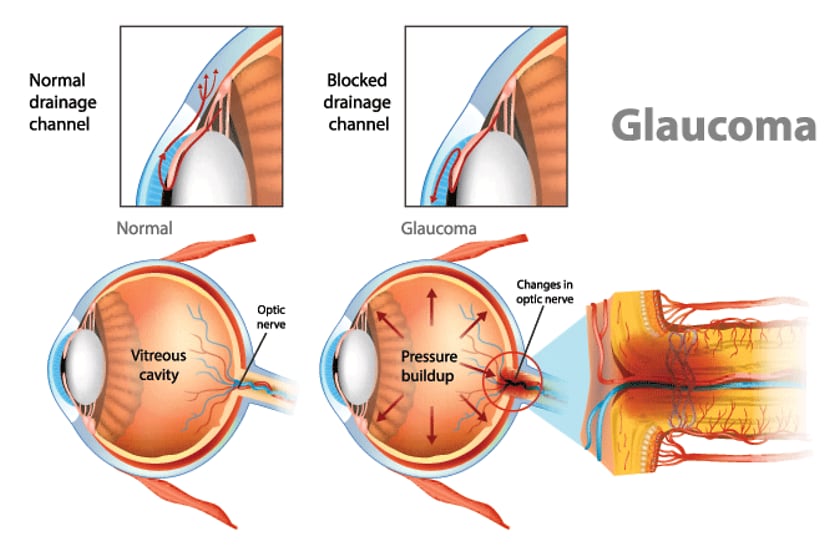
- Glaucoma
- Glaucoma medications such as prostaglandins or prostaglandin analogues
- Diabetes
- Eye tumors (benign or cancerous)
- Central retinal vein occlusion (CRVO)
Genetics and heterochromia
A genetic mutation is believed to cause the majority of congenital forms of heterochromia. The mutation is usually benign, meaning that it doesn’t relate to an underlying disease or illness and likely won’t cause any harm.
This random genetic “surprise” affects the melanin levels in different parts of the iris(es). Of the common eye colors, brown eyes have the most melanin and blue eyes have the least. In some cases, a lack of melanin in the eyes can lead to ocular albinism.
LEARN MORE about the causes of heterochromia
Types and symptoms of heterochromia
There are three types of heterochromia: complete heterochromia, central heterochromia and sectoral heterochromia. Each type has its own unique visual traits:
- Complete heterochromia – Two “mismatched” eyes of completely different colors.
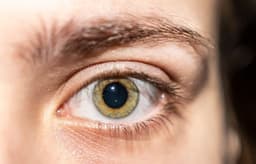
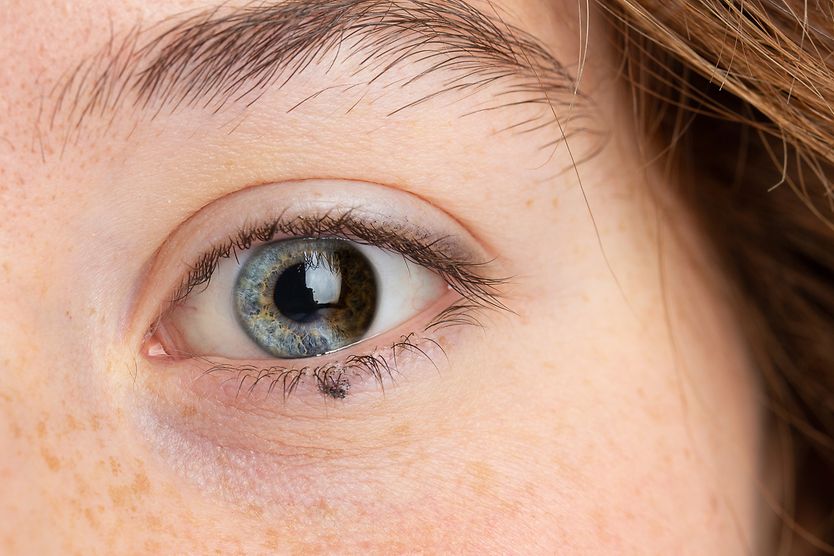
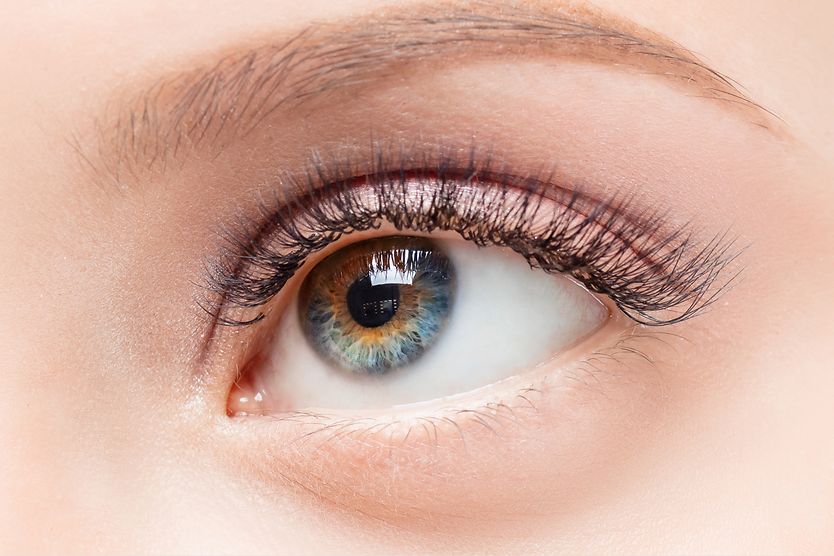
- Central heterochromia – Multicolored eyes that start with one color near the pupil. The iris then shifts to a different color toward the edge. Central heterochromia usually affects both eyes.
- Sectoral heterochromia – Two-colored eyes that take on more of a “slice” or “wedge” pattern on each affected eye. Also called partial heterochromia, it represents the type with the most variety. The secondary color can look like a thin slice of color in one eye and take up two-thirds of the iris in another eye.
Conditions often mistaken for heterochromia
A condition called anisocoria can easily be confused with heterochromia, which was often the case with David Bowie. Anisocoria gives the appearance of two different eye colors. In reality, the variation only relates to unequal pupil size — which can cause one eye to look darker than the other — not the actual eye color.
Other eye conditions can also change the appearance of the iris. For example, people with neurofibromatosis may develop Lisch nodules, which are small, pigmented growths on the iris. These nodules can create spots or areas of different pigmentation that may alter the eye's appearance, but they are distinct from true heterochromia and are typically harmless.
Heterochromia iridum and heterochromia iridis
When someone’s eyes have any form of multiple colors, they probably have heterochromia iridum or heterochromia iridis. Either name can be used to describe the condition mentioned above (eye-related heterochromia), but the terms are slightly different:
- Heterochromia iridum means each eye is a different color. This is another name for complete heterochromia.
- Heterochromia iridis means there are multiple colors on the same iris. This usually refers to sectoral heterochromia.
Different forms of heterochromia can affect skin and hair, so attaching iridum or iridis says that only the eyes are affected.
Heterochromia in hair
Similarly to how heterochromia causes multicolored eyes, it can also affect your hair, causing a variation in your hair color. For some, this occurs in patches. For example, you may find a small area of light blond hair among otherwise dark hair.
Heterochromia of the hair is a rare condition and is usually benign. It is also thought to be caused by genetic mosaicism but could be linked to nutrient deficiencies or drug use in some cases.
While fewer than 200,000 people in the United States have heterochromia of the eyes, even fewer have heterochromia of the hair, with under 25 reported cases.
Heterochromia diagnosis
When a baby is born with heterochromia, their pediatrician may recommend having an eye doctor look at their eyes. This is a normal referral used to rule out any rare conditions.
When heterochromia occurs or changes later in life, an eye doctor will need to perform a comprehensive eye exam. These evaluations are an important part of ophthalmology and optometry care.
Heterochromia treatment
Heterochromia is often a harmless genetic trait. In these cases, it likely won’t need to be treated.
If an eye doctor has determined that your heterochromia is due to an underlying condition or illness, treatment may be needed. Speak to your eye doctor about any questions you may have regarding developing a treatment plan.
If having different-colored eyes or different colors within each eye bothers you, consider trying colored contacts. However, we think that having different colors in your eyes makes you unique! In fact, many celebrities have heterochromia.
Heterochromia FAQs
Q: Is heterochromia inherited?
A: In some cases, heterochromia may be inherited. It can also occur because of genetic mosaicism, which happens when some cells develop differently during early growth. This can result in different amounts of pigment being produced in parts of the iris, leading to variations in eye color.
Q: Is having heterochromia, or different-colored eyes, a bad thing?
A: Not usually, but it depends on the cause. The majority of cases of congenital heterochromia are harmless and don't reflect an underlying illness. However, acquired heterochromia may be caused by certain glaucoma eye drops, eye injuries or diseases, or other problems. If you notice a rapid change in your eye color, see an eye doctor.
Q: Is heterochromia more common in males or females?
A: There's no clear evidence that heterochromia is more common in males or females. One older study suggested it was more common in females, but the study only looked at people in one city.
Q: What’s the difference between central heterochromia and hazel eyes?
A: An eye with central heterochromia has one distinct color around the pupil and a different color toward the outer edge of the iris. Hazel eyes are a mixture of different colors throughout the entire surface of the iris. For example, central heterochromia looks more like a target with multiple rings of color and hazel looks more like confetti.
Q: Can animals have heterochromia?
A: Animals can have heterochromia, too. At some point, you’ve probably noticed a Siberian husky, Australian shepherd or border collie with two different-colored eyes. Along with other domestic animals, these dogs experience a similar genetic phenomenon to humans. Additionally, some cats, such as the Turkish Van and Turkish Angora, exhibit heterochromia. Like in humans, it can be attributed to genetics or a medical condition.
STILL HAVE QUESTIONS? Read more of our heterochromia FAQ
On this page:
What is heterochromia?
What causes heterochromia?
Types and symptoms of heterochromia
Heterochromia iridum and heterochromia iridis
Heterochromia diagnosis
Heterochromia treatment
Heterochromia FAQs
On this page:
What is heterochromia?
What causes heterochromia?
Types and symptoms of heterochromia
Heterochromia iridum and heterochromia iridis
Heterochromia diagnosis
Heterochromia treatment
Heterochromia FAQs