Hazel eyes: What determines hazel eye color?

The unique beauty of hazel eyes
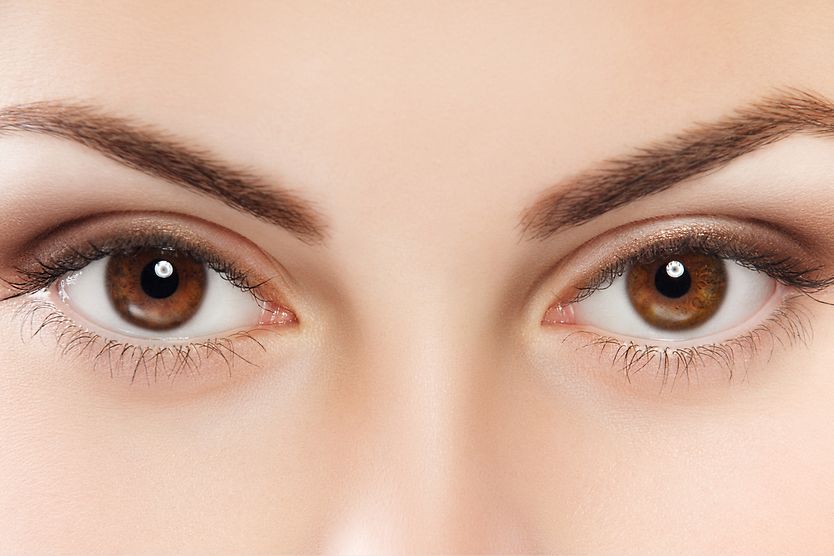
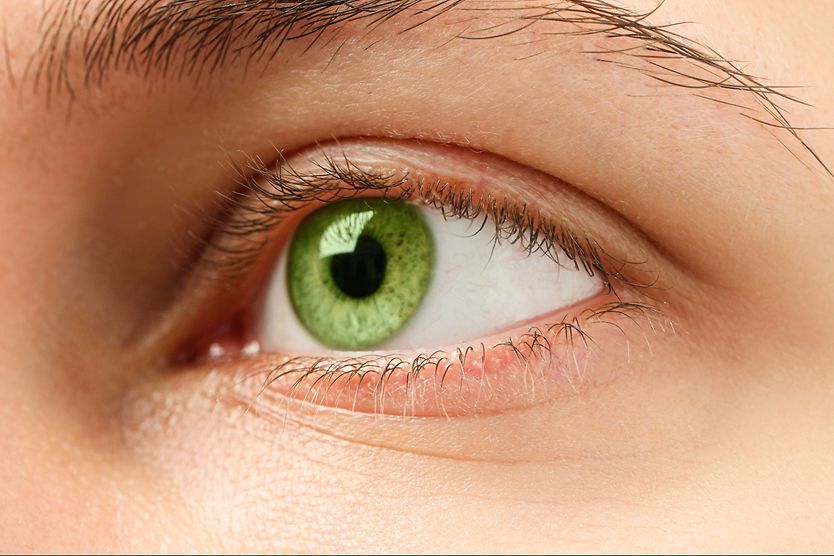
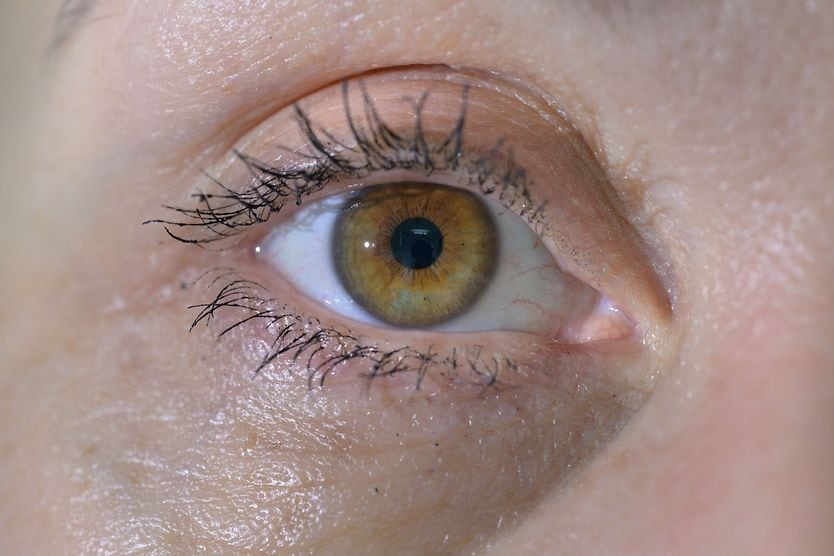
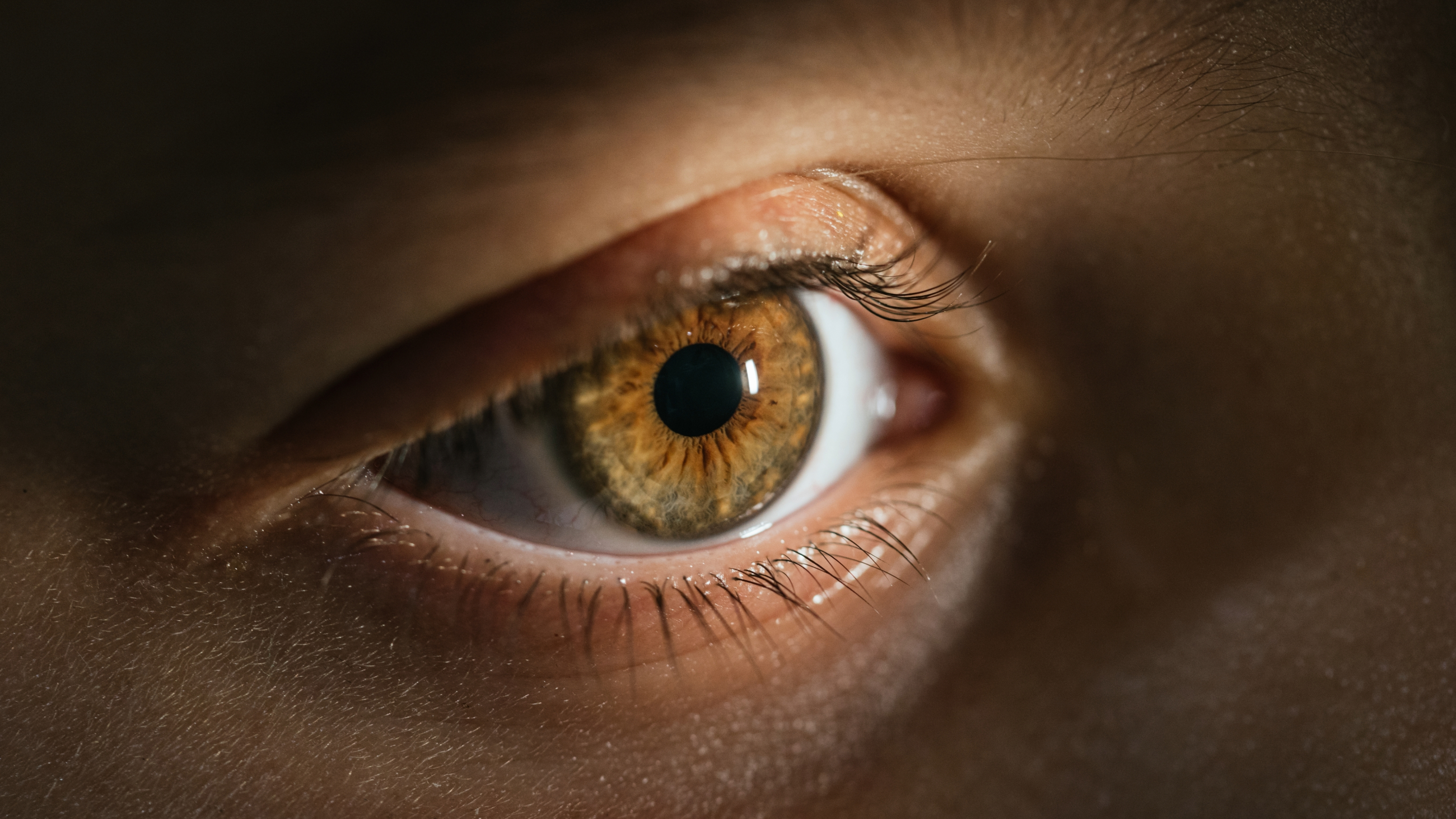
Hazel eyes are a bit of a mystery. For starters, people describe this beautiful eye color in many different ways. Some say it looks like a hazelnut, while others call it golden or brownish green.
The colors can also seem to blend together in some people.
One of the reasons it’s so hard to describe hazel-colored eyes is that the hue itself seems to change, depending on what you wear and the type of lighting you are in.
Although hazel eyes appear to contain hues of green, amber and even blue, these color pigments don’t exist in the human eye.
So, what are the facts about where this stunning color comes from?
How eye color is determined
Most of us were taught in high school science class that we inherit our eye color from our parents and that brown eye color is dominant and blue is recessive. That would mean that two parents with blue eyes cannot have a child with brown eyes because neither parent carries the dominant form of the gene for brown eyes.
But it turns out the story is more complicated than that.
Recent research has shown that nearly 50 genes (not just one or two) may influence eye color genetics, which makes predicting eye color much more difficult.
Due to variations in the interaction and expression of multiple genes, including the OCA2 and HERC2 genes, it’s hard to say for sure what color a child’s eyes will be based on the color of their parents’ eyes. Eye color, including hazel, is more complicated than dominant vs. recessive genes.
For example, we now know it’s possible for two blue-eyed parents to have a child with brown eyes — something the old model of eye color inheritance would have deemed impossible.
Also, eye color can change dramatically in the first few years of life. Many babies are born with blue eyes and then develop brown, green or hazel eyes in childhood.
This phenomenon has little to do with genetic factors, but it does help explain where hazel eyes, one of the rare eye colors, come from.
What causes hazel eyes?
The pigmented structure inside the eye that surrounds the pupil and gives eyes their color is called the iris. The pigment responsible for eye color is called melanin, which also affects skin color.
The reason many babies are born with blue eyes is that they don’t have the full amount of melanin present in their irises at birth. In the first few years of life, more melanin may accumulate in the iris, causing blue eyes to turn green, hazel or brown.
Babies whose eyes turn from blue to brown develop significant amounts of melanin. Those who end up with green eyes or hazel eyes develop a little less.
There can even be different shades of hazel. The color is typically a mix of brown, gold and green, but some people only have two of the three present or different amounts of each.
Babies of African-American, Hispanic and Asian ethnicities are usually born with dark eyes that stay brown throughout life. This is because these individuals naturally have more melanin in their eyes and skin.
Light absorption and scattering
One of the popular “myths” about eye color is that eyes have different color pigments. There are no blue, green or hazel pigments in the eye. Eyes merely have different amounts of melanin, which is a dark brown pigment.
How can a dark brown pigment create blue, green or hazel eyes? This is possible because of two processes:
- Melanin in the iris absorbs different wavelengths of light entering the eye.
- Light is scattered and reflected by the iris, and some wavelengths (colors) scatter more easily than others.
Eyes with high concentrations of melanin absorb more light entering the eye, so less is scattered and reflected back from the iris. The result is a brown eye color.
In eyes with lower concentrations of melanin, less light is absorbed, and more is scattered and reflected by the iris.
Since light rays with shorter wavelengths (blue and green light) scatter more easily than light rays with longer wavelengths (red light), eyes with less light-absorbing melanin appear green or hazel, and eyes with low concentrations of melanin appear blue.
Also, the distribution of melanin can vary in different parts of the iris, causing hazel eyes to appear light brown near the pupil and more green in the periphery of the iris.
Hazel eyes are a work of art
Hazel eye color is both complex and magnificent since its specific features are determined by many factors:
- The amount and distribution of melanin in the iris
- How the light scattering (both Tyndall and Rayleigh scattering) by the iris and pigment molecules affects color
- How the perception of eye color is influenced by lighting and the color of our clothing and our surroundings
Just as it takes many strokes of the artist’s brush to produce a masterpiece, hazel eyes involve the dynamics of several elements to create the unique work of art that’s represented in every hazel eye.
Hazel eyes also have cultural significance. In many societies, cultural perceptions of eye color link hazel eyes with wisdom, protection, creativity and empathy. Some even believe hazel eyes are a sign of magical abilities.
If you wear eyeglasses, lenses with an anti-reflective coating can help eliminate distracting reflections in your glasses and allow others to see your hazel eye color more clearly. And when outdoors, remember to wear proper UV protection to shield your eyes from the sun’s harmful ultraviolet rays.
Changing your eye color appearance with contacts
If your eyes aren’t naturally hazel, but you’ve always wanted them to be, you may consider color contact lenses. They won’t actually change your eye color, of course, just the appearance of it.
Color contact lenses are available in many colors, including shades from light hazel to dark hazel.
But it isn't always a matter of choosing a lens color you like; the natural color of your eyes can have a role in determining which lenses you might prefer.
If you have very light eyes, you could consider color contacts with an “enhancement tint.”
These lenses have a translucent color that lets some of your natural iris color show through — to make your light blue eyes a deeper blue, for example.
If your eyes are light enough, you might achieve a hazel eye color with an enhancement tint.
Many people need lenses with an opaque tint to achieve a hazel eye color. These lenses are designed to mask your natural eye color with the color you choose. For example, an opaque tint can help someone with dark brown eyes achieve a lighter appearance, like hazel.
An eye care professional can show you various colors and help you make the right choice.
Remember, all colored contact lenses require a contact lens prescription. So if you don’t already wear contacts, you’ll need an eye exam and a contact lens prescription before getting them — even if you do not require corrective lenses.
SEE RELATED: Eye color change surgery
Celebrities with hazel eyes
Here’s a list of well-known celebrities with hazel eyes:
- Kelly Clarkson
- Brooke Shields
- Kristen Stewart
- Ben Affleck
- Olivia Munn
- Jason Statham
- Tyra Banks
- Jeremy Renner
- Steve Carell
- David Beckham
- Heidi Klum
- Jada Pinkett-Smith
- Jessica Biel
- Jason Bateman
- Demi Moore
- Rebel Wilson
- Angelina Jolie
LEARN MORE: Eye color genetics
Embrace your hazel eyes
Hazel eyes should be embraced as the rare gem that they are. Certain shades in both eyewear and eye makeup can help highlight your eyes.
Makeup tips to enhance hazel eyes include:
- Choose eyeshadow and eyeliner tints that complement hazel eyes. Cranberry, deep purple and gold are options.
- Try using a bold eye color and subtle lip, or vice versa. The contrast could enhance your features even more.
- Remember to practice proper hygiene for cosmetic use. Don’t share makeup or use old makeup. Only use eye makeup that is safe for use around the eyes.
You can make your hazel eyes pop with fashion eyewear that complements your unique eye color, too. Consider the same complementary colors mentioned for makeup for hazel eyes. Burgundy, deep purple and gold shades of eyeglass frames can make your eyes shine.
Comprehensive eye exams with an eye doctor ensure you have the correct prescription and healthy eyes. That way, you can keep your eyes "sparkling" for years to come.