Central heterochromia: Definition and causes

What is central heterochromia?
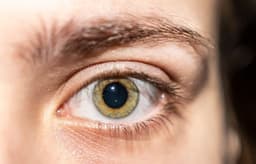
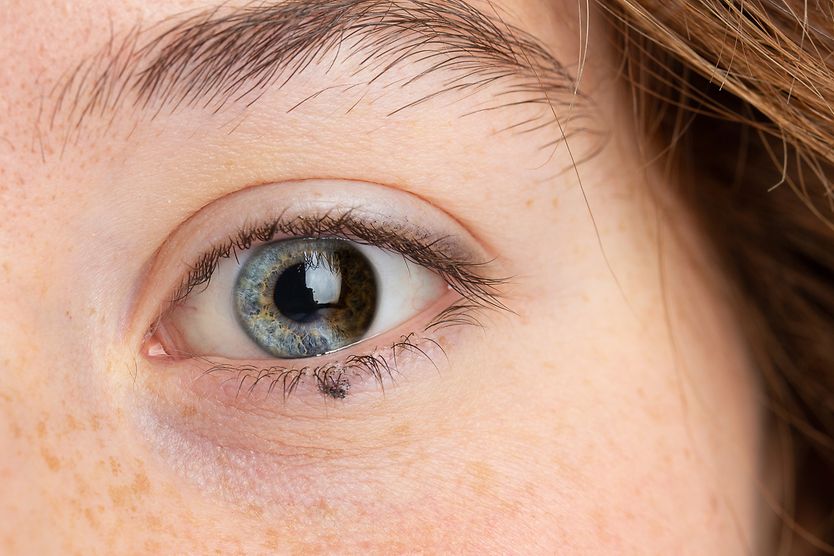
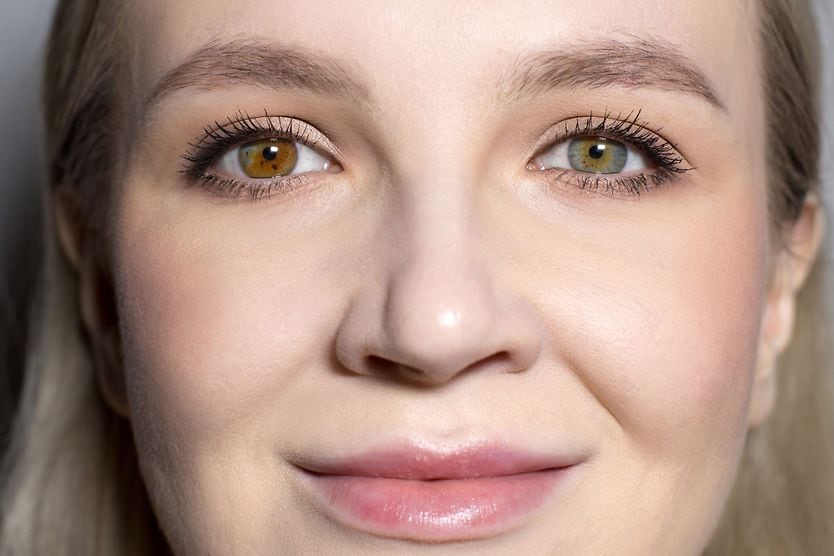
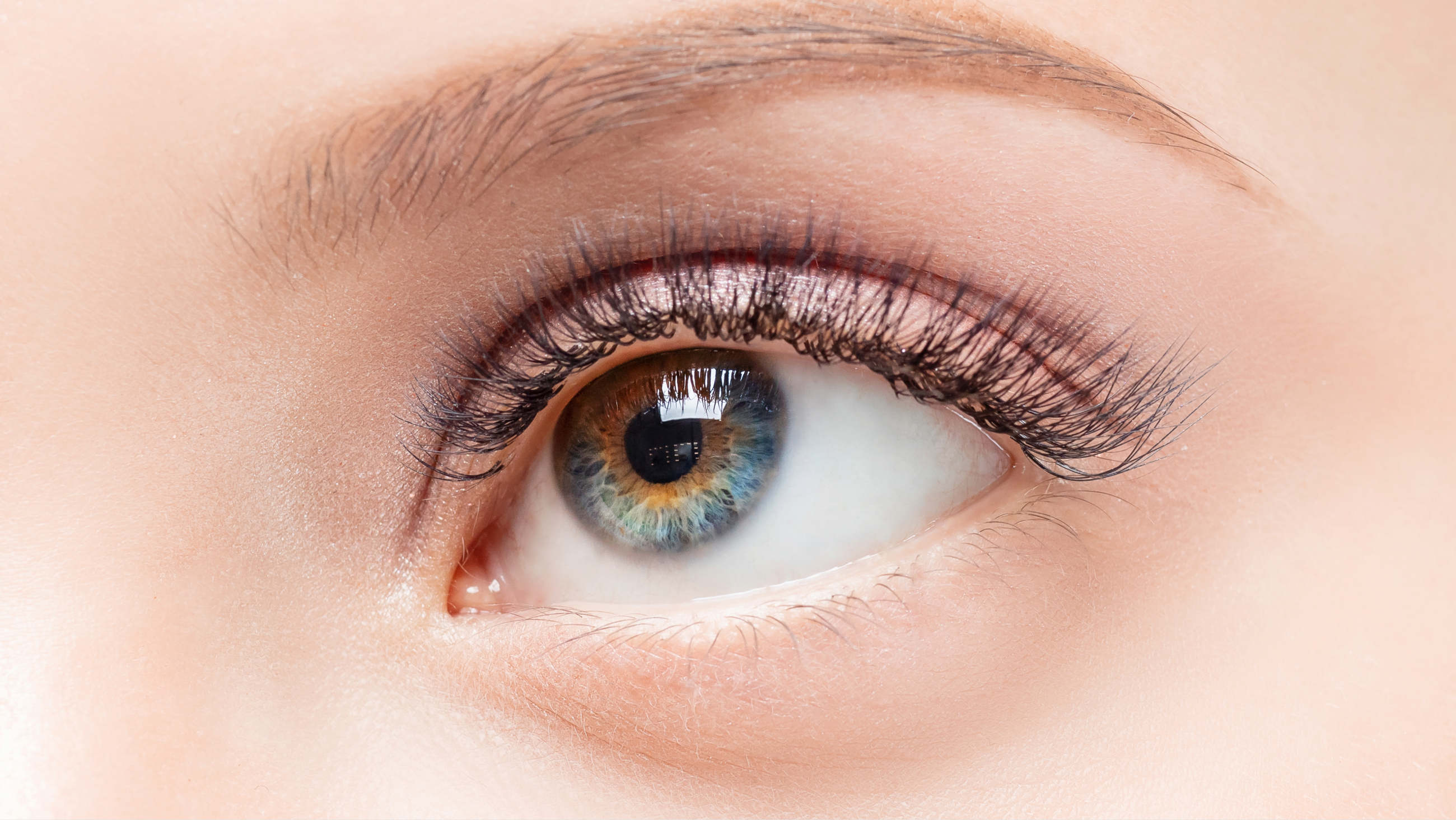
Central heterochromia is when the inner ring of the iris — the eye color closest to your pupil — is a different color than the outer ring, along the edge of your iris. This trait usually involves both eyes with two separate colors appearing in each eye instead of one.
The visual appearance of central heterochromia comes down to a pigment called melanin. The amount of melanin in the anterior (front) part of the iris (iris stroma) determines the exact color.
When melanin is distributed differently, closer to the pupils, light reflects off of it in a unique way. This gives the appearance of two different colors within each iris.
Melanin, by the way, is the same pigment that determines the color of your skin and hair.
Central heterochromia is an eye condition that is almost always harmless when you’re born with it. By itself, it does not require vision correction. But any sudden change in the color of your eyes should be evaluated by an eye doctor.
SEE RELATED: How eye color develops, and why it changes
Central heterochromia vs. other types of heterochromia
Central heterochromia is just one type of heterochromia. There are two other types, including:
- Partial (sectoral) heterochromia – Patches or wedges of a second color on one or both irises.
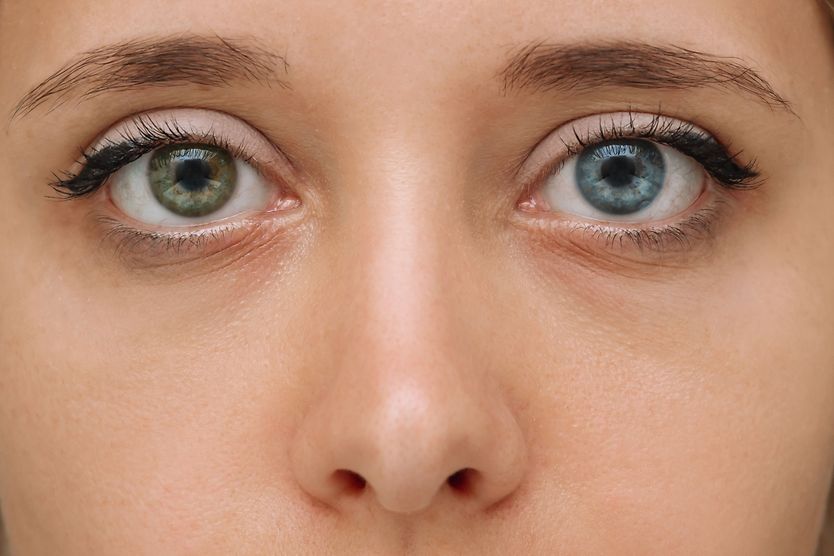
- Complete heterochromia – Two different colored eyes.
All forms of heterochromia can be quite photogenic. But beauty is in the eye of the beholder, so we’ll let you decide which is the most attention-grabbing.
Central heterochromia vs. hazel eyes
Having eyes with central heterochromia can actually be confused with having hazel eyes. But there are a few differences.
The colors in hazel eyes can appear to change in different lighting. And some people may have two distinct hues, while others can appear to have three in their hazel eyes. They also tend to blend together more as they radiate away from the pupil.
With central heterochromia, each ring of color tends to appear more distinct.
Another difference is that hazel eyes occur due to the total amount and ratio of types of melanin that the person has.
Melanin is also factored into the color of eyes with heterochromia. But heterochromia can occur with a genetic mutation or medical condition as well.
How rare is central heterochromia?
Complete heterochromia is rare with an estimated percentage of 0.06% or about six out of every 10,000 people.
It’s also currently unknown how rare central heterochromia is. But we do know that it isn’t quite as rare as complete heterochromia.
Much of this comes down to the fact that central heterochromia is hard to document, and unless it’s acquired later in life (causing a change in eye color), it doesn’t necessarily need to be documented. There are fewer questions about it because, unlike complete and sectoral heterochromia, it doesn’t seem out of the ordinary.
READ MORE: What is the rarest eye color?
Are there different types of central heterochromia?
There are no distinct “types” of central heterochromia. But the coloration can vary from person to person. There is uniqueness to each iris:
- Size of the ring
- Color pattern
- Symmetry
- Sharpness of the inner ring
A common form of central heterochromia shows up as predominantly blue eyes with a smaller ring of brown in the center streaking outward. It even gave one of the world’s most famous photographs a visual wow factor.
Sharbat Gula, the subject of Steve McCurry’s 1984 National Geographic photo “Afghan Girl,” likely had this unique trait. Look carefully, and you’ll notice a light sea-green color in the center of her irises that radiates toward a dark blue-green hue along the outer edges.
What causes central heterochromia?
The family gene pool is rarely responsible for any form of heterochromia. There is a slight chance it can be passed down from parent to child, such as congenital Horner’s syndrome, which might occur before the age of 2, but it’s unlikely. Here are the two main causes associated with the condition:
Harmless genetic mutations
Central heterochromia is usually a random (but harmless) genetic mutation that happens sometime during development. And it does not happen all that often. When differing eye colors are present at or shortly after birth, it is known as congenital heterochromia.
There are two genes known to primarily affect melanin production and eye color. They are:
- OCA2 gene
- HERC2 gene
The OCA2 gene controls melanin production. The HERC2 gene determines how the OCA2 gene is used. A variation (or mutation) in one or both of these genes can affect eye color, such as oculocutaneous albinism (OCA) type 2. Certain combinations can result in heterochromia.
Certain medical conditions (rare)
Like the two other forms of this trait, central heterochromia can also be caused by an underlying medical condition, trauma or medication when it shows up later in life. This is classified as acquired heterochromia. Possible causes include:
- Injury
- Infection
- Inflammation
- Pigment dispersion syndrome (PDS)
- Diabetes
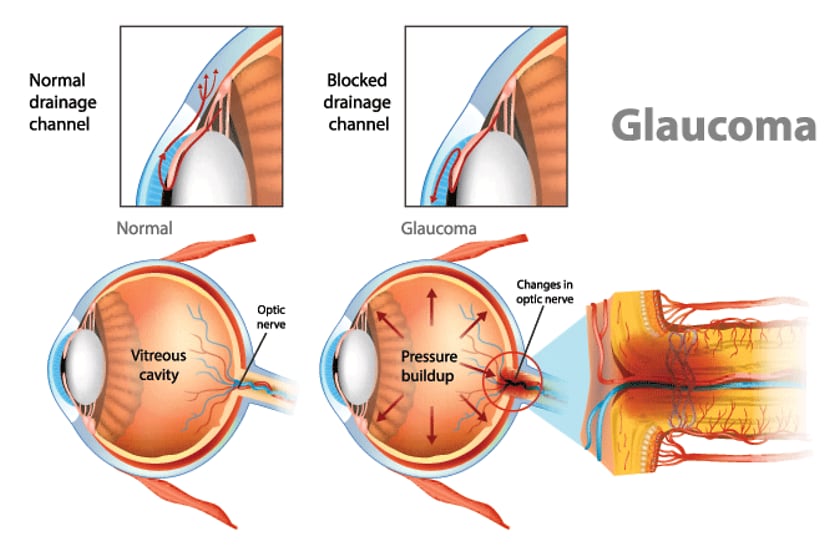
- Medications, such as prostaglandin glaucoma drops
SEE RELATED: Heterochromia causes
Can you treat heterochromia?
Central heterochromia needs no treatment. If you want to change your eye color cosmetically, colored contact lenses are the only method eye doctors would consider safe. The American Academy of Ophthalmology has warned against cosmetic iris-implant surgery and keratopigmentation (corneal “tattooing”). Each of these elective surgical procedures carries serious risks, including vision loss, glaucoma, corneal damage and inflammation. Neither procedure is FDA-approved for cosmetic eye-color change.
When to see an eye doctor
Cases of acquired heterochromia are rare. In most cases, central heterochromia is due to a harmless genetic defect. But if you have concerns about an underlying condition, you should seek medical help.
Make sure to schedule a comprehensive eye exam with an eye doctor if you notice any sudden or uneven changes in your eye color. It’s important to exclude serious health conditions and begin any treatment if necessary.