What is partial heterochromia?
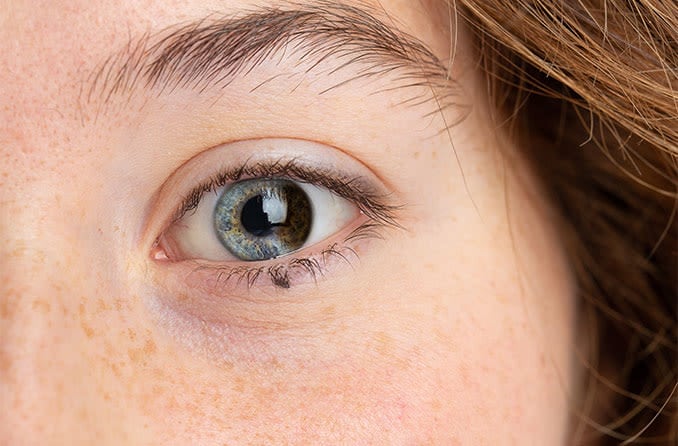

What is partial (sectoral) heterochromia?
Partial heterochromia, also called sectoral heterochromia, is one of three types of heterochromia (the other two being complete and central heterochromia). Partial heterochromia, wherein the eye has a spot of color other than the primary eye color, can occur in one or both eyes and, like the other two varieties, does not typically affect visual acuity.
Heterochromia can occur based on the amount of melanin (less melanin = lighter color, more melanin = darker color) contained in the iris — the part of the eye that gives it color. Heterochromia appear as either a two-toned eye(s) or two different colored eyes, with a variation of typical colors found in eyes: blue, brown, green, yellow or gold, etc.
So what makes partial heterochromia different from complete heterochromia and central heterochromia? What causes it, and is it treatable? Let’s dive in.
What does partial heterochromia look like?
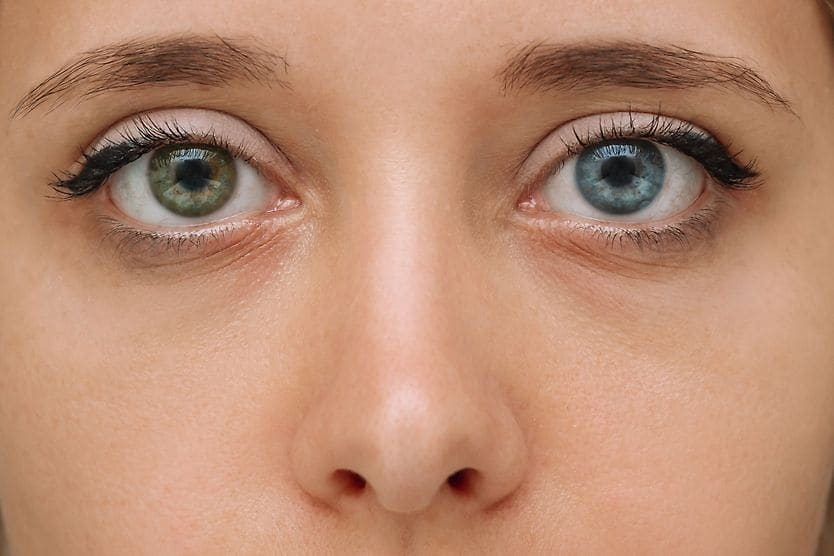
You may be familiar with complete heterochromia, in which each iris is a different color, or central heterochromia, where the inner ring and outer ring of the iris are different colors.
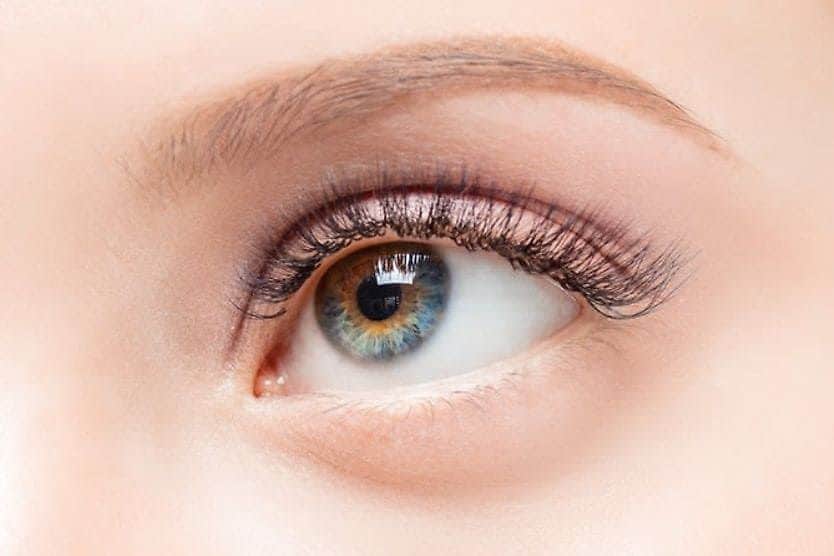
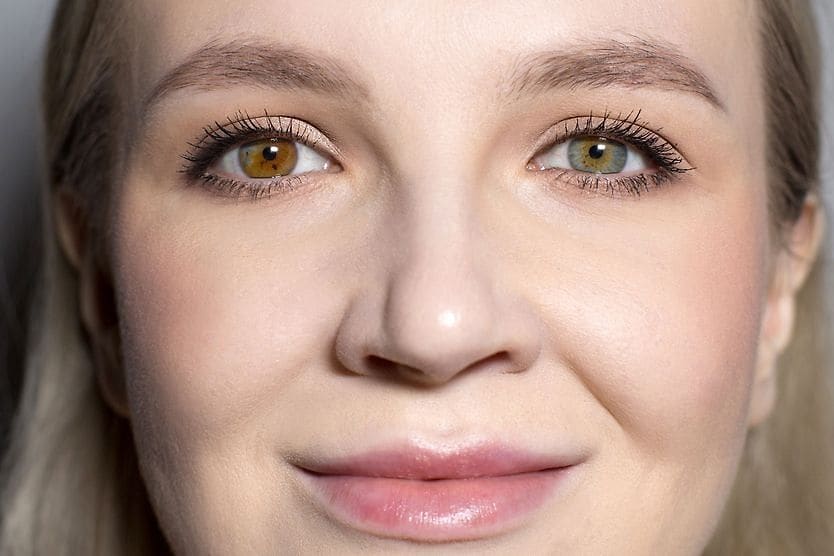
Partial heterochromia means one part of the iris is a different color than the majority. Blue eyes with a brown spot, blue eyes with gold flecks and brown eyes with green or hazel specks are common examples of the condition.
No two eye colors with partial heterochromia are exactly the same, and variations can occur in different angles, shapes and sizes.
What causes partial heterochromia?
Partial heterochromia can be genetic or may be due to an underlying condition or the use of certain medications.
- Genetically, partial heterochromia can be present at birth or appear as the melanin in the iris develops throughout childhood.
- Some underlying conditions that may cause a form of heterochromia include Horner’s disease, Bourneville disease, piebaldism and more.
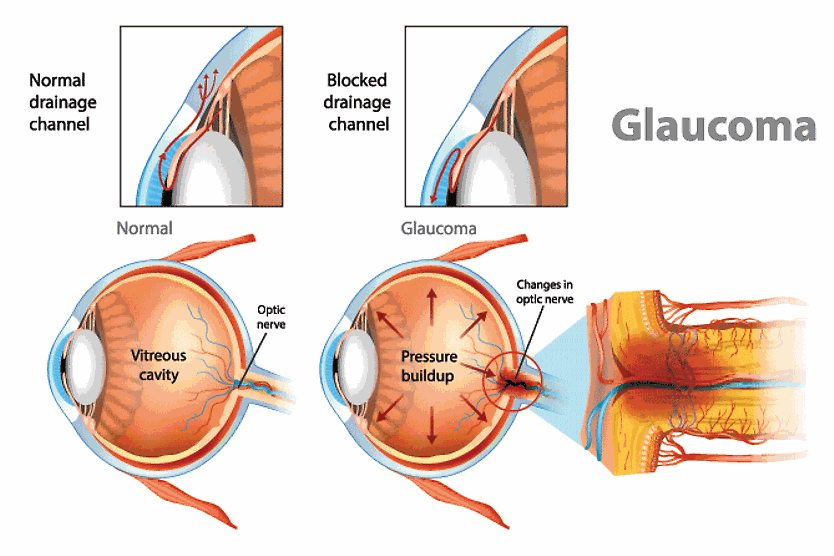
- Partial heterochromia can be acquired later in life due to an injury, uveitis and certain medications for glaucoma.
Note: If one or both of your eyes begin to change color, especially if you experience additional symptoms, contact an eye care professional.
Is partial heterochromia treatable?
Treatment for partial heterochromia would only be focused on any underlying causes for the condition. If there are no underlying causes, treatment is unnecessary, as heterochromia is a benign condition and does not affect visual acuity.
Heterochromia can be masked with colored contacts if one wishes.
SEE RELATED: Celebrities with heterochromia
Who might have partial heterochromia?
Partial heterochromia is typically due to genetic factors or an underlying condition. Rarely, people may acquire heterochromia as a result of injury, uveitis or certain medications.
But humans aren’t the only ones who can have partial heterochromia — dogs and cats have also been known to have the condition. Animals can experience the same color variations in their eyes as humans.
READ NEXT: Heterochromia: more common in humans or in animals?