Celebrities with different-colored eyes (heterochromia)


What is heterochromia?
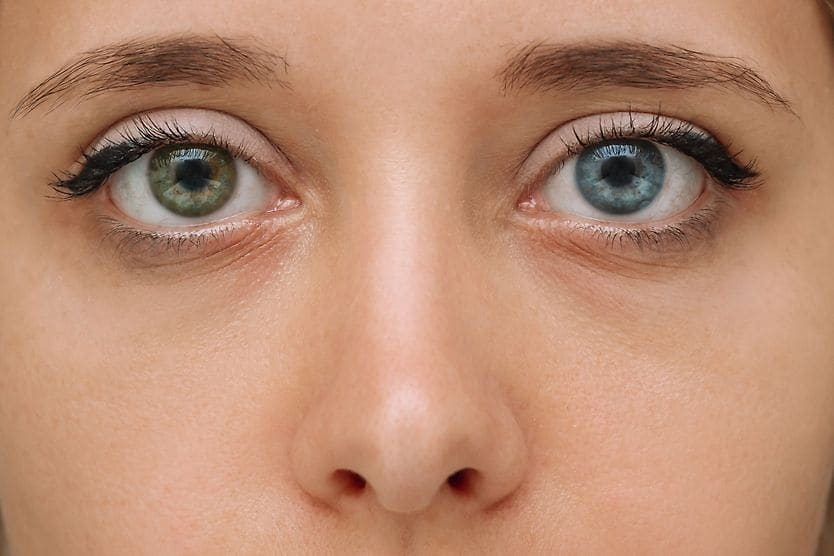
Heterochromia is a medical condition used to describe when someone has more than one eye color. While this may seem like a feature that only appears in fiction, heterochromia does occur in real life. In fact, some of the celebrities you see in movies and on TV have heterochromia.
The list of famous people with heterochromia includes stars such as Christopher Walken, Demi Moore, Josh Henderson, Alyson Hannigan and many more.
Below, we list the types of heterochromia, explain how they differ in appearance and mention some of the most notable celebrities with heterochromia.
Celebrities with complete heterochromia
Many celebrities with different-colored eyes have complete heterochromia. This occurs when one iris is an entirely different color than the other. While it’s typically congenital, meaning it’s present from birth or early childhood, it can also occur later as the result of an eye injury, disease or use of certain medications.
Mila Kunis
During the beginning of her acting career, Mila Kunis had one hazel eye while the other had a blue tint.
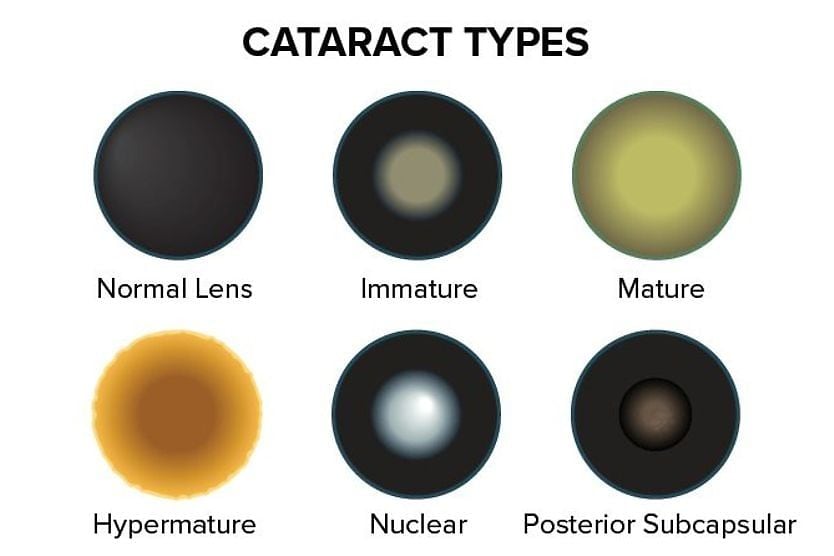
What many people don’t know is that Mila Kunis’s heterochromia was a result of an eye infection called chronic iritis. This is where the iris becomes inflamed due to infection or an underlying systemic problem. Over time, the inflamed tissue caused a cataract to form, which made her eye appear a different color.
In 2011, Kunis revealed that the condition left her “blind” in the affected eye for many years and required cataract surgery to remove the damaged lens with a lens replacement called an intraocular lens (IOL). The procedure restored her vision and her original eye color, which now matches her other eye.
Max Scherzer
Besides pitching for the Washington Nationals, Max Scherzer has become known for the distinctive appearance of his eyes. One of Max Scherzer’s eyes is light blue and the other is dark brown, making him an example of complete heterochromia.
Alice Eve
With one blue eye and one green eye, English actress Alice Eve’s heterochromia is more subtle than other cases.
Dan Aykroyd
It’s hard to tell because Dan Aykroyd’s eyes are typically hidden behind a pair of sunglasses, but this ghostbusting comedian has one brown eye and one green eye.
SEE RELATED: What causes heterochromia?
Celebrities with sectoral heterochromia
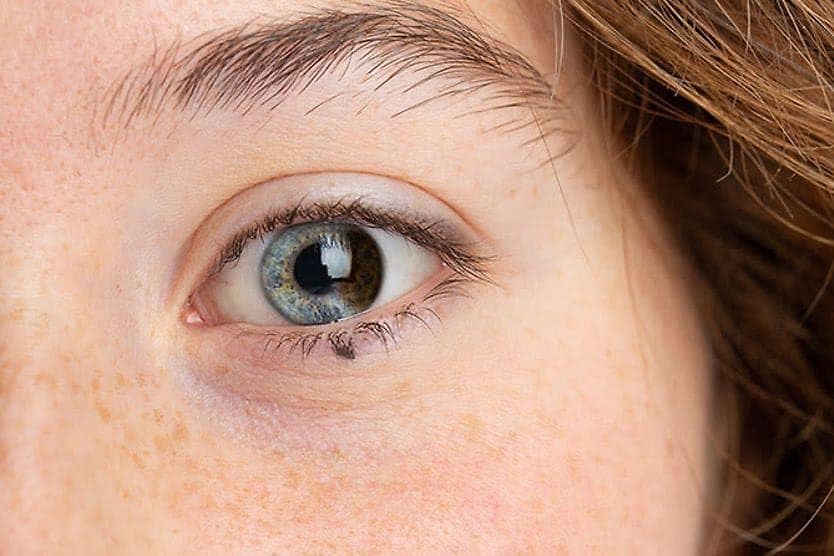
Sectoral heterochromia, also called segmental or partial heterochromia, describes when different segments or wedges of color occur within one iris. This typically varies in intensity and can occur in one eye or both.
Kate Bosworth
In one of Kate Bosworth’s eyes, the bottom portion of the iris is a hazel mixture of green, brown and amber. This differs from the blue in the rest of the iris and her other eye.
Elizabeth Berkley
This Saved by the Bell actor’s eyes are green, but one of them has a splash of amber-colored pigment below the pupil.
Jane Seymour
After making a name for herself as Dr. Quinn, Medicine Woman, Jane Seymour quickly became known for her unique heterochromic eyes. One of Jane Seymour’s eyes is green (or hazel, depending who you ask). The other has some green and a lot of brown, making it look like she has complete heterochromia from a distance.
Celebrities with central heterochromia
Central heterochromia is characterized by having one color focused around and radiating from the pupil — like a bullseye — and a distinctly different color in the remainder of the iris. While this can be present in one or both eyes, it’s more commonly found in both.
Idina Menzel
Idina Menzel is known for her vocal ability. She also has a distinctive eye color. Up close, you can see the ring of brown around her pupils that contrasts against her dark green irises.
Olivia Wilde
Olivia Wilde has a noticeable eye color pattern. The actress and filmmaker has an icy blue ring around her pupils with darker blue around the edges of the iris.
Emilia Clarke
Emilia Clarke also has a distinct variation in her eye color. This Game of Thrones actor has dark blue irises with a hazel ring around her pupils.
David Bowie doesn’t actually have heterochromia
Many people see photos of David Bowie’s eyes and assume he had heterochromia; however, his eyes were not different colors. Rather, he had an eye condition called anisocoria, in which one pupil is permanently larger than the other.
Anisocoria is usually present at birth and presents as a minor difference in pupil size (less than a millimeter). Trauma to the eye can also result in anisocoria — as was the case for Bowie — and can cause a more dramatic difference in pupil size, giving the appearance of different-colored eyes.
David Bowie’s eye color was blue, but his anisocoria caused one of his eyes to appear almost black because his pupil was large in size.