How to tell if you need reading glasses


What are reading glasses and why might you need them?
If you’ve ever squinted at a menu in a dimly lit restaurant or held a pill bottle a few inches from your face to decipher a dose, you may need reading glasses.
Reading glasses are a common treatment for presbyopia, a refractive error that’s part of the normal aging process. Presbyopia causes difficulty seeing up close, which can affect your ability to do near tasks, such as reading or texting. Many people start seeing signs of presbyopia in their 40s.
Your eye doctor may recommend reading glasses to correct presbyopia, especially if you don’t already wear glasses. Reading glasses have the same power through the whole lens and are designed for near-vision tasks. If you already wear corrective lenses, your eye doctor may prescribe bifocals, trifocals or progressive lenses that can help you see clearly at various distances.
Signs you might need reading glasses
Your eye doctor can determine if you need reading glasses and how much near vision correction you need. If you’re wondering whether to make an appointment, many people know they need reading glasses when they experience symptoms like these:
- Blurry vision up close
- Holding a book or phone farther away
- Headaches caused by eye strain
- Trouble seeing in dim light
- Difficulty with everyday near tasks
- Tired eyes or eye soreness
In some cases, these symptoms can also be caused by other eye conditions. Your eye doctor will look for these during an eye exam.
Blurry vision and difficulty reading
Presbyopia can cause blurry vision and difficulty reading small print. For example, you may notice this when reading an article, an instruction manual or the fine print on a medication bottle. You may also have a harder time with near tasks, such as threading a needle or putting on makeup.
Holding objects farther away
To try to compensate for issues with near vision, you may find you’re holding items farther away to try to see them better. Moving books or phones farther away as you try to read text is a common way to tell you need reading glasses. This may happen so gradually that you barely notice it at first.
Squinting, eye strain and headaches
Squinting can improve focus or vision clarity temporarily, but it also puts strain on the eyes. This can lead to headaches, eye redness, eye fatigue, or eye watering. If you’re experiencing headaches, it may be a sign that you need reading glasses.
Needing brighter light
As you age, your eyes require more light to see than they did when you were younger. The need for extra light, such as using your phone’s flashlight to read a menu in a dim restaurant, may be a sign of these aging-related eye changes.
Why do people need reading glasses?
People need reading glasses due to biological changes that happen in aging eyes. Common age-related eye changes may include dry eyes, decreased night vision, glare sensitivity and difficulty seeing an object on a similar-colored background. Aging also causes presbyopia, which makes near vision blurry.
More than one billion people in the world have presbyopia, and the average age when people first report symptoms is between 42 and 44. Presbyopia is caused by changes in how the lens works in aging eyes.
When you’re a child or young adult, the lens of the eye can easily change shape to help your eye focus on objects at any distance. You may easily switch from reading a page in front of you to reading a sign many yards away. As you age, the lens becomes less flexible, making it harder to see objects up close.
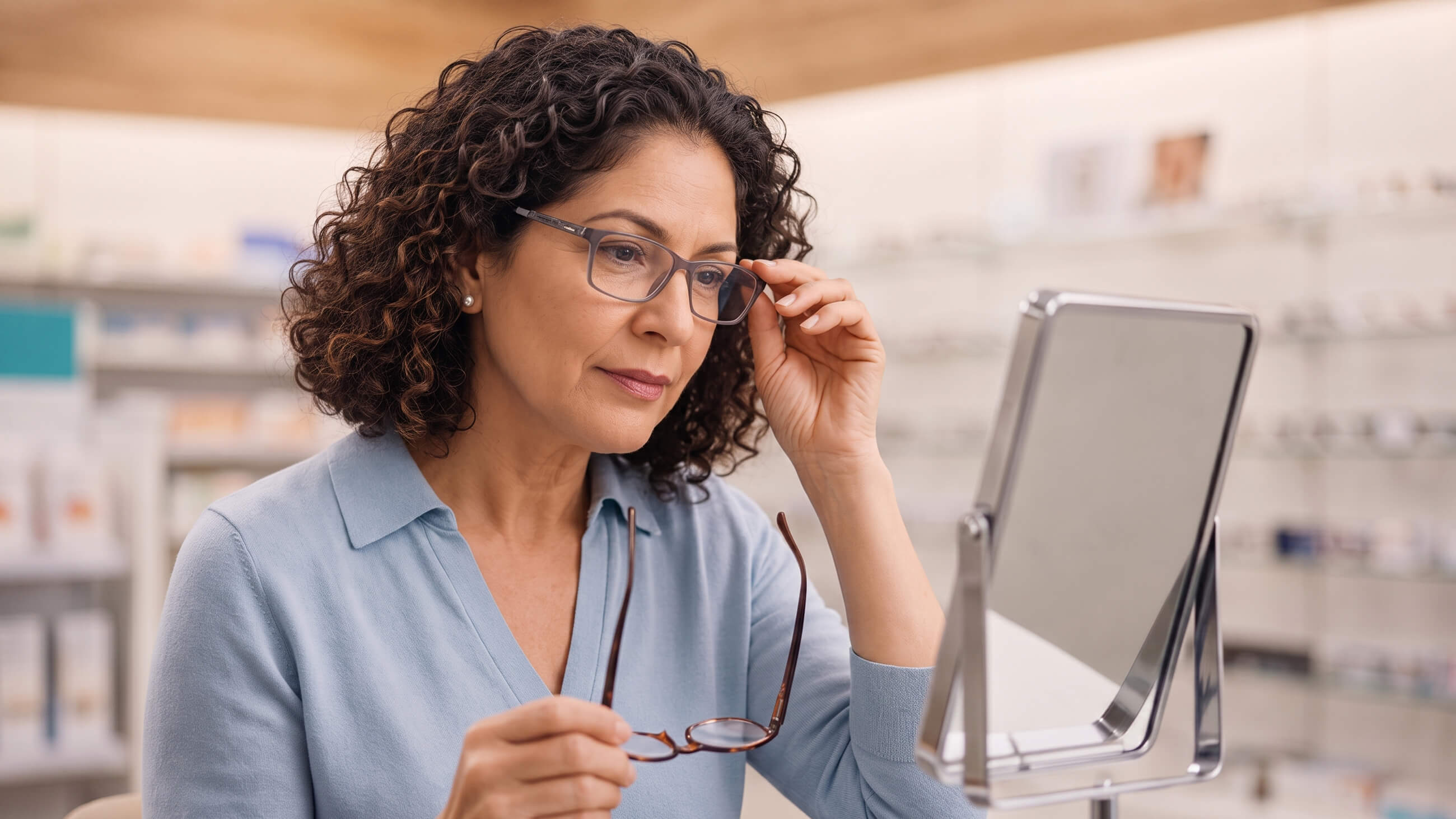
Reading glasses are a common treatment for presbyopia. They bend the light before it reaches your eye, allowing your eyes to focus better on up-close tasks, like texting, threading a needle or putting in earrings. Your eye doctor can tell you if you need reading glasses.
How to choose the right reading glasses
Before you buy reading glasses, it’s important to visit your eye doctor for an exam. Your eye doctor can determine if you have presbyopia, whether reading glasses are the right treatment and what power of reading glasses you need.
You have a variety of options for shopping for reading glasses. Prescription reading glasses can be found at optometry practices to certain online sellers, while over-the-counter (OTC) readers may be purchased from local drug, discount or grocery stores. To choose the right reading glasses for you, your eye doctor will share their professional recommendations and a valid glasses prescription. You can then decide whether you want to purchase OTC readers or prescription reading glasses.
Understanding diopters
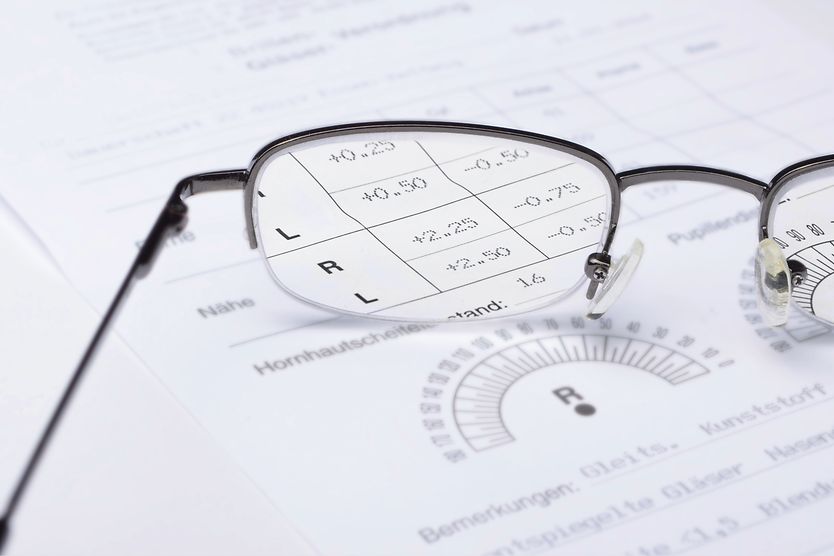
Knowing what strength of reading glasses to buy will help you get the proper near vision correction. Your eye doctor can advise you on what power of readers to purchase. The strength of reading glasses is expressed in diopters. This is an optical unit that indicates the focusing power of the glasses.
Most reading glasses range from +1.00 to +4.00 diopters, with power increasing in increments of +0.25. The higher the number, the stronger the reading glasses.
Over-the-counter vs. prescription glasses
You can purchase readers over the counter in drug stores, discount warehouses, grocery stores or online. You can also order prescription reading glasses through your eye doctor.
Many people purchase over-the-counter readers due to their availability and general affordability. In addition to being widely available, OTC readers typically cost significantly less than prescription readers.
OTC readers are the same power in each eye, which might not always be optimal. Some people may need a different reading power for each eye, and thus, prescription reading glasses might be the most appropriate.
Prescription reading glasses may be made with higher quality materials and offer more options for customization. For example, you might get prescription reading glasses with lightweight lenses or lens coatings, such as UV coating or anti-reflective coating. Some people can find that OTC readers cause eye strain, in which case they may want to switch to prescription reading glasses. Your eye doctor can help you determine which type of reading glasses would be an ideal option.
In addition to glasses, there are also multifocal contact lenses and presbyopia drops. Talking to your eye doctor about your near vision needs can help determine which presbyopia option is best for you.
Tips for maintaining healthy eyesight
There is nothing you can do to prevent presbyopia. It’s a natural part of aging that happens to virtually everyone. However, you can take steps to keep your eyes healthy and prevent eye strain related to untreated presbyopia. Here’s how to take care of your eyes:
- Get regular comprehensive eye exams – Your eye doctor may dilate your eyes and give you a vision test to catch eye conditions and refractive errors, including presbyopia.
- Eat for eye health – Certain foods, such as leafy greens and fish that are rich in omega-3 fatty acids, may help to keep your eyes healthy.
- Steer clear of smoking – If you smoke, you may want to talk to your doctor about quitting, which can support your eye health.
- Wear sun protection – Sunglasses with 100% UVA and UVB protection can protect your eyes from UV damage caused by the sun’s rays.
- Take breaks from up-close work – Too much screen time can contribute to eye strain. Use the 20-20-20 rule: every 20 minutes, look at something 20 feet away for 20 seconds.
- Use proper lighting for the task – It may help your eyes to turn down the lights when using screens and to use focused task lighting when reading or doing other near work.
When to see an eye doctor
Regular comprehensive eye exams are key to maintaining eye health. It’s also important to make an appointment with your eye doctor if you notice any changes in your eyesight, such as blurry near vision.
If you’re 40 or older, it’s important to know about presbyopia and watch out for symptoms, such as holding reading materials farther away. Your eye doctor can diagnose presbyopia and provide appropriate treatment options, including prescription reading glasses or other near-vision correction.