How sports eyewear can enhance and protect your vision

Why does sports eyewear matter?
Sports eyewear is important for both kids and adults who take part in high-impact or outdoor sports. These special glasses can enhance performance and shield the eyes from injury and sunlight. More specifically, sports glasses are eyeglasses specially designed to:
- Fit securely and comfortably during physical activities.
- Keep your eyes safe from debris, injury and harmful ultraviolet (UV) rays.
- Enhance your vision to give you an extra performance “edge” in the sports you love.
In most sports, vision drives performance. To help excel during competition, you should make sure your eyesight is in top shape.
Even if you have 20/20 vision, proper sports eyewear can reduce glare and enhance contrast to potentially help you see better and react faster.
Who can sports glasses and other eyewear help?
Sports glasses can be beneficial for athletes of all ages and skill levels. Sports eyewear is for every athlete, whether you participate in heavy-contact sports or simply seek enhanced vision (and protection) for your game.
Sports vision specialists agree that sports eyewear can have a profound effect on athletic performance. Coaches agree, too. In fact, many professional sports teams have an eye doctor on staff who is a sports vision specialist.
But sports glasses are important on game day, whether you’re a pro or an amateur.
Common types of sports eyewear
There are several types of eyewear built for athletic performance, in both contact and non-contact sports. Some of these include:
Prescription sports glasses
Protective eyewear is crucial for those who play sports. If you’re not a contact lens wearer, prescription athletic glasses are an appropriate option since everyday eyeglasses aren’t suitable for sports.
Regular eyeglasses are not made to the same protective standards as safety eyewear. The lenses may shatter under impact and cause a serious eye injury. (Polycarbonate is the preferred material for sports eyewear lenses. It’s highly resistant to impact, which provides optimal protection.)
Likewise, eyeglass frames that don’t qualify for use in sports may break upon impact. They can also cause the lenses to come loose and damage your eyes or face.
Prescription sports contact lenses
Sport-tinted contact lenses are another option for athletes. They are designed to improve contrast discrimination in sunlight and they allow for a wider field of view than glasses. Sports contacts require a prescription from your eye doctor whether or not they provide vision correction. They do not protect your eyes from injury so you may still need to wear protective eyewear such as goggles or a shield (depending on your sport).
Sunglasses and UV protection
A significant danger during outdoor sports is overexposure to ultraviolet (UV) radiation. The sun’s UV rays have been linked to eye diseases, such as cataracts and ocular tumors.
Overexposure to UV radiation can also cause a painful sunburn on the surface of your eyes called photokeratitis. This can lead to long-term damage to the cornea. Be sure to wear sunglasses with UV400 protection to block out harmful rays. Your eyewear should specify this protection somewhere on the label of the glasses themselves.
It is recommended for snowboarders and skiers to wear tinted goggles or polarized sports sunglasses since UV rays bounce off snow, even on cloudy days. Boaters and sailors, too, need protection from UV rays that reflect off the water.
Protective goggles and shields
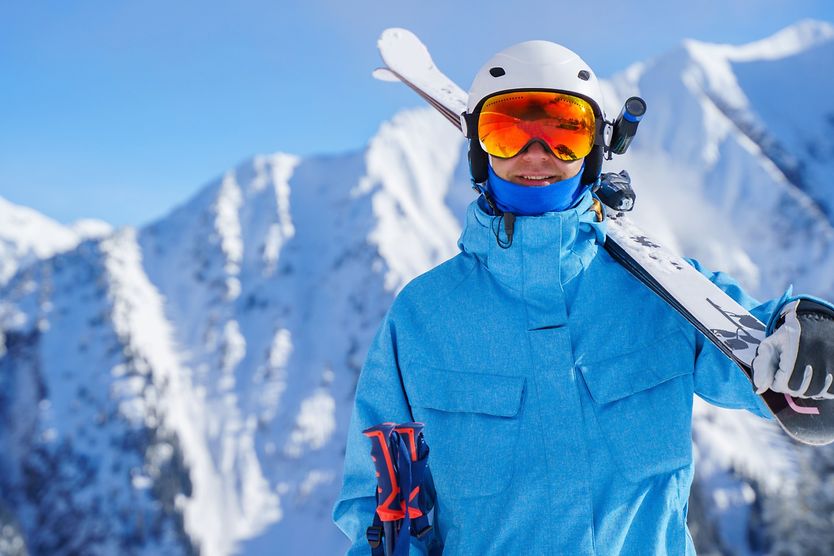
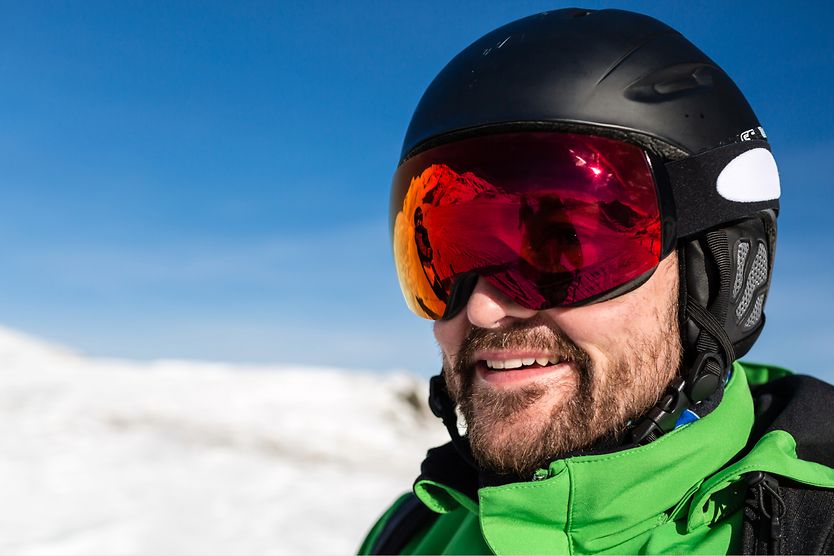
Ski goggles should be considered a must on the slopes. They reduce glare and protect your eyes from intense UV rays.
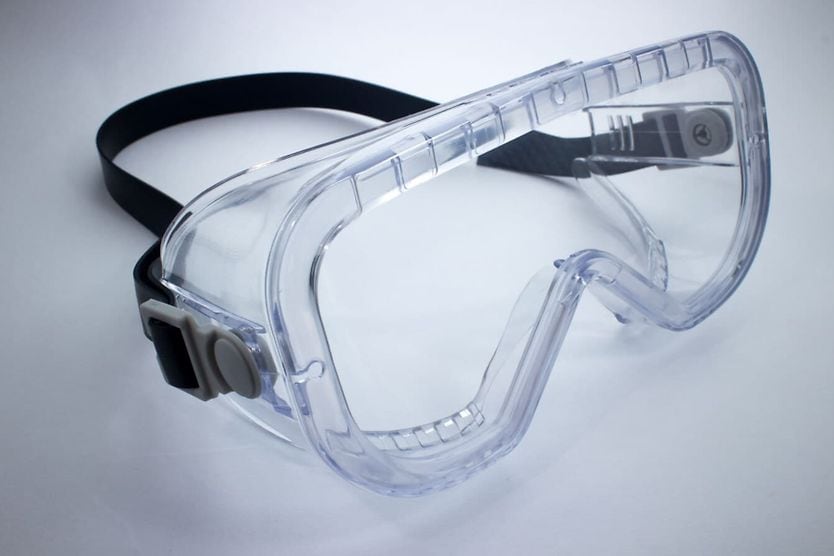
Face shields (either “cages” or clear polycarbonate shields) should always be worn by catchers in baseball. Athletes in sports with fast-moving objects that could strike the eyes also need proper face coverings.
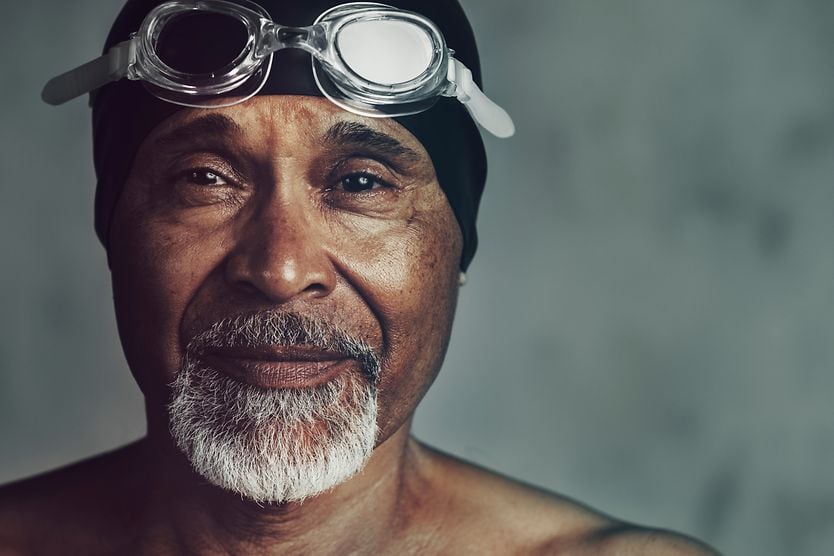
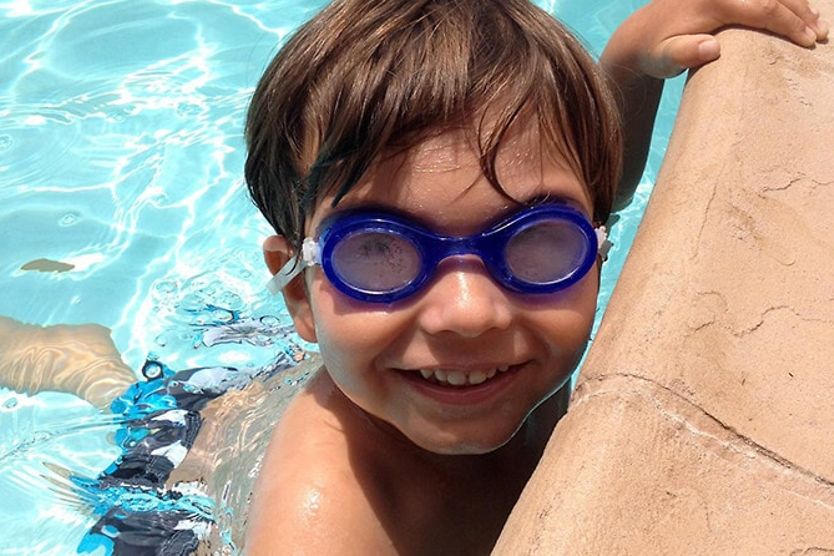
Goggles are also important for swimmers. They can prevent irritation from chlorine and keep germs out of the eyes. Swimming goggles are also available with prescription lenses.
How to choose the right sports glasses or other eyewear
The best sports eyewear depends on the sport it’s used for. Other important factors include fit, safety, lens features and your prescription.
Watch for lens coatings or other features
There are several details that go into enhancing visual clarity for athletes. Whether you choose glasses, sunglasses or goggles, certain features offer additional support.
Some common features in sports eyewear include:
- Polycarbonate and specialized polyurethane-based lenses
- Polarized lenses
- Anti-fog coatings
- Contrast-enhancing tints
These features can improve both vision clarity and athletic performance. Speak with your optician about which is best for you.
Find eyewear with the right fit, comfort and stability
Glasses for sports should fit snugly (but not too tight) on your face to help prevent them from falling off during activity. Nose pads and adjustable bands can help you achieve the perfect fit.
Impact-resistant materials are important to have in case your eyewear does get knocked off. A broken pair of glasses can interfere with your game and your everyday life if you have to replace them.
Check the lens materials and safety standards
Experts agree that most sports-related eye injuries can be prevented if athletes wear protective eyewear, such as safety goggles with polycarbonate lenses.
Safety ratings are also important to look for. Sports protective eyewear is certified to ASTM standards. ASTM F803-25 is the standard for certain sports, including basketball, soccer, baseball, racket sports, field hockey and women's lacrosse.
Although children may resist the idea of wearing safety glasses during sports, parents and coaches should educate them on the reason why it is important. It takes only a second for a sports injury to cause permanent vision loss in an unprotected eye.
But eye safety during sports is not just for kids — virtually anyone who plays active sports should wear sports glasses for eye protection and vision enhancement.
SEE RELATED: How to choose sports eyewear for kids and teens
Make sure any vision prescription is accurate and up to date
Getting eyewear to maximize your sports performance starts with your eyeglass prescription. Schedule an eye exam with an eye doctor near you to update your prescription before selecting your new sports eyewear.
Comprehensive eye exams assess your eye health and vision. Sports-specific eye exams may also test your hand-eye coordination and other aspects of your vision that are important in sports.
Be sure to discuss with your doctor which sports you enjoy. All of this information is important in helping you see crystal clear on the field, court or water.
Recommended eyewear options by sport
There are dozens of different sports that may call for athletic eyewear. The most effective type, style or size can differ by sport and athlete. One size won’t always fit all. Individual needs may vary, even within the same sport.
See the following table for guidelines on sports glasses and their optimal features for each activity:
Sport | Recommended Eyewear Features |
Badminton | Protective sports eyewear (goggles or glasses made with polycarbonate or specialized polyurethane-based lenses). |
Baseball | For batting and base running: Helmet with attached polycarbonate face shield. For fielding: Sports goggles or sport sunglasses with shatterproof lenses and an attached head strap. |
Basketball | Wraparound sports goggles or glasses. |
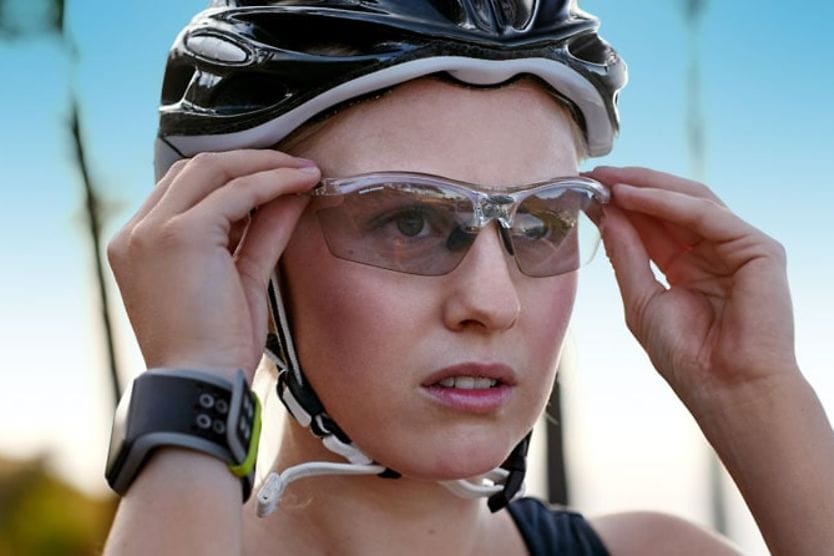
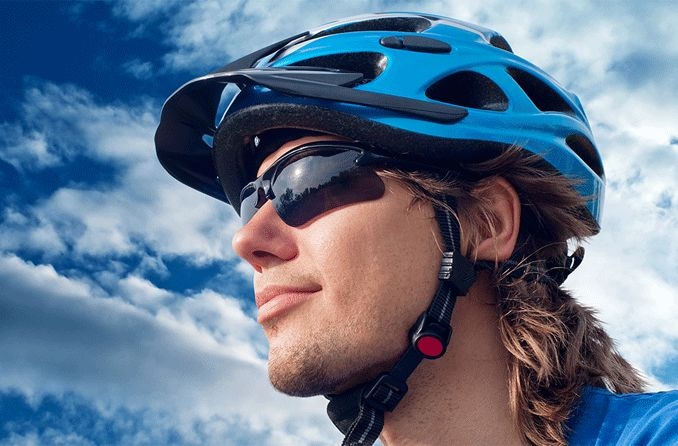
Bicycling | Performance sunglasses with anti-fog and anti-scratch lens coatings. |
Fencing | Full-face protective mask made of a fine mesh of rigid metal. |
Field hockey | All players: Sports goggles with secure head straps. Goalies: Full helmets and face masks. |
Fishing | |
Football (American) | Polycarbonate shield attached to helmet. |
Golf | Polarized sports sunglasses. |
Handball | Sports goggles with polycarbonate or specialized polyurethane-based lenses. |
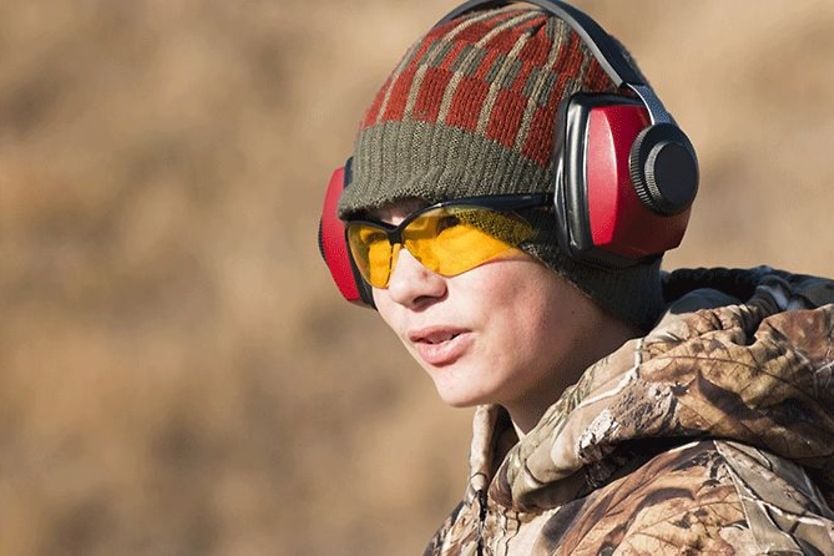
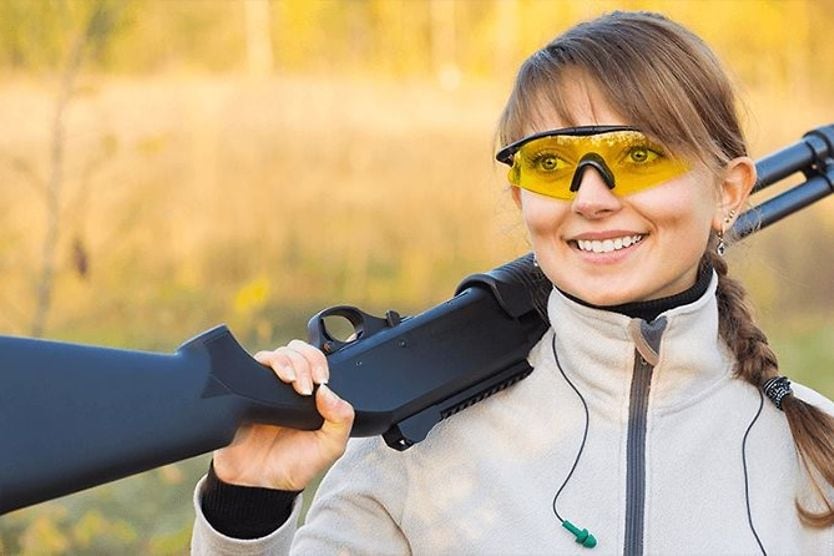
Hunting and shooting | Shatter-resistant shooting glasses. |
Ice hockey | Full-face helmet. |
Lacrosse | Form-fitting and padded face mask. |
Paintball | Full-face helmet. |
Racquetball and pickleball | Sports goggles with polycarbonate or specialized polyurethane-based lenses. |
Skiing and snowboarding | Ski goggles or wraparound polarized sunglasses with mirror-coated lenses. |
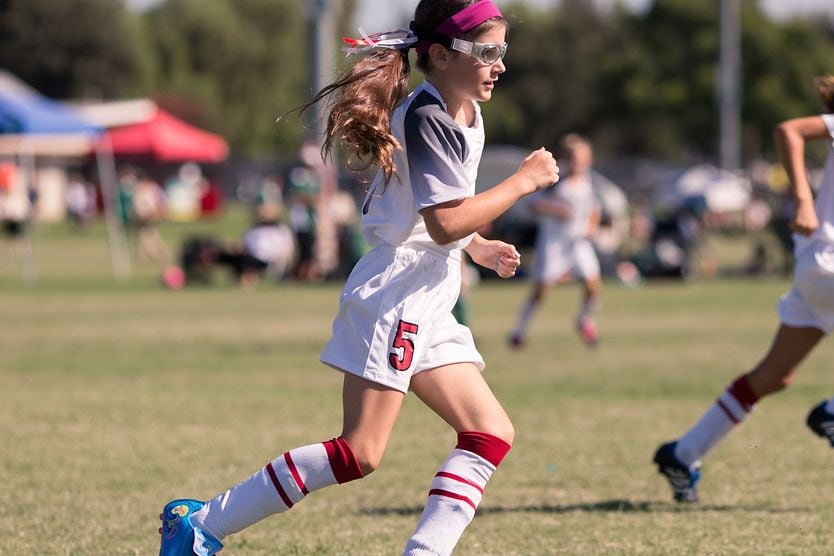
Soccer | Sports goggles. |
Softball | For batting and base running: Helmet with attached polycarbonate face shield. For fielding: Sports goggles or sunglasses with shatterproof lenses with an attached head strap. |
Squash | Sports goggles or glasses. |
Street hockey | All players: Sports goggles with secure head straps. Goalies: Full helmets and face masks. |
Swimming and diving | Non-prescription swim goggles and diving masks or prescription swim goggles |
Tennis | Sport sunglasses with a lightweight wraparound sport frame and polycarbonate lenses. |
Track and field | Lightweight wraparound sport frame with polycarbonate lenses to protect against wind and debris. |
Volleyball | Sports goggles or sunglasses. |
Water polo | Swim goggles with polycarbonate or specialized polyurethane-based lenses. |
Customizations may be required for some eyewear. Athletes should confirm the suitability of the eyewear with an eye care professional.
When to talk to an eye doctor or optician
Whether you’re a beginner or a devoted athlete, it’s never too soon to talk to your eye care professional about eyeglasses for sports. Book an appointment with your eye doctor to make sure your prescription is up to date, and be sure to bring any sports-related questions with you.
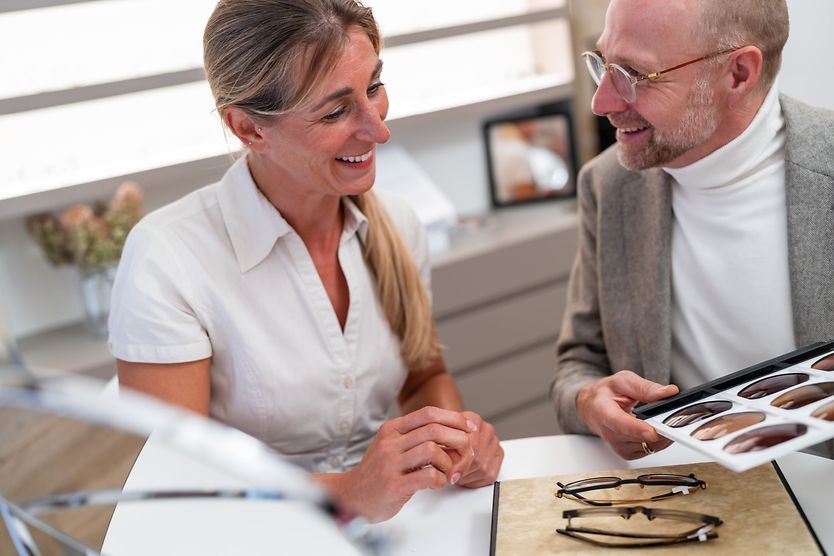
See a qualified optician for additional advice about the best frames and lenses for your sport and to see samples of different lens tints. Your optician’s help in frame selection is critical. The proper fit of sports eyewear is very important for both safety and comfort.
When it comes to achieving your personal best in sports, remember that excellent vision is a key factor in athletic performance. Put sports eyewear at the top of your list when you shop for gear and accessories to enhance your game.
READ NEXT: What are the best sports sunglasses for men?