Snow blindness: How to prevent sunburned eyes

What is snow blindness?
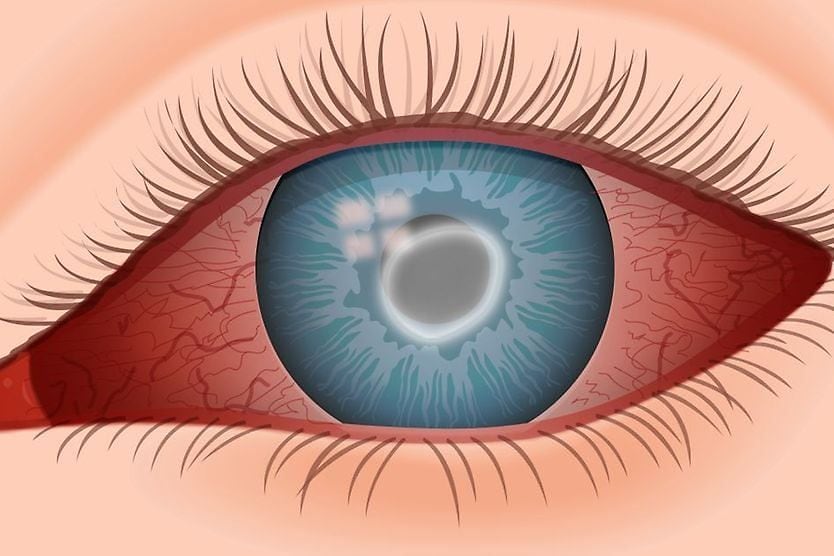
Snow blindness is a painful, temporary loss of vision due to overexposure to the sun's UV rays. The medical term for snow blindness is photokeratitis ("photo" = light; "keratitis" = inflammation of the cornea).
Essentially, snow blindness is caused by a sunburned eye, or more specifically, a sunburned cornea. And like sunburned skin, by the time you notice symptoms of snow blindness, you've already been exposed to UV too long.
You don't need snow to become snow blind
Though photokeratitis is commonly called snow blindness, the condition can (and often does) occur in the absence of snow.
The terms "snowblind" and "snow blindness" have become popular because snow is highly reflective of ultraviolet radiation. In fact, snow can reflect more than 80% of the UV rays that fall upon it. Also, skiing, mountain climbing and snowboarding usually take place at relatively high altitudes, where the sun's UV rays are stronger. Combined, these factors can double your risk of getting sunburned eyes compared with being outdoors at lower altitudes in the summertime.
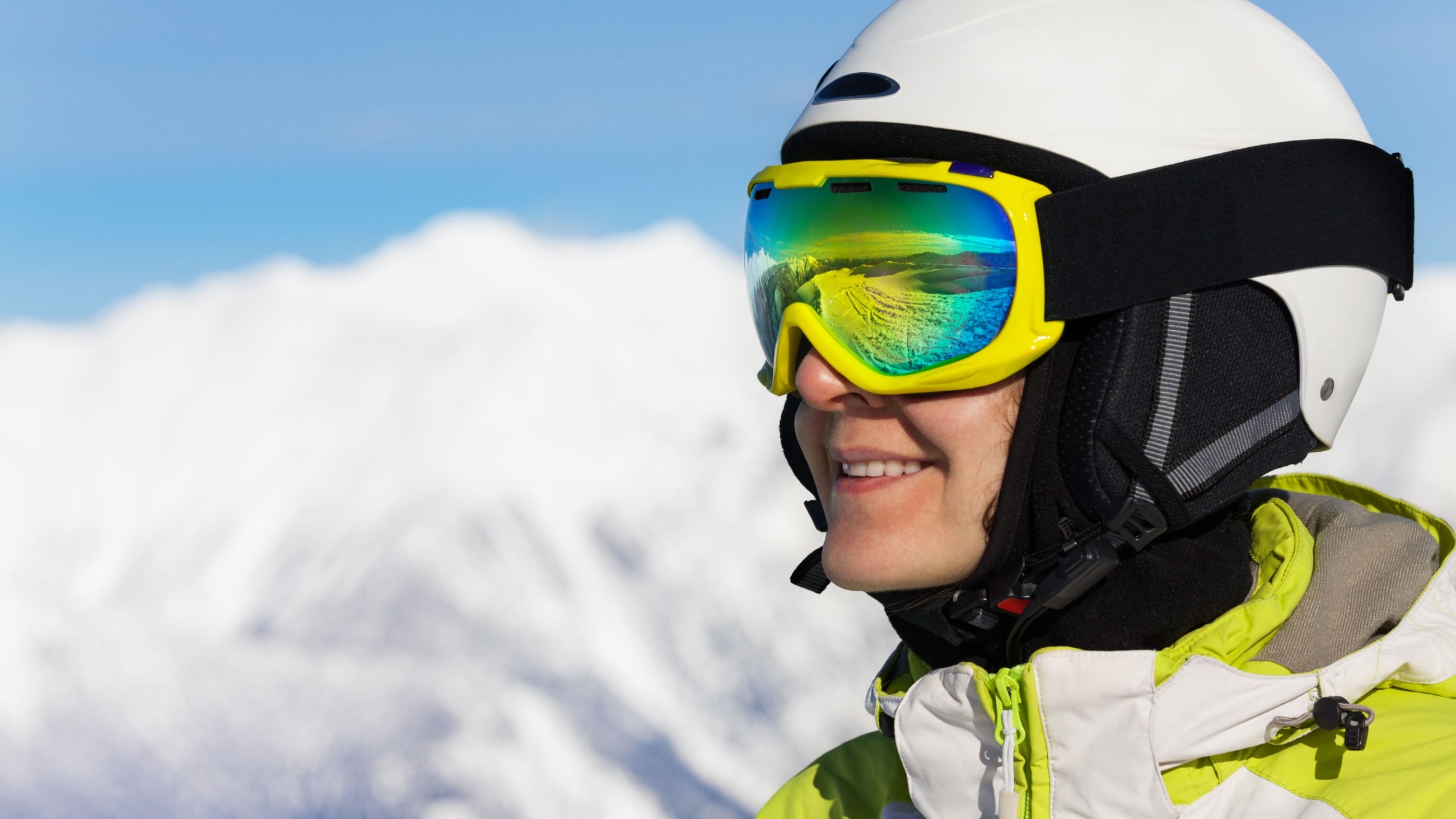
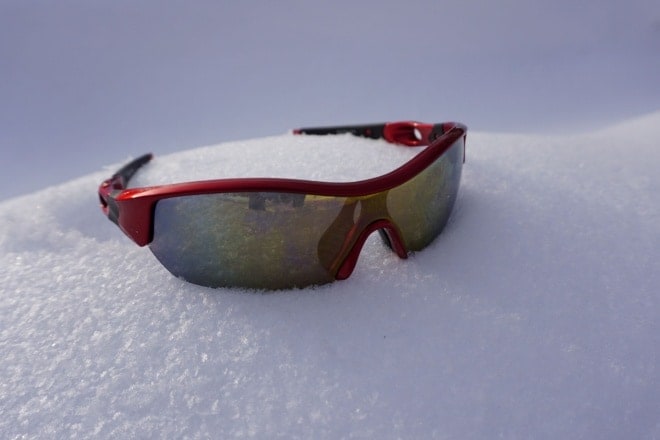
To prevent snow blindness on the slopes, consider wearing sunglasses with a close-fitting, wrap-style frame or snow goggles. Make sure the lenses block 100% of UV rays.
But water and white sand are also highly reflective of the sun's UV rays and increase the risk of snow blindness.
Not only can you become snowblind without snow — it can happen without sunlight, too! Photokeratitis sometimes occurs from man-made sources of ultraviolet radiation, such as a welder's torch. Though this type of injury is usually called a "welder's flash" or "flash burn" of the cornea, the mechanism of action and symptoms are very much the same as those of snow blindness.
Sun lamps and tanning booths can also cause photokeratitis and temporary "snow" blindness if proper eye protection is not used.
Symptoms of snow blindness
Many people notice that snow blindness symptoms occur or worsen a few hours after the UV exposure took place, just like the delayed symptoms of sunburned skin.
Snow blindness symptoms may include:
- Eye pain
- Burning eyes
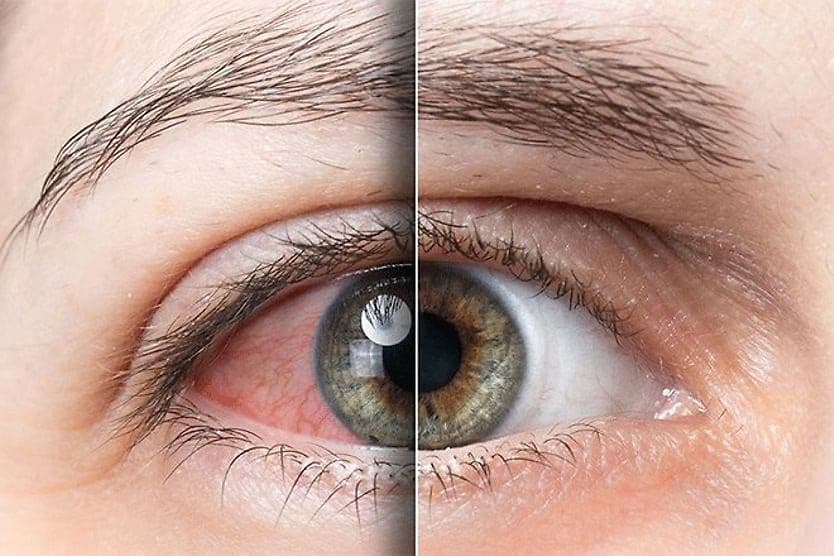
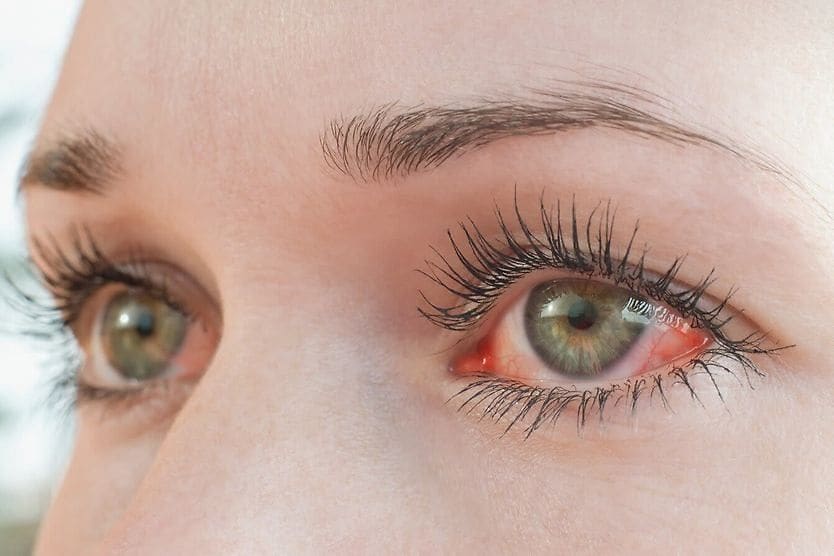
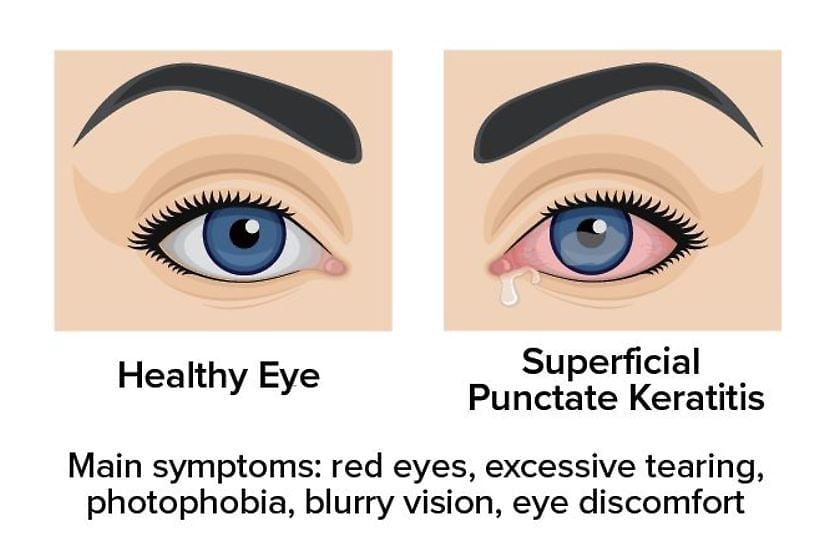
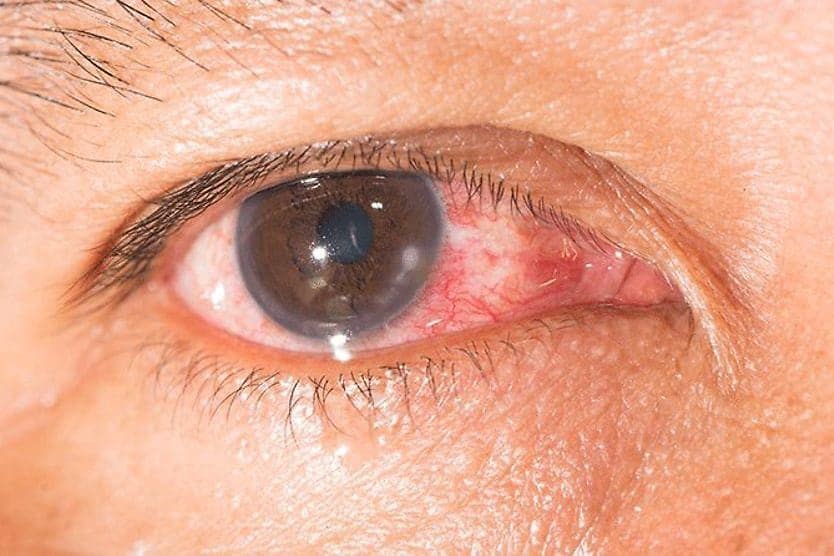
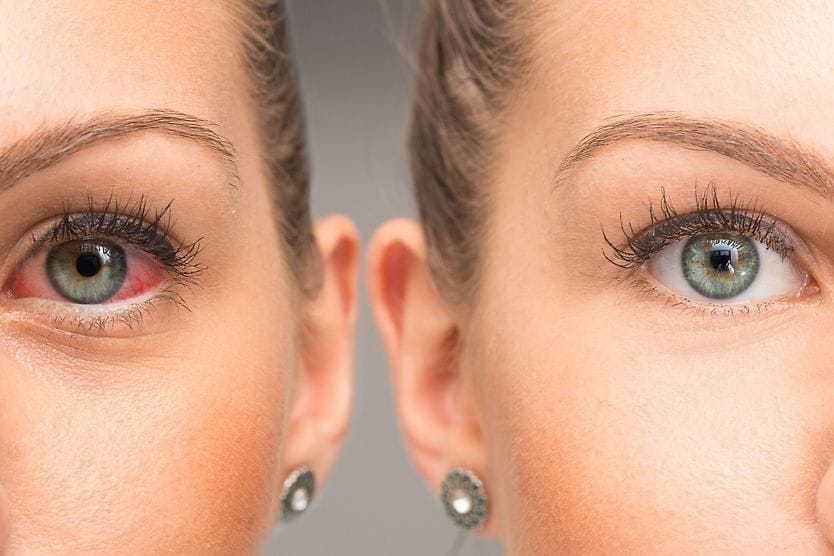
- Red eyes
- A gritty feeling or sensation that something is "in" the eye
- Sensitivity to light
- Watery eyes
- Blurry vision
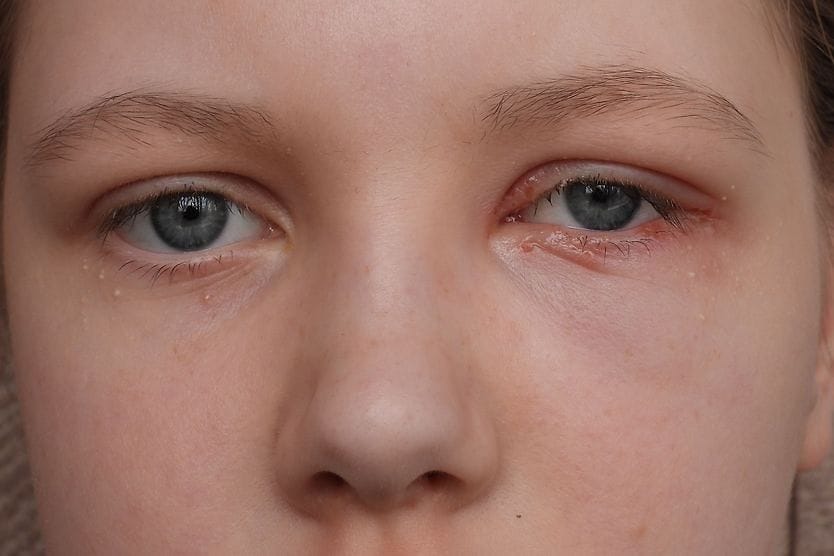
- Swollen eyes and/or eyelids
- Headaches
- Glare and halos around lights
Vision loss from snow blindness is typically temporary and resolves in 24 to 48 hours. Though snow blindness doesn't cause actual blindness, vision can be significantly impaired, making it unsafe to drive. Color vision also may be affected temporarily while you are snowblind.
How do you treat snow blindness?
The symptoms of snow blindness typically resolve on their own within a day or two without medical treatment. An eye doctor can help manage and monitor your symptoms if needed. They may recommend taking steps like these:
- If you wear contact lenses, remove them and refrain from wearing them again until your eyes return to normal.
- To relieve pain or discomfort from snow blindness, stay indoors and wear sunglasses.
- Consider keeping your eyes lubricated with artificial tears. Choose preservative-free formulations for mild dry eyes to prevent a sensitivity reaction from preservatives or worsened blurred vision from drops that are too thick.
- Ask your eye doctor about taking over-the-counter pain relievers if you think you need them. Always follow the directions printed on the drug label.
- Place a cool, clean, dampened washcloth over your closed eyelids.
Do not rub your eyes. If your symptoms persist longer than a day or two, or if symptoms worsen after 24 hours, see an eye doctor immediately.
How to avoid snow blindness
Preventing snow blindness involves taking simple steps to protect your eyes from too much UV light.
For example, wear sunglasses that block 100% of the sun's UV rays whenever you are outdoors during daylight. Sun-sensitive photochromic lenses are another option. Be aware that ultraviolet radiation penetrates clouds, so there is a risk of sunburned eyes even on cloudy or overcast days.
For skiing, snowboarding, water sports, or anytime you plan to be outdoors for extended periods of time, consider sunglasses that also feature a wrap-style frame to protect your eyes from indirect as well as direct sunlight.
For maximum coverage, look for sunglasses, snow goggles or sports goggles that have side shields or a soft rubber flange that completely block(s) sunlight from striking the front of your eyes from the sides, above and below.
If you are unsure whether your current sunglasses block 100% of the sun's UV rays, ask an eye doctor or optician to check them for you.
READ MORE about other kinds of keratitis and their causes