Pinguecula

What is a pinguecula?
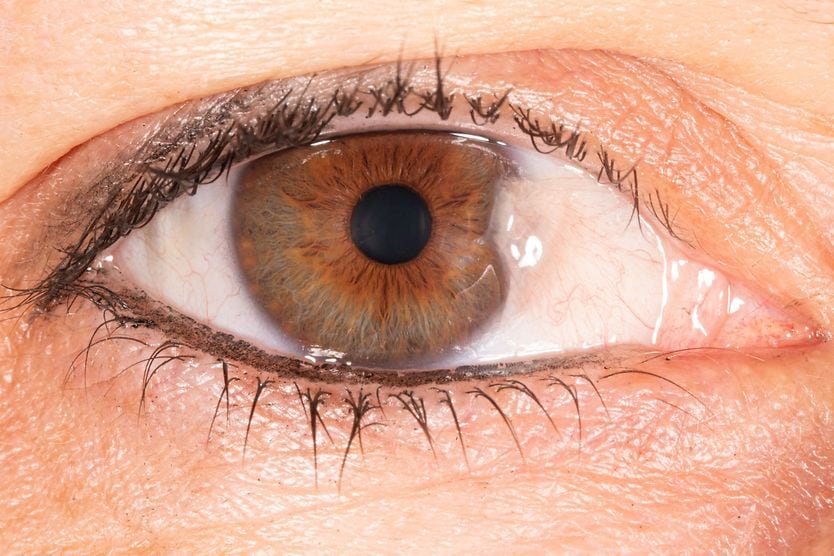
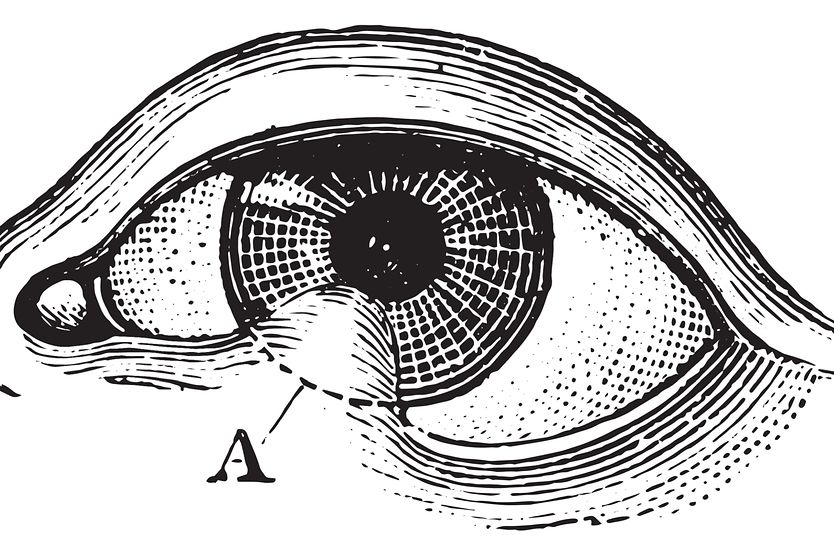
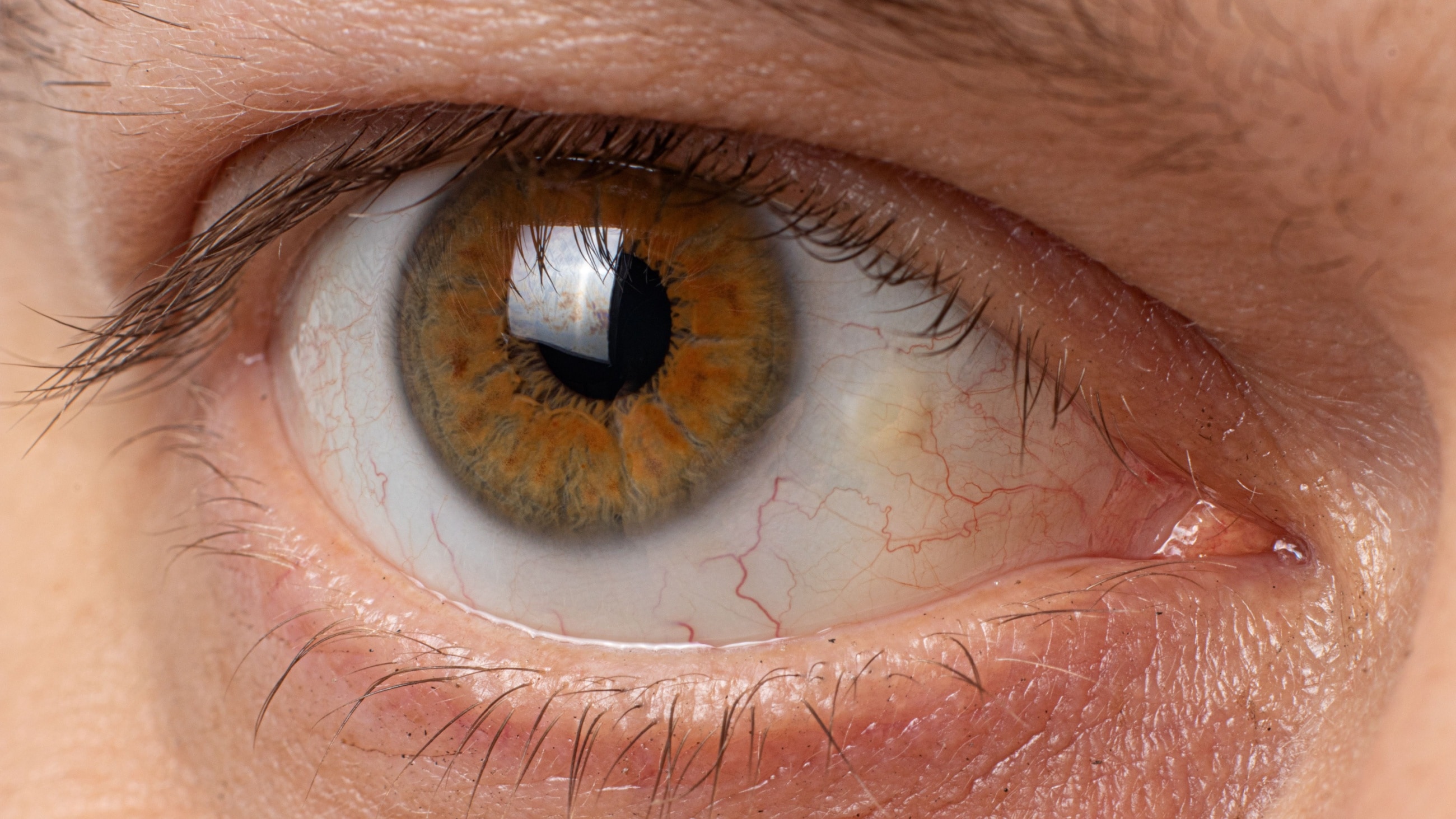
A pinguecula is a common type of growth that can form on the conjunctiva, the clear tissue covering the white of the eye. It’s often yellow or light brown in color and has a raised round or triangular shape. Pingueculae can cause eye irritation, but they’re usually harmless and do not affect vision.
Pingueculae develop when normal conjunctival tissue undergoes changes and may be composed of fat, protein or calcium. They usually appear close to the cornea (the clear, dome-shaped structure at the front of the eye), between the iris (the colored part of the eye) and the nose but can develop on either side of the eye.
Signs and symptoms of pinguecula
The most obvious sign of a pinguecula is a yellow or light brown spot on the white part of the eye, though they can also appear gray or whitish. If inflamed, a pingueculum may look pink or red. While some people consider pingueculae a cosmetic concern, these growths don’t cause symptoms in most cases.
However, pingueculae can cause signs or symptoms if they disrupt the eye’s tear film (the natural coating of moisture covering the eye’s outer surface). If the pinguecula grows large enough, the tear film may not be able to spread around it or across the surface of the eye. This can lead to dry eye symptoms, such as:
- A foreign body sensation (as though something is stuck in your eye)
- Eye irritation
- Eye redness
- Itching
- A burning sensation
- Excessive tearing
Pingueculae can occur in one or both eyes and can take months or years to develop. When pingueculae become irritated or inflamed, the condition is referred to as pingueculitis.
Pinguecula vs. pterygium
Sometimes people confuse pingueculae with similar eye growths called pterygia, but they are different conditions.
A pterygium (commonly referred to as surfer’s eye) is a growth that also occurs on the conjunctiva — except in this case, it reaches the cornea. It’s a vascular growth that’s pinkish and whitish in color and has a wing-like wedge shape.
Pterygia can affect vision if they extend over the pupil (the dark circle in the center of the iris). They can also change the shape of the cornea, leading to astigmatism, which is a condition that causes blurry vision.
If a pinguecula continues to grow, it can develop into a pterygium.
Pinguecula causes
Pingueculae are thought to be caused by frequent or long-term exposure to environmental factors, including:
- Ultraviolet (UV) radiation from the sun or artificial sources (such as arc-welders)
- Wind
- Dust
- Sand
It’s also believed that pingueculae tend to develop more often on the nasal side of the eye because the cornea naturally focuses light onto the nasal limbus (the edge of the cornea closest to the nose). This concentrates harmful UV radiation in that specific area, leading to pinguecula formation.
Who is at risk?
Some people may be at a higher risk of experiencing pinguecula. These additional risk factors include:
- Older age
- Working outdoors
- Contact lens wear
- Occupational exposure to UV sources
- Dry eye disease
- Conditions causing frequent eye irritation (such as eye allergies)
- Living closer to the equator
- Being male
- Smoking
- Having diabetes
How is a pinguecula diagnosed?
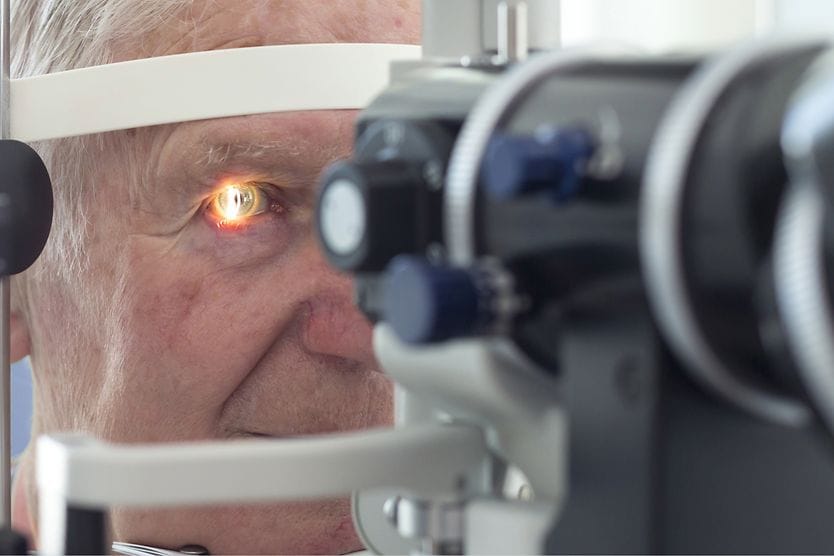
Eye care professionals diagnose pinguecula through a comprehensive eye exam. During the exam, they typically use a slit-lamp microscope to evaluate the growth and the structures in the front of the eye.
While not normally necessary, a biopsy may be taken to confirm a diagnosis and rule out other types of growths. Doctors may also use an imaging technique called optical coherence tomography (OCT) to monitor changes in the growth over time.
Preventing pinguecula
While pingueculae are not always preventable, certain strategies can reduce your risk of experiencing this eye condition. These include:
Sun protection
It’s important to wear sunglasses that provide 100% UVA-UVB lens protection and a wide-brimmed hat when spending time outdoors. These are the most effective ways to protect your eyes from harmful UV radiation and reduce the risk of related eye damage. This is even true on overcast and cloudy days, as the sun’s UV rays can penetrate cloud cover.
For maximum coverage, choose sunglasses with a wraparound frame or protective side shields. This frame design reduces the amount of sunlight entering your eyes from the top, bottom and sides of the lenses.
Many sunglass frames can be fitted with prescription lenses for those who require vision correction. Photochromic lenses are one such option, which darken automatically in sunlight and often provide 100% UV protection. Several other prescription lens materials also filter UV light. Talk with your eye care professional to determine the best option for your vision needs.
LEARN MORE: Protecting your eyes from UV radiation
Irritant protection
Protecting your eyes against environmental irritants, like dust, sand and wind, is also key to reducing your risk of developing a pinguecula. Wearing wraparound sunglasses or other protective eyewear when working outdoors can help prevent these irritants from getting into your eyes.
Artificial tears
Using artificial tears can help keep your eyes lubricated, especially if you’re exposed to wind and other environmental irritants that cause eye dryness. Some formulas contain preservatives, which can potentially irritate the eyes with frequent use. If you plan to use artificial tears more than four times a day, be sure to choose a preservative-free option.
Your eye care professional can help you select the right formula for your needs.
Pinguecula treatment
Most cases of pinguecula don’t require treatment or removal. When treatment is necessary, it usually focuses on managing the signs or symptoms of the condition, such as eye redness, inflammation, dryness or other discomfort. Treatment options for pinguecula include:
Eye drops or ointments
Mild dry eye symptoms or a foreign body sensation may be relieved with lubricating eye drops, such as artificial tears. More severe inflammation may be treated with topical corticosteroids.
In cases of pingueculitis, treatment may include topical antiobiotic-steroid or non-steroidal anti-inflammatory drops or ointments.
Pinguecula surgery
Surgical removal of a pinguecula is a treatment option, but it’s not performed all that often. Surgery may be recommended if a pinguecula:
- Causes significant inflammation or discomfort.
- Is a cosmetic concern.
- Impacts contact lens fit or comfort.
In some cases, pingueculae may be removed through a procedure called argon laser photocoagulation. Both surgical and laser removal tend to produce similar cosmetic results.
When to see an eye doctor
A pinguecula is typically harmless and does not impact vision. In most cases, it does not require treatment. However, if you have sudden vision changes, severe eye pain or a rapidly growing lesion, contact your eye care professional immediately. This could be a sign of a more serious issue.
Even if you have no symptoms, it’s important to see your eye doctor for any eye-related concerns. They can provide an accurate diagnosis and recommend treatment (if necessary) to help preserve your eye health and vision.