Are video games bad for your health?

How do video games affect health and vision?
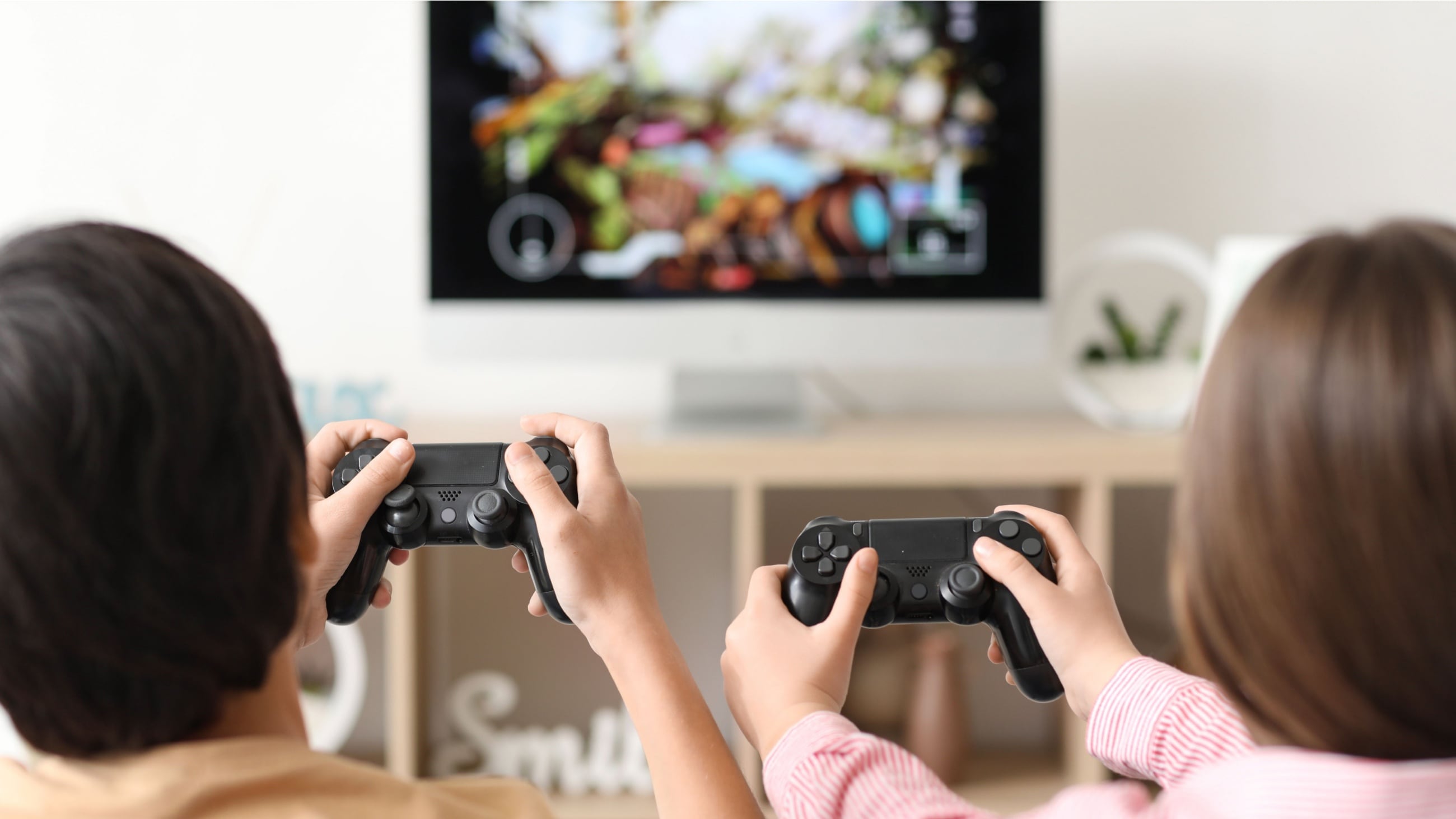
Video games are a great source of entertainment, socializing and even education for both children and adults. But they can also cause health problems on the inside and out. This can include anything from poor sleep to low self-esteem. Too much time in front of the screen can also harm vision.
Excess time spent playing video games can also cause joint and muscle pain.
Despite these unfavorable factors, video games can actually improve some aspects of health. For example, vision disorders such as amblyopia can be treated with special video games. Games that require team building and other multiplayer features can also improve social skills.
Mental health
Gaming: Is it good or bad for your mental health? There are several studies that point in both directions. In either case, it's generally recommended to stick to reasonable screen time limits to help live a balanced life.
Negative effects of video games on mental health
Many experts believe that video games can have a negative effect on mental health. This includes possible symptoms like:
- Flawed coping strategies
- Poor academic performance
- Low self-esteem
- Loneliness and tendencies to isolate
- Negative feelings and outlooks
These side effects can sometimes interrupt daily life. Poorly influenced decisions and emotional states can make life harder. Playing video games can also be habit-forming. So, like other activities, setting healthy limits with video games is generally recommended.
Additional measures may need to be taken if video games lead to mental health concerns. Never hesitate to talk to a doctor or licensed therapist about your psychological symptoms and what could be contributing to them.
Positive effects of video games on mental health
Some recent studies have highlighted the positive effects of video games on mental health.
Specific benefits that have been associated with video games include:
- Stress relief, mood increase and reduced isolation – According to a survey, 71% of players globally said playing games helped them feel less stressed; 61% said it helped them feel less anxious; 58% said it reduced feelings of isolation.
- Therapeutic applications – Games specially designed for mental health purposes have shown a reduction of symptoms related to ADHD, anxiety and depression.
- Relaxation – A study found that open-world games led to measurable improvements in relaxation and well-being among postgraduate students.
Since video games can have both positive and negative effects on mental health, check in with yourself before and after playing. It’s important to recognize your moods and emotional states so that you can understand whether certain games make them better or worse.
Eye health
Video games may also affect your eye health. One of the most commonly reported disorders associated with video games and excessive screen time is a condition known as computer vision syndrome (CVS), also called digitial eye strain.
When the eyes focus on a brightly lit screen for too long, it can cause strain. This can then lead to symptoms, such as dry eyes, blurred vision, reduced blinking and headaches. But focusing on the screen for a long period of time isn’t the only risk factor. Screen glare, poor posture and improper lighting can all contribute to the discomfort.
If you have an uncorrected vision problem, such as myopia (nearsightedness), it can make symptoms even worse. In fact, research indicates that increased screen time raises the risk of myopia. This is because the eyes have to stress even more in order to focus.
Fortunately, there is a way to combat these problems:
- Employ the 20-20-20 rule – take a break every 20 minutes to view an object that is 20 feet or more away from you for 20 seconds.
- Consider trying a pair of gaming or computer glasses
- Limit screen time altogether, if possible.
- Get your eyes and vision checked on a yearly basis.
- Use good posture when sitting down to play a game. Be sure you are not sitting too close to the screen.
SEE RELATED: Do gaming glasses really work?
Can video games help vision?
A study found that playing video games that use eye-tracking technology can help older adults read better. The games helped players move their eyes more smoothly and improve some visual skills. Because of this, they were able to read faster and more accurately, even though the games did not include reading practice.
Researchers say this shows that video games designed for training the eyes and brain can help keep the mind active and improve vision-related skills in older adults. With eye-tracking devices now easier and cheaper to find, this type of training could one day be used in eye care or therapy programs.
READ MORE: How video games could help correct lazy eye in children
Personal appearance and self-esteem
Several studies highlight the impact video games can have on social skills and self-esteem. But it can go deeper than that for many gamers.
Winning vs. losing
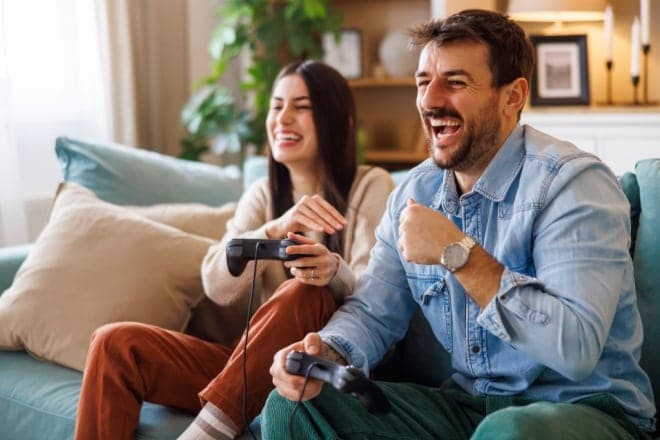
Some of the most obvious challenges of a video game include conquering villains, moving through difficult levels and beating the highest score. Each of these can cause both good and bad emotional reactions for players.
A sense of accomplishment and achievement usually occurs when someone wins a game or conquers a difficult level. But if they fail, it can cause a much worse emotional reaction.
Depending on how invested you are in a game, either outcome could affect your life away from the screen.
Games can give unrealistic body expectations
Games and other forms of screen media can strongly influence how children see themselves.
Researchers studied 792 children between 5 and 9 years old to explore how screen use affects body satisfaction. They found that watching television was linked to higher contentment with appearance. In contrast, frequent video game use was associated with lower contentment, particularly among girls who reported feeling less content with their appearance.
These results suggest that different types of screen media can influence how young children perceive their bodies and point to the value of responsible media usage.
Personal avatars allow for more freedom
On the other hand, there is a possibility that self-esteem can be raised by playing video games for a similar reason. Certain video games, such as World of Warcraft, allow the user to create a character or avatar of their own, rather than choosing from a group of pre-designed characters.
Research indicates that customizing an avatar and having positive interactions with a virtual character may help boost a person’s self-esteem.
It’s easier said than done for many people — but if possible, try not to take games and virtual life too seriously. Reminding yourself that it’s all in good fun can prevent harm to your self-esteem and mental health.
What about obesity? Although obesity has been thought to be linked to playing video games, studies have found that there is no direct connection between the two.
Sleep
How do video games affect sleep? Playing games too close to bedtime can increase brain activity and make you too excited or wound up to rest effectively. The bright lights on the screen of your computer or television can also make falling asleep difficult. But why does this matter?
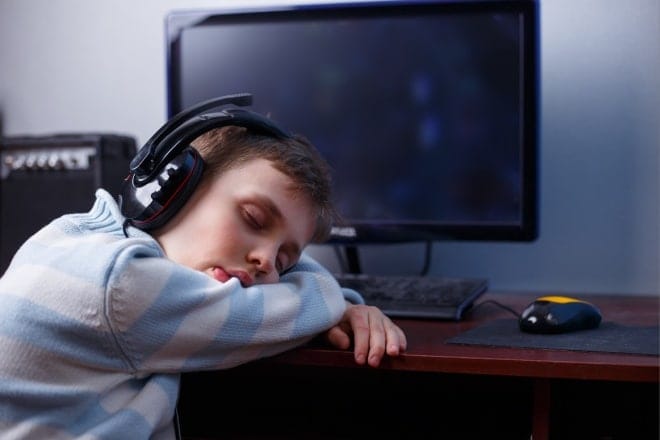
First, you need to understand why sleep is so important. Both the quantity and quality of sleep have a large impact on daily life. Poor sleep can contribute to focusing problems, negative moods and a lack of productivity. A good night’s rest, on the other hand, allows you to be more alert and content in both physical and mental capacities.
There are four different stages of sleep that are all crucial to the process. Stages 1, 2 and 3 are all non-rapid eye movement (NREM) stages, while stage 4 is the rapid eye movement (REM) stage:
- Stage 1 (NREM) – Breathing, heart rate and brain waves slow down during this light sleeping stage.
- Stage 2 (NREM) – Breathing and heart rates continue to decline, and the muscles relax as you fall deeper into sleep.
- Stage 3 (NREM) – Heart rate, breathing and brain waves reach the lowest point during this sleeping stage.
- Stage 4 (REM) – Blood pressure, heart rate and breathing all increase during the REM cycle. The eyes move rapidly beneath the eyelids, and dreaming also occurs.
Each phase of sleep is needed in order to feel refreshed and prepared for the next day. But there are many popular activities that can interrupt a good night’s rest, including video games and other types of screen time.
According to research published in the Journal of Adolescent Health, teens who spent the hour before bed using screens to play games tended to fall asleep later (half an hour later than those who avoided screens before bed). The study also found that every additional hour spent gaming during the day moved bedtime back by about 10 minutes.
To improve sleep, consider limiting your gaming time to an hour or less a day. And try not to game too close to your bedtime.
Can video games ever help with sleep? It’s possible but not guaranteed. Studies have shown that video games can help relieve anxiety, which may help some clear their heads before bed. But be sure to take the negative effects on sleep into consideration.
SEE RELATED: Effects of sleep deprivation
Physical pain tolls
Although video games are often played in a seated position, many parts of the body are used, and it can be painful. Factors such as poor posture, sitting in the same position for long periods of time and excessive use of the hands and wrists can all negatively affect physical health.
Musculoskeletal pain
Many gamers sit in the same position, with the same posture, for significant periods of time while they play video games. This can cause a negative effect on the structure of the body. Back, joint, wrist, neck and arm or elbow pain are often reported by gamers.
Joints are designed to move, so when they are restricted, it can be painful and cause lasting effects.
Experts suggest the following tips:
- Use a computer stand to keep the screen at eye level. This will help reduce neck strain.
- Keep the body in proper alignment, and use a chair with back support.
- Take frequent breaks to stretch your muscles.
- Limit your gaming time.
Do video games cause carpal tunnel syndrome?
Video games require heavy use of your hands and wrists, as the vast majority are played with a handheld controller or a computer keyboard. It’s been a popular belief that excessive typing, keyboard or mouse use can cause carpal tunnel syndrome. However, studies have not been able to prove this connection.
Repetitive movements of the hand can cause inflammation problems, such as tendinitis (inflammation in the tendon) and bursitis (inflammation in the bursae , which are structures that cushion joints). Both of these conditions can then lead to carpal tunnel syndrome.
To reduce pain in the joints, muscles and other parts of the body, be sure to take plenty of breaks during your designated gaming time.
Seizures
Have you ever noticed the health warnings that appear on a screen before your game begins? Often, these warnings include a warning for photosensitivity and epileptic seizures.
Flashing lights and rapid light patterns in video games can pose a risk for those who have epilepsy. This is due to a condition called photosensitive epilepsy, and about 3% of epileptic patients experience it.
Numerous factors can trigger seizures, including strobe lights, fast-moving patterns on TV screens and the bright, rapidly moving illustrations in video games.
If you are a gamer and have photosensitive epilepsy, talk to your doctor about gaming safely. They may recommend taking steps like these to prevent having a seizure:
- Turn down the brightness on your screen.
- Play games in a well-lit environment, and sit at least two feet away from the screen.
- Take breaks from playing when possible (consider a 15-minute break for every hour). Locking your eyes on the screen for too long without an adequate break can raise the risk of a seizure.
- Avoid blinking too much while looking at the screen, as this can also encourage a seizure.
- Turn off the game if you are tired or if you begin to experience body jerks or uneasy feelings.
- Consider wearing anti-glare, polarized or blue light glasses to reduce brightness and glare from screens.
Not every video game or individual trigger is guaranteed to cause a seizure, and some people may be more sensitive than others. Nevertheless, it’s important to be cautious and understand the risks.
Report any seizures or related symptoms you experience while playing a video game to your doctor. They may recommend that you stop playing video games for a certain period of time after a seizure occurs.
The takeaway
Certain health problems may occur when you play video games for an extended or excessive amount of time. Like many activities, indulging in video games and other digital activities should be done in moderation. At the very least, they should be done with protective measures like good ergonomics, proper lighting and a healthy mindset.
Despite the complications (dry eyes, poor sleep, joint pain and more), video games can improve some aspects of your life. This may include improving your social and cognitive skills with strategy and multiplayer games. Children with vision disorders, such as amblyopia, may also benefit from iPad games that work to train the eyes and improve visual acuity.
For an optimal balance between your health and your video game consumption, check in with yourself and take a step back when needed. And don’t forget to get your vision checked every year to ensure any focusing issues are corrected. Finally, self-monitor your physical and mental health both on and off the screen.
READ NEXT: Can VR headsets harm your eyes?