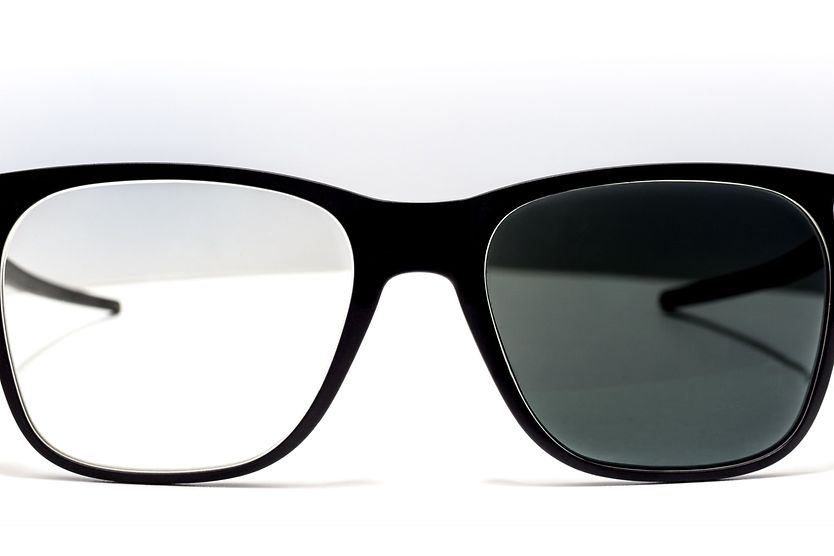
The differences between photochromic and polarized lenses
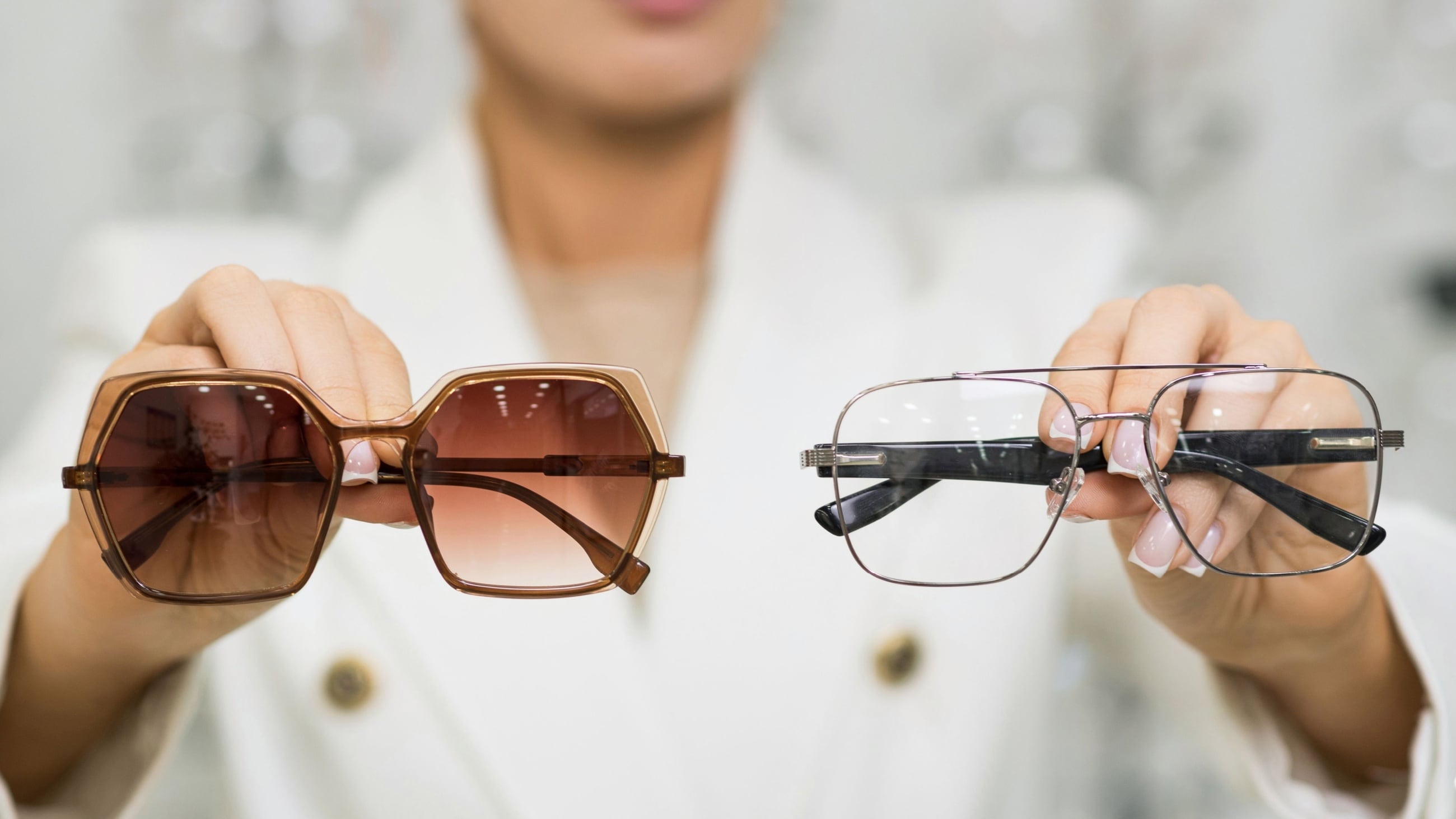

What are the differences between photochromic and polarized lenses?
Photochromic and polarized lenses are two of the most popular ways to protect against the sun’s harmful ultraviolet (UV) rays, but there are important differences between the two.
We’ll help you decide which of these two well-known options is better for you.
What are photochromic lenses?
Photochromic lenses automatically get darker in the presence of sunlight outside and have a subtle tint indoors. They work using special chemicals that react to UV light.
The bigadvantage of photochromic lenses is their versatility. People who wear them have essentially a pair of eyeglasses and sunglasses rolled into a single set of frames.
SEE RELATED: Photochromic lenses or prescription sunglasses?
What are polarized lenses?
Polarized lenses are primarily used to reduce the sun’s glare. They always come in the form of sunglasses, never eyeglasses, and they don’t switch back and forth.
People often use polarized sunglasses while driving on a bright day, since polarization reduces the glare coming from the road, windshield and other cars. They work by having a chemical film applied in vertical, microscopic lines that allow only vertical light to enter, blocking the annoying horizontal light that causes glare.
Polarized sunglasses also can be used to reduce reflections from the surface of water, which makes them more popular for fishing and water-based recreational activities.
SEE RELATED: What are the advantages of polarized sunglasses?
Can photochromic lenses also be polarized?
It isn’t common, but lenses that are both photochromic and polarized exist.
Some specialized lenses become polarized as they darken in sunlight. The darker the lenses get, the more powerful the polarization effect.
Should I choose photochromic lenses or polarized lenses?
Determining whether photochromic lenses or polarized sunglasses are optimal for you truly depends on how you personally plan to use them.
Side by side, each style has its pros and cons. Some people might opt for a pair of each — a photochromic lenses for driving and polarized sunglasses for boating, for example.
Photochromic lenses could be a choice if:
- You like the convenience of eyeglasses and sunglasses packaged into a single set of frames.
- You’re frequently moving from indoor to outdoor situations throughout the day.
- You don’t need sunglasses for daytime driving (or have a separate pair specifically for daytime driving).
- You do a lot of nighttime driving.
- Your eyes are sensitive to light (photophobia) and you’re looking for constant sun protection.
Polarized lenses could be a choice if:
- You primarily wear contacts and non-prescription sunglasses.
- You don’t mind carrying a second pair of prescription glasses (if you usually wear eyeglasses instead of contacts).
- You want sunglasses in a style that is different from your everyday eyeglasses.
- You spend a lot of time driving during the day, and reducing sunlight glare is important to you.
Both photochromic and polarized lenses can offer:
- 100% UV protection from potentially harmful UV rays. Double check your intended pair to make sure they offer either “100% UVA & UVB” or “UV 400” protection.
- Adequately darkened lenses for daytime vision.
- Prescription and non-prescription options. However, non-prescription photochromic lenses are less common.
Both photochromic glasses and polarized sunglasses can correct vision and protect your eyes from the sun, but their differences are as clear as a summer day. Considering your lifestyle and talking to your eye doctor and optician can help you decide which option — or if owning one of each — is preferred for you.