5 things to know about photochromic lenses

If you’re considering photochromic lenses, it can help to know how they work, how to test them and how to find the best ones for you.
Here are five things to know about photochromic lenses, those lenses that adjust to bright light outside and then turn relatively clear with a subtle tint when you return indoors:
1. How photochromic lenses work
Earlier glass photochromic lenses relied on silver halide microcrystals embedded within the glass to achieve a similar darkening effect. However, the shift to lightweight plastic lens materials led to the adoption of organic photochromic compounds, which are now the standard in virtually all consumer photochromic eyewear.
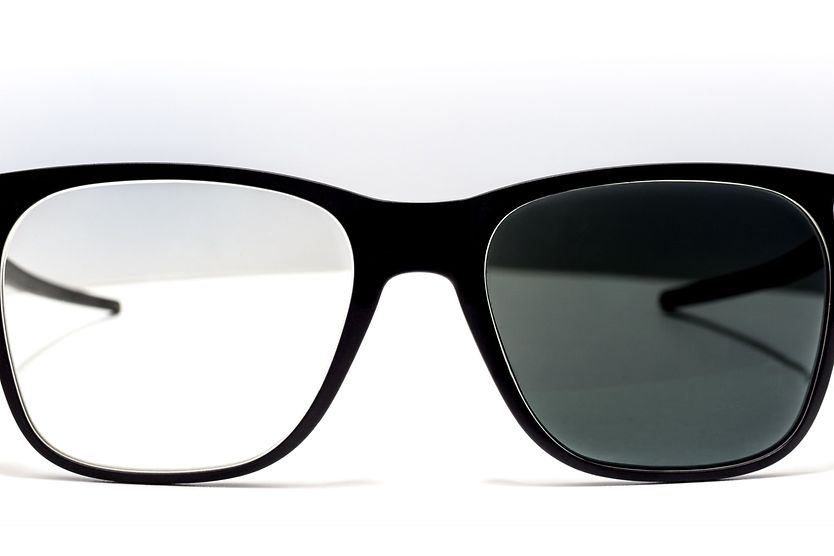
When exposed to ultraviolet (UV) radiation in sunlight, these molecules in the current photochromic lens technologies undergo a reversible change in their molecular structure, causing the lenses to darken. When UV exposure decreases, the molecules return to their original state and the lenses gradually become clear again.
2. How to test photochromic lenses
Eye doctors may not have photochromic lenses for you to test in their offices.
In some cases, you may be able to test a pair of photochromic lenses. However, you may not be permitted to leave the store with them, which means you wouldn't have a chance to test them in direct sunlight before purchasing them.
SEE RELATED: What are photochromic sunglasses?
3. Photochromic lenses are available in a wide range of materials and styles
Photochromic lenses are not limited to a single type of frame or lens material. They are available in polycarbonate, high-index, and standard plastic lens materials, and can be incorporated into single vision, bifocal and progressive lens designs. Photochromic options also exist for both eyeglasses and contact lenses.
This versatility means that most people who need corrective lenses can add photochromic technology to their existing prescription without changing their frame preference or lens type.
4. Photochromic lenses may help improve your driving
Photochromic lenses may help make driving safer and easier by correcting your vision while providing UV protection, like normal prescription glasses. When you’re operating your car, truck or SUV, it’s important that your vision is clear and uncompromised.
If you have a visual impairment such as myopia, hyperopia or astigmatism, you’ll need corrective lenses to drive. While the prescription lenses will correct your vision, only some specialized photochromic lenses can darken in the car. Car windshields typically block UV, so most photochromic lenses will not darken.
Photochromic lenses also won’t help with night driving, even specialized lenses. Photochromic lenses only darken under UV rays, so they won’t dim bright headlights or streetlights.
SEE RELATED: Photochromic lenses and driving
5. How to decide which photochromic lenses are right for you
A number of brands offer photochromic lenses for glasses, and there’s even an option for light-adaptive contact lenses. How can you get the ideal transition lenses for your needs? Start by thinking about your everyday activities and lifestyle.
If you’re most concerned about having sun protection when you drive, ask your eye care provider about photochromic lenses that will darken behind a windshield.
If you’re outdoorsy, you might consider photochromic contacts or glasses lenses with more durable frames and impact-resistant lens materials such as polycarbonate.
If you work at a computer all day, blue-violet light filtering may help some people with visual comfort (just don’t expect the lenses to go dark when you look at a screen).
Ask your eye doctor when you have your comprehensive eye exam if photochromic lenses would be suitable for your daily needs. You may also consider adding ananti-reflective coating for additional help in reducing glare.