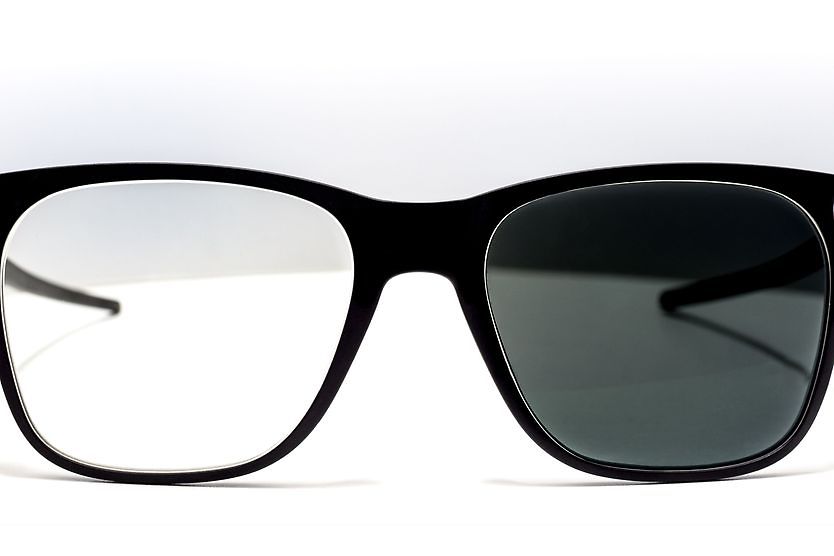
Photochromic lenses and driving

Do photochromic lenses help when you're driving?
Photochromic lenses offer nearly seamless protection against bright sunlight and harsh UV rays. They may also make vision a little more comfortable behind the wheel.
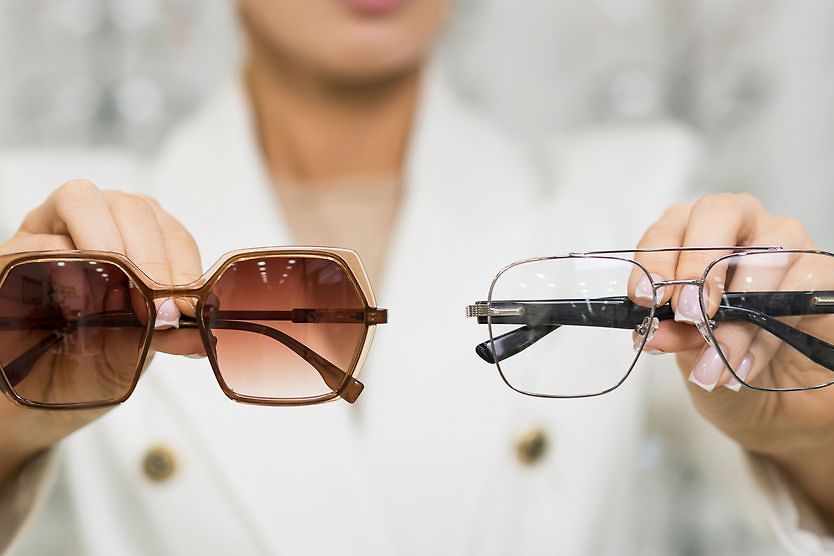
People typically only consider wearing their sunglasses if the sun is beaming head-on. So, by the time they realize they need to trade their prescription eyeglasses for sunglasses, doing so could distract them from the road.
Rather than pawing through your belongings for prescription sunglasses while driving, consider the convenience of photochromic lenses that darken in seconds.
Even on cloudy days when your photochromic lenses don’t dim completely, you can rest assured that your eyes are being protected from harmful UV rays.
Vision and driving
Sunglasses or photochromic lenses are a necessity for many drivers.
Glare from sunlight can inhibit your ability to see the speed limit, street signs and construction zones. Even if the rays don’t hit your eyes directly, the sun’s reflection on the shiny surfaces of surrounding cars can still feel overwhelming.
Without sunglasses or photochromic lenses, the blinding brightness and exposure to the sun's harmful UV rays can put your eye health at risk over time.
Even in the evenings, driving can be a challenge, and photochromic lenses can be a help. For example, headlights and streetlights, meant to illuminate the road, can make it harder to see due to glare.
SEE RELATED: Night driving glasses: Help or hoax?
Advantages of photochromic lenses
Besides helping you adapt to light and protecting you from UV rays, photochromic lenses often filter blue light.
Although most blue light is from daylight, some blue light is emitted from the digital screens you interact with daily. Photochromic lenses can filter certain levels of blue light both outdoors and indoors.
READY TO TRY PHOTOCHROMIC LENSES? Find an optical store near you or shop online.
Do photochromic lenses improve night driving?
Technically, yes, photochromic lenses can help with night driving, but not for the reasons you may think. When they aren’t tinted from the sun, photochromic lenses return to clear prescription lenses.
For most people who require vision correction, wearing their prescription lenses when driving can make a significant difference, particularly at night. So, while photochromic lenses do not improve night driving due to the varying tint, they can help improve vision by correcting underlying refractive errors.
Consider adding an anti-reflective coating to your prescription lenses. Doing so can help reduce halos and glare that may affect visibility when driving at night.
Add photochromic lens treatment to your progressive lenses to see clearly at all distances. This can help protect you from UV rays outdoors, with the added benefit of filtering blue light when you're on your phone and computer.
HAVING TROUBLE DRIVING AT NIGHT? Find an eye doctor near you and schedule an appointment.