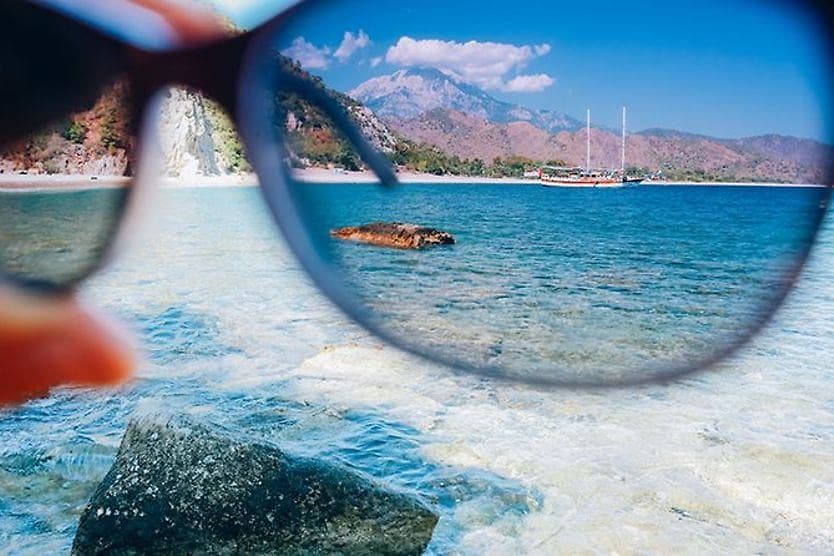
Which is better: polarized or gradient sunglasses?
When it comes to effectively shielding your eyes from the sun, there are plenty of sunglass options to suit your specific needs, including polarized and gradient lenses. So, what is the difference between polarized vs. gradient sunglasses?
Polarized sunglasses utilize a laminate filter that reduces glare and minimizes eye strain, whereas gradient lenses feature a gradual shift in tint from (generally) darker at the top to lighter at the bottom.
Before you purchase a new pair of shades, let’s explore the key differences between polarized and gradient sunglasses, and which option may suit you best.
Polarized vs. gradient lenses
Polarized and gradient lenses both offer plenty of benefits, but there are instances in which you may want to reach for one over the other.
Here are some key considerations:
- Environment - Polarized sunglasses are ideal for high-glare settings, such as water, snow and pavement. Gradient lenses may be preferred for afternoon sun and daytime driving as they tend to block more glare from overhead.
- UV protection - Neither polarization nor gradient tinting offers UV protection on its own. The UV blocking comes from the lens material and any UV-absorbing treatments applied to it. Look for lenses labeled UV400 or marked as blocking 100% of UVA and UVB, and consider frame fit and coverage, since UV can reach the eye around the edges of poorly fitting sunglasses.
- Cost - High-quality polarized lenses tend to be more expensive than gradient lenses, but price also will depend on the style and brand.
- Availability - Both polarized and gradient lenses are available in many styles, as well as with or without a sunglasses prescription.
- Versatility - Gradient lenses are generally more versatile, while polarized lenses may be too dark in some settings.
How do polarized lenses work?
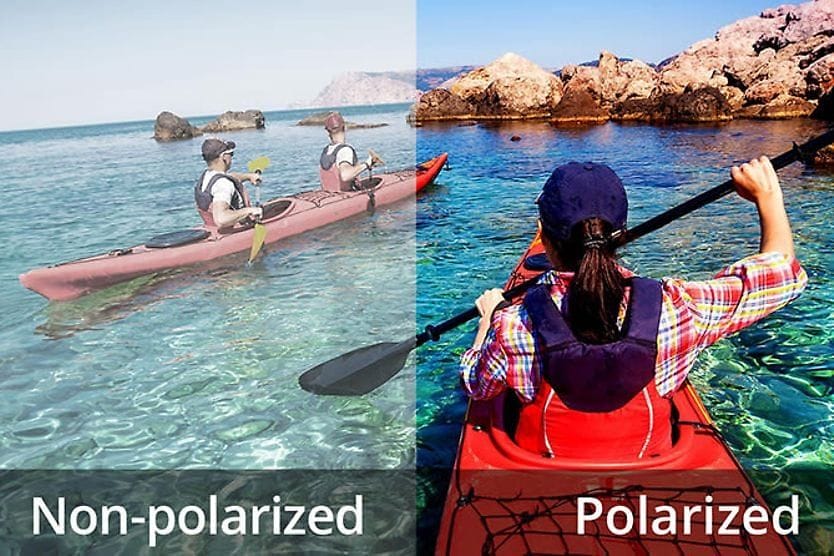
When polarized sunglasses are manufactured, a chemical laminate with a vertical pattern is applied to the lenses. When sunlight strikes flat surfaces, the reflected light beams travel in a horizontal direction, intensifying glare and reducing visibility.
Polarized sunglasses block the horizontal rays as they won’t fit through the vertical laminate pattern, similar to how window blinds work.
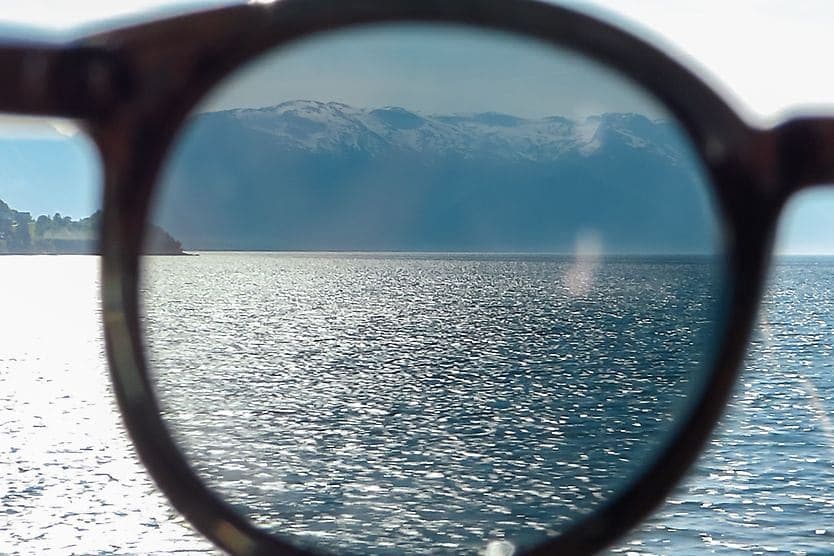
Because polarized lenses provide glare protection, they’re a choice for anyone who enjoys outdoor activities especially around water and other glare-prone surfaces.
When wearing polarized performance sunglasses, harsh glare is usually eliminated and image details can be easier to see clearly.
However, there are some instances in which polarized lenses aren’t beneficial. For example, polarized lenses can make it difficult to read LCD screens, such as car dashboard screens.
Polarized lenses also can clash with certain tints on car windshields, so they aren’t always the ideal choice for driving sunglasses. The darkened polarized lenses also may cause eye strain in low-light situations.
It’s recommended to use polarized sunglasses in high-light outdoor activities. But even then, there are instances in which gradient sunglasses could be a preferred choice.
How do gradient lenses work?
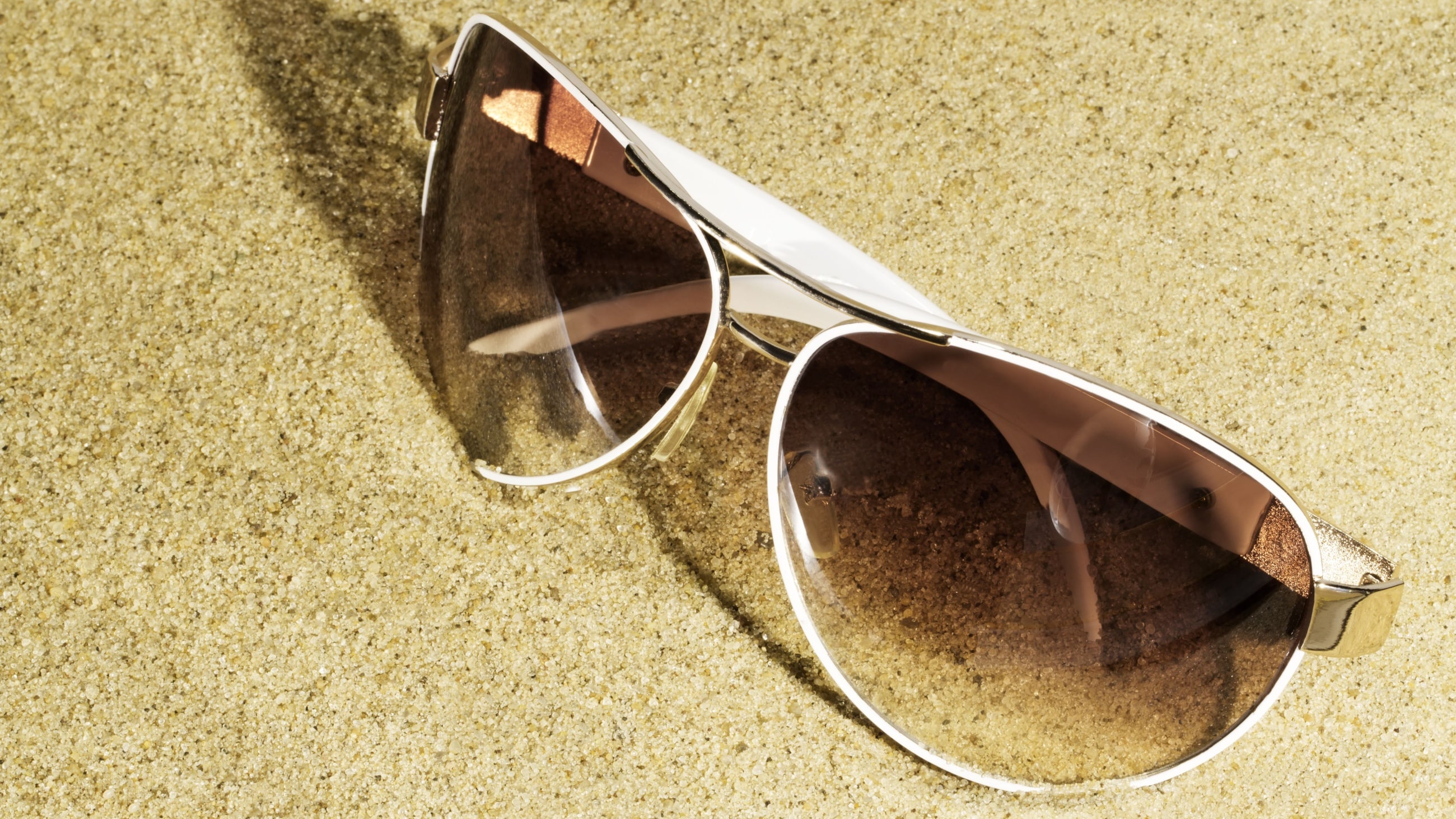
Gradient lenses are tinted, usually from the top down, with the darkest portion at the top gradually fading to either minimal or no tint at the very bottom.
There are also double gradient lenses with a darker tint on the top and bottom of the lenses and the lightest tint in the middle. There are also double- and triple-gradient options — these lenses don’t just fade from dark to light but from one color into another.
While polarized lenses can be ideal for bright, high-glare activities, gradient lenses are typically the preferred choice for driving and time spent in overhead sunlight, as the lenses shield from the top while still allowing you to see more clearly through the middle of the lens.
Also, if you find that some polarized sunglasses are too dark, double-gradient lenses can shield your eyes from bright light and other reflective surfaces from the ground while maintaining vision through the middle of the lenses.
Do polarized lenses offer better UV protection?
While polarized lenses may be the ideal option for minimizing glare and eye fatigue, it doesn’t mean they’re better at shielding your eyes from harmful ultraviolet rays. In fact, polarization does not have UV protection on its own. The UV blocking comes from the lens material and any UV-absorbing treatments applied to it.
For maximum effect, it’s recommended to ensure your sunglasses, polarized or otherwise, offer 100% UV protection.
Also, while polarized has become synonymous with high-quality sunglasses, it’s always ideal to do your research before making a purchase as not all polarized lenses are created equal.
The ideal polarized lenses have the laminate applied between layers of lens, while the less expensive versions are often laminated only on the back or front of the lenses, making them more prone to wear and tear.
Can you get polarized gradient sunglasses?
If you’re torn between polarized and gradient lens coating options, gradient polarized sunglasses may be just what you’re looking for.
The gradient tint can shield your eyes from overhead sunlight while the polarization can help eliminate road glare, making them an optimal choice for driving and other activities in bright sunlight.
While polarized and gradient lenses are usually widely available, polarized gradient sunglasses may require more research to find a doctor's office or optical with this combined option.