Are polarized sunglasses good for night driving?


Are polarized sunglasses good for night driving?
Polarized sunglasses help reduce glare in bright situations, like boating, outdoor sports or driving, on a particularly sunny day. But what about the distracting reflection of headlights and street lights at night?
What are polarized lenses?
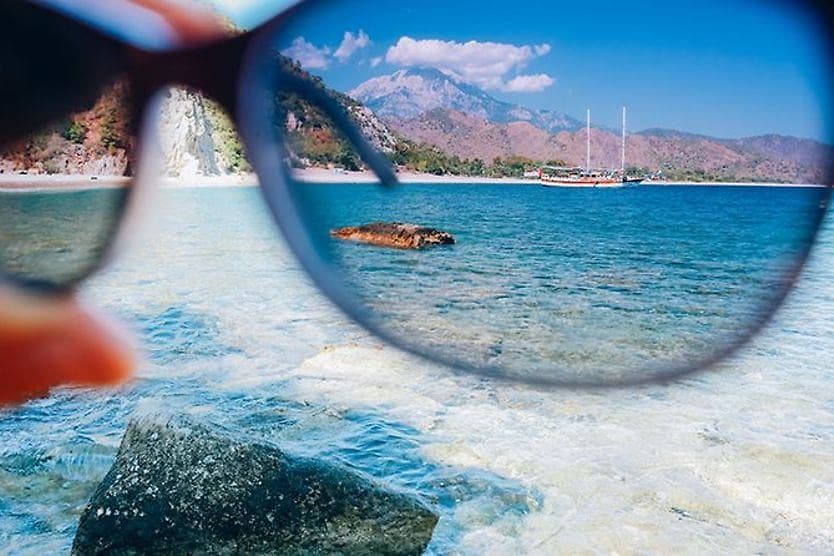
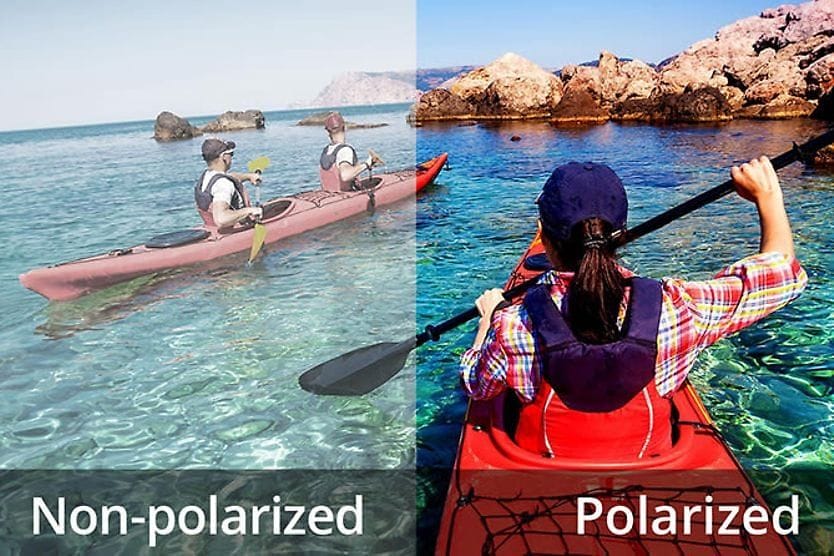
A “polarized lens” means a laminated filter was applied to the lens to block a portion of light from passing through to the eye. Polarized sunglasses were designed for settings in which light is intensified by reflecting off flat surfaces, increasing the amount of light and making it very difficult to see clearly.
Light is crucial in order for the eye to see, but when more light is entering your eye than it knows what to do with, it usually causes a glare. To put it simply, glare happens when your eyes are exposed to bright light.
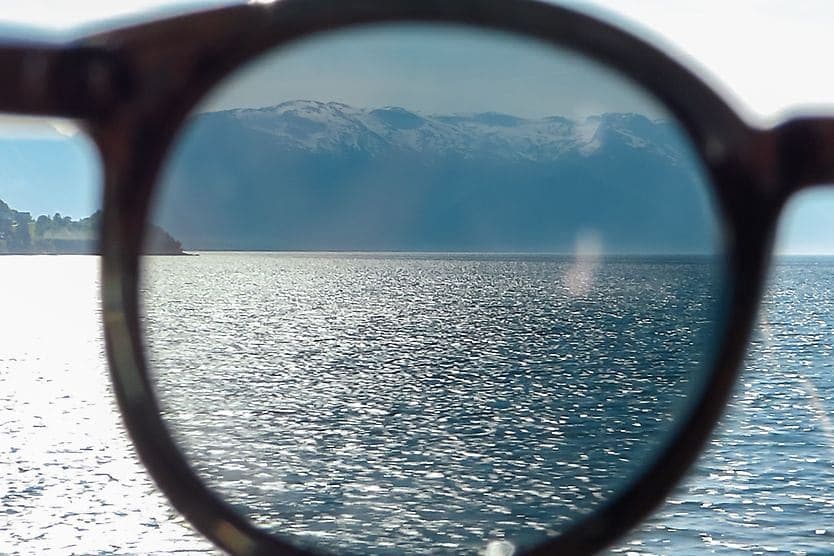
By allowing a limited amount of light into the eye, polarized lenses help reduce glare and improve vision.
Polarized lenses can reduce the glare of oncoming traffic lights when driving after dark. However, wearing sunglasses in low-light conditions, especially while driving, can be dangerous and is not recommended.
QUESTIONS ABOUT NIGHTTIME VISION CORRECTION? Contact an eye care professional near you.
Do polarized lenses help with night driving?
Although polarized lenses could reduce glare from oncoming traffic, they don’t necessarily help with night driving and could do more harm than good.
The filter placed on polarized lenses helps prevent some light from hitting the eye, so it may create a dimmer view when wearing them. Blocking additional light from an already low-light condition can inhibit your vision even more so than the glare of traffic lights.
If driving at night is troublesome, there may be alternatives to wearing polarized sunglasses in order to achieve clear vision when driving.
What are night vision glasses?
Night driving glasses are for people who want added contrast and clarity on the road, but the effectiveness of these specs doesn’t quite live up to the hype.
A study in 2019 determined how helpful night driving glasses were.
The researchers gathered 22 adults who represented a wide demographic range and had them “drive” in four nighttime driving simulations. The simulations had drivers experience varying conditions, including a machine that mimicked the effect of oncoming traffic lights, while wearing either clear lenses or yellow-tinted night driving glasses.
Participants had their reaction times recorded in each scenario for seeing a pedestrian on the side of the roadway.
Results of the study concluded that wearing night driving glasses made no improvement in driver performance in the most critical task: detecting pedestrians. Not only that, but researchers said a small amount of statistical data reflected a slightly worse performance when wearing night vision glasses than when driving without them.
Overall, the results of the study don’t support the idea that eye care professionals should recommend night driving glasses to patients.
SEE RELATED: Night vision goggles and binoculars
Night vision glasses for driving
If the difficulties of night driving are affecting how often or when you drive, you should schedule an eye exam and discuss your concerns with an eye doctor. They can usually prescribe lenses with anti-reflective coating to help minimize the amount of glare you experience when behind the wheel.
Non-prescription lenses can be purchased with the same coating to help diminish the reflection of headlights and streetlights.
No one should have to give up driving because of common nighttime or low-light glare. Consult with your eye doctor and regain clarity during your evening cruise.
HAVING TROUBLE SEEING CLEARLY AT NIGHT? Schedule an appointment with an eye doctor near you.